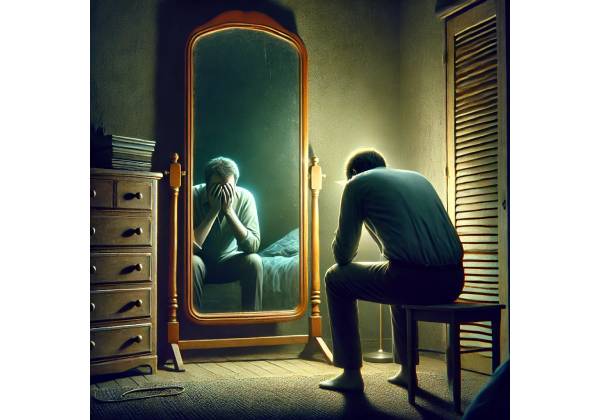
Cacophobia is commonly described as an intense fear of ugliness, but that brief definition does not capture how disruptive the experience can become. For some people, the fear centers on objects, images, places, or physical features they perceive as ugly. For others, it focuses on the possibility of becoming unattractive themselves, being seen as flawed, or being distressed by appearance-related cues they cannot tolerate. What matters clinically is not ordinary preference or taste. It is the strength of the fear, the anxiety it triggers, and the avoidance that follows.
The term is not always used as a standard stand-alone diagnosis in modern psychiatric practice, which is why careful assessment matters. In some cases, the pattern resembles a specific phobia. In others, it overlaps with body dysmorphic disorder, social anxiety, obsessive-compulsive symptoms, or trauma-related distress.
Table of Contents
- What Cacophobia Usually Means
- Symptoms and Common Triggers
- Causes and Risk Factors
- How Diagnosis Is Made
- Daily Impact and Complications
- Treatment Options That Help
- Management and When to Seek Help
What Cacophobia Usually Means
Cacophobia is usually defined as an intense fear of ugliness or of things a person perceives as ugly. That wording may sound simple, but the condition is more complicated than a dislike of certain appearances. The key issue is not taste. It is fear. The person reacts as though a perceived ugly feature, object, image, or even idea carries a threat that must be escaped, controlled, or avoided.
One reason the term can be confusing is that it is highly subjective. What one person experiences as ugly may not trouble someone else at all. For that reason, cacophobia does not fit neatly into the way many people imagine a phobia. It is not like a fear of snakes, blood, or flying, where the trigger is easier to define. The feared stimulus here is shaped by personal beliefs, memories, cultural messages, shame, and emotional meaning.
In practice, cacophobia may take several forms. A person may fear:
- looking unattractive or becoming unattractive
- seeing physical traits they find disturbing
- being around objects, spaces, or images they associate with ugliness
- being judged for imperfection or unattractiveness
- emotional overwhelm triggered by appearance-related cues
This is why clinicians often look beyond the label itself. Sometimes the fear functions like a specific phobia, with immediate anxiety and avoidance in response to a trigger. In other cases, the person is preoccupied with their own appearance, repeatedly checking, comparing, hiding, or seeking reassurance. That pattern may point more toward body dysmorphic disorder or appearance-related obsessive thinking than toward a simple phobic response. For some people, the problem is strongly tied to social judgment and fear of being seen negatively, which may overlap with social anxiety.
A careful definition also needs to avoid reinforcing harmful ideas about beauty and worth. Cacophobia does not mean there is a medically valid category of “ugly people” or “ugly things” that others should fear. The fear reflects the person’s internal experience and interpretation, not an objective truth about anyone’s appearance. That distinction is important, especially when the fear affects how someone reacts to other people.
At its core, cacophobia becomes clinically important when fear begins to control daily choices. A person may avoid mirrors, photographs, crowds, certain faces, certain environments, social media, intimacy, work meetings, or public places. When fear, shame, and avoidance grow stronger than ordinary preference, the pattern deserves serious and respectful attention.
Symptoms and Common Triggers
The symptoms of cacophobia often appear across thoughts, emotions, physical reactions, and behavior. Some people feel immediate anxiety when they see something they have labeled as ugly. Others become distressed by the possibility that they themselves might look unattractive, flawed, or unacceptable. The trigger may be external, internal, or both.
Common physical symptoms include:
- racing heart
- sweating
- trembling
- nausea
- dizziness
- chest tightness
- shortness of breath
- dry mouth
- muscle tension
These are classic anxiety symptoms, but the meaning attached to them can make the reaction especially intense. A person may feel not only frightened, but also ashamed, disgusted, trapped, or desperate to escape. That emotional mix can make cacophobia harder to identify than more familiar phobias.
The thinking pattern often includes beliefs such as:
- “I cannot cope with seeing that.”
- “If I look unattractive, people will reject me.”
- “Imperfection is unbearable.”
- “I need to avoid anything disturbing.”
- “If others notice this, I will feel humiliated.”
Behavioral symptoms are usually the clearest sign that the fear has become clinically significant. A person may:
- avoid mirrors, cameras, or reflective surfaces
- avoid certain people, places, or images
- leave situations suddenly when distressed
- seek repeated reassurance about appearance
- spend excessive time covering, correcting, or checking perceived flaws
- avoid social settings where appearance may be noticed
- scroll, compare, and then withdraw from online spaces
Safety behaviors are also common. These are actions meant to lower anxiety in the short term but that often keep the fear active over time. Examples include heavy grooming rituals, repeated photo checking, constant makeup or clothing adjustments, filtering selfies, sitting in dim light, covering parts of the face or body, or asking others whether something “looks wrong.” Some people begin avoiding any environment where strong appearance cues are present, such as malls, parties, gyms, salons, or video calls.
Triggers can vary widely, but several patterns appear often:
- bullying or teasing about looks
- images associated with injury, deformity, or perceived unattractiveness
- criticism about appearance
- mirrors and photographs
- comparison with idealized beauty standards
- cosmetic changes such as acne, scars, hair loss, or weight change
- social media posts that increase appearance checking
A useful warning sign is whether distress is growing out of proportion to the trigger itself. If a person spends hours avoiding, checking, hiding, or thinking about appearance-related fears, the issue is no longer simple vanity or sensitivity. Cacophobia may be present when the fear leads to marked anxiety, immediate avoidance, and disruption of normal life. Even when the trigger seems unusual or hard to explain, the suffering can be very real.
Causes and Risk Factors
Cacophobia does not usually come from one single cause. Like many anxiety-related conditions, it tends to develop through a combination of temperament, learning, personal experience, and social pressure. The common thread is that ugliness or perceived unattractiveness becomes linked with danger, humiliation, disgust, or loss of acceptance.
One possible pathway begins with painful experiences early in life. A child or adolescent may be teased, criticized, compared, or rejected on the basis of looks. Even a few repeated comments can carry long-lasting emotional force. If a person learns that appearance is tied to safety, belonging, or worth, fear can begin to cluster around anything that feels visually “wrong,” imperfect, or socially risky.
Common risk factors include:
- bullying or appearance-based teasing
- emotionally critical family environments
- trauma linked to humiliation, rejection, or visible injury
- perfectionism
- low self-esteem
- social anxiety
- obsessive-compulsive symptoms
- body image dissatisfaction
- high sensitivity to disgust or shame
Cultural factors can matter as well. Many people live in environments where beauty is treated as proof of value, discipline, success, or desirability. Constant exposure to edited images, appearance comparison, cosmetic marketing, and public evaluation can intensify fear in someone who is already vulnerable. Social media can be especially powerful because it creates a rapid cycle of comparison, self-monitoring, and visible approval or disapproval.
The exact meaning of the fear can differ from person to person. For one person, perceived ugliness may signal rejection. For another, it may signal loss of control, contamination, shame, or failure. Someone who fears becoming unattractive may be struggling with body dysmorphic thinking. Someone who fears the sight of certain features or images may be closer to a specific phobic response. Someone who fears others’ reactions to their looks may have a stronger social anxiety component.
Learning theory helps explain why the problem persists. If a person avoids a mirror, cancels an outing, or hides a perceived flaw and then feels immediate relief, the brain records that relief as evidence that the threat was real. The same thing happens when someone avoids a person, place, or image that triggers discomfort. Short-term escape reduces distress, but it also strengthens long-term fear.
There may also be overlap with other mental health conditions. Body dysmorphic disorder can involve distressing preoccupation with perceived defects in appearance. Obsessive-compulsive symptoms can add doubt, checking, and ritualized reassurance seeking. Depression can deepen shame and self-criticism. Trauma can make certain visible cues feel dangerous far beyond their actual meaning in the present.
Understanding the causes of cacophobia is not about reducing everything to appearance pressure alone. It is about recognizing that fear often grows where beauty, safety, judgment, and self-worth have become tightly entangled. Once that pattern forms, even ordinary visual experiences can begin to feel threatening.
How Diagnosis Is Made
Cacophobia is diagnosed clinically, not through a blood test or brain scan. In many cases, the term itself may not end up being the final formal diagnosis. Instead, a qualified mental health professional tries to understand the exact pattern of fear, avoidance, body image concerns, and impairment. That step is essential because the same word can describe several different clinical pictures.
A careful assessment usually asks:
- What exactly is feared: unattractiveness, certain visual features, other people’s perceived ugliness, social judgment, or loss of control?
- What thoughts appear when the trigger is present?
- What physical symptoms occur?
- What does the person do next: avoid, hide, check, seek reassurance, compare, or withdraw?
- How much time and distress does the pattern cause?
- How much is work, study, relationships, or daily life being affected?
This distinction matters because cacophobia can overlap with several recognized conditions. The assessment may consider:
- specific phobia
- body dysmorphic disorder
- social anxiety disorder
- obsessive-compulsive disorder
- trauma-related disorders
- depression with severe body image distress
For example, a person whose fear centers on their own perceived ugliness and who spends hours checking mirrors or comparing features may fit better within a body dysmorphic framework. A person whose distress is strongest when they fear others will judge their looks may have a more social anxiety-driven pattern. Someone who reacts with immediate fear to certain appearance-related images or features may look more like a specific phobia case.
The clinician also considers whether the fear is persistent and out of proportion to actual threat. Ordinary appearance concerns are common, especially during adolescence and stressful life periods. A clinical problem is more likely when the fear becomes repetitive, time-consuming, hard to control, and clearly impairing. Markers of severity can include canceled plans, social withdrawal, repetitive grooming rituals, compulsive checking, school or work disruption, and strong emotional distress after small appearance-related triggers.
Assessment may include symptom questionnaires for anxiety, body image, obsessive-compulsive symptoms, depression, or fear of negative evaluation. These tools can help, but they do not replace detailed conversation. Good diagnosis depends on understanding the personal meaning of the fear.
A thoughtful evaluation also looks for risks that need urgent attention. These can include major depression, self-harm thoughts, compulsive cosmetic behaviors, extreme isolation, disordered eating, or substance use used to blunt appearance-related distress. In some people, shame is so strong that they minimize symptoms or delay seeking help for years.
The most useful diagnostic question is often not “Do you have cacophobia?” but “What does ugliness mean to you, what happens when that fear is triggered, and how much of your life is now organized around avoiding it?” The answers usually show the clearest path toward treatment.
Daily Impact and Complications
Cacophobia can affect far more than appearance-related thoughts. Once fear starts shaping choices, it can interfere with work, relationships, school, intimacy, self-care, and basic confidence in daily life. Some people become preoccupied with avoiding what they perceive as ugly. Others become trapped in efforts to prevent themselves from looking flawed or undesirable. In either case, life can begin to narrow.
The daily impact often appears in small but repetitive ways. A person may take much longer getting ready, cancel plans because they feel “not presentable,” avoid video calls, leave public settings early, or refuse places and interactions that seem visually distressing. Over time, these choices can add up to significant isolation and fatigue.
Common effects include:
- reduced participation in social life
- difficulty focusing at work or school
- repeated lateness due to grooming or checking
- strained relationships because of reassurance seeking or avoidance
- distress during intimacy
- social media comparison followed by withdrawal
- lower self-confidence and reduced quality of life
If the fear is directed mainly toward the self, self-esteem often erodes quickly. The person may begin to define their worth through appearance and to interpret minor imperfections as evidence of failure. If the fear is directed toward outside triggers, the person may still feel ashamed because they cannot explain why certain faces, features, objects, or environments provoke such strong anxiety. This hidden shame can make the condition even more isolating.
There are also broader complications. People with severe appearance-related anxiety sometimes develop:
- depression
- obsessive checking rituals
- avoidance of photographs and mirrors
- disordered eating
- overuse of cosmetic procedures or products
- panic attacks in public settings
- tension with family members who do not understand the problem
A particularly difficult complication is the cycle between fear and avoidance. The person avoids a feared trigger and feels relief. That relief reinforces the behavior. Soon the brain becomes more certain that the feared trigger really is dangerous. The circle tightens. What once caused discomfort now causes dread.
When the problem involves fear of becoming unattractive, even normal life events can feel destabilizing. Acne, aging, scars, illness, weight fluctuation, hair changes, and stress-related appearance shifts may carry emotional weight far beyond their physical impact. The person may become excessively preoccupied with “fixing” what others barely notice.
It is also important to recognize the social cost. The person may stop expressing warmth, spontaneity, or interest because too much energy is going into appearance monitoring or emotional self-protection. Relationships can become narrower and more fragile. Partners, friends, and relatives may see irritability or withdrawal, while the underlying driver is fear.
A useful sign that cacophobia has become clinically significant is whether it is making life smaller. If normal activities are being organized around avoidance, hiding, checking, or distress about perceived ugliness, the condition is already more than a passing insecurity.
Treatment Options That Help
Treatment for cacophobia depends on the process driving the fear. Because the term can overlap with specific phobia, body dysmorphic disorder, and social anxiety, the most effective care is usually individualized rather than built around the label alone. For many people, cognitive behavioral therapy is a central treatment because it directly targets fear, avoidance, distorted meaning, and unhelpful coping patterns.
A good treatment plan may include:
- psychoeducation about anxiety and appearance-related fear
- identification of triggers and avoidance patterns
- work on catastrophic thoughts and rigid beliefs
- reduction of reassurance seeking and repetitive checking
- gradual exposure to feared situations or cues
- support for body image and self-worth
- treatment of related depression, social anxiety, or obsessive-compulsive symptoms
Exposure is often important when the problem behaves like a phobia. This means facing feared cues gradually and deliberately rather than escaping them. For example, a person might practice looking in a mirror for a set time without checking repeatedly, attending a social event with less concealment behavior, or staying with an appearance-related trigger long enough for anxiety to fall. The goal is not to force suffering for its own sake. It is to help the brain learn that distress can rise and then settle without catastrophe.
When the problem overlaps with body dysmorphic disorder, therapy may focus more on appearance preoccupation, mirror use, comparison, shame, and repetitive rituals. In those cases, treatment often works on reducing checking, hiding, camouflaging, and reassurance seeking while rebuilding a broader sense of identity. If the pattern is driven mainly by fear of judgment, therapy may emphasize social evaluation, self-focused attention, and avoidance of visibility.
Helpful cognitive targets often include beliefs such as:
- “My value depends on how I look.”
- “If I appear flawed, I will be rejected.”
- “I must eliminate any sign of unattractiveness.”
- “I cannot tolerate seeing this.”
- “Avoidance is the only way to stay safe.”
Medication may also help, especially when anxiety, depression, obsessive-compulsive symptoms, or body dysmorphic symptoms are severe. Selective serotonin reuptake inhibitors are commonly used in these broader conditions. Medication is not usually the whole answer, but it can reduce the intensity of fear enough for therapy to become more workable.
Treatment may also need to include practical limits around appearance checking, social media comparison, cosmetic spending, or compulsive researching of beauty and body topics. These behaviors often feel productive but can keep fear active.
Progress usually comes from repeated, tolerable steps rather than one dramatic breakthrough. Being able to tolerate an imperfect photo, leave the house with less checking, or stay in a conversation without appearance monitoring can all count as major clinical progress. The aim is not to become indifferent to appearance. It is to stop living under the rule of fear, shame, and avoidance.
Management and When to Seek Help
Day-to-day management of cacophobia works best when it reduces fear-maintaining habits instead of feeding them. The main goal is not to convince yourself that appearance no longer matters at all. It is to loosen the link between appearance and danger, and to reduce the rituals and avoidance that keep the fear alive.
Helpful strategies include:
- setting limits on mirror checking and photo reviewing
- reducing repeated reassurance seeking
- noticing when grooming becomes a ritual rather than normal care
- limiting comparison-based social media use
- tracking triggers and the thoughts attached to them
- practicing staying in non-dangerous situations a little longer
- focusing on values, function, and connection rather than visual perfection
A simple graded plan might look like this:
- identify one low-risk trigger that usually causes anxiety
- stay with it briefly without escaping or checking
- rate the anxiety before and after
- repeat until the distress becomes more manageable
- move to a slightly harder trigger
- review what actually happened, not only what was feared
This kind of practice helps create new learning. The person discovers that discomfort is not the same as danger, and that feared outcomes often do not unfold in the catastrophic way the mind predicts.
It can also help to widen the definition of self-worth. Fear tends to grow when identity becomes too tightly tied to appearance. Deliberately investing attention in relationships, work, creativity, health, humor, kindness, faith, or values-based goals can reduce the emotional power of appearance triggers over time. This is not denial. It is balance.
Professional help is worth seeking when:
- fear of ugliness or unattractiveness is interfering with daily life
- avoidance, checking, or reassurance seeking is taking up significant time
- appearance-related distress is harming relationships or work
- social withdrawal is increasing
- depression, panic, obsessive rituals, or disordered eating are present
- you feel trapped in shame, comparison, or self-criticism
Urgent help is needed if appearance-related distress is linked to self-harm thoughts, suicidal thinking, severe depression, or dangerous behaviors such as extreme cosmetic actions or starvation-based attempts to “fix” the body.
The outlook is often better than people expect, especially when the problem is assessed accurately and treated with evidence-based care. Cacophobia can feel deeply personal and embarrassing, which is one reason people hide it. But hidden does not mean untreatable. With therapy, practice, and support, many people become far less reactive to appearance-related triggers and far less controlled by fear. The goal is not perfection. It is freedom to live without appearance-driven anxiety dictating every choice.
References
- Cacophobia (Fear of Ugliness): Overview, Symptoms & Treatment 2022 (Clinical Overview)
- Specific Phobia – StatPearls – NCBI Bookshelf 2024 (Review)
- Body dysmorphic disorder 2024 (Review)
- The efficacy of psychological treatments on body dysmorphic disorder: a meta-analysis and trial sequential analysis of randomized controlled trials 2024 (Meta-Analysis)
- Japanese Society of Anxiety and Related Disorders/Japanese Society of Neuropsychopharmacology: Clinical practice guideline for social anxiety disorder (2021) 2023 (Guideline)
Disclaimer
This article is for educational purposes only and is not a substitute for medical advice, diagnosis, or treatment. Fear related to ugliness, unattractiveness, or appearance can overlap with specific phobia, body dysmorphic disorder, social anxiety, obsessive-compulsive symptoms, depression, eating disorders, and trauma-related conditions. A qualified clinician can assess the pattern properly and recommend the safest treatment plan. Seek urgent help right away if you have thoughts of self-harm or suicide, or if distress is leading to dangerous behaviors or severe inability to function.
If this article was helpful, please share it on Facebook, X, or another platform that fits your audience.