Huang Lian, most closely associated with Coptis chinensis, is one of the most intensely bitter herbs in traditional Chinese medicine. For centuries, it has been used when heat, inflammation, dampness, and digestive upset seemed to travel together. Modern research helps explain why the plant still draws serious interest: its rhizome is rich in isoquinoline alkaloids, especially berberine, along with coptisine, palmatine, and related compounds that appear to affect blood sugar regulation, lipids, gut microbes, and inflammatory signaling.
Still, Huang Lian is a herb that rewards precision. Its traditional uses are broad, but modern evidence is uneven and often centers on purified berberine or multi-herb formulas rather than the plain herb alone. That means the plant is promising, but not interchangeable with every berberine supplement and not appropriate for casual self-treatment in every case.
A useful guide, then, should do more than praise its benefits. It should clarify what Huang Lian is, what its main compounds actually do, where the evidence looks strongest, how it is commonly used, what dosing usually means in practice, and where interactions and safety concerns matter most.
Core Points
- Huang Lian is best known for digestive, metabolic, and inflammation-related uses rooted in both traditional practice and alkaloid research.
- Its strongest modern signals involve blood sugar, lipids, and gut-related outcomes, though much of that evidence comes from berberine or formula studies.
- A commonly studied berberine-based regimen is about 500 mg three times daily with meals for 8 to 13 weeks.
- Avoid Huang Lian or berberine-containing products during pregnancy, while breastfeeding, in infants, or with cyclosporine unless a clinician approves.
Table of Contents
- What is Huang Lian?
- Key ingredients and active compounds
- What Huang Lian may help with
- How to use Huang Lian
- How much Huang Lian per day?
- Side effects, interactions, and who should avoid it
- What the evidence actually says
What is Huang Lian?
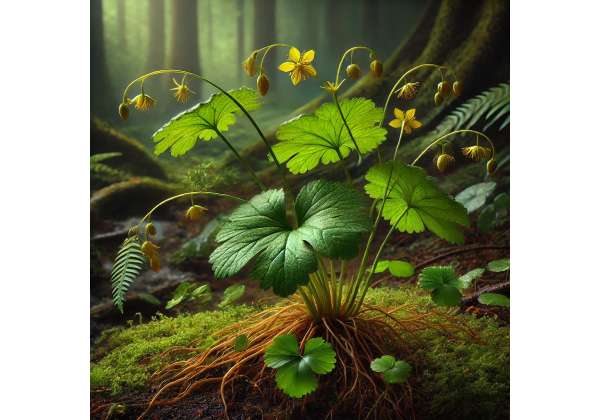
Huang Lian is the dried rhizome used in traditional Chinese medicine under the pharmacognostic name Coptidis Rhizome. In practice, that category can include Coptis chinensis, Coptis deltoidea, and Coptis teeta, but Coptis chinensis is the species most often recognized internationally and the one most readers have in mind when they search for Huang Lian. The rhizome, not the leaf or flower, is the medicinal part.
What makes this herb memorable is its taste. Huang Lian is exceptionally bitter, and that bitterness is not a cosmetic detail. It hints at the plant’s chemistry, especially its alkaloid content, and it partly explains its long association with digestive complaints, “heat-clearing,” mouth sores, diarrhea, and inflammatory conditions in East Asian medicine. In traditional formulations it is rarely a casual tonic. It is usually chosen for a very specific pattern.
That distinction matters today. Modern supplement culture sometimes treats Huang Lian as if it were just another metabolic capsule, but historically it has been a focused medicinal herb used in measured combinations. It has appeared in powders, pills, decoctions, and processed forms, often paired with other botanicals to shape its action, redirect its emphasis, or improve tolerability.
Another point worth understanding is that Huang Lian is not the same thing as berberine, even though berberine is its most famous compound. The herb is a whole rhizome with multiple alkaloids and minor constituents. A berberine supplement, by contrast, is usually a more isolated or standardized ingredient. That difference explains why older traditional uses and modern clinical claims do not always line up neatly.
As a working summary, Huang Lian is best viewed as a bitter rhizome herb with a long digestive and inflammation-related history, a chemically rich alkaloid profile, and a growing but still imperfect modern evidence base. It is neither a cure-all nor an obscure relic. It sits in a middle category: historically important, pharmacologically active, and clinically promising, but only when used with more care than its marketing often suggests.
Key ingredients and active compounds
The chemistry of Huang Lian is the main reason it remains relevant in both herbal medicine and biomedical research. Its best-known compounds are isoquinoline alkaloids, and these are widely regarded as the herb’s main bioactive group.
The most important ones include:
- Berberine, the dominant name in most modern discussions
- Coptisine
- Palmatine
- Epiberberine
- Jatrorrhizine
These alkaloids matter because they are linked with many of the effects that keep Huang Lian under investigation: antimicrobial activity, glucose regulation, lipid metabolism, inflammation control, and gut-related signaling. Berberine gets most of the attention, but it is not the only active constituent worth knowing. In fact, one useful way to think about Huang Lian is that berberine is the lead actor, while the other alkaloids shape the supporting cast.
The rhizome also contains smaller amounts of other compound classes, including phenolic compounds, flavonoids, lignans, polysaccharides, and volatile components. These do not usually headline supplement labels, but they may help explain why whole-rhizome extracts sometimes behave differently from isolated berberine alone.
This is where product interpretation becomes important. A crude Huang Lian powder, a standardized berberine capsule, and a traditional multi-herb formula may all point back to the same plant family, but they are not the same intervention. Readers who want a clearer sense of berberine’s broader evidence base should remember that most modern clinical data use berberine-rich preparations or formulas rather than plain rhizome decoction.
Mechanistically, the alkaloids appear to work through several overlapping routes. Researchers often discuss AMPK signaling, insulin sensitivity, bile acid metabolism, gut microbiota modulation, antimicrobial action, and inflammatory pathway regulation. That does not mean every clinical claim is proven. It does mean the herb has a real biochemical footprint rather than a purely symbolic traditional reputation.
One of the more useful practical insights is that Huang Lian’s bitterness and its alkaloids point in the same direction: this is a strongly active herb that usually does best when matched to the right person, the right goal, and the right preparation. It is not a mild nutritive plant. It is a concentrated, bitter medicinal rhizome whose active chemistry deserves respect, especially when it is taken internally on a regular basis.
What Huang Lian may help with
Huang Lian has a broad traditional resume, but its most realistic modern benefits cluster around metabolic support, digestive applications, and inflammation-related conditions. Even there, the right tone is “promising and partly supported,” not “fully settled.”
The clearest modern area of interest is glucose and insulin regulation. Clinical and meta-analytic work on berberine-rich preparations suggests improvements in fasting glucose, post-meal glucose, HbA1c, insulin resistance, and some lipid markers. This does not prove that every crude Huang Lian preparation works the same way, but it does support the herb’s long association with metabolic imbalance.
A second major area is lipid and cardiovascular risk support. Berberine-based trials and meta-analyses suggest reductions in triglycerides, total cholesterol, LDL cholesterol, and sometimes systolic blood pressure. These effects are meaningful, but they are typically modest and best understood as adjunctive support rather than a replacement for standard care.
A third area is digestive and gut-related use. Traditionally, Huang Lian has been used for diarrhea, gastroenteritis, dysenteric patterns, vomiting, oral ulcers, and inflammatory gut states. Modern evidence is less tidy here because some studies focus on antimicrobial mechanisms, some on inflammatory pathways, and others on broader gastrointestinal outcomes. Still, the direction of the evidence fits the old bitter-herb logic reasonably well.
Potential benefit clusters include:
- support for blood sugar control
- support for triglycerides and cholesterol
- some gastrointestinal and microbiome-related effects
- inflammatory modulation
- traditional use for mouth, skin, and heat-related irritation
The gap between tradition and evidence also matters. Some readers expect Huang Lian to behave like a direct herbal antibiotic or a universal digestive reset. That is too simplistic. It may influence microbial balance and inflammatory signaling, but that is not the same thing as independently treating serious infection. Likewise, it may support metabolic markers, but it is not a substitute for diabetes care.
Compared with other glucose-focused herbs, Huang Lian stands out for the depth of berberine research, yet that advantage comes with more interaction concerns and a narrower safety margin. In other words, its benefits may be more pharmacologically serious, but so are the reasons to use it carefully.
The most practical conclusion is that Huang Lian may be worth considering when digestive heat, metabolic dysfunction, and inflammatory burden overlap, especially under professional guidance. The strongest benefits are not magical. They are targeted, measurable, and most plausible when the herb is used in the right clinical context.
How to use Huang Lian
Huang Lian is used in several distinct ways, and the form matters more than many people realize. Traditional and modern use are related, but they are not identical.
Common forms include:
- Decoctions, where the dried rhizome is simmered with water
- Powders or granules, often used in traditional medicine practice
- Tablets and capsules, sometimes standardized to berberine content
- Multi-herb formulas, where Huang Lian is combined with other botanicals
- Processed forms, which may be treated with ingredients such as ginger or wine in traditional dispensing systems
This herb is often better suited to formula use than solo experimentation. That is partly because Huang Lian is very bitter and cooling, and partly because traditional pairing helps shape its effect. Some processing and compatibility traditions exist precisely to change how harshly the herb lands on the stomach or where its action is emphasized. Readers familiar with ginger processing traditions will recognize the same broader herbal principle: preparation can change experience as much as the raw plant itself.
A sensible modern approach looks like this:
- Match the product to the goal.
A plain rhizome tea, a berberine capsule, and a complex TCM formula should not be treated as interchangeable. - Prefer clearly labeled products.
Look for species identification, standardized content if applicable, and transparent dosing. - Take oral products with meals unless instructed otherwise.
This can improve tolerance, especially with bitter or berberine-rich preparations. - Avoid stacking aggressively.
Combining Huang Lian with multiple blood sugar, blood pressure, or antimicrobial supplements at once makes the response harder to interpret. - Reassess after a defined trial.
If a product is not helping after several weeks, increasing complexity is usually less useful than rethinking the plan.
One helpful practical insight is that Huang Lian makes more sense as a purpose-built herb than as a general wellness add-on. It is too bitter, too active, and too interaction-prone for casual daily use in most people. That does not make it unsafe by default. It simply means it should be used for a reason.
The best outcomes usually come when the form, dose, and duration are aligned. That may sound obvious, but it is especially important here because the literature often mixes whole-rhizome preparations, berberine supplements, and multi-herb formulas under one broad conversation. In real life, those are three different use cases and should be treated that way.
How much Huang Lian per day?
Dosage is one of the most confusing parts of Huang Lian use because modern studies often measure berberine or berberine-rich interventions, while traditional practice uses the whole rhizome in formula context. Those are not automatically equivalent.
The most practical way to think about dosage is to separate product types:
- Berberine-focused clinical regimens often use around 500 mg three times daily
- Research patterns in meta-analyses frequently cluster around about 1 g/day or more, usually in divided doses
- Treatment duration in studies often falls in the 8- to 13-week range
That does not mean every Huang Lian capsule should be taken at 500 mg three times daily. It means many human trials on berberine-containing interventions have used that kind of schedule. A raw Huang Lian powder or decoction may deliver a different alkaloid exposure and should not be assumed to behave the same way.
A cautious dosing strategy is usually better than a heroic one:
- Start low if the product is new to you.
- Take it with food if stomach upset is a concern.
- Divide the total daily amount rather than taking one large dose.
- Reassess after several weeks rather than escalating immediately.
- Avoid long-term unsupervised use if the goal is blood sugar or lipid management.
A reasonable consumer-facing summary is this:
If the product is standardized around berberine, many studied regimens fall near 1 to 1.5 g daily in divided doses, with 500 mg three times daily being a common research pattern.
That range is useful, but only when the label is clear. If the product is just called “Huang Lian extract” without standardized alkaloid information, milligrams can be misleading.
Timing also matters. Because Huang Lian and berberine are often used for glucose or digestive goals, many people take them with meals. That pattern helps with tolerance and better matches the way these compounds are typically studied.
The most important dosing principle, though, is not numerical. It is interpretive: dose the preparation you actually have, not the herb name in general. With Huang Lian, that distinction prevents a lot of unnecessary confusion and side effects.
Side effects, interactions, and who should avoid it
Huang Lian is one of those herbs where benefits and cautions rise together. Because it is pharmacologically active, safety deserves just as much emphasis as efficacy.
The most common side effects are gastrointestinal. These may include:
- nausea
- abdominal discomfort
- bloating
- constipation
- diarrhea
- cramping
These effects are not rare, especially when dosing is high or the product is introduced too quickly. Some people tolerate the bitterness and alkaloids well, while others do not.
Drug interaction risk is also important. The most clearly documented modern concern is cyclosporine, because berberine can affect how this transplant medication is handled. Beyond that, caution is reasonable with medicines or supplements that lower blood sugar, influence blood pressure, or have narrow therapeutic windows.
Groups that should avoid or use Huang Lian only with professional oversight include:
- pregnant people
- breastfeeding people
- infants and newborns
- people taking cyclosporine
- people already using glucose-lowering medicines
- people with major gastrointestinal sensitivity
- those using multiple berberine-containing products without realizing it
The infant and pregnancy warning deserves special emphasis. Berberine exposure has been linked to bilirubin problems in infants, which is why this category is treated more cautiously than many ordinary supplement warnings.
There is also a category problem worth mentioning. Huang Lian shares some chemistry with other berberine-containing herbs, and people sometimes stack them together without realizing they are repeating the same alkaloid family. That can raise the chance of side effects while creating the illusion that the products are different.
One more practical note: people sometimes assume that because Huang Lian is traditional, it must be gentle. In reality, it is a very bitter, strongly active rhizome. The herb is often appropriate only when its intensity matches the situation.
The safest working rule is simple:
If you are using Huang Lian for diabetes, lipids, digestive disease, or chronic inflammation, treat it as a serious medicinal product, not as a casual tea herb. That means checking the label, watching for overlap with berberine supplements, respecting interaction potential, and seeking guidance when medications are already part of the picture.
What the evidence actually says
Huang Lian has a stronger research profile than many herbs, but it also has a more complicated evidence problem. The complication is this: the modern literature often studies berberine, alkaloid-rich extracts, or multi-herb prescriptions more than the plain single herb itself.
That does not make the evidence weak. It makes it layered.
The strongest evidence currently points toward metabolic outcomes. Systematic reviews and meta-analyses suggest berberine can improve fasting glucose, postprandial glucose, HbA1c, triglycerides, total cholesterol, LDL cholesterol, and some other cardiometabolic markers. There is also some evidence for gastrointestinal outcomes. However, the quality of many reviews remains mixed, with a large number rated low or very low in methodological quality.
For whole Huang Lian or Huang Lian-containing formulas, the evidence is more direct but also more variable. Meta-analytic work on Coptis-containing traditional Chinese medicine as an adjunct to metformin suggests benefit for glycemic control, but the underlying trials are not uniformly rigorous. That is useful evidence, but not the final word.
For mechanisms, the herb looks very plausible. Its alkaloids are active, and researchers have mapped multiple pathways that make biological sense. Yet clinical usefulness depends on something more than a plausible pathway. It depends on preparation, bioavailability, patient selection, and study quality.
This is why Huang Lian is best described as well-supported but not fully simplified. There is real evidence behind it, especially when compared with lightly studied folk herbs. At the same time, the evidence is often stronger for its major compounds than for the plain herb, and stronger for short-term metabolic markers than for long-term disease outcomes.
A useful final interpretation is this:
- Huang Lian is not mere tradition without data.
- Its alkaloids have real pharmacological activity.
- The best human signals involve glucose, lipids, and some gastrointestinal outcomes.
- Whole-herb, formula, and isolated-alkaloid evidence should not be merged carelessly.
- Safety and interaction questions remain central, especially with repeated oral use.
That balance is what makes Huang Lian interesting. It is one of the rare herbs that feels both old and modern at once. But it is most convincing when described precisely, not when marketed as a universal remedy.
References
- A Comprehensive Review on Botany, Ethnopharmacology, Phytochemistry, Biosynthesis, Pharmacology, Toxicity, Quality Control and Metabolomics of Coptidis Rhizome 2025 (Review). ([PubMed][1])
- Berberine and health outcomes: an overview of systematic reviews 2025 (Overview of Systematic Reviews). ([PMC][2])
- The effects of berberine supplementation on cardiovascular risk factors in adults: A systematic review and dose-response meta-analysis 2022 (Systematic Review and Meta-Analysis). ([PMC][3])
- Efficacy of Berberine in Patients with Type 2 Diabetes 2008 (Clinical Trial). ([PMC][4])
- Berberine and Weight Loss: What You Need To Know 2023 (Official Safety Information).
Disclaimer
This article is for educational purposes only and is not a diagnosis, treatment plan, or substitute for medical care. Huang Lian and berberine-containing products can affect blood sugar, digestive function, and drug handling, so they are not appropriate for everyone. Do not use them in pregnancy, while breastfeeding, or in infants, and do not combine them with prescription medicines without checking for interactions. If you have diabetes, liver disease, gastrointestinal disease, or take transplant, heart, or glucose-lowering medicines, professional guidance is especially important.
If this guide was useful, please share it on Facebook, X, or any platform where someone else might benefit from a more careful and evidence-aware explanation of Huang Lian.