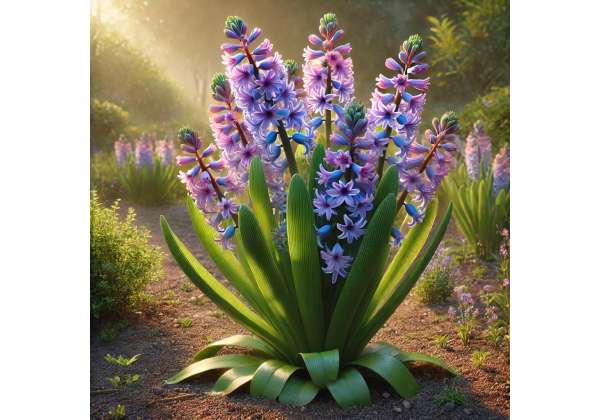
Hyacinth (Hyacinthus orientalis) is a flowering plant admired for its vibrant, fragrant blooms and long history of ornamental cultivation. Beyond its visual appeal, hyacinth has been explored for various medicinal properties due to its phytochemical profile, which includes flavonoids, saponins, and essential oils. Traditionally, different parts of the plant, particularly the bulbs, have been used in folk medicine for digestive ailments, inflammation, and respiratory support. Modern research highlights the potential antioxidant, antimicrobial, and mood-enhancing effects of hyacinth extracts, offering new insights into its broader applications beyond horticulture.
Despite its traditional use, hyacinth must be approached carefully, as some compounds may be toxic in high doses, particularly the bulbs. Its multifaceted profile makes it both a visually stunning ornamental plant and a subject of scientific interest. Understanding hyacinth’s active ingredients, potential health benefits, proper usage, dosage considerations, and safety measures is essential for anyone looking to explore this plant for therapeutic or wellness purposes.
Key Highlights
- Hyacinth may support antioxidant and mood-regulating functions.
- Contains flavonoids, saponins, and essential oils with biological activity.
- Traditional use includes digestive and respiratory support, primarily from bulbs.
- Typical experimental dose ranges from 50–200 mg extract per day.
- Avoid ingestion of raw bulbs or high-dose extracts during pregnancy or if allergic to related plants.
Table of Contents
- What is hyacinth?
- Key ingredients and active compounds
- Potential health benefits of hyacinth
- How to use hyacinth
- Recommended dosage and timing
- Safety concerns and who should avoid it
- Current evidence and research
What is hyacinth?
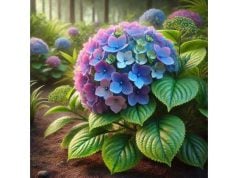
Hyacinth, scientifically known as Hyacinthus orientalis, is a perennial bulbous plant native to the eastern Mediterranean region. It is renowned for its densely packed clusters of tubular flowers, which emit a strong, sweet fragrance that has captivated gardeners for centuries. The plant has been extensively cultivated across Europe and Asia since the 16th century for decorative purposes and has become a symbol of spring and renewal in many cultures.
While primarily known for its aesthetic value, hyacinth also has a history in traditional medicine. The bulbs, flowers, and sometimes leaves have been used for their purported health-promoting properties, including digestive relief, support for mild respiratory issues, and anti-inflammatory purposes. Historical texts describe preparations from hyacinth bulbs for topical use or in decoctions for internal consumption, although these methods vary significantly across regions.
Hyacinth is unique among ornamental bulbs because it contains a range of bioactive compounds, including glycosides and essential oils, which may underlie its traditional medicinal uses. The plant’s aroma comes from volatile sulfur compounds and esters that are not only responsible for its fragrance but also contribute to antimicrobial and antioxidant activities observed in laboratory studies. It thrives in well-drained soil, blooms in early to mid-spring, and can be grown indoors or in gardens, making it both a horticultural and potential therapeutic resource.
Understanding hyacinth requires recognizing the distinction between its decorative, aromatic, and medicinal roles. While the flowers are primarily appreciated for fragrance and color, the bulbs contain more concentrated phytochemicals and are the focus of most traditional medicinal preparations. This dual nature—ornamental and therapeutic—positions hyacinth as both a subject of cultural significance and scientific interest.
Key ingredients and active compounds
Hyacinth contains a variety of biologically active constituents, most concentrated in its bulbs but also present in flowers and leaves. Key compounds include flavonoids, saponins, alkaloids, and essential oils. Each class contributes differently to the plant’s health-related properties.
Flavonoids:
These polyphenolic compounds are abundant in hyacinth flowers and bulbs. Flavonoids are known for their antioxidant activity, which helps neutralize free radicals and reduce oxidative stress. Common flavonoids in hyacinth include quercetin derivatives and kaempferol, both of which have been studied for anti-inflammatory and neuroprotective effects.
Saponins:
Primarily concentrated in the bulbs, saponins contribute to anti-inflammatory, antimicrobial, and immunomodulatory properties. They can interact with cell membranes and are sometimes responsible for the mild bitter taste in raw bulbs.
Alkaloids and Phenolic Glycosides:
These minor constituents are biologically active, with preliminary studies indicating potential antimicrobial and cardiovascular support. They are less abundant than flavonoids or saponins but contribute to the overall pharmacological profile.
Essential oils:
The characteristic scent of hyacinth arises from volatile sulfur-containing compounds, esters, and aldehydes. These oils exhibit antimicrobial and antioxidant effects in vitro and are largely responsible for the aromatic benefits used in aromatherapy and perfumery.
The synergy of these compounds may explain the traditional uses of hyacinth for digestive complaints, mild respiratory support, and mood enhancement. The complex phytochemistry also underpins research into antioxidant, anti-inflammatory, and antimicrobial effects observed in laboratory settings. Importantly, raw bulbs contain higher concentrations of saponins and alkaloids, which may cause toxicity if ingested directly without proper preparation.
Understanding the specific bioactive profile of hyacinth helps guide its use in modern applications. While the flower is primarily aromatic and mildly antioxidant, the bulb is the most pharmacologically potent part, but it must be handled cautiously due to potential toxicity. Extracts, essential oils, and infusions are common ways to access these active compounds safely.
Potential health benefits of hyacinth
Hyacinth has been explored for multiple health-promoting properties, largely based on its phytochemical profile and historical use. The primary areas of potential benefit include antioxidant activity, anti-inflammatory effects, antimicrobial properties, mood support, and digestive aid.
1. Antioxidant support:
Flavonoids and essential oils in hyacinth can neutralize free radicals, potentially reducing oxidative stress that contributes to aging and chronic disease. In vitro studies demonstrate that hyacinth extracts can protect cellular components from oxidative damage, suggesting a supportive role in overall cellular health.
2. Anti-inflammatory effects:
Saponins and phenolic compounds in bulbs and flowers may modulate inflammatory pathways. Laboratory studies suggest that these compounds inhibit pro-inflammatory enzymes and cytokines, which may explain traditional use for mild inflammatory conditions such as joint discomfort and skin irritation.
3. Antimicrobial activity:
Essential oils and phenolic compounds have demonstrated inhibitory effects against certain bacteria and fungi in laboratory studies. This activity aligns with historical topical applications of hyacinth for skin conditions and minor infections, although clinical confirmation in humans is limited.
4. Mood and cognitive support:
The fragrant compounds of hyacinth may have mild aromatherapeutic effects, promoting relaxation and stress relief. While evidence is largely anecdotal, some studies suggest that exposure to hyacinth aroma can enhance mood and support emotional well-being.
5. Digestive support:
Traditional medicinal use includes decoctions of bulbs or leaves to aid digestion and relieve mild gastrointestinal discomfort. The saponins and flavonoids may contribute to smooth muscle relaxation and digestive enzyme modulation.
It is important to note that while these benefits are promising, most evidence derives from preclinical or traditional use studies. Human clinical trials are limited, so potential benefits should be approached with caution. Combining hyacinth with other lifestyle measures, such as a balanced diet and stress management, is likely to maximize positive outcomes.
How to use hyacinth
Hyacinth can be utilized in several forms, each with specific considerations regarding efficacy and safety:
1. Decoctions and infusions:
Boiling bulbs or flowers to prepare teas or decoctions is a traditional method to extract active compounds. This approach is used for mild digestive complaints, respiratory support, and mild anti-inflammatory effects. Decoctions are typically consumed in small quantities due to bulb toxicity potential.
2. Essential oils:
Extracted essential oils can be applied aromatically to promote relaxation and enhance mood. Direct ingestion of essential oils is not recommended due to potential toxicity and irritation.
3. Tinctures or standardized extracts:
Alcohol-based or hydroalcoholic extracts concentrate flavonoids, saponins, and phenolic compounds. These are sometimes used in research and traditional herbal medicine for antioxidant and anti-inflammatory purposes. Always follow product-specific dosing instructions and avoid untested homemade extracts.
4. Topical application:
Some traditional uses involve poultices or topical applications of hyacinth bulb extracts for minor skin irritation. Patch testing is advised to avoid allergic reactions.
Proper preparation is crucial, as raw bulbs contain compounds that can cause nausea, vomiting, or irritation. Cooking or extracting under controlled conditions reduces toxicity and enhances bioavailability. For beginners, starting with floral infusions or aromatherapy applications is safest.
Recommended dosage and timing
There is no standardized therapeutic dosage for hyacinth in modern clinical practice. Traditional preparations and preliminary studies suggest:
- Extracts: 50–200 mg per day, depending on concentration and preparation.
- Decoctions: One cup (150–200 mL) of mild infusion 1–2 times daily.
- Aromatherapy: Exposure to essential oil aroma for 10–15 minutes, 1–2 times daily.
Bulbs should never be consumed raw due to potential toxic saponins. Timing of intake is flexible, but for mood support or digestive aid, morning or early afternoon is commonly recommended. Duration of use depends on individual response; intermittent use is suggested to reduce the risk of irritation.
Always follow product-specific instructions, particularly with concentrated extracts or essential oils, and avoid exceeding recommended amounts.
Safety concerns and who should avoid it
Hyacinth is generally safe in small, prepared amounts but may pose risks in raw or high-dose forms. Key safety considerations include:
- Bulb toxicity: Contains saponins that may cause nausea, vomiting, or diarrhea.
- Allergic reactions: Skin or respiratory sensitivities can occur with topical or aromatic exposure.
- Pregnancy and breastfeeding: Avoid ingestion or concentrated extracts due to limited safety data.
- Chronic conditions: Individuals with gastrointestinal, liver, or kidney conditions should use cautiously.
- Drug interactions: Potential interactions with anti-inflammatory or anticoagulant medications.
Patch testing for topical applications and starting with minimal amounts are recommended safety measures.
Current evidence and research
Research on hyacinth is primarily preclinical and limited in human trials. Key findings include:
- Antioxidant activity: In vitro studies confirm flavonoids and phenolic compounds scavenge free radicals.
- Anti-inflammatory potential: Laboratory studies suggest saponins modulate pro-inflammatory cytokines.
- Antimicrobial effects: Essential oils exhibit inhibitory activity against certain bacteria and fungi.
- Aromatherapeutic properties: Limited studies support mood-enhancing effects through olfactory stimulation.
Human data are sparse, and most findings are from small-scale or laboratory experiments. Further clinical studies are required to validate efficacy and establish safe dosages. Hyacinth’s promising phytochemistry justifies continued research, especially in the context of antioxidant, anti-inflammatory, and mood-support applications.
References
- Phytochemical and pharmacological review of Hyacinthus orientalis L. 2019 (Systematic Review)
- Biological activities of Hyacinthus orientalis bulb extracts: antioxidant, antimicrobial and anti-inflammatory effects 2019 (Preclinical Study)
- Evaluation of aromatic compounds of Hyacinthus orientalis essential oil and their therapeutic applications 2020 (Experimental Study)
- Traditional uses and safety evaluation of Hyacinthus orientalis L. bulbs in folk medicine 2022 (Safety Review)
Disclaimer
This article is for educational purposes only and does not replace professional medical advice. Hyacinth contains bioactive compounds that may be toxic in raw bulbs or high-dose extracts. Consult a qualified healthcare provider before using hyacinth for therapeutic purposes, particularly during pregnancy, breastfeeding, or if you have underlying health conditions.
If you found this article informative, share it on Facebook, X, or your preferred platform to spread knowledge about medicinal plants safely.