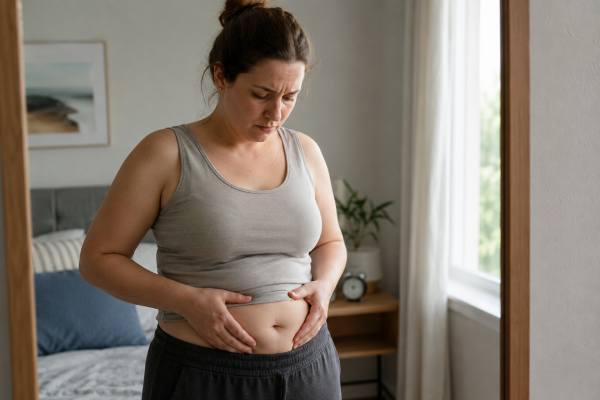
Hypothyroidism can contribute to weight gain and a larger waist, but it usually does not cause a large amount of true belly fat by itself. An underactive thyroid can slow energy use, increase fatigue, reduce daily movement, worsen constipation, and cause the body to retain salt and water. Those changes can make the abdomen feel heavier, puffier, or more bloated.
The more useful question is not whether the thyroid is “to blame” for all belly fat, but whether thyroid dysfunction is one part of the picture. For many people, abdominal weight gain also involves calorie intake, activity, menopause or perimenopause, insulin resistance, sleep, stress, medications, alcohol, genetics, and normal age-related body composition changes. Understanding the difference matters because thyroid treatment can help when hypothyroidism is present, but extra thyroid hormone is not a safe or effective fat-loss shortcut.
Table of Contents
- How Hypothyroidism Affects Belly Size
- Belly Fat vs Bloating and Water Weight
- Signs Your Thyroid May Be Involved
- What Thyroid Treatment Can Change
- Why Belly Fat Can Persist
- How to Lose Belly Fat With Hypothyroidism
- When to See a Doctor
How Hypothyroidism Affects Belly Size
Hypothyroidism can make the belly look or feel larger, but the change is often a mix of modest weight gain, fluid retention, constipation, and lower activity rather than a thyroid-specific pattern of fat storage. The thyroid affects metabolism throughout the body, but it does not selectively place fat only around the stomach.
Thyroid hormones help regulate how the body uses energy. When thyroid hormone levels are too low, many body processes slow down. Resting energy expenditure may decrease, digestion can become sluggish, and fatigue can make it harder to stay active. Over time, those changes may slightly reduce the number of calories the body burns and make weight management feel harder.
Still, severe or rapid abdominal fat gain is rarely explained by hypothyroidism alone. In many cases, the amount of weight directly attributable to untreated hypothyroidism is modest. A person may notice tighter waistbands, puffiness, or a heavier feeling around the midsection, but that does not always mean a large increase in visceral fat.
The belly can be affected in several ways:
- Lower energy expenditure: The body may burn fewer calories at rest when hypothyroidism is untreated.
- Fatigue and reduced movement: Feeling exhausted can reduce workouts, step count, and non-exercise movement.
- Constipation: Slower digestion can cause abdominal fullness and distension.
- Fluid retention: Salt and water retention can make the body feel swollen or puffy.
- Appetite and mood changes: Low mood, poor sleep, and low energy can affect food choices and consistency.
This is why two people with the same thyroid diagnosis may have very different weight experiences. One person may gain only a few pounds and feel puffy; another may gain more because fatigue disrupts exercise, meal planning, and sleep. Someone else may have hypothyroidism plus menopause, insulin resistance, depression, steroid use, or another medication that affects weight.
It is also important to distinguish total body weight from belly fat. Belly fat usually refers to subcutaneous fat under the skin and visceral fat deeper in the abdomen around internal organs. Hypothyroidism may contribute to overall weight gain, but abdominal fat patterning is often more strongly influenced by insulin resistance, sex hormones, genetics, age, alcohol intake, sleep, and long-term calorie balance.
If your main concern is the stomach area, a broader guide to losing belly fat safely can help set realistic expectations: you can reduce abdominal fat, but you cannot spot-reduce it with thyroid medication, ab exercises, detoxes, or targeted supplements.
Belly Fat vs Bloating and Water Weight
A larger belly with hypothyroidism is not always fat gain. It may be true fat gain, but it can also be bloating, constipation, water retention, menstrual-cycle fluid shifts, or a combination of several changes at once.
This distinction matters because each cause responds to a different solution. Fat loss usually requires a sustainable calorie deficit and enough time. Constipation may improve with fiber, fluids, movement, and medication review. Water retention may improve when thyroid levels normalize, but it can also be affected by sodium, carbohydrate changes, inflammation, menstrual hormones, kidney issues, heart issues, and some medications.
| What you notice | Possible contributor | What may help |
|---|---|---|
| Waist feels tighter, weight rose gradually over months | Fat gain, lower activity, calorie surplus, metabolic changes | Thyroid treatment if needed, calorie awareness, protein, steps, strength training |
| Belly feels hard, full, gassy, or distended | Bloating or constipation | Fiber adjustment, hydration, walking, constipation treatment, food trigger review |
| Puffy face, swollen hands, rings tighter, scale jumps quickly | Fluid retention | Medical review, thyroid labs, sodium consistency, evaluation if swelling is significant |
| Scale changes several pounds overnight | Water, glycogen, sodium, digestion, menstrual cycle | Track trends rather than single weigh-ins |
| More weight around waist after 40 or 50 | Menopause, lower muscle mass, insulin resistance, sleep changes | Strength training, protein, sleep support, medical screening when appropriate |
A simple way to assess the pattern is to track three things for two to four weeks: morning body weight, waist measurement at the navel, and symptoms such as constipation, swelling, fatigue, and cold intolerance. If weight is bouncing up and down quickly but your waist measurement is fairly stable, water and digestion may be a major part of the issue. If both weight and waist measurement rise steadily over months, fat gain is more likely involved.
Bloating can also be mistaken for belly fat. Hypothyroidism can slow gut motility, which may lead to constipation and abdominal distension. In that case, the abdomen may feel larger by evening, improve after a bowel movement, or fluctuate noticeably from day to day. If this sounds familiar, it may help to compare symptoms with bloating vs fat gain rather than assuming every change is body fat.
Water retention can also be misleading. Untreated hypothyroidism can cause the body to hold onto salt and water, which may show up as puffiness or swelling. Some people notice swelling in the face, eyelids, hands, feet, or ankles. However, swelling should not automatically be blamed on the thyroid. New, one-sided, painful, or significant swelling needs medical assessment.
Signs Your Thyroid May Be Involved
Thyroid-related weight gain is more likely when abdominal changes appear alongside other hypothyroidism symptoms. Weight gain by itself, especially gradual belly fat gain without other symptoms, is less specific.
Common hypothyroidism symptoms include fatigue, feeling cold, constipation, dry skin, hair thinning, heavier or irregular periods, slowed heart rate, low mood, brain fog, hoarseness, muscle aches, and elevated cholesterol. Some people also notice facial puffiness or swelling. Symptoms can be subtle, and not everyone has the same pattern.
It is worth asking about thyroid testing if belly weight gain comes with several of these signs:
- You feel unusually tired despite adequate sleep.
- You are colder than other people in the same environment.
- Constipation is new or worsening.
- Your skin is drier, hair is thinning, or nails are more brittle.
- Your periods have become heavier, more irregular, or harder to predict.
- You feel mentally slower, low, or unusually foggy.
- Your cholesterol has risen without a clear reason.
- You have a family history of thyroid disease or autoimmune disease.
- You have Hashimoto’s thyroiditis, thyroid surgery, radioactive iodine treatment, or medications that can affect thyroid function.
The usual first-line blood test is TSH, often paired with free T4. TSH is a pituitary hormone that rises when the thyroid is not producing enough hormone in many cases of primary hypothyroidism. Free T4 measures available thyroxine, one of the main thyroid hormones. Thyroid peroxidase antibodies may be checked if autoimmune thyroid disease, especially Hashimoto’s, is suspected.
T3 testing is not usually the main test for diagnosing hypothyroidism. Some people focus heavily on T3 because it is the more active thyroid hormone, but diagnosis and treatment decisions usually depend more on TSH and free T4, along with symptoms, medical history, pregnancy status, age, heart risk, and medication use.
Testing is especially reasonable if weight gain is unexplained, rapid, or accompanied by fatigue and cold intolerance. A more detailed discussion of when testing makes sense is covered in getting your thyroid checked for weight gain.
At the same time, it is possible to have normal thyroid tests and still struggle with belly fat. Normal results do not mean your symptoms are imaginary; they mean the next step is to look at other likely drivers. These may include sleep apnea, insulin resistance, perimenopause, depression, binge eating, chronic stress, reduced muscle mass, alcohol intake, steroid exposure, and medications associated with weight gain.
What Thyroid Treatment Can Change
When hypothyroidism is confirmed, proper thyroid hormone replacement can improve symptoms and may reduce some thyroid-related weight gain, especially fluid-related weight. It should not be expected to melt belly fat quickly or replace nutrition, activity, sleep, and other weight-management habits.
The standard treatment for most people with hypothyroidism is levothyroxine, a synthetic form of T4. The goal is to restore thyroid hormone levels to an appropriate range, relieve symptoms, and avoid both under-treatment and over-treatment. Doses are individualized. Age, body size, pregnancy, heart disease, other medications, and absorption issues can all affect dosing.
After starting levothyroxine or changing the dose, clinicians often recheck blood tests after several weeks because TSH takes time to stabilize. Many people feel better gradually rather than immediately. Energy, constipation, cold intolerance, and puffiness may improve over time as thyroid levels normalize.
Weight changes after treatment vary. Some people lose a small amount, especially if untreated hypothyroidism caused fluid retention. Others do not see much scale change, particularly if most of the weight gain developed over years or was driven by multiple factors. Once thyroid levels are well treated, the body’s ability to gain or lose weight is generally closer to that of someone without hypothyroidism.
There are several reasons treatment may not lead to obvious fat loss:
- The thyroid-related portion of weight gain may have been small.
- Fluid weight may decrease, but fat mass still needs a calorie deficit to change.
- Fatigue may improve, but eating and activity habits may take time to rebuild.
- Other conditions, such as insulin resistance or menopause, may still affect weight.
- Levothyroxine absorption may be inconsistent if taken with certain supplements, foods, or medications.
Thyroid medication should not be used in higher-than-needed doses for weight loss. Too much thyroid hormone can cause palpitations, anxiety, insomnia, tremor, muscle loss, bone loss, and heart rhythm problems. It may lower the scale temporarily, but that does not mean it is producing healthy fat loss. The risk is especially concerning for older adults and anyone with heart disease or osteoporosis risk.
For people wondering whether medication itself is the missing piece, thyroid medication and weight loss is best understood as treatment for a diagnosed hormone deficiency, not a general weight-loss drug.
Why Belly Fat Can Persist
Belly fat can persist after thyroid levels normalize because hypothyroidism is only one possible contributor to body weight. Once thyroid hormone levels are in range, the remaining drivers of abdominal fat are often the same ones that affect people without thyroid disease.
One common reason is reduced daily movement. Hypothyroidism can make a person feel exhausted for months before diagnosis. During that time, workouts may stop, steps may fall, meals may become more convenience-based, and muscle mass may decline. Even after treatment begins, those habits and body composition changes do not reverse automatically.
Another reason is insulin resistance. Insulin resistance can make it easier to store fat around the abdomen and harder to manage appetite and blood sugar swings. It is common in prediabetes, type 2 diabetes, PCOS, metabolic syndrome, and some people with higher waist circumference. Hypothyroidism and metabolic risk can overlap, but treating the thyroid does not always correct insulin resistance by itself.
Life stage also matters. Perimenopause and menopause can shift fat storage toward the abdomen, especially when sleep worsens and muscle mass declines. Men can also develop more central fat with age, lower activity, lower muscle mass, alcohol intake, and declining testosterone in some cases. These changes can happen alongside hypothyroidism, making the thyroid seem like the only cause when it is only one part of the pattern.
Medications can also contribute. Some antidepressants, antipsychotics, mood stabilizers, beta blockers, diabetes medications, steroids, antihistamines, and nerve-pain medications are associated with weight gain in some people. You should not stop a prescribed medication on your own, but you can ask whether weight-neutral alternatives or dose adjustments are appropriate.
Sleep and stress can add another layer. Poor sleep can increase hunger, cravings, and fatigue while reducing the likelihood of exercise. Chronic stress may not “create belly fat” in a simple one-hormone way, but it can affect appetite, alcohol intake, emotional eating, sleep timing, and consistency. If stress or sleep is a major issue, thyroid treatment alone will not fully solve the weight pattern.
This is why persistent abdominal weight gain should be approached with a full review rather than a single-cause explanation. A helpful medical discussion may include thyroid labs, A1C or fasting glucose, lipids, medication review, menstrual or menopause history, sleep apnea symptoms, bowel habits, alcohol intake, and changes in activity.
How to Lose Belly Fat With Hypothyroidism
The best approach is to treat confirmed hypothyroidism properly while using the same evidence-based fat-loss habits that protect energy, muscle, and long-term health. The goal is not extreme restriction; it is a steady plan that works with lower energy, appetite changes, and medical follow-up.
Start with the medical foundation. If you take levothyroxine, take it consistently as prescribed and ask your clinician or pharmacist how to separate it from calcium, iron, antacids, and other products that may reduce absorption. Tell your clinician if you start or stop estrogen therapy, certain seizure medications, acid-reducing medications, supplements, or major diet changes, because some can affect thyroid medication needs.
Then focus on the habits that most reliably support abdominal fat loss:
- Create a modest calorie deficit. You do not need a crash diet. A smaller, more consistent deficit is usually easier to sustain, especially if fatigue is part of the picture.
- Prioritize protein. Protein supports fullness and helps protect lean mass during weight loss. Many people do well by including a protein source at each meal.
- Increase fiber gradually. Vegetables, fruit, beans, lentils, oats, chia, and whole grains can improve fullness and bowel regularity. Increase slowly if you are prone to bloating.
- Strength train two to four times per week. Muscle does not magically erase belly fat, but it improves body composition, function, and long-term weight maintenance.
- Walk more, especially after meals. Walking is low-stress, thyroid-friendly for most people, and useful for blood sugar and calorie expenditure.
- Track trends, not daily noise. Use waist measurements, weight trends, strength, energy, bowel regularity, and clothing fit rather than reacting to every scale fluctuation.
Food quality matters, but it does not need to be complicated. A practical plate might include lean protein, high-fiber carbohydrates, colorful vegetables, and a moderate amount of healthy fat. For meal structure, a hypothyroidism weight-loss diet should be filling, realistic, and compatible with thyroid medication timing rather than built around unnecessary food bans.
Be cautious with common thyroid diet myths. Most people with hypothyroidism do not need to eliminate gluten unless they have celiac disease, a diagnosed sensitivity, or another medical reason. Cruciferous vegetables such as broccoli, cauliflower, cabbage, and kale are generally fine in normal cooked or raw food amounts. Iodine is essential, but high-dose iodine supplements can worsen thyroid problems in some people. Selenium may be appropriate in specific cases, but more is not always better.
Exercise should match your current energy level. If you are newly diagnosed, severely fatigued, or returning after a long break, start with walking and light resistance training rather than intense daily workouts. A beginner plan for losing weight with hypothyroidism should leave you feeling more capable over time, not depleted after the first week.
If weight does not change after several weeks, do not immediately cut calories aggressively. First check the basics: medication consistency, thyroid follow-up, step count, weekend intake, liquid calories, protein, sleep, constipation, and whether your calorie target still matches your current body weight. Many plateaus are caused by small gaps in consistency or reduced activity rather than a broken metabolism.
When to See a Doctor
You should see a doctor if belly weight gain is rapid, unexplained, accompanied by other hypothyroidism symptoms, or associated with swelling, pain, menstrual changes, or signs of another medical condition. Thyroid disease is treatable, but it should be diagnosed with appropriate testing rather than assumed from body shape alone.
Make an appointment if you notice:
- New or worsening fatigue, cold intolerance, constipation, dry skin, or hair thinning
- Unexplained weight gain despite no clear change in eating or activity
- A new rise in cholesterol
- Heavy, irregular, or absent periods
- Difficulty losing weight with a history of thyroid disease
- A family history of autoimmune thyroid disease
- Weight gain after starting a new medication
- Symptoms of insulin resistance, such as increased waist size, prediabetes, or skin darkening in body folds
- Loud snoring, pauses in breathing during sleep, or severe daytime sleepiness
Seek prompt medical care for severe swelling, shortness of breath, chest pain, fainting, confusion, one-sided leg swelling, severe abdominal pain, black or bloody stool, or sudden unexplained weight gain with fluid retention. These are not symptoms to manage with diet changes alone.
Also talk with your clinician before making major diet or supplement changes if you are pregnant, trying to conceive, breastfeeding, older, have heart disease, have kidney disease, have an eating disorder history, or take multiple medications. Thyroid hormone needs can change during pregnancy and with some medication changes, so monitoring matters.
A good appointment is more productive when you bring specifics. Consider writing down:
- When weight or waist changes started
- Current medications and supplements, including doses
- How and when you take thyroid medication
- Recent TSH and free T4 results, if available
- Changes in bowel habits, sleep, menstrual cycle, appetite, and activity
- A two-week weight trend or waist measurement trend, if you have one
If your thyroid labs are normal but symptoms persist, it is reasonable to ask what else should be checked. Depending on your situation, that may include A1C, fasting glucose, lipids, liver enzymes, kidney function, iron status, B12, vitamin D, reproductive hormones, sleep apnea screening, or medication review. For broader context, unexplained or persistent weight changes may fit into a larger discussion of medical reasons for unexplained weight gain.
The bottom line: hypothyroidism can contribute to a larger belly, especially through modest weight gain, fluid retention, constipation, and reduced energy. But lasting belly fat loss usually requires both appropriate thyroid treatment and a practical plan for nutrition, movement, sleep, and other medical factors that may be affecting weight.
References
- Thyroid and Weight 2026 (Patient Education)
- Hypothyroidism 2026 (Patient Education)
- ETA guidelines for the use of levothyroxine sodium preparations in monotherapy to optimize the treatment of hypothyroidism 2025 (Guideline)
- Subclinical Hypothyroidism in Patients with Obesity and Metabolic Syndrome: A Narrative Review 2023 (Review)
- Obesity Management in Adults: A Review 2023 (Review)
- Overweight and obesity management 2026 (Guideline)
Disclaimer
This article is for general educational purposes only and is not a substitute for professional medical advice, diagnosis, or treatment. If you have symptoms of hypothyroidism, unexplained weight gain, swelling, or trouble losing weight despite treatment, discuss your symptoms and lab results with a qualified healthcare professional.
If you found this helpful, consider sharing it on Facebook, X formerly Twitter, or your preferred platform so others can better understand the link between thyroid health and belly weight.