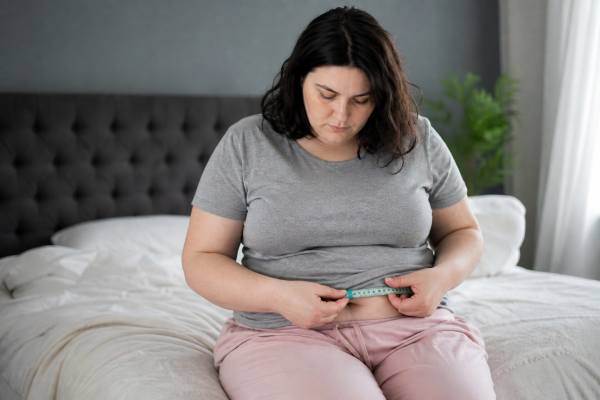
Unexplained weight gain can be frustrating, especially when your eating pattern, movement, and daily routine have not changed much. Sometimes the scale is reflecting normal water shifts, constipation, menstrual-cycle changes, or a few higher-sodium meals. Other times, weight gain can be a clue that a medication, hormone condition, sleep problem, mood change, or fluid-retention issue needs attention.
The key is not to assume the cause too quickly. A careful pattern check can help separate fat gain from fluid retention, identify symptoms that point toward a medical cause, and guide a more productive conversation with a clinician.
Table of Contents
- When Weight Gain Needs Medical Attention
- What the Pattern Can Reveal
- Hormonal Causes of Weight Gain
- Medications That Can Affect Weight
- Fluid Retention and Organ-Related Causes
- Sleep, Stress, Mood and Pain Factors
- What to Track Before Your Appointment
- Tests and Next Steps to Discuss
When Weight Gain Needs Medical Attention
Unexplained weight gain deserves medical attention when it is rapid, persistent, paired with new symptoms, or starts soon after a medication change. A few pounds over a weekend is often fluid, food volume, or digestion; a steady upward trend over weeks or a sudden jump with swelling needs a closer look.
Seek urgent care promptly if weight gain comes with shortness of breath, chest pain, fainting, severe weakness, confusion, new severe headache, vision changes, or swelling in one leg. Also get urgent advice for rapid swelling of the face, lips, or throat; severe abdominal swelling; or a sudden weight increase with reduced urination. These patterns can point to fluid overload, kidney or heart strain, a blood clot, a severe medication reaction, or another condition that should not wait.
A non-urgent but timely appointment is sensible if you notice:
- Weight gain that continues for more than a few weeks despite stable habits
- New fatigue, cold intolerance, constipation, dry skin, or hair thinning
- Irregular periods, acne, increased facial hair, infertility concerns, or new pelvic symptoms
- Easy bruising, purple stretch marks, muscle weakness, or a rounded face
- New ankle swelling, waking up breathless, or needing extra pillows to sleep
- A strong increase in hunger, cravings, or night eating
- Weight gain after starting steroids, insulin, antidepressants, antipsychotics, mood stabilizers, beta blockers, gabapentin, pregabalin, or other long-term medicines
It is also worth getting evaluated if you are gaining weight while genuinely trying to lose it. This does not mean your body is “broken,” but it may mean the usual advice is missing something important. A clinician can review medications, symptoms, lab work, and weight history more effectively than repeated trial-and-error dieting. For a broader guide to timing medical care, see when to see a doctor for weight gain.
Try not to respond to unexplained gain with an extreme diet, fasting plan, diuretic supplement, laxative, or abrupt medication stop. Those choices can make the situation harder to interpret and, in some cases, more dangerous. The safer first step is to identify whether the weight is likely fat mass, water retention, medication-related change, hormonal change, or a mix.
What the Pattern Can Reveal
The timeline and location of weight gain often provide the first useful clue. A sudden increase over days is more likely fluid, constipation, inflammation, medication-related water retention, or menstrual-cycle change; gradual gain over months is more often related to appetite, activity, sleep, hormones, medications, or body composition.
Use the scale trend as information, not a verdict. Body weight can move because of glycogen, sodium, gut contents, menstrual-cycle fluid shifts, alcohol, travel, hard workouts, poor sleep, or heat. These changes may feel dramatic, but they do not always mean body fat has increased.
| Pattern | Possible explanation | What to notice next |
|---|---|---|
| Several pounds in a few days | Fluid retention, constipation, high sodium intake, menstrual-cycle changes, medication effect | Swelling, urination changes, shortness of breath, recent medication changes |
| Slow gain over months | Small calorie surplus, lower activity, medication-related appetite increase, sleep disruption, hormonal changes | Hunger, cravings, fatigue, step count, sleep quality, mood, new routine changes |
| Mainly abdominal gain | Visceral fat gain, insulin resistance, menopause-related body composition shifts, cortisol-related disorders in select cases | Waist change, blood sugar markers, blood pressure, periods, strength changes |
| Swollen ankles, puffy hands, or tight rings | Fluid retention, medication effect, kidney, heart, liver, or thyroid-related issues | Shortness of breath, foamy urine, reduced urination, abdominal swelling |
| Gain after a new medication | Appetite increase, fluid retention, lower energy expenditure, fatigue, metabolic changes | Start date, dose changes, appetite, sleepiness, swelling, blood sugar changes |
A waist measurement can help clarify what the scale cannot. If weight is up but waist, clothing fit, and photos are stable, the change may be mostly water, digestion, or muscle gain. If waist size is rising steadily along with weight, fat gain or abdominal fluid should be considered. For more on distinguishing these patterns, see water retention vs fat gain.
Also think about what changed before the gain began. Many people focus only on food, but medical clues often come from routine shifts: a new prescription, worse sleep, a flare of chronic pain, less walking after an injury, more alcohol, increased stress, perimenopause symptoms, a change in work schedule, or recovery from illness.
The most useful question is not “Am I doing something wrong?” It is “What changed in my body, medication list, environment, or routine around the time this started?”
Hormonal Causes of Weight Gain
Hormonal conditions can contribute to weight gain, but they usually do so through specific patterns such as fatigue, fluid retention, appetite changes, menstrual irregularity, insulin resistance, altered fat distribution, or reduced muscle mass. Hormones matter, but they rarely make weight change completely disconnected from energy balance.
Hypothyroidism is one of the most common endocrine conditions checked when weight gain is unexplained. It can slow metabolism modestly and cause fluid retention, constipation, fatigue, cold intolerance, dry skin, low mood, heavier periods, and hair changes. Weight gain from untreated hypothyroidism is often not massive by itself, but it can make healthy routines feel much harder. If symptoms fit, a clinician may check TSH and free T4, and sometimes thyroid antibodies. A more focused discussion is available in getting your thyroid checked for weight gain.
PCOS, or polycystic ovary syndrome, can make weight management harder through insulin resistance, higher androgen levels, irregular ovulation, and appetite changes. It may show up as irregular periods, acne, excess facial or body hair, scalp hair thinning, fertility concerns, or weight gain around the abdomen. Not everyone with PCOS has weight gain, and not everyone with irregular periods has PCOS, so diagnosis should be based on a proper clinical assessment rather than symptoms alone. For a deeper look at this pattern, see PCOS-related weight gain.
Insulin resistance and prediabetes can increase hunger, cravings, and abdominal fat gain in some people. They are also closely tied to sleep quality, activity level, genetics, medications, and overall body fat distribution. Signs may include increased waist size, high triglycerides, low HDL cholesterol, elevated blood pressure, skin tags, dark velvety skin patches, fatigue after high-carbohydrate meals, or a history of gestational diabetes. Practical first steps are covered in insulin resistance and weight loss.
Cushing syndrome is uncommon, but important not to miss. It happens when the body is exposed to too much cortisol for too long, either from steroid medications or from internal overproduction. Clues include rapid central weight gain, a rounded face, fat pad at the upper back, wide purple stretch marks, easy bruising, thin skin, slow wound healing, high blood pressure, high blood sugar, mood changes, and weakness in the thighs or shoulders. Because ordinary stress and common weight gain do not equal Cushing syndrome, testing is usually reserved for people with suggestive features. Learn more about warning signs in Cushing syndrome and weight gain.
Menopause and perimenopause can shift body composition even when weight changes are modest. Declining estrogen, sleep disruption, hot flashes, mood changes, reduced muscle mass, and changes in activity can make abdominal weight gain more likely. This is not simply a matter of willpower. Strength training, protein, sleep support, and a realistic calorie target often matter more than aggressive restriction.
Low testosterone in men may be associated with increased fat mass, reduced muscle, low libido, erectile dysfunction, low mood, fatigue, and reduced training capacity. Obesity itself can lower testosterone, so the relationship can go both ways. Testing should be based on symptoms and done correctly, usually with morning measurements and repeat confirmation when needed.
High prolactin, pituitary disorders, and some adrenal or ovarian conditions can also affect weight indirectly through reproductive hormones, appetite, fatigue, or body composition. These are less common, but they become more relevant when weight gain occurs with menstrual changes, infertility, breast milk production when not breastfeeding, headaches, vision changes, or sexual function changes.
Medications That Can Affect Weight
Medication-related weight gain is common enough that every unexplained weight-gain evaluation should include a medication review. The cause may be increased appetite, fluid retention, fatigue, lower activity, insulin changes, altered metabolism, or a combination.
Do not stop a prescribed medication suddenly because of weight gain. Some medications require tapering, and stopping them can cause withdrawal, relapse, dangerous blood pressure changes, blood sugar problems, seizures, or worsening of the condition they were treating. The better approach is to document the timing and ask whether alternatives, dose changes, monitoring, or protective strategies are appropriate.
Medication groups that can contribute to weight gain include:
- Glucocorticoids such as prednisone, especially with repeated courses or long-term use. They can increase appetite, raise blood sugar, cause fluid retention, and change fat distribution.
- Insulin, sulfonylureas, and thiazolidinediones used for diabetes. These can promote weight gain through improved glucose storage, lower glucose loss in urine, fluid retention, or hypoglycemia-driven eating.
- Antipsychotics, especially some second-generation options. Weight and metabolic effects vary by drug and dose.
- Mood stabilizers such as lithium or valproate in some people.
- Some antidepressants, with risk varying by medication, dose, duration, and individual biology.
- Beta blockers, which may affect exercise tolerance, fatigue, or metabolic rate in some patients.
- Gabapentin and pregabalin, which can increase appetite, cause swelling, or reduce activity due to sedation.
- Some antihistamines, especially when used frequently and associated with increased appetite or drowsiness.
- Hormonal therapies, including some contraceptives, progestins, fertility treatments, and anti-androgen or cancer-related hormone treatments.
The timing matters. Weight gain that begins within weeks of a new medication or dose increase is especially worth discussing. Bring the start date, dose, and weight trend to your appointment. If the medication is essential, your clinician may still have options: changing the dose, switching within the same class, adding nutrition support, monitoring glucose and lipids, or choosing a weight-neutral alternative when medically appropriate. A focused medication review can also help you discuss common medications that cause weight gain without guessing.
For steroid-related gain, it is particularly important to distinguish fat gain from water retention and fat redistribution. Someone may notice a fuller face, tighter waistband, increased hunger, higher blood sugar, or swelling. The solution depends on why the steroid is needed, how long it will be used, and whether the condition being treated is controlled.
For psychiatric medications, the goal is not to choose weight over mental health. Untreated depression, bipolar disorder, psychosis, anxiety, or insomnia can also disrupt appetite, sleep, movement, and self-care. The best plan protects both metabolic health and mental health. If weight changed after a prescription, use that information as a reason for a medication conversation, not self-blame.
Fluid Retention and Organ-Related Causes
Rapid weight gain is often fluid until proven otherwise, especially when it happens over days and comes with swelling. Fluid-related gain can come from medications, high sodium intake, hormonal shifts, kidney problems, heart failure, liver disease, thyroid disease, venous problems, or inflammation.
Fluid retention may show up as:
- Puffy ankles, feet, hands, or eyelids
- Rings, shoes, or socks feeling tight
- Indentations left by socks or pressing a finger into the shin
- Abdominal swelling or a sense of fullness
- Shortness of breath, especially lying flat or during usual activities
- Needing more pillows at night
- Reduced urination or foamy urine
- Sudden weight increases over a few days
Not all swelling is dangerous, but some patterns should be assessed quickly. Swelling with shortness of breath, chest discomfort, fainting, confusion, one-sided leg swelling, calf pain, or reduced urination should not be treated as ordinary weight gain.
Kidney-related fluid retention may come with high blood pressure, changes in urination, foamy urine, or swelling around the eyes and ankles. Heart-related fluid retention may cause breathlessness, fatigue, swelling, rapid weight gain, and difficulty lying flat. Liver-related fluid retention may cause abdominal swelling, leg swelling, easy bruising, yellowing of the skin or eyes, or severe fatigue.
Thyroid disease can also cause puffiness and fluid shifts. In hypothyroidism, fluid can accumulate in tissues in a way that may make the face, hands, or legs look puffy. This is one reason a scale increase from hypothyroidism is not always pure fat.
Constipation is another common and less alarming reason for scale increases. It can add weight through retained stool and bloating, and it may be worsened by hypothyroidism, low fiber intake, dehydration, iron supplements, opioid pain medicines, some antidepressants, calcium supplements, and reduced activity.
Pregnancy should also be considered when relevant, even if weight gain seems like the main symptom. Missed or changed periods, breast tenderness, nausea, fatigue, or contraception failure should prompt a pregnancy test before starting weight-loss efforts, medication changes, or supplements.
Sleep, Stress, Mood and Pain Factors
Sleep, stress, mood, and pain can drive real weight gain without looking like a “medical condition” at first. They affect hunger, cravings, energy, daily movement, food timing, alcohol use, medication needs, and the ability to plan meals consistently.
Poor sleep can increase appetite and make higher-calorie foods more appealing. It can also reduce impulse control, lower workout intensity, and make daily movement drop without you noticing. Sleep apnea is especially important because it can cause non-restorative sleep even when you spend enough hours in bed. Clues include loud snoring, witnessed pauses in breathing, morning headaches, dry mouth, daytime sleepiness, high blood pressure, and waking up gasping. Weight gain can worsen sleep apnea, and untreated sleep apnea can make weight management harder. A practical next step is learning about sleep apnea signs and testing.
Chronic stress does not automatically cause fat gain, but it can create conditions that make weight gain more likely. Stress may increase evening snacking, alcohol intake, skipped meals followed by overeating, cravings for calorie-dense foods, and sleep disruption. It may also reduce spontaneous movement, sometimes called NEAT, because tired or stressed people tend to sit more and move less.
Depression can affect weight in either direction. Some people lose appetite; others experience increased appetite, more sleep, less activity, more cravings, or difficulty preparing food. Weight gain may also relate to antidepressant treatment, but the underlying mood disorder can be part of the pattern too. This is why it is useful to track both symptoms and medication timing.
Chronic pain and inflammatory conditions can contribute through reduced movement, poor sleep, steroid use, emotional strain, and flares that change appetite or activity. After an injury, surgery, or autoimmune flare, people may gain weight even if meals seem similar because daily movement has dropped sharply. The decrease may come from fewer steps, less standing, less fidgeting, or less exercise intensity.
None of this means the gain is imaginary or “just stress.” These factors change behavior and biology in ways that are measurable and treatable. Addressing sleep apnea, pain control, depression, or stress eating may be the missing piece that makes nutrition and exercise efforts work again.
What to Track Before Your Appointment
A short, organized record can make your appointment much more useful. The goal is not to prove that you are doing everything perfectly; it is to give your clinician enough detail to spot patterns.
Track the following for two to four weeks if the situation is not urgent:
- Weight trend: Weigh at the same time of day, ideally in the morning after using the bathroom. Look at the trend rather than one reading.
- Waist measurement: Measure at the same location once weekly.
- Swelling signs: Note ankles, hands, face, tight rings, sock marks, or abdominal bloating.
- Medication timeline: List all prescriptions, over-the-counter medicines, supplements, injections, dose changes, and steroid courses.
- Symptoms: Include fatigue, cold intolerance, constipation, menstrual changes, acne, hair changes, bruising, weakness, hunger, thirst, urination changes, shortness of breath, snoring, mood changes, and pain flares.
- Sleep: Track bedtime, wake time, awakenings, snoring, daytime sleepiness, and shift-work changes.
- Food and alcohol pattern: A detailed calorie log is not always necessary, but note meal timing, appetite, cravings, restaurant meals, alcohol, sweet drinks, and late-night eating.
- Movement: Track steps, workouts, injury limitations, sitting time, and changes in daily routine.
If you already track calories or macros, bring the data, but do not rely on it alone. Tracking can miss bites, cooking oils, drinks, portion creep, and weekends, but it can also show that weight gain is unlikely to be explained by intake alone. If you are unsure whether the issue is medical, behavioral, or both, a structured checklist like blood tests to ask about when weight loss is difficult can help you prepare.
Also write down what you want from the appointment. Useful questions include:
- Could any of my medications be contributing?
- Does this pattern look like fluid retention or fat gain?
- Should we check thyroid function, blood sugar, kidney function, liver markers, or reproductive hormones?
- Are any symptoms concerning for Cushing syndrome, PCOS, sleep apnea, depression, or another condition?
- Would changing a medication be safe, or is monitoring a better first step?
- Should I see an endocrinologist, cardiologist, nephrologist, sleep specialist, dietitian, or obesity-medicine clinician?
Bring photos if visible swelling, facial rounding, bruising, or rashes come and go. Bring home blood pressure readings if you have them. Small details often matter.
Tests and Next Steps to Discuss
Testing should be guided by symptoms, exam findings, medications, age, pregnancy possibility, and risk factors. A broad “check every hormone” panel is rarely the best first move, but targeted testing can be very helpful.
A clinician may consider:
- Pregnancy test when relevant
- TSH and free T4 for thyroid function
- A1C, fasting glucose, or other diabetes-related testing
- Lipid panel and blood pressure assessment for metabolic risk
- Comprehensive metabolic panel to review kidney and liver markers
- Urinalysis or urine protein testing if kidney issues or swelling are suspected
- Complete blood count if fatigue, inflammation, anemia, or chronic disease is possible
- Morning cortisol-related testing or dexamethasone suppression testing only when Cushing features are present
- Total and free testosterone, SHBG, LH, FSH, prolactin, or androgen testing when symptoms suggest reproductive hormone issues
- Sleep study if symptoms suggest obstructive sleep apnea
The next step depends on what is found. If a medication is the likely contributor, the plan might be monitoring, switching to a different option, changing timing, adjusting dose, or adding nutrition and activity strategies to limit gain. If hypothyroidism is confirmed, thyroid hormone treatment may improve symptoms and modestly affect weight, but it is not a weight-loss drug when thyroid function is normal. If PCOS or insulin resistance is involved, treatment may include nutrition changes, resistance training, sleep support, cycle management, and sometimes medication.
If fluid retention is suspected, treatment should focus on the underlying cause rather than over-the-counter “water pills.” Diuretics can be appropriate for some medical conditions, but using them without evaluation can affect electrolytes, kidneys, and blood pressure.
If no medical condition is found, that does not mean the weight gain is your fault or that nothing can be done. It may mean the most useful focus is sleep, pain, stress, appetite regulation, food environment, strength training, protein, fiber, alcohol, daily movement, or a more realistic calorie target. If you are unsure how to raise the topic, talking to your doctor about medication-related weight gain can help you frame the conversation clearly.
The most productive approach is usually both medical and practical: rule out important causes, treat what is treatable, protect your health, and avoid extreme plans that make weight regain more likely.
References
- European Society of Endocrinology Clinical Practice Guideline: Endocrine work-up in obesity 2020 (Guideline)
- Recommendations From the 2023 International Evidence-based Guideline for the Assessment and Management of Polycystic Ovary Syndrome 2023 (Guideline)
- Pharmacotherapy causing weight gain and metabolic alteration in those with obesity and obesity-related conditions: A review 2024 (Review)
- Consensus on diagnosis and management of Cushing’s disease: a guideline update 2021 (Guideline)
- Obesity in adults: a clinical practice guideline 2020 (Guideline)
- Antidepressants and Weight Gain: An Update on the Evidence and Clinical Implications 2025 (Review)
Disclaimer
This article is for general educational purposes only and is not a substitute for professional medical advice, diagnosis, or treatment. Unexplained or rapid weight gain, swelling, breathing symptoms, medication concerns, or signs of hormone imbalance should be discussed with a qualified healthcare professional.
Share this article on Facebook, X, or your preferred platform to help others recognize when unexplained weight gain may need a medical look.