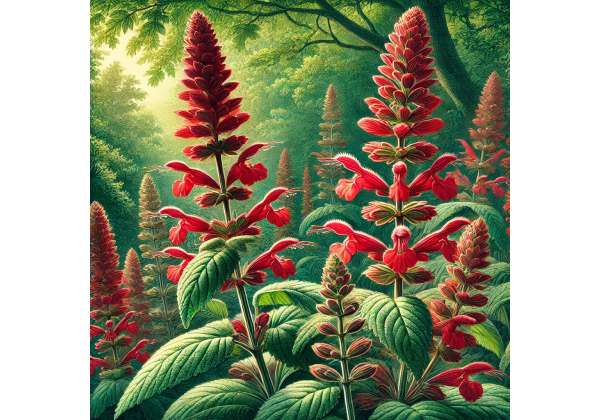
Illustrious sage, better known in many gardens as scarlet sage or red salvia, is a striking flowering member of the mint family with a far less familiar medicinal profile than culinary sage. In traditional practice, different parts of Salvia splendens have been used for mouth and throat irritation, minor wounds, cough-related complaints, and metabolic support. Modern research adds an interesting but still early layer: the plant contains phenolic acids, flavonoids, anthocyanins, and diterpenoids that show antioxidant, anti-inflammatory, antimicrobial, and glucose-lowering potential in laboratory and animal studies. That makes it scientifically intriguing, but not yet clinically established.
The most useful way to understand illustrious sage is with balance. It is not a well-standardized herbal medicine with proven human dosing. It is an ornamental plant with promising bioactive chemistry, a meaningful record of folk use, and important safety questions that still need clearer answers. For readers who want a grounded view rather than hype, the real story lies in where traditional use, experimental evidence, and practical caution meet.
Essential Insights
- Illustrious sage shows promising antioxidant and anti-inflammatory activity in laboratory research.
- Traditional use includes support for mouth irritation, minor wounds, and some upper-respiratory complaints.
- Experimental oral extract doses in animal studies have often ranged from 100 to 200 mg/kg, but no validated human medicinal dose exists.
- People who use blood thinners or have bleeding disorders should avoid self-medicating with illustrious sage.
- Pregnancy, breastfeeding, and use in children call for extra caution because human safety data are lacking.
Table of Contents
- What is illustrious sage
- Key compounds and actions
- Does illustrious sage help
- How it is traditionally used
- Is there a standard dose
- Safety and who should avoid it
- What the evidence shows
What is illustrious sage
Illustrious sage is the ornamental herb Salvia splendens, a species native to Brazil and widely grown around the world for its vivid flower spikes. In landscaping, it is valued for color, pollinator appeal, and long blooming performance. In herbal writing, however, it sits in a much less certain place. Unlike Salvia officinalis, the classic kitchen sage with a long documented medicinal record and standardized preparations, Salvia splendens is a more experimental medicinal plant. That difference matters.
Botanically, it belongs to the Lamiaceae family, the same large family that includes mint, rosemary, basil, thyme, and many other aromatic herbs. Its square stems, opposite leaves, and fragrant foliage place it clearly within that group. Yet its modern identity is mostly ornamental. That creates an unusual tension for people researching its health uses: the plant has folk-medicine history and growing scientific interest, but it is also commonly sold as a bedding flower rather than a carefully standardized medicinal herb.
Traditional records from different regions suggest that the leaves, roots, seeds, and aerial parts have all been used in some way. Reports describe applications for coughs, colds, itchy skin, wounds, dysentery, diabetes-related concerns, and mouth problems. A more recent ethnobotanical survey from India recorded direct leaf use for mouth ulcers. These records are useful because they show how communities actually worked with the plant. Still, ethnobotanical use is not the same as modern proof.
A practical point often missed in online herb summaries is that ornamental and medicinal contexts are not interchangeable. A plant grown for display in a nursery may be treated with fertilizers, pesticides, or fungicides not intended for ingestion. That means a garden-center specimen should never be assumed to be suitable for tea, tincture, juice, or poultice. For a herb like illustrious sage, this may be the single most important real-world caution.
So what is it, in medicinal terms? It is best described as a promising traditional-use plant with notable phytochemistry, interesting early pharmacology, and a much weaker evidence base than people often assume when they see the word “sage.” That honest framing helps keep the rest of the discussion clear. It is worth studying, possibly useful, but not yet a mainstream evidence-based herbal medicine.
Key compounds and actions
The medicinal interest in illustrious sage comes from its chemistry. Studies on Salvia splendens leaves and aerial parts describe a mix of phenolic acids, flavonoids, anthocyanins, and diterpenoids, along with other plant metabolites that may contribute to biological activity. This profile helps explain why the herb keeps appearing in antioxidant, anti-inflammatory, antimicrobial, and metabolic research.
Among the more relevant constituents are phenolic acids such as caffeic acid, ferulic acid, sinapic acid, and p-coumaric acid. These are compounds often associated with antioxidant behavior and cellular protection in plants. Rosmarinic acid, a well-known compound across the mint family, is also closely tied to the broader Salvia genus, and it helps place S. splendens in the same chemical neighborhood as herbs known for strong phenolic activity, including rosemary’s antioxidant compounds.
Flavonoids are another major category. A 2012 study on Salvia splendens leaves identified multiple phenolic metabolites, including a new flavone triglycoside, and linked the extract to antioxidant, anti-inflammatory, and hypoglycemic effects in experimental models. Anthocyanins may also matter, especially in varieties with richly colored floral tissues, because these pigments often contribute antioxidant capacity and may partly explain why the plant attracts biochemical interest beyond its ornamental value.
The diterpenoid side of the plant is scientifically interesting too. Researchers have isolated clerodane diterpenoids from Salvia splendens, including compounds given names such as salvisplendins. These are not ingredients that consumers measure at home, but they matter because they show the plant is chemically more complex than a simple bedding flower. They also reinforce a bigger point: the species contains bioactive structures that deserve serious pharmacological screening.
In practical terms, the likely medicinal actions suggested by current data include:
- Antioxidant activity, mainly from polyphenols and related compounds.
- Anti-inflammatory effects, seen in cell and animal models.
- Antimicrobial potential, especially against selected bacteria in extract testing.
- Antihyperglycemic activity, reported in diabetic rat models.
- Possible neuroprotective effects, still early and mostly preclinical.
That does not mean every tea, capsule, or homemade extract will deliver those benefits in a meaningful way. Plant chemistry varies by cultivar, growing conditions, extraction method, plant part, and processing. This is especially important with ornamental species, where medicinal standardization is rarely the primary breeding goal.
The key takeaway is that illustrious sage has a serious phytochemical profile, not just a decorative one. But chemistry is only the beginning. A plant can contain promising molecules and still lack dependable human outcomes. That gap between compound-level interest and clinically useful medicine is one of the central themes of this herb.
Does illustrious sage help
Illustrious sage may help in some contexts, but the honest answer is “possibly, and mostly based on early evidence.”
The strongest case for usefulness comes from three overlapping areas: traditional use, preclinical pharmacology, and local or topical support. Traditional records describe the plant being used for coughs, colds, wounds, itching, digestive complaints, and blood sugar concerns. Experimental studies then add some biological plausibility by showing antioxidant, anti-inflammatory, antihyperglycemic, and antimicrobial activity in extracts.
For metabolic support, the most frequently cited experimental benefit is glucose control. In diabetic rat models, aqueous and methanolic extracts of the aerial parts lowered blood glucose, suggesting that the plant may influence carbohydrate metabolism or oxidative stress linked to diabetes. That makes it scientifically interesting, but it does not mean it should be used as a substitute for diabetes treatment. The leap from animal model to human care is still too large.
For inflammation, the picture is also promising but preliminary. Extracts have reduced swelling in standard animal inflammation models, and phenolic-rich fractions have shown meaningful antioxidant action in vitro. This matters because oxidative stress and inflammation often travel together. It suggests the plant may have broad supportive effects in tissues under chemical stress, but again, that is not the same as proven symptom relief in people.
Traditional wound and mouth applications are easier to understand in practical terms. Folk use of leaves for mouth ulcers and external use for minor skin issues suggest the plant may have some local soothing or antimicrobial value. That is believable given the chemistry, and it may be the most realistic area for cautious future product development. In that sense, its profile is closer to supportive herbs used around the mouth or skin rather than to a high-certainty internal medicine.
Respiratory use is another traditional theme, but the evidence is thinner than many herbal summaries imply. People sometimes group red salvias with other throat or airway herbs, yet illustrious sage is not nearly as established for that role as licorice root for throat support or other classic respiratory botanicals. If it does help, it is likely through modest anti-inflammatory or antimicrobial support rather than through a clearly demonstrated human effect.
So does it help? The realistic answer is this:
- it may offer experimental antioxidant and anti-inflammatory support,
- it may show metabolic and antimicrobial potential,
- it has credible traditional uses worth noting,
- but it has little direct human evidence.
That balance matters. People often search herbs hoping for certainty. Illustrious sage offers interest, not certainty. It is a plant with signals worth respecting, but also with limits that should be stated plainly.
How it is traditionally used
Traditional use of illustrious sage varies by region, plant part, and purpose. That variety is both informative and a little messy, which is common in lesser-studied herbs. The leaves are the most frequently mentioned part in modern summaries, but roots, seeds, and aerial portions also appear in the literature.
Oral use in folk practice has included decoctions, simple extracts, and direct leaf use. In one recent ethnobotanical record, leaves were taken directly for mouth ulcers. Other traditional reports describe the plant in preparations used for coughs, colds, dysentery, and metabolic complaints. This suggests that people valued it as a practical household plant rather than as a single-purpose herb.
Topical use is especially plausible. Leaves have been described as being applied to wounds or itchy skin, and this makes pharmacological sense because topical remedies do not depend on digestion, absorption, and liver metabolism in the same way oral remedies do. If a plant has antimicrobial and anti-inflammatory properties in vitro, external use is often the first place those qualities become practically relevant.
In modern herbal thinking, there are several possible use forms:
- Infusion or decoction
This is the most obvious traditional-style internal preparation, though it is not well standardized for S. splendens. - Topical wash or compress
A diluted preparation might be considered for minor external use, though product purity matters greatly. - Standardized extract
This is the format most relevant to research, but consumer products are limited and not consistently regulated. - Experimental topical formulations
These are more common in research discussions than in routine consumer use.
One of the most useful practical distinctions is between “traditional use” and “smart current use.” Traditional use can tell us what people tried and sometimes valued. Smart current use adds quality control, contamination awareness, interaction screening, and a realistic sense of evidence. For illustrious sage, that shift is essential.
Because this species is widely grown as an ornamental, sourcing matters even more than usual. A self-harvested plant from a decorative bed is not automatically appropriate for medicinal use. If someone is exploring the plant for research-informed self-care, a properly identified and clean plant source would be the minimum starting point. Even then, the lack of standardized human data should keep expectations modest.
If a person mainly wants a gentle tea for digestion or airway comfort, there are more established herbs with clearer traditional and modern use records, including peppermint for digestive and respiratory support. Illustrious sage is better viewed as a developing herbal subject than as a first-line home remedy. Its traditional uses are worth knowing, but they do not erase the need for caution.
Is there a standard dose
No validated human medicinal dose has been established for illustrious sage.
That is the most important dosage fact, and it should come before any numbers. Unlike well-studied herbs that appear in pharmacopoeias or formal herbal monographs, Salvia splendens does not have a widely accepted adult dose for tea, tincture, capsule, or extract based on human clinical trials. As a result, any precise-sounding “recommended daily amount” you see online should be treated with caution unless it comes from a clearly defined commercial product with manufacturer guidance.
What do we have instead? Mostly experimental dosing.
In animal research, oral extracts have often been studied in the 100 to 200 mg/kg range. Those doses are useful for scientists because they help compare effects in controlled disease models, especially diabetes-related studies. They are not a safe do-it-yourself conversion formula for people. Human-equivalent dosing depends on body-surface scaling, extract strength, plant part, and preparation method. Even when scientists translate animal doses mathematically, that does not create a clinical recommendation.
Traditional use adds another kind of dosage information, but it is less precise. Ethnobotanical records sometimes note direct leaf use, simple decoctions, or folk preparations taken once or twice daily until symptoms improve. That can tell us how communities used the plant, but not whether that use was standardized, safe across populations, or suitable for modern self-treatment.
A practical framework for dosage decisions looks like this:
- Fresh ornamental plant: not appropriate for self-dosing.
- Homemade medicinal use: not ideal because plant chemistry and purity vary.
- Commercial extract: only use if the product identifies the species clearly and provides instructions.
- Medical conditions or medication use: avoid self-prescribing and seek professional guidance.
For topical use, there is also no universally accepted consumer dose. Experimental formulas have explored plant extracts in ointment or concentrated forms, but these remain research territory rather than mainstream clinical guidance.
The safest reader-centered conclusion is simple: do not treat illustrious sage like a plug-and-play daily supplement. If you encounter a reputable, clearly labeled preparation made specifically from Salvia splendens, follow the product label rather than folklore, and avoid improvising if you have diabetes, bleeding risk, or complex health needs. In this case, restraint is not a limitation. It is good herbal practice. A plant with real pharmacological potential deserves careful handling, not enthusiastic guesswork.
Safety and who should avoid it
Safety is where illustrious sage needs the most respect. The plant may have useful bioactivity, but bioactivity always raises the possibility of side effects, interactions, and misuse.
The clearest experimental safety concern is its potential effect on blood clotting. Older toxicological work found anticoagulant activity in aqueous root extract and reported that high doses were associated with hemorrhagic toxicity. Even though this evidence is old and not based on modern human trials, it is strong enough to shape practical advice. Anyone taking anticoagulants or antiplatelet drugs, anyone with a bleeding disorder, and anyone preparing for surgery should avoid self-medicating with illustrious sage.
A second caution comes from its glucose-lowering signal in animal studies. This is part of what makes the plant interesting, but it also means it could theoretically add to the effects of diabetes medications or insulin. For people with diabetes, that combination could increase the risk of unintended low blood sugar if used casually.
Other groups who should use extra caution include:
- pregnant or breastfeeding people, because reliable human safety data are lacking,
- children, because dosing and toxicity margins are not established,
- people with multiple medications, because interaction data are incomplete,
- anyone with herb allergies, especially within aromatic plant families.
Topical use is not automatically risk-free either. A plant extract can irritate the skin, cause allergy, or carry contaminants if the source material is poor. Patch testing is sensible for any experimental topical preparation.
One important modern safety issue has nothing to do with plant chemistry and everything to do with sourcing. Because Salvia splendens is commonly sold as an ornamental, many available plants may have been grown with inputs not intended for internal use. This includes pest-control treatments, growth regulators, and fungicides. A nursery plant may be healthy enough for a flower bed while still being a poor choice for a homemade medicinal preparation.
Possible side effects are not well mapped in humans, but based on the literature and the plant’s pharmacology, sensible watch-outs include:
- stomach upset,
- allergic reactions,
- dizziness or weakness if blood sugar drops,
- bruising or bleeding risk in susceptible people.
The absence of extensive human reports should not be mistaken for proof of safety. It mostly reflects under-study. That is why the best safety message for illustrious sage is cautious optimism with strict boundaries. It is a plant worth researching, not one to use casually because it happens to be growing near the front walk.
What the evidence shows
The evidence for illustrious sage is real, but it is mostly preclinical.
That single sentence captures the entire research landscape. The plant has enough published work to justify scientific interest, yet not enough high-quality human data to support confident medicinal recommendations. Most of the evidence comes from ethnobotanical surveys, phytochemical analyses, cell studies, and animal experiments.
This matters because those layers of evidence answer different questions. Ethnobotany tells us how communities used the plant. Phytochemistry shows what is in it. In vitro work suggests what those compounds might do in controlled laboratory conditions. Animal studies show what might happen in living systems under specific experimental designs. Human clinical research, which is what most readers actually need for dosing and outcome confidence, remains sparse.
The best-supported experimental themes are:
- polyphenol-rich antioxidant activity,
- anti-inflammatory effects in laboratory models,
- glucose-lowering effects in diabetic rats,
- selective antimicrobial activity of extracts,
- emerging neuroprotective interest.
These findings are not trivial. They suggest that Salvia splendens is more than a decorative flower. At the same time, none of them establish it as a proven treatment for diabetes, infection, inflammation, cognitive decline, or oral disease in humans. That gap should shape how every benefit claim is read.
There is also a quality issue in the literature. Some of the species-specific work is older, and not all of it comes from the strongest journals or most rigorous clinical frameworks. That does not make the findings useless, but it does mean they should be interpreted conservatively. Illustrious sage is a good example of a plant where the signal is interesting but the certainty is still modest.
For readers trying to decide whether the herb is “worth it,” the answer depends on what they want. As a research subject, absolutely. As a source of promising phytochemicals, yes. As a standard self-care herb with established human dosing and predictable outcomes, not yet.
That conclusion may sound less exciting than broad wellness marketing, but it is more useful. A trustworthy herb profile should not force a plant to be more proven than it is. Illustrious sage earns its place through potential, chemical richness, and traditional relevance. It does not earn, at least not yet, the status of a well-established medicinal staple.
References
- Quantitative Ethnobotany of Medicinal Plants from Darjeeling District of West Bengal, India, along with Phytochemistry and Toxicity Study of Betula alnoides Buch.-Ham. ex D.Don bark 2024
- In silico and in vitro antibacterial evaluation of eight Anatolian Salvia species with chemical profiling by LC-HRMS 2025
- Polyphenolic profile and biological activity of Salvia splendens leaves 2012
- The antihyperglycemic effect of aerial parts of Salvia splendens (scarlet sage) in streptozotocin-induced diabetic-rats 2010
- Toxicity and anticoagulant activity of Salvia splendens 1989
Disclaimer
This article is for educational purposes only and does not replace medical advice, diagnosis, or treatment. Illustrious sage is not a well-standardized medicinal herb, and human dosing, safety, and interaction data remain limited. Do not use it to self-treat diabetes, bleeding disorders, infections, or chronic symptoms. Seek medical guidance before using any herbal product if you are pregnant, breastfeeding, taking prescription medicines, preparing for surgery, or managing a long-term health condition.
Please share this article on Facebook, X, or your preferred platform if you found it useful.