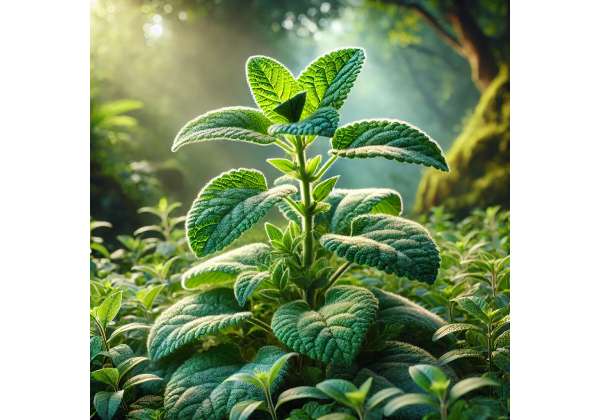
Indian Borage (Plectranthus amboinicus), often called Cuban oregano, Mexican mint, or country borage, is a fragrant medicinal herb widely used in traditional medicine across India, Southeast Asia, Africa, and the Caribbean. Despite its name, it is not closely related to true oregano but belongs to the mint family, which explains its strong aroma and flavorful leaves. The plant is valued both as a culinary herb and as a household remedy for coughs, digestive discomfort, and minor infections.
Traditional herbal systems have long used Indian Borage leaves in teas, syrups, and topical preparations. Its therapeutic reputation comes from a mixture of volatile oils, flavonoids, and phenolic compounds that appear to support antimicrobial, anti-inflammatory, and antioxidant activity. These compounds may help soothe respiratory irritation, calm mild digestive issues, and support skin health.
Today, Indian Borage remains popular as a simple, accessible herbal remedy grown in gardens and kitchens. While many of its traditional uses are supported by laboratory studies, human clinical research is still developing. Understanding how to use it properly, along with appropriate dosage and safety considerations, helps ensure the herb is both effective and responsibly used.
Key Insights
- Indian Borage leaves are traditionally used to support cough relief and digestive comfort.
- The herb contains antimicrobial and anti-inflammatory compounds that may benefit respiratory and skin health.
- A typical herbal infusion uses about 1 to 2 fresh leaves (approximately 1 to 2 grams) per cup of hot water.
- Avoid medicinal use during pregnancy or if you have severe allergies to aromatic herbs in the mint family.
Table of Contents
- What is Indian Borage
- Active compounds and properties
- Health benefits of Indian Borage
- How to use Indian Borage
- How much Indian Borage per day
- Side effects and safety
- Research and scientific evidence
What is Indian Borage
Indian Borage (Plectranthus amboinicus) is a succulent, aromatic herb in the Lamiaceae family, the same botanical family that includes mint, basil, rosemary, and sage. Native to parts of Africa and Asia but now cultivated widely in tropical and subtropical regions, the plant thrives in warm climates and is commonly grown in household gardens.
The plant is easy to recognize. It produces thick, fuzzy leaves with a soft texture and a strong oregano-like fragrance. These leaves are the main medicinal and culinary parts of the plant. When crushed, they release essential oils with a distinctive herbal scent and flavor that combines notes of thyme, oregano, and camphor.
Across many cultures, Indian Borage has developed a reputation as a practical “home remedy herb.” In India and Sri Lanka, the leaves are commonly used to prepare herbal teas for coughs and sore throats. Caribbean households sometimes add the leaves to soups and stews for both flavor and digestive support. In Southeast Asia, it may be used as a mild remedy for respiratory discomfort or stomach upset.
Unlike many medicinal plants that require specialized preparation, Indian Borage is typically used fresh. The leaves are easily harvested and can be infused, crushed into juices, or applied externally. This accessibility is one reason the herb remains widely used in traditional home medicine.
Indian Borage also shares some herbal similarities with other aromatic plants in the mint family. For example, its essential oils contain compounds that resemble those found in herbs such as thyme essential oil and related aromatic compounds, which are known for antimicrobial and respiratory-supporting properties.
The plant’s resilience adds to its popularity. Indian Borage grows easily in containers, tolerates moderate drought, and requires minimal care. Because of this, it often becomes a “kitchen garden herb,” valued both for cooking and simple herbal remedies.
While traditional medicine has used the herb for centuries, modern herbalists emphasize understanding its chemical composition and proper dosage. Doing so allows people to benefit from the plant responsibly while avoiding excessive or unnecessary use.
Active compounds and properties
The medicinal value of Indian Borage largely comes from its rich chemical profile. Researchers have identified a diverse range of bioactive compounds in the leaves and essential oil that may explain many of its traditional uses.
One of the most important chemical groups present in Indian Borage is volatile essential oils. These aromatic oils give the leaves their strong fragrance and contain compounds such as carvacrol, thymol, and eugenol. These substances are known for antimicrobial and anti-inflammatory activity and are common in many medicinal herbs in the mint family.
Carvacrol, in particular, is frequently studied because of its ability to inhibit the growth of bacteria and fungi. It may contribute to the herb’s traditional use for respiratory infections and digestive discomfort. Thymol has similar antimicrobial properties and may also support respiratory health by helping reduce irritation in the airways.
In addition to essential oils, Indian Borage contains several phenolic compounds and flavonoids. These molecules act as antioxidants that help neutralize free radicals in the body. Antioxidants play a role in protecting cells from oxidative stress, which is linked to inflammation, aging, and certain chronic diseases.
Researchers have also detected terpenoids, tannins, and small amounts of saponins in the plant. Each of these groups contributes to the herb’s broader pharmacological potential.
Key compound groups in Indian Borage include:
- Essential oils such as carvacrol, thymol, and eugenol
- Flavonoids that provide antioxidant protection
- Phenolic acids associated with anti-inflammatory effects
- Terpenoids that contribute to antimicrobial activity
- Tannins that may help support digestive balance
These compounds work together rather than acting individually. In herbal medicine, this concept is often described as synergy. The combination of multiple plant chemicals can produce broader and sometimes gentler effects than isolated pharmaceutical compounds.
This chemical diversity also helps explain why Indian Borage has been used for several different types of conditions. Aromatic compounds may influence respiratory comfort, while phenolic compounds may support digestion or immune responses.
Many herbs in the mint family share similar phytochemical patterns. For example, oregano and its antimicrobial compounds also contain carvacrol and thymol, which are known for their protective properties.
Understanding the chemistry of Indian Borage helps clarify why it has maintained a strong reputation in traditional medicine. However, while laboratory research highlights promising biological effects, translating those findings into standardized human treatments still requires further clinical investigation.
Health benefits of Indian Borage
Indian Borage has been used for generations as a multipurpose medicinal herb. Its benefits are often linked to its antimicrobial, anti-inflammatory, and antioxidant compounds. While many uses come from traditional medicine, modern research provides additional insight into how the herb may support health.
One of the most common traditional uses of Indian Borage is for respiratory comfort. Herbal teas made from the leaves are widely used for coughs, colds, and throat irritation. The essential oils in the plant may help soothe inflamed respiratory tissues and support easier breathing.
The herb is also known for digestive support. In traditional remedies, crushed leaves or herbal infusions are used to relieve indigestion, bloating, and mild stomach discomfort. The aromatic oils may stimulate digestive secretions and help reduce intestinal gas.
Another frequently mentioned benefit involves antimicrobial activity. Studies suggest that extracts of Indian Borage may inhibit certain bacteria and fungi. This property may explain its use for minor infections, skin irritations, and wound care in traditional medicine.
Potential health benefits often associated with Indian Borage include:
- Relief of mild cough and respiratory irritation
- Support for digestion and reduction of bloating
- Antimicrobial activity against certain bacteria and fungi
- Antioxidant protection that may support cellular health
- Mild anti-inflammatory effects that help soothe irritation
Topical uses are also common. The crushed leaves may be applied to minor skin problems such as insect bites, mild rashes, or superficial wounds. The plant’s antimicrobial and anti-inflammatory compounds may help reduce irritation and promote healing.
Another interesting area of research involves immune support. Some plant compounds appear to stimulate immune responses or help reduce inflammatory signaling. These effects could potentially support the body’s natural defense mechanisms, although more human studies are needed.
In herbal practice, Indian Borage is sometimes combined with other herbs that support respiratory and digestive health. For example, aromatic herbs like ginger for digestive and anti-inflammatory support may complement the herb’s traditional uses.
Although many benefits are promising, it is important to remember that most scientific studies have been conducted in laboratories or animal models. Human clinical evidence is still limited. As a result, Indian Borage is best viewed as a supportive herbal remedy rather than a primary treatment for serious medical conditions.
How to use Indian Borage
Indian Borage is valued not only for its medicinal properties but also for its versatility. The leaves can be used fresh, dried, or prepared in several herbal forms depending on the desired effect.
The simplest and most common method is preparing an herbal infusion. Fresh leaves are lightly crushed and steeped in hot water to release their aromatic oils. This tea is traditionally consumed to soothe coughs, colds, and digestive discomfort.
A basic preparation method looks like this:
- Wash 1 to 2 fresh leaves thoroughly.
- Crush the leaves gently to release their oils.
- Pour 250 mL of hot water over the leaves.
- Allow the mixture to steep for 5 to 10 minutes.
- Strain and drink while warm.
Another traditional method involves making a herbal juice. Fresh leaves are crushed or blended and the juice is strained. Small amounts may be mixed with honey to improve flavor and support throat comfort.
Topical use is also common. Crushed leaves may be applied directly to the skin for minor irritations, insect bites, or mild swelling. Some people mix the leaf paste with coconut oil or another carrier oil to create a soothing herbal balm.
In culinary traditions, Indian Borage is often used as a flavoring herb. The thick leaves add a savory aroma to soups, meat dishes, and vegetable preparations. Cooking the herb may reduce some volatile compounds but still provides beneficial plant nutrients.
Popular preparation forms include:
- Herbal tea or infusion
- Fresh leaf juice mixed with honey
- Topical paste or herbal oil
- Culinary herb in soups and savory dishes
- Steam inhalation using crushed leaves
Steam inhalation is another traditional remedy. Fresh leaves are added to hot water and the steam is inhaled to help clear nasal passages and ease respiratory congestion.
Indian Borage can also be combined with other aromatic herbs to enhance its effects. For example, pairing it with peppermint for respiratory and digestive comfort may create a more balanced herbal tea for colds and digestive upset.
Because the leaves are strong in flavor and aroma, smaller amounts are typically sufficient. Using moderate quantities helps maintain the herb’s beneficial effects while reducing the likelihood of irritation or digestive discomfort.
How much Indian Borage per day
Determining an appropriate dosage for Indian Borage can be challenging because standardized clinical dosing guidelines are limited. Traditional herbal practice generally relies on fresh leaves and moderate amounts rather than concentrated extracts.
For herbal teas or infusions, a typical traditional dosage involves about 1 to 2 fresh leaves per cup of hot water. This amount is usually taken once or twice daily for short-term relief of cough or digestive discomfort.
When dried leaves are used instead of fresh ones, the dosage is smaller because drying concentrates the plant material. In this case, approximately 0.5 to 1 gram of dried leaves per cup of water is commonly suggested in herbal references.
Juice preparations use even smaller quantities because the plant’s oils are highly concentrated in fresh extracts. A typical range is 5 to 10 mL of diluted leaf juice taken once daily, often mixed with honey.
General dosage guidelines commonly cited in traditional practice include:
- Fresh leaves: 1 to 2 leaves (about 1 to 2 g) per infusion
- Dried leaves: about 0.5 to 1 g per cup of tea
- Fresh leaf juice: 5 to 10 mL diluted with water or honey
- Topical paste: applied sparingly to affected skin areas
The timing of use may depend on the intended purpose. For respiratory support, herbal tea is often consumed warm in the evening or during periods of cough and throat irritation. For digestive support, tea may be taken after meals.
Duration of use also matters. Traditional herbal practice generally limits use to short-term periods, such as several days to a few weeks, rather than continuous long-term consumption.
Because Indian Borage contains potent aromatic oils, excessive use may cause irritation or digestive upset. For this reason, it is wise to begin with smaller amounts and observe how the body responds.
People who regularly use aromatic herbs sometimes compare Indian Borage with other strong herbs in the mint family. For example, sage for digestive and cognitive support is also used in moderate amounts due to its potent essential oil content.
As with many traditional herbs, dosage should remain conservative unless guided by a qualified healthcare practitioner or herbal specialist.
Side effects and safety
Indian Borage is generally considered safe when used in moderate amounts as a culinary herb or short-term traditional remedy. However, like many aromatic plants in the mint family, it contains potent essential oils that may cause side effects if used excessively.
The most common side effects are mild and usually related to overconsumption. Large amounts of the herb may cause stomach irritation, nausea, or digestive discomfort. This is particularly true when the leaves are consumed in concentrated forms such as juices or extracts.
Skin reactions are another possibility. Applying crushed leaves directly to the skin may cause irritation in individuals with sensitive skin or allergies to aromatic herbs. For this reason, patch testing is recommended before applying the herb to larger areas of the body.
Potential side effects may include:
- Mild stomach irritation or nausea
- Allergic skin reactions or redness
- Headache from strong aromatic exposure
- Mouth or throat irritation when taken in large quantities
Certain groups should be especially cautious with Indian Borage.
Pregnant individuals are often advised to avoid medicinal use because there is limited safety data regarding its effects during pregnancy. While culinary use in small amounts may be acceptable, concentrated herbal preparations should generally be avoided.
Children should also use the herb carefully. Traditional remedies sometimes include small amounts of leaf juice for cough relief in children, but modern herbalists recommend professional guidance before giving medicinal herbs to infants or young children.
People who have known allergies to mint-family herbs may also experience reactions. Plants in the Lamiaceae family often contain similar essential oil compounds, which means individuals sensitive to herbs like basil, oregano, or mint could react to Indian Borage as well.
Drug interactions have not been well studied, but caution is still recommended for people taking multiple medications or supplements.
For topical applications, a diluted preparation is usually safer than applying raw crushed leaves directly to the skin. If redness or itching occurs, the herb should be washed off immediately and use discontinued.
Overall, Indian Borage appears relatively safe when used responsibly and in moderate amounts. Following traditional preparation methods and avoiding excessive doses helps minimize the risk of unwanted effects.
Research and scientific evidence
Scientific interest in Indian Borage has increased over the past two decades as researchers explore the pharmacological properties of its essential oils and plant extracts. Many studies focus on antimicrobial, antioxidant, and anti-inflammatory activities that may support traditional uses.
Laboratory studies consistently demonstrate that extracts of Plectranthus amboinicus possess antimicrobial properties. These effects have been observed against several bacterial and fungal strains. Researchers believe compounds such as carvacrol and thymol play a central role in this activity.
Antioxidant activity is another well-documented property. Extracts of Indian Borage leaves have shown the ability to neutralize free radicals in laboratory models. Antioxidants help protect cells from oxidative stress, which is associated with inflammation and chronic disease processes.
Animal studies have also investigated the plant’s anti-inflammatory effects. Some findings suggest that extracts may reduce inflammatory markers and support tissue healing. These observations align with traditional topical uses of the plant for minor wounds and skin irritation.
Research areas that have received attention include:
- Antimicrobial effects against bacteria and fungi
- Antioxidant properties of leaf extracts
- Anti-inflammatory activity in experimental models
- Potential protective effects on digestive tissues
Another emerging area of research involves metabolic and immune responses. Some studies suggest that compounds in Indian Borage may influence immune signaling pathways and inflammatory mediators. However, these findings remain preliminary and require confirmation in clinical trials.
Despite promising laboratory results, human studies are still limited. Most available research focuses on cell culture or animal models rather than large clinical trials. As a result, the scientific evidence supporting medicinal use in humans remains moderate rather than definitive.
Herbal medicine often evolves through a combination of traditional knowledge and modern research. In the case of Indian Borage, laboratory findings generally support its long-standing reputation as a mild antimicrobial and anti-inflammatory herb.
Future clinical research will be important for clarifying optimal dosage, identifying potential medical applications, and confirming safety in specific populations. Until then, Indian Borage is best used as a complementary herbal remedy rather than a primary treatment for serious health conditions.
References
- Plectranthus amboinicus (Indian Borage): Phytochemistry and Pharmacological Activities 2023 (Review)
- Antioxidant and Antimicrobial Potential of Plectranthus amboinicus Leaf Extract 2023
- Medicinal Plants of the Lamiaceae Family and Their Bioactive Compounds 2022 (Review)
- Essential Oil Composition and Biological Activities of Plectranthus Species 2021 (Review)
Disclaimer
This article is intended for educational purposes only and should not be used as a substitute for professional medical advice, diagnosis, or treatment. Indian Borage and other herbal remedies may affect individuals differently depending on health status, medications, and underlying conditions. Always consult a qualified healthcare professional before starting any new herbal supplement or treatment, particularly if you are pregnant, breastfeeding, taking medication, or managing a medical condition.
If you found this article helpful, consider sharing it on Facebook, X (formerly Twitter), or your preferred social platform so others can learn about the traditional and modern uses of Indian Borage.