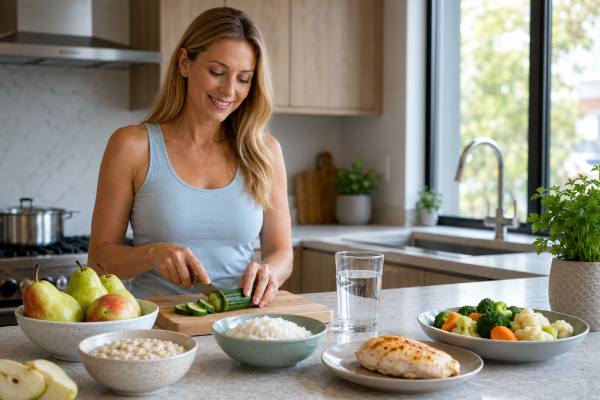
Interstitial cystitis, also called bladder pain syndrome, often makes eating feel like a guessing game. A meal that seems harmless one day leads to burning, pressure, urgency, or pelvic pain the next. The hardest part is that there is no single “IC-safe” diet that works for every bladder. Still, many people notice a clear pattern: acidic, spicy, caffeinated, carbonated, alcoholic, and heavily seasoned foods are more likely to sting, while plain, low-acid foods are easier to tolerate.
Low-acid eating is not about making meals bland forever. It is a practical starting point. When your bladder is flaring, choosing gentler foods gives you a calmer baseline. Once symptoms settle, you can test individual foods and build a diet that is less restrictive and more realistic. This guide explains which foods are usually better tolerated, which ones often cause burning, how to build meals, and how to reintroduce foods without turning every dinner into a flare.
Table of Contents
- What “Safe Food” Means With Interstitial Cystitis
- Low-Acid Foods That Are Often Easier on the Bladder
- Drinks That Feel Gentler During Bladder Burning
- Foods That Often Trigger Burning, Urgency, or Pressure
- How to Build IC-Friendly Meals Without Over-Restricting
- How to Test Foods Without Causing Chaos
- A Simple Flare-Day Food Plan
- When Diet Is Not Enough
What “Safe Food” Means With Interstitial Cystitis
A safe food for interstitial cystitis is a food that does not noticeably increase bladder burning, pelvic pain, urgency, or frequency for you. It does not mean the food is medically guaranteed to work for everyone. IC symptoms vary because bladder sensitivity, pelvic floor tension, hormones, stress, sleep, infections, medications, and bowel habits all influence how the bladder feels.
That is why IC food lists are best used as a starting map, not a permanent rulebook. A plain baked potato might feel soothing to one person, while another notices discomfort after eating it with sour cream, pepper, and a tomato-based side. The problem is not always the base food. The trigger is often the acid, spice, caffeine, carbonation, sweetener, or seasoning added to it.
The most useful way to think about IC-safe foods is by “bladder load.” A meal with several possible irritants has a higher bladder load than a simple meal with one or none. For example, pizza combines tomato sauce, acidic toppings, aged cheese, spices, and sometimes processed meats. A turkey sandwich on plain bread with lettuce and cucumber is lower in acid and easier to interpret. If symptoms flare after pizza, you do not know which part was the issue. If symptoms stay calm after the sandwich, you have a repeatable safe meal.
Low-acid foods are especially useful when burning is the main symptom. Acidic foods do not cause IC by themselves, but they often sting an already sensitive bladder. The same idea applies to a cut on your skin. Lemon juice does not create the cut, but it burns when it touches irritated tissue. With IC, urine that carries acidic or irritating compounds can feel sharper during a flare.
A good IC diet also avoids unnecessary fear. Food should not become so restricted that you lose protein, fiber, calcium, or enough calories. If your “safe” list has shrunk to only rice, chicken, and water, the plan is too narrow. That is a sign to work with a clinician or dietitian, especially if weight loss, constipation, fatigue, or food anxiety is showing up.
For a broader look at common diet triggers and swaps, see this guide to IC diet triggers.
Low-Acid Foods That Are Often Easier on the Bladder
The safest starting foods are usually plain, lightly seasoned, and low in obvious irritants. They are not exciting on their own, but they give you a stable base for meals while you figure out your personal limits.
| Food group | Often gentler choices | What to watch |
|---|---|---|
| Proteins | Chicken, turkey, eggs, fresh fish, plain tofu, mild beans if tolerated | Avoid spicy marinades, vinegar, citrus, barbecue sauce, and heavily cured meats |
| Grains | Rice, oats, pasta, quinoa, plain bread, tortillas, low-sugar cereals | Check packaged versions for citric acid, artificial sweeteners, and strong spices |
| Vegetables | Potatoes, sweet potatoes, carrots, green beans, peas, zucchini, cucumber, lettuce | Tomatoes, pickled vegetables, onions, and hot peppers are common problems |
| Fruits | Pears, blueberries, watermelon, cantaloupe, honeydew, ripe bananas if tolerated | Citrus, pineapple, cranberries, and tart berries are more likely to sting |
| Dairy and alternatives | Milk, mild cheese, cottage cheese, plain yogurt if tolerated, oat milk, rice milk | Flavored yogurts and dairy drinks often contain citrus, chocolate, or sweeteners |
| Fats and extras | Olive oil, butter, mild herbs, small amounts of salt, avocado if tolerated | Vinegar dressings, hot sauces, pepper-heavy blends, and MSG bother some bladders |
Proteins that keep meals steady
Fresh, simply cooked protein is one of the easiest places to start. Baked chicken, turkey patties, scrambled eggs, poached fish, and plain tofu give meals structure without adding much acid. The seasoning matters more than the protein itself. Lemon-pepper chicken, buffalo turkey meatballs, and fish with chili-lime sauce are very different from plain roasted chicken with salt, parsley, and a small amount of olive oil.
Processed meats deserve caution. Bacon, pepperoni, salami, smoked sausage, and deli meats often contain curing agents, spices, preservatives, smoke flavor, or high salt levels. Some people tolerate small amounts, but they are not ideal during a burning flare. If you want a sandwich, fresh roasted turkey or chicken is usually a better test food than spicy deli slices.
Beans and lentils are less predictable. They are not acidic like citrus, but they increase gas or bloating in some people, and bowel pressure can worsen bladder urgency. If you try them, start with a small portion of mild beans, such as navy beans or chickpeas, and rinse canned beans well.
Vegetables that work well in low-acid meals
Plain vegetables are often better tolerated than fruit because they tend to be less sweet and less acidic. Potatoes, carrots, green beans, peas, zucchini, cucumber, romaine, iceberg lettuce, and squash are common starting choices. Roasting, steaming, or boiling keeps them simple. A baked potato with butter and mild cheese is often calmer than potato salad made with vinegar, mustard, onions, and pickles.
Tomatoes are the big exception. Fresh tomatoes, tomato sauce, tomato paste, salsa, ketchup, and marinara are frequent triggers because they combine acid with natural flavor compounds that bother sensitive bladders. If you miss tomato-based meals, try a creamy sauce, olive oil and herbs, or a mild roasted red pepper sauce only after symptoms are stable, since peppers bother some people too.
Onions and garlic sit in a gray area. They are not acidic in the same way as citrus, but they irritate some people and cause bloating in others. During a flare, skip them. Later, test cooked onion before raw onion because cooked onion is usually milder.
Fruits that are less likely to sting
Fruit is where “healthy” and “bladder-friendly” often split. Oranges, grapefruit, lemons, limes, pineapple, cranberries, and tart apples are nutritious, but they are common burning triggers. Gentler options usually include pears, watermelon, cantaloupe, honeydew, blueberries, and sometimes ripe bananas.
Ripeness matters. A firm, tart pear is more likely to bother a sensitive bladder than a ripe, sweet pear. The same goes for apples. Some people tolerate peeled, sweet apples in small amounts but react to green apples, apple juice, or applesauce with added citric acid. If fruit has caused flares before, test it alone as a snack rather than mixed into a large meal.
Dried fruit is more concentrated and often harder to judge. Raisins, dried cranberries, dried apricots, and fruit leathers can be acidic, sweet, and preservative-heavy. Fresh fruit is a cleaner test.
Drinks That Feel Gentler During Bladder Burning
Drinks reach the bladder quickly, so they often affect symptoms faster than solid food. Coffee at breakfast, sparkling water at lunch, iced tea in the afternoon, and wine at dinner create repeated bladder stimulation all day. Switching drinks is one of the fastest ways to lower burning.
Plain water is the safest baseline, but the goal is steady hydration, not forcing huge amounts. Very concentrated urine stings more, especially first thing in the morning or after sweating. On the other hand, chugging large amounts can increase urgency and frequency. A practical approach is to sip regularly and look for pale yellow urine most of the day, unless your clinician has given you a specific fluid limit.
Still, non-citrus, caffeine-free drinks are often the easiest alternatives. Many people use chamomile tea, marshmallow root tea, corn silk tea, warm milk, oat milk, rice milk, or plain water flavored with cucumber or a small amount of pear. Herbal teas need testing because “herbal” does not always mean bladder-safe. Hibiscus, rosehip, lemon, orange peel, peppermint blends with citrus, and spicy chai-style blends are more likely to bother symptoms.
Coffee is a common problem because it combines caffeine, acidity, and strong compounds that stimulate the bladder. Decaf coffee is not automatically safe because it still has acid. Low-acid coffee helps some people, but others still flare. If you miss the routine more than the caffeine, try warm milk, roasted grain beverages without chicory if tolerated, or the options in this guide to low-acid coffee alternatives.
Carbonation is another common trigger. Sparkling water looks harmless because it has no sugar or caffeine, but the bubbles and carbonic acid bother some bladders. If you drink sparkling water daily and still have burning, switch to still water for one to two weeks before judging whether it is safe.
Alcohol is rarely a good choice during active bladder pain. Wine is acidic, beer is carbonated, and spirits often get mixed with citrus, soda, tonic, or sweetened mixers. Even small amounts can increase urgency overnight. Save alcohol testing for a stable period, not during a flare.
Foods That Often Trigger Burning, Urgency, or Pressure
The most common IC food triggers cluster into a few clear groups: acid, heat, caffeine, carbonation, alcohol, artificial sweeteners, and strong additives. Knowing the groups helps more than memorizing a long list.
Acidic foods are the most obvious burning triggers. Citrus fruits, citrus juices, lemonade, pineapple, cranberry juice, tomatoes, vinegar, pickles, sour candies, and many bottled dressings are frequent problems. Some packaged foods also contain citric acid, ascorbic acid, malic acid, or phosphoric acid. These ingredients do not bother everyone, but they are worth checking when symptoms seem random.
Spicy foods create a different kind of irritation. Hot peppers, chili flakes, cayenne, hot sauce, jalapeños, spicy curry pastes, and pepper-heavy seasoning blends often worsen burning and urgency. Mild herbs such as parsley, basil, oregano, thyme, dill, and rosemary are better starting choices. Black pepper bothers some people because it adds sharp heat even in small amounts.
Caffeine stimulates the bladder and increases urgency. Coffee, black tea, green tea, matcha, yerba mate, energy drinks, cola, and many pre-workout drinks contain caffeine. Chocolate adds another possible trigger because it contains caffeine-like compounds and often comes with sugar, dairy, or flavorings. If urgency is your main symptom, this guide to caffeine and bladder urgency explains why cutting back gradually is usually easier than stopping overnight.
Artificial sweeteners are easy to miss. Diet sodas, sugar-free gum, low-calorie yogurts, flavored waters, protein bars, electrolyte powders, and “zero sugar” candies often contain sucralose, aspartame, acesulfame potassium, saccharin, or sugar alcohols. These products look bladder-friendly because they avoid sugar, but many people with bladder sensitivity do better with plain, lightly sweetened, or unsweetened foods.
Aged, fermented, and pickled foods also deserve attention. Vinegar-based pickles, sauerkraut, kimchi, kombucha, aged cheeses, soy sauce, and some cured meats can trigger symptoms through acid, salt, fermentation byproducts, or strong seasonings. You do not need to ban them forever, but they are poor choices when you are trying to calm burning.
The biggest mistake is removing everything at once without a plan. A long avoid list can create fear and leave you undernourished. Start by removing the highest-probability triggers first: coffee, citrus, tomato, alcohol, carbonation, hot spices, artificial sweeteners, and vinegar-heavy foods. If symptoms improve, test foods back one at a time.
For more detail on acid-related bladder flares, see this guide to citrus and bladder irritation.
How to Build IC-Friendly Meals Without Over-Restricting
An IC-friendly meal works best when it has three parts: a plain protein, a gentle starch, and a low-acid vegetable or fruit. This structure keeps meals filling and helps you avoid grazing on snacks that contain hidden acids, sweeteners, or spices.
Breakfast might be oatmeal with blueberries and milk, scrambled eggs with toast, rice cereal with sliced pear, or a plain bagel with mild cream cheese. If mornings are your worst time, avoid starting the day with coffee, orange juice, tomato-based breakfast foods, or spicy sausage. Morning urine is often more concentrated, so a strong trigger at breakfast hits an already sensitive bladder.
Lunch can be simple without being dull. Try turkey and cucumber on plain bread, chicken and rice soup without tomato or pepper, pasta with olive oil and mild herbs, a baked potato with cottage cheese, or a rice bowl with chicken, carrots, and zucchini. If salads bother you, the dressing is often the reason. Vinegar, lemon juice, mustard, pepper, and spicy bottled dressings are common culprits. Use olive oil with a little salt and mild herbs, or test a creamy dressing with no vinegar or citrus.
Dinner is where hidden triggers pile up. Restaurant meals often use citrus, vinegar, chili, tomato paste, garlic, onion, pepper, alcohol, and seasoning blends even when the menu sounds plain. At home, easier dinners include roasted chicken with potatoes and green beans, turkey burgers without spicy condiments, baked fish with rice and peas, pasta with a mild cream sauce, or an egg-and-vegetable scramble.
Snacks matter because small irritants add up. Safer starting snacks include pears, melon, plain crackers, rice cakes, mild cheese, oatmeal, hard-boiled eggs, homemade popcorn with light salt, or toast with butter. Be careful with protein bars, flavored yogurts, trail mixes with chocolate, citrus-flavored gummies, sour candies, and “healthy” drinks with acids or sweeteners.
Use flavor without obvious bladder irritants
Low-acid meals do not need to be flavorless. Use mild herbs, butter, olive oil, small amounts of salt, and gentle cooking methods that build flavor without heat or acid. Roasting carrots, potatoes, squash, or chicken brings out sweetness and richness. Browning turkey patties in a skillet adds flavor without hot sauce. Fresh parsley, basil, dill, thyme, and rosemary give food a finished taste without vinegar or citrus.
If you miss tangy flavor, wait until symptoms are stable before testing small amounts of lower-risk options. Some people tolerate a tiny amount of mild yogurt-based sauce better than vinegar dressing. Others do better with no tang at all. The only reliable test is your own symptom pattern.
Read labels for hidden acids
Packaged foods often contain ingredients that make IC symptoms hard to trace. Look for citric acid, ascorbic acid, malic acid, phosphoric acid, vinegar, tomato powder, chili powder, cayenne, “spices,” monosodium glutamate, artificial sweeteners, and citrus flavoring. These ingredients are common in flavored waters, salad dressings, canned soups, sauces, frozen meals, crackers, seasoning packets, electrolyte drinks, and protein products.
A short ingredient list is easier to test. Plain pasta, rice, oats, eggs, fresh meat, frozen vegetables, and simple breads create fewer surprises than heavily flavored convenience foods.
How to Test Foods Without Causing Chaos
Food testing works best when your symptoms are steady enough to notice a change. If you are already flaring hard, almost everything feels suspicious. Spend a few days on simple low-acid meals first. Once burning is calmer, test one food at a time.
Use a basic bladder diary for food, drinks, symptoms, urine frequency, bowel movements, pain level, and sleep. You do not need a perfect spreadsheet. A few notes on your phone are enough: “Tuesday lunch: turkey sandwich, pear, water. Burning 2/10 before, 2/10 after.” Those notes stop you from relying on memory, which gets messy when symptoms change daily.
A practical testing method looks like this:
- Pick one food, not a whole meal. Test blueberries, not a smoothie with yogurt, honey, and protein powder.
- Eat a small portion earlier in the day. A daytime test is easier to track than a late-night test.
- Keep the rest of the day familiar. Do not test coffee, tomatoes, and chocolate on the same day.
- Watch symptoms for 24 to 48 hours. Some reactions are quick, while others show up later.
- If symptoms stay steady, try a normal portion another day before calling it safe.
Reintroduction is where many people go too fast. They feel better, then bring back coffee, salsa, wine, and spicy food in the same week. When symptoms return, they cannot tell which item caused the problem. A slower pace feels boring, but it gives better answers.
Also watch portion size. A few bites of chocolate might be fine, while a full bar causes burning. One small serving of blueberries might work, while a large smoothie does not. Tolerance is often about amount, frequency, and what else you ate that day.
Hormones, stress, sex, constipation, and long gaps between bathroom trips can confuse food testing. If you have a stressful day, poor sleep, or constipation, avoid testing a new food that day. You want the clearest signal possible.
A Simple Flare-Day Food Plan
During a flare, the goal is not culinary variety. The goal is to lower irritation, keep urine reasonably diluted, prevent constipation, and eat enough to avoid feeling weak. Choose foods you have tolerated before, keep seasonings mild, and avoid experimenting.
A flare-day breakfast might be oatmeal with milk and a small serving of pear, scrambled eggs with toast, or plain rice cereal. Skip coffee, citrus juice, spicy breakfast meats, and acidic fruit. Drink water steadily rather than chugging several glasses at once.
For lunch, use a simple meal such as chicken and rice, a baked potato with mild cheese, turkey on plain bread, or plain pasta with olive oil. Add a gentle vegetable like carrots, peas, green beans, cucumber, or zucchini if you tolerate it. Avoid tomato soup, salsa, vinegar dressings, pickles, carbonated drinks, and diet beverages.
Dinner can repeat the same pattern: protein, starch, vegetable. Roasted turkey with potatoes, baked fish with rice, eggs with toast, or a mild noodle bowl works better than a heavily seasoned takeout meal. If your appetite is low, eat smaller meals more often rather than skipping food all day. Skipping meals can lead to concentrated urine and more discomfort.
Constipation often worsens bladder pressure, so do not remove fiber completely. Oats, pears, cooked carrots, potatoes with skin if tolerated, and gentle whole grains help keep bowel movements moving. If fiber foods cause bloating, increase them slowly and drink enough fluid.
Heat or cold packs, pelvic floor relaxation, loose clothing, and avoiding long sitting stretches also help some people during flares. Diet is only one lever. If pelvic floor muscles are clenched, even a perfect low-acid meal will not fix the whole problem. Bladder pain often overlaps with pelvic floor tension, and this guide to pelvic pain and urinary symptoms explains why symptoms can feel similar.
Do not use baking soda or alkalizing remedies casually to “neutralize” urine without medical guidance. Baking soda contains a large sodium load and is risky for people with high blood pressure, heart disease, kidney disease, swelling, pregnancy concerns, or medications affected by sodium or acid-base balance. Safer first steps are plain water, trigger avoidance, and medical advice when symptoms are severe.
When Diet Is Not Enough
Diet changes are useful, but they do not replace diagnosis or treatment. Burning with urination is not always IC. A urinary tract infection, sexually transmitted infection, vaginal infection, kidney stone, medication side effect, pelvic floor spasm, or skin irritation can feel similar. If symptoms are new, sudden, or different from your usual pattern, testing matters.
Get medical care promptly if you have fever, chills, back or flank pain, vomiting, visible blood in urine, pregnancy, inability to urinate, severe worsening pain, or UTI symptoms that do not improve after treatment. These signs need more than food changes. This red flag checklist for urgent urinary symptoms is a useful guide for deciding how quickly to seek care.
If you have already been diagnosed with IC and diet only helps a little, that does not mean you failed. IC often needs a layered plan. Options include bladder training, pelvic floor physical therapy, stress and sleep support, pain management, oral medications, bladder instillations, and treatment of Hunner lesions when present. A clinician can also check for overlapping conditions that keep symptoms active.
The best food plan is one you can live with. A strict low-acid diet is most useful as a short-term reset or flare strategy. Over time, the goal is a personalized menu: safe everyday meals, a few caution foods, and a clear list of foods that reliably cause burning. That approach protects your bladder without making your life smaller than it needs to be.
References
- Dietary Influence on Bladder Pain Syndrome: A Systematic Review 2024 (Systematic Review)
- Diagnosis and Treatment of Interstitial Cystitis/Bladder Pain Syndrome 2022 (Guideline)
- Eating, Diet, & Nutrition for Interstitial Cystitis 2024 (Government Health Information)
- Interstitial Cystitis/Bladder Pain Syndrome 2024 (Review)
- 2025 Canadian Urological Association Guideline: Selected treatment recommendations for interstitial cystitis/bladder pain syndrome 2025 (Guideline)
- Dietary consumption triggers in interstitial cystitis/bladder pain syndrome patients 2011 (Clinical Study)
Disclaimer
This article is for education and does not diagnose interstitial cystitis, urinary tract infection, kidney stones, or pelvic floor disorders. Burning, urgency, pelvic pain, or blood in the urine should be discussed with a qualified healthcare professional, especially when symptoms are new, severe, recurrent, or different from your usual pattern. Food changes should fit your medical history, nutrition needs, medications, and any kidney, heart, blood pressure, pregnancy, or digestive concerns.