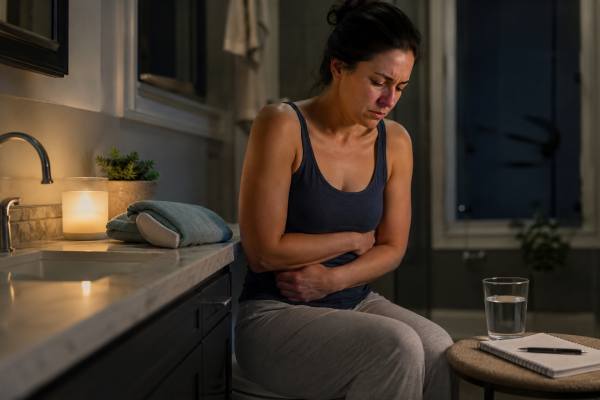
Interstitial cystitis is a long-lasting bladder pain condition that causes pressure, burning, urgency, frequent urination, and flares that often feel like a urinary tract infection even when urine tests are negative. It is also called bladder pain syndrome, and many clinicians use the combined term interstitial cystitis/bladder pain syndrome, or IC/BPS.
The hardest part for many people is the uncertainty. Symptoms overlap with UTIs, overactive bladder, pelvic floor problems, endometriosis, prostatitis, vaginal irritation, sexually transmitted infections, and kidney stones. A clear diagnosis matters because the right plan is not simply “more antibiotics.” Good care usually combines trigger control, pelvic floor treatment, pain management, bladder-directed therapies, and careful follow-up.
Table of Contents
- What Interstitial Cystitis Is
- Symptoms and Flare Patterns
- Common Triggers
- How Doctors Diagnose It
- Treatment Options
- Daily Management Between Flares
- When to Get Urgent Care
What Interstitial Cystitis Is
Interstitial cystitis is a chronic pain condition centered on the bladder and pelvis. The key feature is bladder-related discomfort, pressure, or pain that lasts more than a short infection and is not explained by a positive urine culture or another clear cause. Symptoms often rise as the bladder fills and ease for a short time after urinating.
IC is not the same as a routine UTI. A UTI is caused by germs growing in the urinary tract and usually shows bacteria on a urine culture. IC causes UTI-like symptoms without a treatable bacterial infection. That difference matters because repeated antibiotics expose people to side effects and resistance without treating the underlying problem.
The condition also does not look the same in everyone. One person has sharp bladder pain and urinates 25 times a day. Another has pelvic pressure, burning after certain foods, and pain with sex. A third has mild bladder symptoms but severe pelvic floor muscle tenderness. This is why modern treatment is individualized instead of based on one fixed ladder of therapies.
A useful way to think about IC is to separate possible contributors. Some people have a bladder lining that reacts strongly to irritating urine. Some have pelvic floor muscles that stay tight and painful. Some have nervous system sensitization, where pain signals become amplified. Others have a visible inflammatory bladder finding called a Hunner lesion. More than one pattern often appears at the same time.
The name “interstitial cystitis” sounds as if every case involves classic bladder inflammation, but that is not always true. Many people have no obvious bladder damage on basic testing. The more practical question is not whether every test proves inflammation. It is whether the symptom pattern fits bladder pain syndrome and whether other important causes have been ruled out.
Symptoms and Flare Patterns
IC symptoms usually cluster around pain, urgency, and frequency. The pain is often felt low in the abdomen, behind the pubic bone, in the urethra, vagina, penis, testicles, perineum, lower back, or inner thighs. Some people describe burning. Others describe pressure, rawness, aching, or the feeling that the bladder is never calm.
Urinary frequency means going more often than expected during the day. Urgency means a strong, uncomfortable need to urinate. In IC, urgency is often driven by pain or pressure rather than fear of leakage. That helps separate it from classic overactive bladder, where urgency often comes with sudden bladder contractions and urine leaks.
Nighttime urination is common. Waking once occasionally is different from getting up four or five times because the bladder feels painful or full. Poor sleep then increases pain sensitivity, stress, and fatigue, which sets up a cycle of worse symptoms the next day.
Pain with sex is another common clue, especially when the pelvic floor is involved. Symptoms often worsen after intercourse because friction, muscle tension, orgasm-related pelvic contractions, or post-sex irritation trigger the bladder and surrounding nerves. A person with recurring burning after sex should not assume every episode is a UTI; testing helps separate infection from irritation, pelvic floor pain, or IC.
Flares vary in length. A mild food-triggered flare might last hours. A severe flare after a procedure, infection, stressful period, long car ride, constipation, or repeated trigger exposure might last days or weeks. The pattern is often more useful than a single symptom. A bladder diary helps connect flares with foods, drinks, sex, bowel changes, menstrual cycle timing, stress, sleep loss, exercise, and medication changes.
| Symptom | Typical IC Pattern | What to Notice |
|---|---|---|
| Bladder pain or pressure | Worse as the bladder fills, briefly better after urinating | Location, pain level, and whether emptying gives relief |
| Frequent urination | Small amounts, repeated trips, often without infection | Daytime count, nighttime count, and fluid timing |
| Urgency | Driven by discomfort, pressure, or burning | Whether urgency comes with leakage or mainly pain |
| Urethral burning | Burning with negative urine tests or after trigger exposure | Sex, acidic foods, soaps, dehydration, and pelvic floor tension |
| Pelvic pain | Bladder symptoms plus pelvic muscle tenderness or deep ache | Pain with sitting, sex, bowel movements, or pelvic exam |
IC also overlaps with other conditions. A person can have IC and still get a real UTI. A negative culture during one flare does not prove every future flare is noninfectious. Fever, flank pain, new blood in urine, pregnancy, immune suppression, or symptoms that feel different from usual need fresh medical evaluation.
Common Triggers
Triggers do not cause IC by themselves, but they often stir up symptoms in a sensitive bladder or pelvic floor. The most common triggers are acidic foods, caffeine, alcohol, carbonation, spicy foods, artificial sweeteners, stress, constipation, sex, hormonal shifts, prolonged sitting, dehydration, and intense exercise that loads the pelvis.
Food and drink triggers are highly individual, but some patterns are common. Coffee, black tea, citrus, tomato sauce, vinegar, soda, wine, beer, hot peppers, cranberry juice, and energy drinks are frequent offenders. The problem is not only acidity. Caffeine stimulates the bladder, carbonation increases irritation in some people, and alcohol changes urine concentration while also disrupting sleep.
An elimination trial works better than guessing. Remove the most common bladder irritants for two to three weeks, then reintroduce one item at a time in a normal serving. If symptoms flare after orange juice but not after low-acid coffee, the plan becomes more precise. A strict diet that removes everything indefinitely creates stress, nutritional gaps, and frustration. The goal is a personal trigger map, not a permanent punishment diet.
People who suspect food sensitivity often benefit from a focused interstitial cystitis diet plan. During a flare, gentler choices often include water, milk or non-citrus smoothies if tolerated, oatmeal, rice, eggs, chicken, fish, pears, blueberries, cucumbers, potatoes, and plain vegetables. Some people do better with low-acid foods while symptoms settle, then expand the diet again.
Stress is a trigger because it changes muscle tone, sleep, hormones, breathing, and pain sensitivity. This does not mean symptoms are “all in your head.” It means the bladder, pelvic floor, and nervous system respond to threat signals. A stressful week, deadline, conflict, or poor sleep stretch often shows up as urgency and pelvic tightness before the person connects the dots.
Constipation is another overlooked driver. A full rectum presses near the bladder and keeps pelvic floor muscles guarded. Straining also irritates pelvic nerves. Regular bowel movements, enough fiber, adequate fluid, and treatment for chronic constipation reduce bladder pressure for many people.
Sex-related flares need a practical plan. Lubrication, avoiding irritating products, urinating after sex, treating vaginal dryness, changing positions that increase pelvic pressure, and using heat afterward often reduce symptoms. When pain is deep, sharp, or lasts beyond the next day, pelvic floor evaluation is especially important.
How Doctors Diagnose It
There is no single blood test, urine marker, scan, or home strip that proves IC. Diagnosis is based on symptoms, duration, exclusion of other likely causes, physical exam findings, and selected tests. A clinician looks for the pattern: bladder or pelvic pain, pressure, or discomfort with urinary symptoms lasting at least several weeks, with no infection or other clear explanation.
The first step is a careful history. Good questions include when symptoms started, whether pain changes with bladder filling, how often urination happens, whether urine cultures were positive, what antibiotics did, what triggers flares, whether sex or menstrual cycles affect symptoms, and whether bowel problems or pelvic pain are present.
Urinalysis and urine culture are central. A dipstick alone is not enough when symptoms keep returning. Culture confirms whether bacteria are growing and which antibiotics match. People with repeated “UTI” symptoms and negative tests should review other causes, including IC, urethral syndrome, vaginal infections, sexually transmitted infections, pelvic floor dysfunction, stones, medication irritation, and overactive bladder. A detailed guide to UTI symptoms with negative tests helps explain this common situation.
A pelvic exam or prostate exam often adds important information. The clinician checks for pelvic floor tenderness, vaginal atrophy or dryness, vulvar skin irritation, prolapse, urethral tenderness, prostate tenderness, and other pain sources. Pelvic floor muscle tenderness is not a minor finding. It changes treatment because tight, painful muscles need relaxation-based therapy, not strengthening exercises.
Cystoscopy is a small camera exam of the bladder. It is not required for every straightforward case, but it is useful when the diagnosis is unclear, symptoms are severe, blood appears in the urine, bladder cancer risk is higher, or Hunner lesions are suspected. During cystoscopy, the clinician looks for stones, tumors, lesions, narrowing, inflammation, or other visible problems.
Hunner lesions are distinct inflamed areas in the bladder wall. They are found in a smaller subgroup of people with IC and are important because they respond to lesion-directed treatment such as fulguration or steroid injection. Glomerulations, which are tiny bleeding spots sometimes seen after bladder stretching, are less specific and do not diagnose IC by themselves.
Other tests are chosen based on the story. STI testing is appropriate when burning, discharge, new partner exposure, pelvic pain, or urethral symptoms fit. Urine cytology, imaging, or referral is considered when there is unexplained blood in urine, smoking history, older age, stone-like pain, recurrent confirmed infections, or abnormal exam findings. Urodynamic testing is not routine for IC, but it helps when leakage, retention, neurologic disease, or unclear bladder function is part of the picture.
Treatment Options
IC treatment works best when it matches the person’s pattern. A bladder-dominant flare plan differs from a pelvic floor-dominant pain plan. Someone with Hunner lesions needs different treatment from someone whose main issue is muscle guarding and nerve sensitivity. Most plans combine several low-risk steps before moving to procedures or higher-risk medicines.
Education, trigger control, and self-care
The first layer is understanding the condition and reducing avoidable irritation. This includes learning personal triggers, avoiding repeated unnecessary antibiotics, keeping urine comfortably diluted, treating constipation, improving sleep, and using flare tools early. Heat over the lower abdomen, warm baths, loose clothing, gentle walking, and temporary avoidance of known food triggers often help during a flare.
Hydration needs balance. Too little fluid makes urine concentrated and more irritating. Too much fluid creates constant bladder filling and more trips to the bathroom. A practical target is pale yellow urine and steady drinking through the day, not large amounts all at once.
Pelvic floor physical therapy
Pelvic floor therapy is one of the most useful treatments when muscles are tight, tender, or painful. The goal is not Kegel strengthening. In IC, many people need down-training: learning to relax the pelvic floor, release trigger points, improve breathing mechanics, reduce guarding, and coordinate the bladder, bowel, hips, and abdomen.
A trained pelvic floor therapist evaluates muscle tenderness, posture, hip mobility, breathing, scar tissue, and pain patterns. Treatment often includes internal or external muscle release, stretching, relaxation work, bladder habits, bowel strategies, and home exercises. People with pain during sex, pain with sitting, urethral burning, constipation, or pelvic pressure often find this approach more relevant than bladder medication alone. A broader guide to pelvic floor therapy for bladder issues explains what appointments usually involve.
Kegels are not automatically helpful. Strengthening an already tight pelvic floor can worsen urgency, burning, and pain. Kegels fit stress leaks from weak support, not pelvic floor spasm unless a therapist confirms weakness without overactivity.
Oral medicines
Oral medicines are chosen by symptom pattern and side effect tolerance. Amitriptyline or nortriptyline is often used at low doses to calm pain signaling and improve sleep. Common side effects include dry mouth, constipation, morning grogginess, and weight gain. Starting low and increasing slowly improves tolerability.
Antihistamines such as hydroxyzine are sometimes used when allergy-like flares, mast-cell symptoms, or nighttime symptoms are prominent. Sedation is common, so evening dosing is typical. Cimetidine is another oral option used in some treatment plans.
Pentosan polysulfate sodium was long used as a bladder-lining therapy. It has mixed benefit and requires patience because response, when it occurs, is slow. It also carries an important eye safety concern: pigmentary maculopathy has been reported with longer exposure. Anyone considering or taking it should discuss baseline and follow-up retinal exams, total duration of therapy, and whether the expected benefit justifies the risk.
Pain medicines need careful use. Short courses of urinary analgesics sometimes help burning, but they do not treat the underlying condition and are not for continuous unsupervised use. Opioids are poor long-term IC tools because tolerance, constipation, dependence, and pain sensitization create additional problems.
Bladder instillations and procedures
Bladder instillations place medicine directly into the bladder through a catheter. Common ingredients include lidocaine, heparin, sodium bicarbonate, and other bladder-coating or anesthetic agents. Some people use instillations for flares; others receive a series of treatments. The upside is local delivery. The downside is catheter discomfort, cost, office visits, and infection risk.
Hydrodistension is a procedure where the bladder is stretched under anesthesia. It is sometimes used during cystoscopy for selected patients, especially when the clinician needs better bladder evaluation or when other treatments have not worked. Benefits are variable and often temporary. High-pressure, long-duration stretching is avoided because it increases risk.
Hunner lesions are treated directly. Fulguration, laser treatment, or steroid injection of the lesion often gives meaningful relief in that subgroup. Recurrence happens, so follow-up matters.
Botulinum toxin injections into the bladder are considered for refractory symptoms after less invasive treatment. They reduce bladder nerve signaling in some patients, but they also increase the risk of urinary retention. Anyone choosing this option needs to understand the possibility of temporary self-catheterization.
Sacral neuromodulation is a device-based treatment that changes nerve signaling between the bladder and spinal cord. It is considered when urgency and frequency remain severe after other therapies. It is not mainly a pain treatment, so patient selection matters.
Major bladder surgery is rare and reserved for carefully selected, severe, treatment-resistant cases. It is not a standard next step for most people with IC because pain can persist even after bladder surgery if pelvic floor and nerve sensitization are major drivers.
Daily Management Between Flares
The best daily IC plan is simple enough to follow. It should identify baseline symptoms, early flare signs, reliable rescue steps, and clear reasons to contact a clinician. A complicated plan with ten supplements, extreme diet rules, and no way to measure progress becomes hard to sustain.
Start with tracking for two weeks. Record urination times, pain level, nighttime trips, drinks, major foods, bowel movements, sex, exercise, stress, sleep, and menstrual timing if relevant. The pattern often shows two or three high-value targets. For one person, it is coffee and constipation. For another, it is pelvic floor tension after sitting. For another, it is symptoms that flare two days before a period.
Build a flare kit. A practical kit might include a heating pad, loose clothing, safe meals, a water bottle, clinician-approved pain relief, relaxation audio, constipation treatment if needed, and instructions for when to test urine. The goal is to respond early rather than panic after symptoms peak.
Bladder training is used carefully. Holding urine for long periods during severe pain backfires. Once symptoms are calmer, gradual spacing of bathroom trips helps reduce fear-based frequency. A person urinating every 30 minutes might aim for 35–40 minutes first, not two hours. This works best when paired with urge-calming strategies such as slow breathing, pelvic floor drops, distraction, and relaxed walking.
Exercise should be adjusted, not abandoned. Walking, swimming if chlorine is tolerated, gentle cycling modifications, yoga that avoids painful pelvic loading, and strength training with good breathing mechanics often fit. High-impact exercise, heavy bracing, spin bikes, and intense core work worsen symptoms in some people. A useful rule is to judge exercise by the next 24 hours, not only how it feels during the session.
Mental health support is practical pain care. Chronic bladder pain changes sleep, sex, work, travel, and relationships. Counseling, pain coping skills, mindfulness-based strategies, and support groups do not replace medical treatment; they reduce the nervous system load that keeps flares active. This is especially helpful when symptoms have created fear of leaving home, eating, intimacy, or exercise.
Supplements deserve caution. Quercetin, aloe products, marshmallow root, and other supplements are popular in IC communities, but quality, dose, interactions, and evidence vary. Supplements also cause side effects, interact with medication, and add cost. Bring all products to appointments so a clinician can check safety, especially during pregnancy, kidney disease, liver disease, anticoagulant use, or before surgery.
When to Get Urgent Care
Not every flare is dangerous, but some symptoms should not be written off as “just IC.” Get prompt medical care for fever, chills, flank pain, vomiting, new confusion, pregnancy with urinary symptoms, inability to urinate, severe worsening pain, or visible blood in the urine. These signs raise concern for kidney infection, urinary blockage, stone, serious infection, or another condition that needs urgent treatment.
Blood in urine always deserves attention when it is new, unexplained, or recurrent. IC can coexist with other problems, and visible blood is not something to manage only with diet changes. The same is true for new pain on one side of the back, which fits stones or kidney infection more than a typical bladder flare.
Seek reassessment when symptoms change character. A person who usually has food-triggered burning but suddenly develops fever and cloudy foul-smelling urine needs a urine culture. A person with pelvic pressure who develops new vaginal bleeding, discharge, or severe pain with sex needs gynecologic evaluation. Men with urinary pain, pelvic pain, painful ejaculation, or trouble starting urine need evaluation for prostatitis, urethral issues, and other causes.
A urologist or urogynecologist is the right next step when symptoms persist despite basic care, urine cultures are repeatedly negative, pain affects sleep or sex, blood appears in urine, or procedures such as cystoscopy are being considered. A guide on when to see a urologist is useful when deciding whether primary care is enough.
Good IC care is not about finding one perfect cure. It is about reducing pain, lengthening time between flares, improving sleep, protecting intimacy, avoiding unnecessary antibiotics, and matching treatment to the body systems involved. Most people need several adjustments before the plan feels right. Progress usually looks like fewer severe days, faster flare recovery, and more confidence about what to do when symptoms start.
References
- Diagnosis and Treatment of Interstitial Cystitis/Bladder Pain Syndrome 2022 (Guideline)
- 2025 Canadian Urological Association Guideline: Selected treatment recommendations for interstitial cystitis/bladder pain syndrome 2025 (Guideline)
- Current updates relating to treatment for interstitial cystitis/bladder pain syndrome: systematic review and network meta-analysis 2024 (Systematic Review and Network Meta-analysis)
- Current standard of care in treatment of bladder pain syndrome/interstitial cystitis 2021 (Review)
- Interstitial Cystitis/Bladder Pain Syndrome 2025 (Clinical Review)
- Interstitial Cystitis/Bladder Pain Syndrome: Matching Therapies to the Patient 2025 (Review)
Disclaimer
This article is for educational use and does not diagnose interstitial cystitis, rule out infection, or replace care from a qualified clinician. Urinary pain, blood in urine, fever, pregnancy-related urinary symptoms, urinary retention, or symptoms that change suddenly need medical evaluation. Treatment choices, including bladder instillations, oral medicines, cystoscopy, botulinum toxin, and pelvic floor therapy, should be planned with a clinician who can review your history, exam, urine results, and risks.