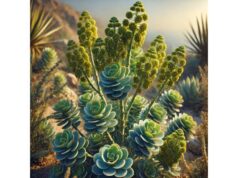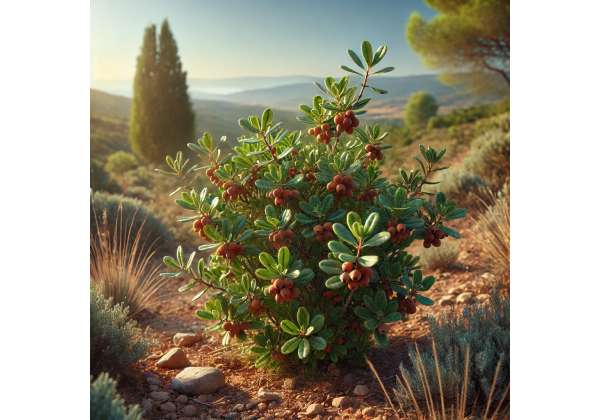
Italian buckthorn, or Rhamnus alaternus, is an evergreen Mediterranean shrub with a long but uneven history in traditional medicine. In North Africa and parts of southern Europe, its leaves, bark, roots, and aerial parts have been used in infusions and decoctions for digestive sluggishness, fluid retention, liver-related complaints, skin problems, and, in some communities, high blood pressure or diabetes. Modern phytochemical research helps explain why the plant still attracts interest: it contains flavonoids, tannins, anthraquinones, coumarins, and other phenolic compounds with measurable antioxidant, antimicrobial, anti-inflammatory, and metabolic effects in laboratory and animal studies.
Still, Italian buckthorn is not a settled, everyday herb in the way many readers might expect. The strongest evidence remains preclinical, while safety concerns deserve real attention, especially because anthraquinone-rich plants can irritate the gut and, in excessive or prolonged use, create harm. The most useful way to understand this plant is to hold both truths together: it is chemically active and traditionally important, yet it is not backed by a standardized modern human-use framework.
Quick Summary
- Italian buckthorn has a traditional reputation as a laxative and mild diuretic herb.
- Modern studies suggest antioxidant, antimicrobial, and metabolic effects from its flavonoids and anthraquinones.
- Animal studies have tested extracts at roughly 20 to 200 mg/kg, but no validated human medicinal dose exists.
- Pregnant people, children, and anyone with kidney disease or chronic laxative use should avoid self-treatment with it.
Table of Contents
- What is Italian buckthorn
- Key compounds and what they do
- Benefits and realistic uses
- How Italian buckthorn is used
- How much to take
- Side effects, interactions, and who should avoid it
- What the evidence says
What is Italian buckthorn
Italian buckthorn is a shrub or small tree native to the Mediterranean basin. Botanically, it belongs to the buckthorn family, Rhamnaceae, and it grows naturally in dry scrub, rocky slopes, evergreen woodland edges, and coastal Mediterranean habitats. It is hardy, leathery-leaved, and well adapted to heat, drought, and poor soils, which helps explain why it became so familiar in traditional local medicine. A plant that is abundant, recognizable, and available year after year often finds its way into folk practice, even when later scientific validation remains incomplete.
One of the first things readers should know is that this is not the same as every other “buckthorn” herb. The genus Rhamnus contains several species, and some are better known for stimulant-laxative bark than others. Italian buckthorn has a somewhat broader traditional profile. In North African and Mediterranean folk medicine, the plant has been described as digestive, purgative, laxative, diuretic, hypotensive, hepatoprotective, and depurative. It has also been used for dermatological complaints and, in some places, as part of diabetes-related home remedies. That is a wide traditional range, but it does not mean all of those uses are equally well supported.
The plant parts used matter. Ethnopharmacological reports describe the leaves, bark, roots, berries, and aerial parts being used in different contexts. That already introduces one practical problem for modern readers: the plant does not have a single standardized medicinal part in the way some official herbs do. A leaf infusion, a bark decoction, and a root preparation are not interchangeable, either chemically or toxicologically. In fact, the most serious published safety concern involves chronic root use rather than occasional leaf tea.
This plant’s modern relevance comes less from clinical herbal tradition and more from its chemistry. Italian buckthorn has drawn scientific interest because it contains flavonoids, coumarins, tannins, anthraquinones, anthocyanins, sterols, and other polyphenolic compounds. Those compounds can plausibly support many of the folk observations around digestion, microbial balance, oxidative stress, and inflammation. But the plant remains in a middle zone between traditional herb and experimental pharmacology.
That middle position is important. Italian buckthorn is not merely a decorative Mediterranean shrub, but it is also not a widely standardized medicinal herb with a clearly established dosage and safety monograph. Readers who approach it expecting a gentle daily wellness tea may underestimate its irritant potential. Readers who dismiss it as folklore may miss that it does show real biological activity in animal and lab models.
The most accurate way to understand it is as a traditional Mediterranean shrub with meaningful phytochemistry, broad but uneven folk use, and a safety profile that becomes more important the more intensely it is used.
Key compounds and what they do
Italian buckthorn contains a chemically diverse mix of plant compounds, and that complexity is the main reason it has stayed interesting to researchers. Unlike an herb defined by one famous molecule, Rhamnus alaternus appears to act through several overlapping classes of bioactives. The most discussed groups are flavonoids, anthraquinones, tannins, coumarins, anthocyanins, and sterols.
Flavonoids are probably the most useful starting point. Researchers have identified quercetin, kaempferol, rhamnocitrin, rhamnetin, and several glycosylated derivatives in different parts of the plant. These compounds are important because flavonoids often account for antioxidant, capillary-protective, anti-inflammatory, and cell-protective actions in botanical extracts. In Italian buckthorn, they are especially relevant to the plant’s antioxidant and antihyperlipidemic research profile. They may also help explain why leaf extracts have shown interesting activity in liver, lipid, and inflammation models.
Anthraquinones are the second key group, and they are more double-edged. Italian buckthorn contains compounds such as aloe-emodin, emodin, physcion, chrysophanol, and rhein or related derivatives, especially in some bark and root extracts. Anthraquinones matter because they are well known in plant medicine for their laxative and intestinal-stimulating effects. They also contribute to antimicrobial, antioxidant, and experimental antiproliferative activity. But they are also the reason buckthorn-type plants require caution, especially with prolonged or excessive use. This is the same broad chemical logic that makes senna’s stimulant anthraquinones useful in the short term but problematic when overused.
Tannins and other polyphenols give the plant some of its astringent and antioxidant character. These compounds are relevant to traditional uses involving digestion, irritated tissues, and topical complaints. They may also play a role in antimicrobial and antigenotoxic findings. Coumarins and anthocyanins add to the broader antioxidant and signaling profile, although they are usually not the first constituents consumers hear about.
Researchers have also examined total oligomer flavonoid fractions, polysaccharides from leaves and stems, and hydroalcoholic or methanolic extracts that concentrate specific groups of compounds. This matters because one “Italian buckthorn extract” is not the same as another. Water-based preparations may emphasize one spectrum of compounds, while methanolic or ethyl acetate fractions may emphasize another. As a result, the effect of a tea can differ a great deal from the effect of a lab extract.
A practical way to think about the chemistry is this:
- Flavonoids support antioxidant, anti-inflammatory, and lipid-related research.
- Anthraquinones support laxative, antimicrobial, and antiproliferative interest.
- Tannins support astringency and tissue-soothing traditions.
- Polysaccharides add another layer of antioxidant and antibiofilm potential in vitro.
The key insight is that Italian buckthorn is not chemically mild. Its compounds can do real biological work, but that also means the plant is not suited to careless experimentation. The same compounds that make it scientifically interesting are the ones that make dosage, duration, and plant part so important.
Benefits and realistic uses
Italian buckthorn has a wider traditional reputation than its modern evidence can fully support, so the best way to present its benefits is to separate likely support roles from proven outcomes. The traditional uses most often repeated are digestive clearance, mild diuresis, hypotensive support, liver-related folk use, skin-related external use, and more recently diabetes-related traditional use in Morocco and neighboring regions. The research story supports some of that picture, but mostly in animal models, cell systems, and phytochemical work rather than in human trials.
The first realistic use is short-term digestive stimulation. Because the plant contains anthraquinones, especially in certain parts and extracts, it plausibly explains why folk medicine classified it as purgative or laxative. Still, that benefit is not automatically a recommendation. A plant can be able to move the bowel and still be a poor choice for routine self-care. The real-world value here is limited by the same issue that affects many stimulant laxatives: stronger action often comes with more safety concern.
The second realistic use is mild fluid and urinary support. Traditional medicine described Italian buckthorn as diuretic or depurative, and this remains believable within the overall phytochemical profile. Yet readers should keep expectations modest. This is not a clinically established kidney or bladder herb, and it should not replace evaluation for edema, painful urination, or persistent urinary symptoms. People seeking gentler day-to-day support often look first to plants such as dandelion for mild digestive and diuretic support, which have a more familiar self-care role.
The third area of interest is metabolic support, especially around blood sugar and lipids. This is one of the more interesting modern directions. In animal studies, aqueous leaf extracts lowered glucose in diabetic rats, and leaf extracts in hyperlipidemic rats reduced cholesterol and triglycerides substantially. Those are meaningful signals, but they are still not human proof. The plant should not be framed as a natural diabetes treatment or cholesterol therapy based on those studies alone.
The fourth likely area is antioxidant and anti-inflammatory support. This is where the plant’s flavonoids, polyphenols, and tannins make the most sense. Extracts have shown antioxidant, antigenotoxic, and inflammation-modulating effects in multiple models. That does not make Italian buckthorn a broad anti-inflammatory remedy, but it helps explain its traditional use in dermatological and hepatic contexts.
A realistic summary of benefits would be:
- Short-term stimulant-laxative potential.
- Mild traditional diuretic or cleansing use.
- Experimental support for antioxidant and anti-inflammatory effects.
- Animal-model support for glucose and lipid effects.
- Limited antimicrobial and antiproliferative research interest.
What the plant is not is equally important. It is not a proven modern therapy for diabetes. It is not a validated liver treatment. It is not a safe long-term detox herb. It is not a first-choice gentle digestive tea. In other words, many of its possible benefits come with a sharper edge than the word “herb” might suggest.
The best practical use case is cautious, well-informed interest in a traditional Mediterranean medicinal shrub, not enthusiastic self-prescription. That distinction keeps the plant in its proper place: promising enough to study, but not established enough to overuse.
How Italian buckthorn is used
Traditional use of Italian buckthorn centers on infusions, decoctions, and crude plant preparations rather than standardized commercial supplements. That alone tells readers a great deal about how the plant belongs to regional medicine rather than global herbal commerce. In folk practice, aerial parts, bark, leaves, and sometimes roots have been prepared as teas or decoctions, depending on the region and the intended purpose.
The infusion route is most commonly mentioned for everyday medicinal use. Traditional descriptions refer to the plant being consumed as an infusion for digestive, hypotensive, purgative, laxative, diuretic, and hepatoprotective purposes. Decoctions are also reported, especially when the bark, roots, or tougher aerial material are used. In some North African contexts, decoctions of aerial parts or bark were used against dermatological and hepatic complaints. That tells us the plant was not only treated as a bowel herb. It also had a broader place in local therapeutic culture.
This broader use should still be interpreted carefully. A folk decoction is not automatically a safe or standardized phytotherapy. The exact plant part changes the chemistry. Leaves and aerial parts may emphasize flavonoids and tannins, while root and bark preparations may emphasize anthraquinones or other compounds more strongly. That matters because the strongest toxicity concern in the literature involves chronic root consumption.
Modern research uses an even wider range of preparations:
- Aqueous extracts
Often designed to resemble traditional decoctions or infusions, especially in metabolic and liver studies. - Methanolic and hydroalcoholic extracts
Used in antioxidant, cytotoxic, and phytochemical work to pull out more phenolics and anthraquinones. - Total oligomer flavonoid fractions
Used in some experimental studies to concentrate specific flavonoid-rich fractions. - Polysaccharide extracts
Investigated more recently for antioxidant, antimicrobial, and antibiofilm activity.
This matters because the “use” of Italian buckthorn in a laboratory can look nothing like its use in a kitchen or herbal shop. A researcher may isolate a flavonoid-rich extract that behaves very differently from a weak tea. That gap is important when readers try to translate research into self-care. Most of the stronger experimental effects are not based on ordinary household use.
There is also an important practical boundary. Italian buckthorn should not be treated like a flexible household herb that can be taken freely in several forms until something works. Plants with laxative anthraquinones and mixed polyphenolic activity tend to reward restraint, not improvisation. If a person’s actual goal is to support the urinary tract, liver, or digestion with more settled herbal options, a more established herb may serve them better. For example, someone interested in conventional liver-support herb traditions will usually find clearer guidance with milk thistle for more established liver support than with Italian buckthorn.
In practice, then, Italian buckthorn is used in two very different worlds: traditional local decoctions and modern experimental extracts. The first is historical and variable. The second is scientific but not directly consumer-ready. That is why the plant’s “uses” should be read as descriptive, not automatically prescriptive.
How much to take
Dosage is the point where Italian buckthorn becomes most difficult to translate from tradition into modern practice. There is no validated human medicinal dose that can be responsibly recommended for this species. No official adult oral range in grams, capsules, or tincture drops has been established through meaningful clinical trials. That means dosage guidance must be built around what the evidence actually is: traditional use on one side, experimental animal dosing on the other, and a large gap in between.
Traditional practice clearly involved infusions and decoctions, but the literature does not provide a reliable modern dose framework that tells consumers exactly how much dried leaf, bark, or aerial part should be taken and for how long. This is already a caution sign. When a plant has both anthraquinone potential and variable plant-part use, lack of dose standardization becomes more serious than it would for a milder culinary herb.
Experimental data provide some numbers, but they are not consumer doses. In diabetic-rat work, aqueous extract was studied at 20 mg/kg over seven days. In hyperlipidemic-rat work, a crude methanolic leaf extract showed the strongest lipid-lowering effect at 200 mg/kg, outperforming a higher 400 mg/kg dose. In a 2025 rat liver-injury study, a flavonoid-rich extract was again used at 20 mg/kg. These figures are useful for understanding potency and research direction, but they are not instructions for home use.
A practical interpretation of the dosing picture looks like this:
- Traditional oral use exists, but not in a standardized modern framework.
- Animal studies have used roughly 20 to 200 mg/kg extract doses.
- Different extracts act differently, so one number cannot be generalized.
- No validated human medicinal dose has been established.
This is also why self-conversion from rat doses to human doses is a poor idea. Even if a reader knows how to perform body-surface-area conversions, they still do not know whether a home-prepared infusion resembles the tested extract. The leaf extract used in a lipid study is not the same as a root tea taken for months. The chemistry is different, and the safety profile may be different too.
The question of duration is just as important as amount. With Italian buckthorn, prolonged use is more concerning than a cautious short-term experimental interest. Plants with stimulant-laxative chemistry can cause dependence-like patterns, abdominal cramping, bowel irritation, and in some contexts metabolic or renal strain. That is why the safest response to uncertainty is not to start low and keep extending the trial. It is to stop and reconsider whether this is the right herb in the first place.
Readers who want a medicinal plant with a clearer dose tradition for occasional constipation often end up comparing stimulant-laxative herbs with psyllium for gentler bowel support, precisely because dosage and long-term safety questions are easier there.
So how much Italian buckthorn should someone take? The most accurate answer is that there is no established human medicinal dose, and the available numeric data belong to animal studies, not consumer herbal guidance. That makes caution, not conversion, the correct approach.
Side effects, interactions, and who should avoid it
Italian buckthorn deserves a more safety-focused reading than many antioxidant herbs because its chemistry includes anthraquinones, and because there is at least one documented case report linking chronic root consumption to serious toxicity. This does not mean every occasional folk preparation is dangerous. It does mean the plant should not be treated as a harmless Mediterranean tonic.
The most likely side effects are digestive. These include:
- Abdominal cramping.
- Loose stools or diarrhea.
- Urgency.
- Nausea.
- Fluid loss with repeated bowel movements.
Those effects are consistent with the plant’s traditional classification as purgative or laxative. A short-lived bowel effect may be the reason some people sought it out. But the same mechanism becomes a problem when used too frequently, too strongly, or for the wrong reason.
The most important safety signal in the literature is a rare case report involving chronic consumption of Rhamnus alaternus root tea for diabetes, followed by renal failure and rhabdomyolysis. A single case does not define the entire safety profile of the plant, but it changes the conversation. It tells readers that prolonged root use is not a theoretical risk. It can become a clinical one.
Interactions are not well mapped, but several conservative concerns are reasonable. Caution is warranted with:
- Other stimulant laxatives.
- Diuretics.
- Antihypertensives.
- Drugs sensitive to fluid shifts or electrolyte loss.
- Diabetes medications, because animal studies suggest glucose-lowering activity.
- Herbs or drugs that may burden the liver or kidneys.
The groups who should avoid self-treatment are easy to identify:
- Pregnant people.
- Breastfeeding people.
- Children.
- People with kidney disease.
- People with chronic diarrhea, inflammatory bowel disease, or unexplained abdominal pain.
- People using regular laxatives.
- People with diabetes who are already taking medication.
- Anyone considering root-based long-term use.
Even for otherwise healthy adults, the plant should not be positioned as a routine detox herb. Repeated purgative use can create more problems than it solves, and people often mistake immediate bowel movement for meaningful health improvement. That confusion is common in plants with anthraquinones and is one reason safety-first frameworks matter. The general lesson resembles the caution seen in safety-centered herb guidance for more active botanicals: the more pharmacologically active the herb, the less suitable it becomes for casual daily use.
Another practical concern is plant-part confusion. Leaves, bark, aerial parts, and roots are not equivalent. If a person reads a study on leaf extracts and then uses roots at home, they are not following the evidence. They are creating a new and less predictable exposure.
The safest bottom line is simple. Italian buckthorn may have real medicinal potential, but it also has a real risk profile, especially with long-term or unsupervised use. For most readers, that makes it a plant to study carefully rather than one to use casually.
What the evidence says
The evidence for Italian buckthorn is stronger than pure folklore but much weaker than established clinical herbalism. That middle position is the most honest place to end. There is a good species-level review, multiple phytochemical investigations, several animal and cell studies, and a meaningful toxicity signal. What is missing is exactly what many readers care about most: high-quality human trials that define benefits, dosing, duration, and safety in routine use.
The strongest part of the evidence is the phytochemical foundation. Researchers consistently report flavonoids, anthraquinones, tannins, anthocyanins, sterols, and related polyphenols in different plant parts and extracts. This gives the plant a credible basis for antioxidant, antimicrobial, anti-inflammatory, and metabolic actions. It also makes its traditional digestive and depurative reputation chemically plausible.
The second strongest line of evidence comes from animal studies. In diabetic rats, aqueous extracts lowered blood glucose and improved oral glucose tolerance after seven days. In hyperlipidemic rats, a leaf extract reduced cholesterol by about 60 percent and triglycerides by about 70 percent at 200 mg/kg. In a newer rat liver-injury model, a flavonoid-rich extract lowered inflammatory markers and oxidative damage. These are substantial findings, but they remain preclinical. They show possibility, not clinical certainty.
The third line of evidence comes from in vitro work. Italian buckthorn extracts and isolated compounds have shown antioxidant, antimicrobial, antiproliferative, antimelanoma, antigenotoxic, and antibiofilm effects in different models. Recent work on leaf and stem polysaccharides adds another layer of antioxidant and antimicrobial interest. Again, these results are meaningful, but they are still one step removed from practical human use.
What weakens the evidence base is the lack of standardization. Different studies use different plant parts, different extraction solvents, and different outcome measures. A root decoction used in folk medicine is not the same as a methanolic leaf extract studied in hepatic cells. This heterogeneity makes the plant scientifically rich but clinically hard to translate.
The safety evidence is also important. It is not just that there is limited data. There is data pointing to harm when the plant is used chronically and imprudently. That gives the evidence base a two-sided character: the plant is active enough to matter, and active enough to cause trouble.
The most balanced summary is this:
- Traditional use is broad and long-standing.
- Phytochemical support is strong.
- Animal and lab findings are promising.
- Human clinical evidence is lacking.
- Safety concerns become more relevant with root use, prolonged use, or self-treatment for chronic disease.
That is why Italian buckthorn does not belong in the same practical category as better-established digestive or urinary herbs. If someone wants metabolic or antimicrobial herbs with clearer user-facing traditions, a plant such as barberry for more established metabolic and antimicrobial herbal use may offer a more interpretable evidence base.
In the end, Italian buckthorn is best seen as a medicinally interesting Mediterranean shrub with credible experimental promise and meaningful traditional use, but without the human evidence needed to make it a confident modern herbal recommendation.
References
- Rhamnusalaternus Plant: Extraction of Bioactive Fractions and Evaluation of Their Pharmacological and Phytochemical Properties 2021 (Review)
- Antihyperglycemic Effect of Rhamnus alaternus L. Aqueous Extract in Streptozotocin-induced Diabetic Rats 2023
- Exploring Rhamnus alaternus Polysaccharides: Extraction, Characterization, and Analysis of Antioxidant and Antimicrobial Properties 2024
- Antioxidant, Antigenotoxic, and Anti-Inflammatory Properties of Rhamnus alaternus Leaf Extract Against Ethanol-Induced Liver Injury in Rat Model 2025
- Toxic Effects of Rhamnus alaternus: A Rare Case Report 2015 (Case Report)
Disclaimer
This article is for educational purposes only and is not medical advice. Italian buckthorn is a traditionally used medicinal shrub, but modern human evidence is limited, dosage is not standardized, and prolonged or inappropriate use may be harmful. Do not use it to self-treat diabetes, constipation, liver problems, kidney problems, or other chronic conditions without guidance from a qualified healthcare professional.
If this article helped you understand a lesser-known medicinal plant more clearly, please share it on Facebook, X, or another platform you prefer.