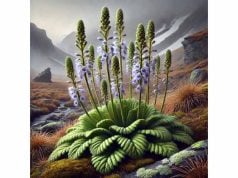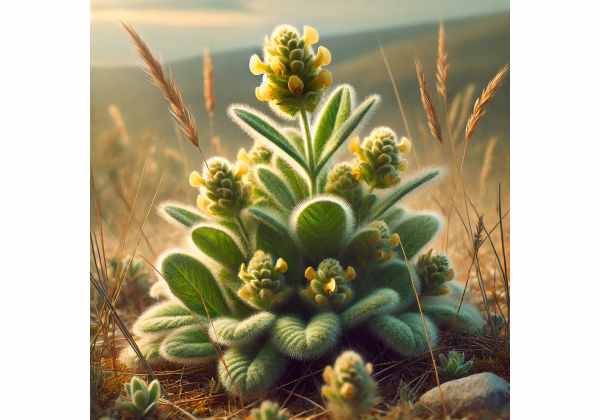
Kidney vetch, or Anthyllis vulneraria, is a bright yellow wildflower from the pea family with a much older medicinal reputation than its modest size suggests. Across parts of Europe it has long been known as woundwort, a name that points directly to its classic use: helping soothe cuts, slow-healing skin, irritated tissues, and minor surface inflammation. Modern research does not yet place kidney vetch among the best-proven clinical herbs, but it does support the idea that the plant contains meaningful flavonoids, phenolic acids, tannins, and saponin-like compounds that may contribute antioxidant, antimicrobial, and tissue-supportive effects.
That said, kidney vetch is not a mainstream supplement with a standardized dose and a large human evidence base. It sits in a more traditional category: a gentle folk herb with promising laboratory and animal research, especially around wound care, but with limited clinical confirmation. This guide explains what kidney vetch contains, what it may realistically help with, how it is traditionally used, and why sourcing and safety still matter.
Key Takeaways
- Kidney vetch is best known for traditional use in wound rinses, compresses, and skin-supportive preparations.
- Its flowers and leaves are rich in polyphenols and show antioxidant and mild antibacterial activity in early research.
- Topical research creams have used 1 to 2 mg/cm² of polyphenols, but no standard oral clinical dose has been established.
- Avoid medicinal use if you are pregnant, breastfeeding, highly allergy-prone, or using wild-harvested plants from contaminated ground.
Table of Contents
- What is kidney vetch and whats in it
- What does kidney vetch help with
- Kidney vetch for wounds and skin
- How to use kidney vetch
- How much kidney vetch per day
- Side effects and who should avoid it
- What the evidence actually shows
What is kidney vetch and whats in it
Kidney vetch is a perennial herb in the Fabaceae family, the same broad plant family that includes clover, alfalfa, and many familiar legumes. Botanically, it is Anthyllis vulneraria, a species widely distributed across Europe and parts of North Africa and Western Asia. It thrives in dry grasslands, rocky slopes, and poor soils, which is one reason it often looks tougher than its delicate yellow flower heads suggest. In folk medicine it is far better known by names linked to wounds than by names linked to the kidneys, and that distinction is important. Despite the common name, its traditional reputation is more skin-focused than kidney-focused.
The parts used medicinally have usually been the flowering tops, aerial herb, leaves, and sometimes flowers alone. Historical and folk records especially emphasize the herb in teas for rinsing, bathing, and compressing wounds rather than in strong internal preparations. That already tells you something useful about the plant: kidney vetch belongs more naturally in the category of gentle topical and rinse herbs than in the category of heavy internal tonics.
Its chemistry helps explain why the plant attracted that reputation. Modern phytochemical studies show that kidney vetch contains a broad range of semi-polar plant compounds, including:
- Flavonoid glycosides linked to kaempferol, quercetin, isorhamnetin, and rhamnocitrin
- Phenolic acids such as ferulic, caffeic, p-coumaric, and sinapinic acids
- Triterpenoid material, including medicagenic acid
- Saponin-like constituents
- Condensed tannins and other polyphenols
That profile matters because each of those groups can contribute something relevant to traditional wound and skin use. Flavonoids and phenolic acids often support antioxidant and anti-inflammatory effects. Tannins contribute astringency, which can help explain why kidney vetch preparations are associated with tightening, soothing, or drying effects on moist or irritated tissues. Saponins can influence surface activity and may partly explain why the plant has drawn interest from cosmetic and topical formulators.
One useful detail from newer research is that leaves and flowers do not behave identically. Some studies found that flower extracts contain especially high polyphenol and flavonoid levels, while leaf extracts may show different dominant compounds. That matters because a tea made from flowering tops is not chemically identical to a leaf-focused laboratory extract.
A practical comparison helps here. If you already know chamomile’s active compounds, kidney vetch fits into a similar general idea of a flower-and-herb preparation used for gentle, surface-level support. But kidney vetch is more astringent, less aromatic, and much less clinically studied. Its chemistry supports interest, but not overconfidence.
What does kidney vetch help with
Kidney vetch is one of those plants whose traditional uses are clearer than its modern clinical uses. That does not mean the plant lacks value. It means the value needs to be described honestly. The most credible modern interpretation of kidney vetch is that it may help with minor wound support, irritated skin, mild mouth or throat rinsing use, and other surface-level problems where antioxidant, astringent, and gentle antimicrobial effects could matter.
Traditional European use has centered on:
- Slow-healing wounds
- Minor cuts and bruises
- Skin irritation and eruptions
- Baths, rinses, and compresses for surface tissues
- Mild internal tea use in some local traditions
Romanian ethnomedical records also mention tea use for stomach disorders, kidney complaints, and diabetes, but these internal uses are much less validated than the wound-related ones. Austrian folk medicine records emphasize tea for rinsing, bathing, and compressing wounds, as well as ointments and alcoholic extracts for external application. When multiple local traditions converge on wound care, that is usually a stronger signal than a single scattered internal use.
Modern research supports some of that pattern. Kidney vetch extracts show antioxidant activity, mild antibacterial activity, interesting phenolic profiles, and in newer animal work, encouraging effects in burn wound healing. That does not make the herb a treatment for serious infections or chronic ulcers. But it does make its old reputation as woundwort more plausible than it would otherwise appear.
A realistic benefits summary looks like this:
- Most plausible: minor wound support, irritated skin, rinses and compresses, antioxidant protection
- Reasonably promising: topical adjuvant use in wound-healing models, mild antibacterial support
- Possible but not well established: soothing rinses for mouth or throat irritation, mild folk digestive tea use
- Not proven: kidney disease treatment, diabetes treatment, broad systemic anti-inflammatory therapy
That last point matters because the name “kidney vetch” can mislead modern readers. There is not strong evidence that it is a kidney herb in the modern clinical sense. If anything, the evidence points more strongly toward topical use and wound care. This is similar to how some older plant names preserve folklore rather than pharmacology.
A helpful comparison is calendula for skin support. Calendula has a clearer and more widely recognized place in modern topical herbal care. Kidney vetch may belong in the same broad conversation, but it sits further toward the traditional and under-researched end of the spectrum.
The best way to think about benefits is not to ask whether kidney vetch is powerful. It is to ask whether it fits the job. For minor, non-urgent surface support, it may fit well. For deep wounds, infected lesions, kidney disease, or chronic internal illness, it does not have the evidence to carry that burden. That distinction is what keeps the herb useful instead of exaggerated.
Kidney vetch for wounds and skin
If kidney vetch has one true center of gravity, it is wound and skin care. Even its Latin name, vulneraria, points toward wounds. Folk records from different parts of Europe repeatedly place the plant in rinses, baths, compresses, ointments, and direct topical use for minor injuries and skin irritation. That historical pattern is not random. It suggests people recognized a reliable practical effect, even if they could not describe the chemistry behind it.
The 2024 Austrian folk-medicine review gives especially useful detail. In that source, kidney vetch appears in several wound-oriented preparations: flower tea used for rinsing or as a bath, herb tea used for rinsing, bathing, or compresses, fresh herb or leaf material applied directly on wounds, and ointment-style preparations. That range of use is important because it shows the plant was not only taken as a tea. It was used in multiple external formats depending on the need.
Modern research adds some support to that tradition. A 2025 study using a hydroalcoholic leaf extract in a rat burn model found that creams delivering 1 to 2 mg/cm² of polyphenols improved early wound closure, influenced oxidative stress markers favorably, and reduced IL-8 after treatment. The paper did not claim that the plant was a complete wound cure, and it did not show dramatic microscopic changes across every outcome. But it did strengthen the case that kidney vetch has real topical potential rather than only historical reputation.
This is where the herb’s compounds make practical sense. Polyphenols can help manage oxidative stress in damaged tissue. Tannins add a mild drying and tightening quality that often feels appropriate on weepy or irritated skin. Flavonoids and related compounds may help calm inflammatory signaling. These are exactly the kinds of properties that can make a simple rinse or compress feel useful even when the plant is not a strong pharmaceutical agent.
Still, surface use needs boundaries. Kidney vetch may be suitable for:
- Minor cuts and scrapes
- Mildly irritated skin
- Non-infected superficial wounds
- Supportive care after the wound is properly cleaned
- Tea rinses or compresses for minor skin discomfort
It should not be relied on alone for:
- Deep wounds
- Spreading redness
- Heavy drainage
- Burns larger than a small area
- Diabetic foot wounds
- Chronic ulcers
- Animal bites or puncture wounds
That distinction keeps the traditional use in proportion. A herb can support wound care without replacing proper wound management.
For readers who want a better-known benchmark, witch hazel as a topical astringent offers a familiar comparison. Kidney vetch may overlap in its mild astringent, surface-soothing role, but it has far less modern standardization. That means it can be interesting and useful, but still less predictable than better-established skin herbs.
How to use kidney vetch
The most sensible way to use kidney vetch is to stay close to the forms that traditional practice and newer research actually support. This is not a herb that needs aggressive extraction to be meaningful. In fact, its best identity is as a mild topical and rinse plant rather than a strong internal supplement.
Traditional and folk forms include:
- Tea for rinsing
- Tea used in baths
- Compresses soaked in tea
- Fresh herb or leaves applied directly in some traditions
- Ointments
- Alcoholic extracts
- Mild internal tea use in selected folk settings
Of those, the most defensible modern options are external rinses, compresses, and gentle topical preparations. These use patterns match the herb’s strongest historical reputation and are easiest to keep proportional. A wound-supportive rinse is a very different kind of intervention from swallowing a concentrated extract every day, and kidney vetch makes more sense in the first category.
A practical low-risk approach looks like this:
- Use clearly identified flowering tops or aerial parts from a clean source.
- Prefer gentle external use first, such as rinses or compresses.
- Use internal tea only modestly and only when the goal is traditional mild support, not disease treatment.
- Stop if irritation, rash, or digestive upset appears.
- Do not use the herb to delay wound cleaning or medical care.
One overlooked point is sourcing. Kidney vetch is known for growing in poor and even metal-affected soils, and research has shown it can accumulate zinc and tolerate lead-rich conditions. That makes source quality unusually important. A wild-harvested plant from a beautiful meadow may be fine, but material from roadsides, mine spoil, industrial edges, or disturbed urban ground is a poor choice for medicinal use. This is one of the most useful modern insights about kidney vetch because it directly affects safety.
Internal use is more limited. Folk medicine includes tea use for stomach discomfort, spring tonics, and other gentle purposes, but none of this has a robust clinical framework. If you use kidney vetch internally, the aim should be modest and short-term. It is not a plant to turn into a daily wellness stack.
When people want a soothing rinse or mild infusion herb, they sometimes compare kidney vetch to marshmallow for soothing tissues. The difference is that marshmallow leans more toward mucilage and softness, while kidney vetch leans more toward astringency and wound-oriented use. That contrast helps explain when kidney vetch may feel more appropriate: not when dryness is the problem, but when tissues feel irritated, raw, or in need of light tightening and support.
How much kidney vetch per day
This is the section where honesty matters most. Kidney vetch does not have a well-established modern clinical oral dose. That means there is no strong evidence-based daily range in grams that can be presented with the same confidence as more standardized herbs. A careful article should say that directly instead of hiding the uncertainty.
What we do have are traditional preparation patterns and one useful modern topical benchmark. In Austrian folk wound practice, kidney vetch appears as tea for rinsing and bathing, ointments, compresses, and occasional direct herb application. In the 2025 burn-model study, topical creams were standardized to deliver 1 mg/cm² or 2 mg/cm² of polyphenols, with the lower concentration showing especially good early wound closure and the higher concentration producing favorable oxidative stress results. This is valuable because it gives one concrete range with units. But it is a topical experimental range, not an oral dose guide.
So a practical dosing framework looks like this:
- For topical research-style interpretation: 1 to 2 mg/cm² polyphenols in cream has been studied in animals
- For folk external use: tea rinses, baths, or compresses are better supported than strong oral intake
- For oral use: no standardized clinical dose has been established
- For long-term daily use: no good evidence supports routine medicinal dosing
That does not mean internal tea must never be used. It means the evidence does not justify precise medicinal claims. If someone uses kidney vetch internally, it should be in a mild traditional style and for a short period, not as a concentrated extract with disease-level expectations.
This is also where form matters. A weak tea, a whole-herb rinse, a flower preparation, and a concentrated hydroalcoholic extract are very different exposures. The same herb can behave gently in one form and much less predictably in another. One common mistake in herbal writing is to take an animal study or phytochemical paper and treat it as if it automatically creates a consumer dose. Kidney vetch is a good example of why that logic fails.
A reasonable real-world rule is:
- external first
- internal second
- concentrated extracts last
For readers who are used to herbs with clearer dosage traditions, this may feel unsatisfying. But “no standard oral dose” is still useful information. It tells you how mature the evidence is. In kidney vetch, the clinical literature is simply not strong enough to justify confident daily capsule-style instructions.
If a plant is strongest as a rinse, compress, bath, or mild external helper, it is not a failure to say so. It is accuracy. Kidney vetch seems to belong in that category. That is why the safest and most practical dosage advice remains limited, modest, and centered on external use rather than on daily internal supplementation.
Side effects and who should avoid it
Kidney vetch is often described as a gentle folk herb, and that is probably fair in broad terms. But “gentle” is not the same as “risk free.” The safety discussion for this plant is shaped less by dramatic toxicity reports and more by three quieter issues: limited clinical safety data, possible plant sensitivity, and the unusual importance of source quality.
Potential side effects are likely to be mild when they occur, but they may include:
- Digestive upset from internal tea or concentrated extracts
- Astringent dryness or irritation on sensitive tissues
- Skin irritation or rash in prone individuals
- Allergy concerns in people reactive to plants in the pea family
- Contamination risks if wild-harvested material comes from polluted soils
That last issue is especially relevant for kidney vetch. Research has shown the species can hyperaccumulate zinc and tolerate lead-rich environments. That does not make all kidney vetch unsafe. It means the plant can reflect the soil it grows in. A clean meadow source and a roadside or post-mining source are not equivalent. For a plant sometimes marketed as wild and natural, that is a very practical safety detail.
Who should be more cautious or avoid medicinal use unless guided:
- Pregnant people
- Breastfeeding people
- Children
- People with known Fabaceae or pollen allergies
- People with chronic kidney disease or serious digestive disease
- Anyone using multiple prescription medicines without clinician review
- Anyone relying on unknown-source wild material
There is also a realism issue. Kidney vetch is not the plant to choose for serious illness simply because it sounds gentle. It should not be used to self-treat infected wounds, chronic ulcers, major burns, or systemic inflammatory disease. Traditional use gives it a place, but not unlimited reach.
Interaction data are sparse. Because of that, the safest wording is not “there are no interactions,” but “meaningful interactions have not been well studied.” With mild topical use, that may not matter much. With repeated internal use or concentrated extracts, the uncertainty becomes more important.
A good practical safety checklist is:
- Know where the plant came from.
- Keep uses modest and preferably external.
- Patch test topical preparations if you are sensitive.
- Stop if irritation, rash, or stomach upset occurs.
- Escalate to medical care quickly when wounds are worsening.
For readers who want wound-support herbs with a clearer safety and product history, plantain as a traditional wound herb may feel easier to work with. Kidney vetch still has a place, but it asks more of the user in terms of source awareness and evidence humility.
What the evidence actually shows
Kidney vetch is a good example of a herb that is more credible than hype-driven websites suggest, but less clinically established than traditional reputation alone might imply. In other words, the evidence is meaningful, but not mature.
What the evidence supports fairly well:
- Strong historical identity as a wound-oriented folk herb
- Repeated use in rinses, compresses, baths, ointments, and external preparations
- A phytochemical profile rich in flavonoids, phenolic acids, tannins, and saponin-like compounds
- Antioxidant activity in leaf and flower extracts
- Mild antibacterial activity in early testing
- Encouraging topical wound-healing results in animal models
What the evidence supports only cautiously:
- Routine internal daily use
- Standardized oral dosing
- Broad antimicrobial claims in humans
- Use for diabetes, kidney disease, or chronic systemic conditions
- Long-term safety of concentrated extracts
This is where kidney vetch becomes especially interesting. The traditional use and the emerging science are not in conflict. They point in the same general direction. A plant historically used on wounds now shows antioxidant, antibacterial, and wound-supportive effects in modern research. That kind of convergence is exactly what you want to see when evaluating a folk herb.
But the missing piece is human clinical evidence. There are still no strong modern trials showing that kidney vetch reliably improves wound healing in everyday patients, or that it has a clearly defined role in oral medicine, dermatology, or internal herbal treatment. Most of the stronger support still comes from cell work, phytochemical studies, ethnobotanical records, and animal research.
That places kidney vetch in a useful but narrow lane:
- stronger than folklore alone
- weaker than a clinically mature botanical
- most suitable for low-risk supportive use
- best understood as a traditional external herb with promising science behind it
That conclusion is more valuable than a long list of exaggerated promises. It tells readers where the herb actually fits. Kidney vetch is not a miracle plant. It is a historically respected wound herb with a chemically plausible profile and encouraging early data.
If someone wants a more clinically developed anti-inflammatory herb, boswellia in modern herbal research is a much better example of that category. Kidney vetch belongs elsewhere: in the zone of promising, gentle, tradition-backed plants that still need more human investigation before they can be treated as fully evidence-based therapies.
That is not a weakness. It is simply its current place in herbal medicine. Used with the right expectations, kidney vetch remains interesting, practical, and worth knowing.
References
- The Effects of Anthyllis vulneraria Hydroalcoholic Leaf Extract as an Adjuvant in Wound Healing 2025
- VOLKSMED Database: A Source for Forgotten Wound Healing Plants in Austrian Folk Medicine 2024
- Phytochemical screening and evaluation of the antioxidant and anti-bacterial activity of Woundwort (Anthyllis vulneraria L.) 2021
- Comprehensive Phytochemical Characterization of Herbal Parts from Kidney Vetch (Anthyllis vulneraria L.) by LC/MSn and GC/MS 2020
- The acclimatization strategies of kidney vetch (Anthyllis vulneraria L.) to Pb toxicity 2018
Disclaimer
This article is for educational purposes only and does not replace medical advice, diagnosis, or treatment. Kidney vetch is a traditional herb with promising wound-focused research, but it does not have a well-established clinical oral dose or a large human evidence base. Do not use it to self-treat infected wounds, chronic ulcers, kidney disease, diabetes, or any persistent medical condition without appropriate medical care. Extra caution is sensible in pregnancy, breastfeeding, childhood, and when plant sourcing is uncertain.
If this article helped you, please share it on Facebook, X, or any other platform where it may help someone else.