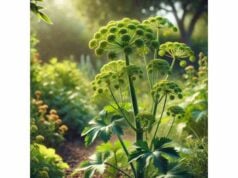
Lemon mint, better known in many plant references as lemon beebalm or lemon bergamot, is an aromatic member of the mint family with a bright citrus-like scent and showy lavender flower whorls. Botanically, it is Monarda citriodora, a North American herb valued in gardens, pollinator plantings, and traditional household use. Its leaves and flowering tops have been used as a flavorful tea herb and as a fragrant plant for digestive, respiratory, and topical support.
What makes lemon mint especially appealing is its chemistry. Studies show that its aerial parts and essential oil can contain thymol, carvacrol, p-cymene, rosmarinic acid, linarin, and related aromatic compounds associated with antioxidant, antimicrobial, and mildly anti-inflammatory activity. That gives the plant real medicinal interest. At the same time, the research is still early. Most of the strongest findings come from essential-oil studies, lab models, and species comparisons rather than from human clinical trials.
So lemon mint is best seen as a promising aromatic herb with practical traditional uses, gentle food-and-tea applications, and enough active chemistry to deserve respect, but not enough human evidence to justify hype.
Quick Facts
- Lemon mint is most credible as a digestive and aromatic support herb used in tea and culinary preparations.
- Its essential oil shows strong antimicrobial and antioxidant activity in laboratory research.
- A conservative tea-style range is about 1 to 2 teaspoons dried aerial parts in 240 mL hot water.
- Avoid medicinal use during pregnancy and breastfeeding, and avoid internal use of the essential oil unless professionally guided.
- The strongest evidence supports chemistry and lab activity, not proven clinical effects in people.
Table of Contents
- What Is Lemon Mint
- Key Ingredients and Medicinal Properties
- What Lemon Mint May Help With
- How to Use Lemon Mint
- How Much Lemon Mint Per Day
- Side Effects, Interactions, and Who Should Avoid It
- What the Evidence Really Shows
What Is Lemon Mint
Lemon mint is an aromatic annual or winter annual herb in the Lamiaceae, or mint, family. Its accepted botanical name is Monarda citriodora. Depending on the region, it may also be called lemon beebalm, lemon bergamot, purple horsemint, or lemon horsemint. The plant is native to parts of the south-central United States and nearby regions, where it grows in open ground, roadsides, prairies, and sunny disturbed sites. When crushed, the leaves release a clear lemony aroma with warm, herbal notes underneath.
The plant is easy to recognize once you know what to look for. It grows upright, often between 1 and 2 feet tall, with opposite leaves and stacked whorls of pink to lavender flowers. Those layered blooms make it especially attractive to bees and other pollinators, which is one reason gardeners often grow it even when they are not using it medicinally. In practical terms, lemon mint is both an herb and a habitat plant.
Historically, the Monarda genus has a stronger medicinal reputation than this single species by itself. Different Monarda species were used in Native American and folk traditions for colds, fevers, respiratory complaints, wound care, and digestive discomfort. Monarda citriodora is often grouped into that broader bee balm tradition, but its species-specific documentation is lighter than that of some close relatives. That nuance matters. It keeps the article accurate and helps prevent the common mistake of borrowing every bee balm claim and attaching it to lemon mint automatically.
Even so, lemon mint clearly has food and tea value. The leaves can be used fresh or dried in herbal teas, salads, and aromatic blends. Plants for a Future lists the leaves as usable raw or cooked and also as a tea herb, which fits how many gardeners and home herbalists treat it: less like a formal medicine cabinet herb and more like a fragrant, multipurpose household plant.
One useful comparison is with basil as a culinary and aromatic health herb. Like basil, lemon mint sits in the overlap between flavor, fragrance, and gentle traditional support. It is not usually the first herb chosen for a strong therapeutic effect. It is the kind of herb people enjoy using because it is pleasant, practical, and active enough to matter.
So what is lemon mint in the most grounded sense? It is a citrus-scented Monarda species used in tea, seasoning, and traditional aromatic practice. Its charm comes from being both beautiful and useful. Its caution comes from the fact that its chemistry is better documented than its clinical outcomes.
Key Ingredients and Medicinal Properties
Lemon mint owes its medicinal potential to a volatile, aromatic chemistry that is typical of strong mints and thymol-rich herbs. The best-studied part of the plant is its essential oil, though nonvolatile phenolic compounds in the aerial parts also matter.
The compounds most often highlighted in Monarda citriodora include thymol, carvacrol, p-cymene, thymol methyl ether, gamma-terpinene, rosmarinic acid, linarin, and other phenolic acids and flavonoids. A 2021 study on Monarda species growing in south Alabama found that the essential oil of M. citriodora was dominated by thymol and carvacrol, with p-cymene and thymol methyl ether among the other main constituents. A 2024 transcriptomic study added another useful layer by describing Monarda citriodora as a rich source of gamma-terpinene, carvacrol, thymol, and thymoquinone, which helps explain why the plant attracts attention from both medicinal and industrial researchers.
These compounds matter because they map onto the herb’s likely medicinal properties.
- Thymol and carvacrol are strongly associated with antimicrobial and antiseptic activity.
- p-Cymene and gamma-terpinene help shape the oil’s aromatic profile and may support antioxidant behavior.
- Rosmarinic acid is a classic Lamiaceae compound linked with antioxidant and mild anti-inflammatory activity.
- Linarin is a flavone glycoside that gives the plant additional phenolic depth.
- Broader flavonoids and phenolic acids support free-radical scavenging and tissue-protective effects.
A 2022 study on chemical variability during plant phenology showed how dynamic this chemistry can be. In that work, thymol remained the major essential-oil component in both leaves and inflorescences, ranging from about 52.63% to 61.83%. The same study found that inflorescences were richest in rosmarinic acid, reaching 507.41 mg per 100 g of dry raw material, while leaves harvested in the vegetative stage contained particularly high amounts of linarin. That tells us something important: with lemon mint, the stage of growth and the plant part used can meaningfully change what you get.
This is one reason it makes sense to compare lemon mint to thyme and its thymol-rich aromatic profile. The two herbs are not interchangeable, but they share a similar logic. Both are rich in strongly scented monoterpenes that help explain their antiseptic and warming reputations.
From a practical herbal standpoint, lemon mint’s most defensible medicinal properties are:
- Aromatic and carminative
- Mildly warming
- Antioxidant
- Antimicrobial in laboratory settings
- Gently supportive for irritated upper airways and sluggish digestion
The key phrase there is “most defensible.” These are properties suggested by chemistry and supported by preclinical work, not fully validated by human trials. Lemon mint clearly has the chemical equipment of a real medicinal herb. What it still lacks is the clinical record to tell us exactly how those compounds translate into reliable, everyday therapeutic outcomes.
What Lemon Mint May Help With
Lemon mint’s likely benefits make the most sense when they are framed modestly. This is an herb with strong aroma, meaningful chemistry, and promising lab activity, but with very limited human research. That means the right question is not “What does it cure?” but “Where does it reasonably fit?”
The clearest traditional fit is digestive support. Like many aromatic Lamiaceae herbs, lemon mint seems best suited to mild post-meal heaviness, gas, bloating, and digestive sluggishness. Warm, fragrant herbs often help by stimulating appetite, warming the stomach, and easing that tight, uncomfortable feeling that can follow a heavy meal. Lemon mint tea is not proven the way a drug is proven, but as a gentle carminative it makes good practical sense.
A second plausible area is cold-season and upper-airway support. Monarda species as a group have long been associated with colds, fevers, coughs, and surface infections. The 2021 South Alabama Monarda study noted that the known activities of thymol, carvacrol, and p-cymene are consistent with traditional uses of Monarda species for wounds, skin infections, colds, fevers, and respiratory problems. That does not establish a clinical indication for M. citriodora, but it does support the common use of lemon mint in teas, steams, and warm herbal preparations during damp, congested times.
A third area is topical and environmental antimicrobial support. This is where the research is strongest, but also easiest to misread. Lemon mint essential oil has shown meaningful antifungal and antimicrobial activity in vitro and in food-preservation research. That makes it scientifically interesting and potentially useful in carefully formulated topical or preservative applications. It does not mean the essential oil should be swallowed casually or used as a stand-alone infection treatment.
A fourth likely benefit is general antioxidant support. A 2022 phenology study found that extracts and oils from lemon mint showed notable antimicrobial and antioxidant activity, with high thymol and rosmarinic acid levels helping explain the result. In a 2023 Monarda comparison study, M. citriodora extracts also showed antioxidant potential comparable to other Monarda species. That supports the idea that lemon mint can contribute gentle protective plant compounds, especially when used as part of a broader dietary or herbal pattern.
Realistic uses, then, include:
- A warming tea for mild digestive discomfort
- A fragrant support herb during cold weather
- A minor ingredient in soothing aromatic blends
- A topical or environmental herb when used carefully and appropriately
Less realistic uses include:
- Treating bacterial infections on your own
- Replacing antifungal medication
- Acting as a hormone or menopause herb
- Delivering a fast, strong medicinal effect from one cup of tea
If you want a more familiar herb for digestive relief, oregano as an aromatic antimicrobial herb offers a better-known comparison point because it shares some of the same thymol-carvacrol logic. Lemon mint belongs in that aromatic-warming family, but with less clinical history and more uncertainty.
So what may lemon mint help with? Mostly the kinds of mild, functional complaints that aromatic herbs have always been used for: digestive heaviness, seasonal congestion, and simple supportive care. Its likely value is real, but it is still best described as supportive rather than definitive.
How to Use Lemon Mint
Lemon mint is easiest to use well when you stay close to its traditional forms. It is a tea herb, a seasoning herb, and an aromatic plant. Those three uses already cover most of what it does best.
The simplest preparation is a light infusion made from the dried or fresh aerial parts. This usually means leaves, tender stems, and flowering tops. The tea has a lemony, warm, slightly thyme-like character rather than a cooling peppermint profile. Many people find it especially pleasant after meals or in the evening when they want something fragrant but not overly sedating.
You can also use lemon mint in food. The leaves work fresh in salads or chopped into soft herb dishes, and dried leaves can be added to savory blends. Because the plant carries a citrus-herbal aroma, it pairs well with poultry, beans, grilled vegetables, mild cheeses, and light broths. In this form, it behaves more like a food herb than a medicinal one, which is often where its best everyday value lies.
Other practical forms include:
- Warm infusion
- Best for digestive support and simple aromatic use.
- Usually prepared as a covered tea to preserve volatile compounds.
- Steam or inhalation support
- A strong bowl infusion may be inhaled for temporary aromatic relief during stuffy, cold-weather discomfort.
- This is gentler and safer than using the essential oil internally.
- Topical infused preparation
- A cooled infusion can be used as a wash or compress for mild skin irritation.
- This use is more traditional and exploratory than clinically defined.
- Essential oil
- Best regarded as a specialized product.
- Appropriate for diluted external use or fragrance applications, not casual internal use.
One important distinction is between the herb and the oil. The whole herb in tea or food is moderate. The essential oil is concentrated. The 2022 phenology paper found essential-oil levels above 3% in leaves and inflorescences at full flowering, which helps explain why the oil is biologically active and why it deserves caution. A few drops of a concentrated oil are not equivalent to a few leaves in tea.
A gentle culinary-therapeutic mindset often works best here. If the goal is a softer, more familiar calming tea, many readers will still prefer chamomile as a gentler daily infusion. Lemon mint is more aromatic, sharper, and more warming. It is less of a bedtime comfort herb and more of a fragrant support herb.
A few best practices improve the experience:
- Harvest just before or during flowering if growing your own.
- Dry in shade to preserve aroma.
- Keep infusions covered while steeping.
- Start with a light tea before trying stronger preparations.
- Use essential oil only if you understand dilution and product quality.
In practical life, lemon mint works best when you use it the way the plant “wants” to be used: in modest, fragrant forms that respect its volatility. The herb rewards restraint more than intensity.
How Much Lemon Mint Per Day
There is no validated clinical dose for lemon mint. That is the most important dosage fact to know. Monarda citriodora has interesting chemistry and promising laboratory data, but it does not yet have a standardized medicinal dosing framework supported by human trials.
That means any daily-use guidance should be understood as traditional or conservative practice guidance, not evidence-based therapeutic dosing.
For a light tea-style preparation, a practical and cautious range is:
- 1 to 2 teaspoons dried aerial parts
- Per 240 mL hot water
- Steeped about 5 to 10 minutes
- Taken 1 to 2 times daily if well tolerated
Fresh herb can also be used, usually in a somewhat larger volume because the water content reduces intensity. A simple household approach is a small handful of fresh flowering tops per cup of hot water, though most people prefer the predictability of dried herb.
For culinary use, the dose question is less formal. Small amounts of fresh or dried lemon mint can be used as:
- A seasoning herb
- A tea ingredient
- A fragrant garnish
- A secondary herb in broths or salad blends
Because its essential oil is potent, it is better not to think of the plant as a “more is better” herb. Even with a tea, stronger is not automatically wiser. Lemon mint’s thymol-rich profile suggests that high-intensity preparations may irritate the stomach or mouth more easily than gentler tea herbs do.
Timing depends on the purpose:
- For digestion, use after meals.
- For a warming aromatic tea, use in the afternoon or evening.
- For seasonal use, short courses around times of mild congestion or digestive heaviness make more sense than indefinite daily use.
Duration should also be modest. Since there is no established long-term dosing record, lemon mint is better approached as:
- An occasional tea herb
- A short seasonal support herb
- A culinary aromatic used repeatedly in food, rather than a strong daily medicinal
The essential oil deserves separate guidance. There is no safe general recommendation here for self-directed internal use. Its concentration is too high, and the evidence base is too thin. For most readers, that means:
- Do not ingest the essential oil casually.
- Use only diluted external preparations from reputable sources.
- Avoid guessing doses by “drops” unless a qualified professional has given a clear plan.
A sensible way to think about dosage is to match confidence to evidence. Tea amounts can be modest and practical. Oil amounts should be treated with caution. Extract-style use is not well standardized enough to recommend broadly.
So how much lemon mint per day is appropriate? In most cases, less than people expect: a mild aromatic tea once or twice daily, or ordinary culinary use, with anything stronger treated as specialized rather than routine.
Side Effects, Interactions, and Who Should Avoid It
Lemon mint is generally best thought of as a moderate-risk herb in normal tea or culinary amounts and a higher-risk substance in essential-oil form. Most of the safety questions come from its aromatic potency, not from any well-established toxicity in ordinary leaf use.
The first concern is irritation from concentrated preparations. Because lemon mint can be rich in thymol and related monoterpenes, stronger preparations may irritate the mouth, throat, stomach, or skin in sensitive people. This is not unusual for aromatic Lamiaceae herbs, but it matters more when the plant is used as an essential oil or overly strong tea.
The second concern is lack of clinical safety data. There are no robust human studies establishing safety in pregnancy, breastfeeding, childhood, or chronic disease management. That gap does not mean the herb is dangerous by default. It means there is not enough evidence to recommend medicinal use confidently in those groups.
The third concern is essential oil misuse. The whole herb in tea is one thing. Internal use of the essential oil is another. Lemon mint oil has been studied mainly for antimicrobial and food-preservation applications, not as a casual self-care ingestible. Undiluted topical use may also irritate the skin.
Possible side effects may include:
- Stomach upset
- Heartburn or warming irritation
- Mouth or throat discomfort from strong tea
- Skin irritation from topical oil
- Allergic reactions in sensitive individuals
Who should avoid self-medicating with lemon mint or use extra caution:
- Pregnant people
- Breastfeeding people
- Children
- People with known sensitivity to thyme-like or mint-family aromatic oils
- People with very sensitive stomachs or reflux aggravated by strong aromatic herbs
- Anyone planning to use the essential oil internally
- Anyone using multiple concentrated herbal extracts without guidance
Drug interactions are not well defined, which is itself a reason for restraint. Because the herb contains active monoterpenes and phenolics, it makes sense to be cautious if you:
- Take several prescription medicines
- Use anticoagulants or antiplatelet drugs
- Are highly sensitive to herbal products in general
That does not mean there is a proven interaction pattern. It means there is not enough human data to rule interaction out with confidence.
One subtle safety point is that lemon mint’s pleasant scent can make it feel gentler than it is. A citrusy tea does not sound risky. But many strongly scented herbs become much more pharmacologically active when concentrated. That is why the difference between herb and oil matters so much here.
If you want an aromatic oil herb with a clearer public safety profile, tea tree as a topical essential-oil comparison is a useful reminder that volatile oils can be helpful and still require strict handling rules.
The safest overall takeaway is straightforward: culinary use is usually reasonable, tea use should stay moderate, and essential-oil use deserves respect. Lemon mint is not an herb to fear, but it is also not an herb to improvise with carelessly.
What the Evidence Really Shows
The evidence for lemon mint is promising, but still mostly preclinical. That is the cleanest way to summarize it.
What is strong:
- Its identity as an aromatic Monarda species is clear.
- Its chemistry is increasingly well described.
- Its essential oil contains meaningful antimicrobial and antioxidant constituents.
- Plant stage and plant part clearly affect composition and activity.
- It has a plausible traditional use profile as part of the broader Monarda story.
What is moderate:
- Species-specific antimicrobial evidence in laboratory settings
- Phenolic and antioxidant profiling of aerial parts
- Potential value as a natural preservative or topical aromatic agent
What is weak:
- Human clinical evidence
- Standardized dosing guidance
- Long-term safety data
- Condition-specific therapeutic recommendations
The 2022 phenology paper is especially helpful because it shows that lemon mint is not only chemically active but also chemically variable. Essential-oil content and phenolic composition shift with growth stage and plant organ, and that likely changes how the herb behaves. This is one of the reasons herbalists should be careful not to overstate precision when talking about monarda teas or oils. A plant harvested in vegetative growth is not chemically identical to one harvested in full flowering.
The 2023 Monarda comparison study adds another important layer. It suggests that Monarda species, including M. citriodora, are noteworthy sources of antioxidant and antimicrobial compounds, especially toward Gram-positive bacteria. That is encouraging, but it still belongs to the world of plant extracts and lab models, not the world of proven bedside treatment.
The 2020 antifungal study goes further in one narrow direction by showing strong fungitoxic and antioxidant activity of Monarda citriodora essential oil in stored food applications. That is scientifically valuable, but it does not automatically tell us how the tea performs in a person with a cold or upset stomach.
This is where many herbal articles go wrong. They move from “the essential oil inhibited molds in vitro” to “the tea treats fungal disease” without stopping to ask whether the dose, route, and setting are remotely comparable. They are not.
So what does the evidence really justify?
- Lemon mint is a chemically serious aromatic herb.
- It likely has real value as a mild digestive and seasonal-support tea.
- It may be useful in carefully designed topical, preservative, or aromatic preparations.
- It is not yet a clinically established treatment herb.
That last point is not a disappointment. It is clarity. Many plants are useful without being fully trial-proven. Lemon mint’s best current place is as a thoughtful, modest herb for tea, flavor, and gentle support, with stronger claims reserved for future evidence rather than current enthusiasm.
References
- Transcriptome-wide investigation and functional characterization reveal a terpene synthase involved in γ-terpinene biosynthesis in Monarda citriodora 2024
- Comparative HPLC–DAD–ESI-QTOF/MS/MS Analysis of Bioactive Phenolic Compounds Content in the Methanolic Extracts from Flowering Herbs of Monarda Species and Their Free Radical Scavenging and Antimicrobial Activities 2023
- Chemical variability of lemon beebalm (Monarda citriodora Cerv. ex Lag.) during plant phenology 2022
- The Volatile Phytochemistry of Monarda Species Growing in South Alabama 2021
- Nanoencapsulated Monarda citriodora Cerv. ex Lag. essential oil as potential antifungal and antiaflatoxigenic agent against deterioration of stored functional foods 2020
Disclaimer
This article is for educational purposes only and does not replace medical advice, diagnosis, or treatment. Lemon mint is an aromatic herb with promising laboratory evidence but limited human clinical data, so its medicinal benefits, ideal dose, and long-term safety are not fully established. Do not use it as a substitute for medical care for infections, persistent digestive symptoms, respiratory distress, or chronic inflammatory conditions. Speak with a qualified healthcare professional before medicinal use if you are pregnant, breastfeeding, taking prescription medicines, or considering essential-oil use beyond standard external dilution.
If you found this article helpful, please share it on Facebook, X, or your preferred platform.