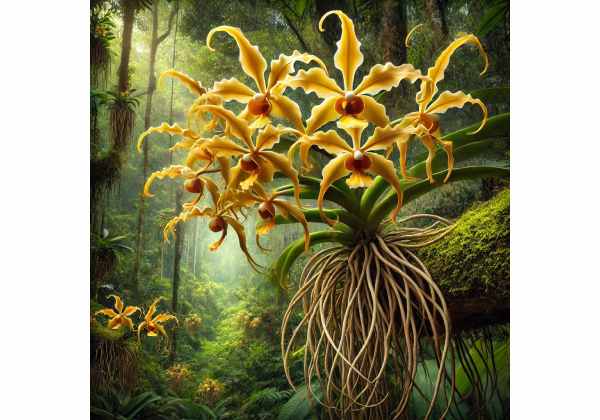
Lemon scented orchid, commonly identified here as Dendrobium discolor, sits at an interesting crossroads between ornamental beauty and traditional plant use. It belongs to a large orchid genus that includes species used in East Asian and Pacific healing traditions, especially for soothing dryness, supporting digestion, and calming inflammatory irritation. That does not mean every claim made about medicinal dendrobiums applies equally to Dendrobium discolor. In fact, the strongest evidence usually comes from other medicinal species such as Dendrobium officinale and Dendrobium nobile, not from this specific orchid.
Still, Dendrobium discolor is worth discussing carefully. Ethnobotanical records suggest topical use for some skin complaints, while broader Dendrobium research points to bioactive polysaccharides, phenanthrenes, flavonoids, and alkaloids that may help explain antioxidant, anti-inflammatory, and mucosal-soothing effects. For readers looking for practical guidance, the key is balance: appreciate the plant’s potential, understand where the evidence is thin, and treat dosage and safety with more caution than marketing language usually suggests.
Quick Overview
- Dendrobium orchids are studied mainly for antioxidant and anti-inflammatory activity, but species-specific evidence for Dendrobium discolor remains limited.
- Traditional use points most clearly to skin support and soothing applications rather than strong disease-specific treatment.
- When medicinal Dendrobium products are used in traditional practice, a common dried stem range is 6 to 12 g daily, but that is not a validated dose for ornamental Dendrobium discolor.
- Pregnant people, children, and anyone using glucose-lowering medicines should avoid self-prescribing it without clinical guidance.
Table of Contents
- What Lemon Scented Orchid Is and Why It Draws Interest
- Key Ingredients and Medicinal Compounds
- Potential Health Benefits of Lemon Scented Orchid
- Traditional and Modern Uses
- Lemon Scented Orchid Dosage Forms and Practical Use
- Safety Side Effects and Who Should Avoid It
- What the Research Really Shows
What Lemon Scented Orchid Is and Why It Draws Interest
Dendrobium discolor is an orchid species better known in horticulture than in mainstream herbal medicine. It belongs to the large Dendrobium genus, a group with hundreds of species spread across Asia, Australia, and the Pacific. Some species are prized chiefly for their flowers. Others have a long medicinal history, especially in traditional Chinese medicine, where dried stems of selected dendrobiums are used for dryness, throat irritation, stomach discomfort, and fluid support. That broader background is one reason people now search for the health benefits of lemon scented orchid.
The first important distinction is botanical versus medicinal identity. A plant can belong to a medicinally respected genus without being equally studied, equally safe, or equally appropriate for home use. In the case of Dendrobium discolor, the historical and ethnobotanical record suggests some traditional topical use, especially in skin-related contexts, but the modern evidence base remains sparse. Most laboratory and review papers focus on species such as D. officinale, D. nobile, and D. loddigesii.
Why, then, does D. discolor attract health interest at all?
One reason is genus chemistry. Dendrobium orchids contain several classes of compounds linked to antioxidant and anti-inflammatory effects. Another is traditional pattern of use. Across the genus, stems, leaves, and flowers have been prepared as decoctions, powders, or topical materials. A third reason is the modern wellness market, which often expands claims from one species to another too quickly.
That is where careful interpretation matters. A reasonable reading of the evidence supports three points:
- Dendrobium discolor has ethnobotanical relevance.
- Medicinal Dendrobium species contain compounds with plausible biologic activity.
- Strong clinical proof for this exact orchid is still lacking.
For practical readers, that means lemon scented orchid should be approached as a plant of interest, not a proven remedy. It may have traditional value and promising chemistry, but it should not be treated like a well-standardized supplement with established human dosing and outcome data. If you enjoy orchids, this species is fascinating. If you want evidence-based herbal care, the smarter move is to separate ornamental appeal from medicinal certainty before deciding how far to take any health claim.
Key Ingredients and Medicinal Compounds
The phrase “key ingredients” in orchid medicine usually refers to naturally occurring bioactive compounds rather than culinary ingredients. In Dendrobium species, researchers most often discuss polysaccharides, bibenzyls, phenanthrenes, flavonoids, lignans, and alkaloids. Not every species contains them in the same amount, and not every preparation captures them equally well, but these groups help explain why Dendrobium has a medicinal reputation.
The best-known group is polysaccharides. These are large carbohydrate molecules that can contribute to water-binding, mucosal coating, prebiotic effects, and immune signaling. In medicinal Dendrobium research, polysaccharides are often linked to soothing, antioxidant, metabolic, and gastrointestinal actions. That partly explains why Dendrobium has a reputation for helping dryness and irritation. In a broad herbal sense, that makes it more comparable to soothing botanicals such as marshmallow than to strongly stimulating herbs.
Next come phenanthrenes and bibenzyls. These are phenolic compounds that have drawn attention for anti-inflammatory, antimicrobial, and antioxidant effects in lab studies. Some Dendrobium-derived compounds appear able to influence inflammatory signaling pathways such as NF-kappaB, oxidative stress markers, and cellular responses involved in tissue irritation. This does not prove disease treatment in humans, but it gives a plausible mechanism for traditional uses involving inflamed skin or irritated mucosa.
Flavonoids also matter. Like flavonoids in many medicinal plants, they may help neutralize reactive oxygen species and reduce oxidative stress. Since chronic oxidative stress often overlaps with inflammation, metabolic dysfunction, and tissue aging, flavonoid-rich plant extracts are often studied for broad protective effects.
Alkaloids are a smaller but still relevant category. These nitrogen-containing compounds can be biologically active even in small amounts. In Dendrobium research, alkaloids are discussed less often than polysaccharides, but they contribute to the plant’s pharmacologic complexity.
When people ask what part of lemon scented orchid is medicinal, the answer is usually the stem or cane in the wider Dendrobium tradition. Leaves and flowers may also contain active compounds, but stem material is the most established form in the medicinal literature. That is another reason home experimentation with ornamental plants is unwise: the specific plant part, harvest stage, drying method, and extraction style all affect what ends up in the final preparation.
In plain terms, the likely “medicinal properties” of lemon scented orchid come from a mixture of soothing polysaccharides and phenolic compounds with antioxidant and anti-inflammatory potential. The chemistry is promising. The challenge is standardization. Without verified species identity and a controlled preparation, the same plant can move from intriguing to unpredictable very quickly.
Potential Health Benefits of Lemon Scented Orchid
The safest way to discuss lemon scented orchid benefits is to rank them by confidence rather than by marketing appeal. The most defensible benefits are those that match traditional use and align with broader Dendrobium chemistry. The least defensible are dramatic claims about cancer, diabetes, or anti-aging in people. Those may appear in promotional content, but the human evidence is not there for Dendrobium discolor.
A careful benefit profile looks like this.
1. Soothing support for irritated tissues
Across medicinal Dendrobium species, stems are traditionally associated with moisture support, throat comfort, and relief from dryness. Polysaccharides likely play a role here. If D. discolor shares part of this chemistry, a mild soothing effect on irritated mucosa is plausible. That does not make it a treatment for chronic respiratory disease, but it helps explain why the genus is often discussed for dry throat, mouth dryness, and digestive irritation.
2. Antioxidant support
Dendrobium compounds have shown antioxidant activity in laboratory and animal work. That means they may help reduce oxidative damage or improve antioxidant enzyme activity under experimental conditions. For everyday readers, the practical meaning is modest: the plant may contain compounds that support cellular resilience, but it should not be framed as a stand-alone antioxidant solution.
3. Anti-inflammatory potential
This is one of the most consistently discussed properties in the Dendrobium literature. Various Dendrobium-derived compounds appear to influence inflammatory mediators and signaling pathways. That matters because inflammation underlies many symptoms people care about, from irritated skin to digestive discomfort. Still, most evidence remains preclinical. It supports possibility, not prescription.
4. Skin-related use
This is where Dendrobium discolor becomes more specifically interesting. Ethnobotanical reports place the species among dendrobiums used topically for skin complaints. That does not automatically prove antifungal or wound-healing effectiveness in modern clinical terms, but it supports the idea that this orchid has a traditional place in skin care rather than only in oral tonic use.
5. Metabolic and gut effects
Some better-studied Dendrobium species, especially D. officinale, have shown prebiotic, gut-modulating, lipid-lowering, and glucose-related effects in animal models. These findings are scientifically interesting, but they should not be transferred directly to lemon scented orchid without qualification. Species differences matter.
A realistic reader should also keep in mind what not to expect. There is no solid evidence that Dendrobium discolor reliably treats infections, reverses diabetes, prevents cardiovascular disease, or functions like a drug. Its strongest profile is still “potentially soothing, antioxidant, and anti-inflammatory with traditional skin relevance.”
That may sound conservative, but it is useful. Many herbs get oversold because promising chemistry is mistaken for proven clinical benefit. Lemon scented orchid is more valuable when understood honestly: a traditional orchid with interesting compounds, meaningful cultural context, and a limited but credible case for gentle supportive use rather than aggressive therapeutic claims.
Traditional and Modern Uses
Traditional use gives this orchid much of its medicinal identity. In the wider Dendrobium tradition, preparations are commonly tied to dryness, heat, irritation, fatigue, and digestive discomfort. For Dendrobium discolor specifically, ethnobotanical references point more clearly toward topical application for skin concerns than toward a strong, documented oral therapeutic tradition in modern practice.
That distinction matters because “uses” can mean very different things:
- ceremonial or folk use
- regional household use
- pharmacopoeial medicinal use
- modern supplement use
- cosmetic or topical use
For lemon scented orchid, topical heritage is easier to defend than standardized oral use.
Traditional uses that appear most plausible
- Bruised stem or cane material applied as a poultice
- Skin support for irritated or itchy areas
- Use within a broader family of soothing dendrobiums rather than as a solo, standardized herb
Modern uses that are often discussed
- Herbal teas or decoctions made from medicinal Dendrobium species
- Powdered or extracted Dendrobium products in functional foods
- Cosmetic formulas aimed at hydration, antioxidant support, or skin comfort
- Wellness blends targeting dryness, digestive comfort, or recovery support
The problem is product confusion. A person may buy a decorative orchid, see claims about “Dendrobium benefits,” and assume the living ornamental plant can be used the same way as a verified medicinal raw material. That is not a safe assumption. Medicinal Dendrobium products are usually species-selected, processed, dried, and quality-controlled in ways ornamental plants are not.
If someone is considering oral use, the more sensible comparison is not to random flowers or houseplants, but to traditional prepared herbs. In practice, medicinal Dendrobium is more likely to appear in decoctions, powders, or formulas that may also include soothing botanicals such as licorice. Those combinations are designed around herbal patterns and preparation methods, not casual garden harvesting.
Topical use is different. A traditional poultice or external preparation is often meant for local support, not systemic treatment. Even there, modern caution is essential. Skin can react to fresh plant material, contamination is possible, and folk preparation does not guarantee safety for sensitive individuals.
In modern wellness language, the best use case for lemon scented orchid is “niche and cautious.” It may have relevance in topical tradition and may share part of the soothing chemistry seen in medicinal Dendrobium species. But it should not be treated as a mainstream daily supplement without proper species verification and product standardization. Traditional use can guide curiosity. It should not replace quality control, dose awareness, and medical judgment.
Lemon Scented Orchid Dosage Forms and Practical Use
Dosage is the point where many orchid articles become unreliable. The honest answer is that there is no well-established, evidence-based human dosage for Dendrobium discolor itself. Most published dosage language comes from other medicinal Dendrobium species, especially D. officinale, and even there the stronger traditions come from herbal practice and pharmacopoeial guidance rather than large human trials.
The range most often cited for medicinal Dendrobium stem is 6 to 12 g per day of dried material, usually prepared as a decoction. That is useful context, but it should not be mistaken for a green light to boil ornamental D. discolor canes at home. Species identity, quality, contaminants, and extraction strength all matter.
For readers who want a practical framework, think in terms of forms first.
Common forms associated with medicinal Dendrobium
- Dried stem decoction
Traditionally simmered in water for a sustained extraction. - Powdered raw material
Easier to standardize by weight, harder to judge by potency. - Concentrated extract
Potency varies widely by manufacturer and extraction ratio. - Functional food products
Often blended, so the true dose of Dendrobium may be modest. - Topical preparations
Less standardized, often based on folk or cosmetic use.
If a clinician or qualified herbal practitioner has already recommended a verified medicinal Dendrobium product, a cautious approach usually looks like this:
- start at the low end of the labeled range
- use one form at a time
- avoid combining several new herbs together
- monitor digestion, skin, and blood sugar response
- stop if irritation or unexpected symptoms appear
Timing also matters. A decoction is often taken once or twice daily, while extracts may be divided across the day according to label strength. Taking it with food may reduce stomach upset in sensitive users.
What should not be done is equally important:
- Do not improvise a dose from a florist orchid.
- Do not assume fresh plant weight equals dried medicinal weight.
- Do not copy animal-study doses.
- Do not use more because the plant seems “natural” or “gentle.”
- Do not treat chronic symptoms with it in place of diagnosis.
As a rule, lemon scented orchid is not a beginner herb. If your goal is a mild calming or digestive tea, gentler and better-understood options such as lemon balm usually make more sense. If your goal is medicinal Dendrobium, use a verified product and professional guidance rather than an ornamental plant. With orchids, correct identity and preparation are part of the dose.
Safety Side Effects and Who Should Avoid It
Safety is where caution should outweigh enthusiasm. Dendrobium is often described as low in toxicity in experimental and traditional contexts, especially for well-characterized medicinal species. But “low toxicity” is not the same as “safe for everyone,” and it certainly does not mean all Dendrobium discolor preparations are appropriate for home use.
The most likely mild side effects are gastrointestinal. These may include nausea, bloating, loose stools, or stomach discomfort, especially with concentrated products or poor-quality preparations. Fresh plant material can also irritate the skin in some people, particularly if applied topically without patch testing.
A second issue is allergy. Orchids are not common food plants for many people, so sensitivity is unpredictable. Anyone with a history of plant allergies, contact dermatitis, or strong reactions to botanical extracts should be cautious.
A third issue is product quality. This may be the biggest real-world safety concern. Medicinal plant products can vary in species identity, drying conditions, pesticide residue, microbial contamination, and extraction strength. With ornamental orchids, the risk increases because the plant may have been treated with fertilizers, fungicides, or insecticides not intended for ingestion.
The main groups who should avoid self-prescribing lemon scented orchid are:
- Pregnant and breastfeeding people because human safety data are inadequate
- Children and adolescents because dosing and toxicity data are not established
- People using diabetes medicines because some Dendrobium research suggests glucose-related effects
- People with multiple medications or chronic illness because interaction data are limited
- Anyone preparing to have surgery unless a clinician says otherwise
- People with known plant allergies or highly reactive skin
Another practical concern is false reassurance. Some readers assume that because Dendrobium is described as nourishing or moistening in traditional language, it must be gentle enough for long-term unsupervised use. That is not a safe assumption. Traditional suitability depends on constitution, symptoms, preparation, and combination with other herbs.
It is also worth remembering that low-quality evidence can make a plant look safer than it really is. If side effects were not studied well, they may simply be underreported. That is one reason better-studied herbs and supplements have more useful safety profiles: the data are deeper, not necessarily because the plants are inherently milder.
A good rule is simple. If you are curious about lemon scented orchid for topical tradition, test cautiously and stop at the first sign of irritation. If you are considering oral use for health purposes, use only a verified medicinal product and professional advice. Beauty, tradition, and biologic promise do not remove the need for careful risk assessment.
What the Research Really Shows
The research story on lemon scented orchid is promising but incomplete. Broadly, Dendrobium research supports the idea that this genus contains biologically active compounds with antioxidant, anti-inflammatory, immune-modulating, skin-related, and metabolic potential. Narrowly, the specific evidence for Dendrobium discolor remains very limited, especially in human studies.
That means the evidence ladder looks something like this:
- Traditional and ethnobotanical use: present
- Phytochemical plausibility: present
- Lab and animal evidence from related Dendrobium species: fairly strong
- Human clinical trials specific to Dendrobium discolor: essentially absent
- Standardized therapeutic guidance for this exact species: lacking
This is not a reason to dismiss the plant. It is a reason to interpret it correctly. Many valuable medicines began with traditional use and early chemistry. But before a plant can be responsibly recommended, researchers need consistent species identification, standardized extracts, pharmacokinetic data, better safety work, and controlled human trials.
At the moment, lemon scented orchid fits best into the category of traditionally interesting and scientifically plausible, but not clinically proven. That is an honorable category. It just does not support exaggerated promises.
For readers who care about evidence, the main takeaway is this: if you want to learn about Dendrobium as a medicinal group, there is real science worth following. If you want a proven plant with clearer human data, there are better-characterized options in the herbal world, including botanicals such as ginseng that have moved further along the research pipeline.
The best use of current knowledge is practical humility. Lemon scented orchid may support gentle topical care and may share some of the soothing and anti-inflammatory chemistry seen in other dendrobiums. It may also become more important as research expands. But right now, the plant is most useful as a subject for informed curiosity, not as a self-prescribed cure.
That balanced view protects both good science and traditional knowledge. It allows the orchid to be appreciated for what it is: a fascinating plant with real medicinal context, meaningful unanswered questions, and enough promise to justify study, but not enough proof to justify overconfident claims.
References
- Traditional Uses and Pharmacologically Active Constituents of Dendrobium Plants for Dermatological Disorders: A Review 2021 (Review)
- Traditional Uses, Phytochemistry, Pharmacology, and Quality Control of Dendrobium officinale Kimura et. Migo 2021 (Review)
- Traditional uses, chemical compositions and pharmacological activities of Dendrobium: A review 2023 (Systematic Review)
- The Antioxidant Dendrobium officinale Polysaccharide Modulates Host Metabolism and Gut Microbiota to Alleviate High-Fat Diet-Induced Atherosclerosis in ApoE−/− Mice 2024 (Animal Study)
- Anti-inflammatory properties of Dendrobium: A systematic review of pharmacological mechanisms 2026 (Systematic Review)
Disclaimer
This article is for educational purposes only and does not replace medical advice, diagnosis, or treatment. Lemon scented orchid and other Dendrobium products are not proven treatments for any disease, and species confusion can create safety risks. Do not ingest ornamental orchids or begin a new herbal regimen during pregnancy, breastfeeding, childhood, chronic illness, or prescription drug treatment without guidance from a qualified healthcare professional.
If this article helped you, please consider sharing it on Facebook, X (formerly Twitter), or another platform your readers and colleagues use.