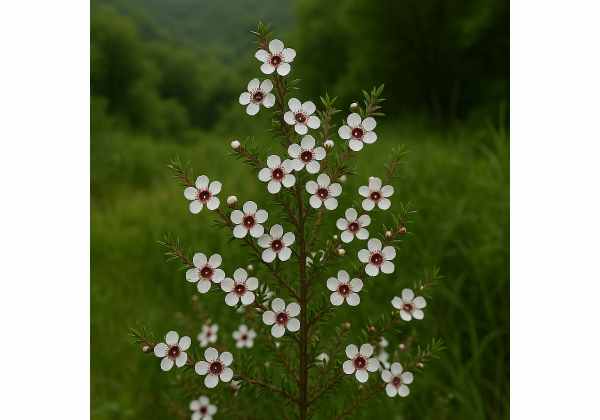
Manuka, or Leptospermum scoparium, is a flowering shrub native to New Zealand and parts of Australia, where it has long been valued for practical medicinal use. Today, it is best known through two high-profile products: manuka essential oil and manuka honey. Both come from the same plant, but they are not the same remedy, and they do not work in the same way. That distinction is the key to understanding manuka well.
The leaf and branch oil is rich in antimicrobial aromatic compounds, especially beta-triketones, and is mostly discussed for skin-focused uses. Manuka honey, by contrast, is prized for wound care and mucosal support because of its unique chemical profile and broad topical activity. Traditional use also includes boiled leaves for colds, fever, pain, and skin complaints. Modern research supports some of these uses more strongly than others. The most helpful way to approach manuka is to look at its forms separately, understand where the evidence is strongest, and use it with a respect for potency, product quality, and safety.
Key Facts
- Manuka’s strongest evidence is topical, especially for antimicrobial skin support and wound-focused products.
- Manuka oil and manuka honey have different key actives and should not be treated as interchangeable.
- For leave-on skin use, manuka essential oil is commonly kept around a 1% to 2% dilution in a carrier or finished product.
- Avoid ingesting manuka essential oil, and avoid unsupervised use if you have a bee-product allergy, a serious wound, or a chronic medical condition that needs active treatment.
Table of Contents
- What Manuka Is and Why Form Matters
- Key Ingredients and How the Chemistry Changes by Form
- Manuka Benefits and What the Evidence Supports
- How Manuka Is Used in Practice
- Dosage, Timing, and How to Choose a Product
- Manuka Safety, Side Effects, and Interactions
What Manuka Is and Why Form Matters
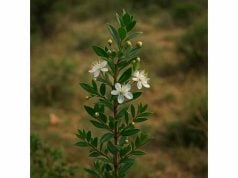
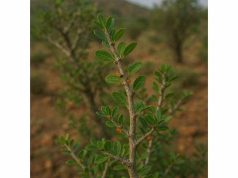
Manuka is a hardy shrub in the myrtle family, with narrow aromatic leaves, pale flowers, and a strong tradition of practical use in Māori medicine. The bark, leaves, and steam-distilled oil have all been used in different ways, and the nectar later became the basis for the manuka honey now known worldwide. For a reader trying to use manuka wisely, the most important fact is simple: “manuka” is not one single preparation. It is a plant that shows up in several forms, and those forms have very different strengths, limits, and safety profiles.
The first form is the leaf and small branch material, traditionally boiled as a tea or wash. This is the least standardized form and the least commercialized, but it reflects the plant’s older folk role. The second form is manuka essential oil, distilled from foliage and young stems. This is the form most associated with modern antimicrobial and skin-focused use. The third form is manuka honey, made from the nectar of the flowers and used mainly for topical wound care, oral comfort, and selected medical-grade dressings. The fourth is a growing category of formulated products such as creams, gels, sprays, and cleansers that combine manuka oil or manuka honey with other ingredients.
These differences matter because the chemistry changes with the form. A leaf tea does not deliver the same compounds in the same proportions as a distilled oil. A medicinal honey does not share the same active profile as the leaf. Someone buying a jar of manuka honey for a sore throat is not getting the same thing as someone using a diluted manuka oil blend for skin. This may sound obvious, but it is where many health articles go wrong. They flatten the entire plant into one generic list of benefits and skip the practical question of which preparation actually matches which use.
Manuka also belongs to a broader group of “tea tree” relatives in the myrtle family, which is one reason it is often compared with tea tree and other antimicrobial essential oils. Those comparisons can be useful, but they can also mislead. Tea tree oil and manuka oil share a topical, aromatic, antimicrobial reputation, yet their main compounds and clinical positioning are not identical. Manuka tends to be discussed more often in relation to beta-triketones and honey-linked wound applications, while tea tree is more familiar in over-the-counter skin products.
Traditional use helps clarify the plant’s range. Historical accounts describe boiled leaves for colds, fever, and pain; crushed leaves or bark for skin complaints; and general household use where infection, irritation, or congestion seemed present. Modern commercial interest has simply narrowed and intensified those themes. Instead of a boiled leaf wash, people now buy concentrated oil. Instead of folk honey, they buy graded medical or premium honey. The plant is the same, but the context is much more specialized.
The best starting point, then, is not “What does manuka do?” but “Which form of manuka am I actually talking about?” Once that question is clear, the rest of the article becomes much easier to navigate.
Key Ingredients and How the Chemistry Changes by Form
Manuka’s chemistry is one of the main reasons it has stayed relevant in both traditional practice and modern product development. But the chemistry only makes sense when it is tied to form. The leaf, the oil, and the honey do not share the same dominant actives, which is why each form has its own practical role.
In manuka essential oil, the headline compounds are the beta-triketones. The best-known names include leptospermone, isoleptospermone, flavesone, and grandiflorone. These are especially important because they appear to drive much of the oil’s antimicrobial activity. A great deal of the modern interest in manuka oil comes from these compounds and from the way their concentrations vary by region, chemotype, and season. Some oils are much richer in triketones than others, which means two products labeled “manuka oil” may not behave in the same way. That variation is not a minor detail. It is central to how the oil performs.
The oil also contains monoterpenes and sesquiterpenes, which shape its aroma, skin feel, and broader biologic profile. These compounds may contribute anti-inflammatory, aromatic, and supportive topical effects, even when the beta-triketones remain the main antimicrobial story. Together, this creates a more complex picture than a single-compound product. Whole oils often behave through synergy rather than through one isolated molecule acting alone.
Leaf extracts and broader Leptospermum preparations add another layer. In the plant and genus more broadly, researchers have identified non-volatile compounds such as quercetin, ellagic acid, myricetin, and other polyphenolic substances. These are more relevant to teas, extracts, and whole-plant materials than to the distilled essential oil. They may help explain why traditional boiled-leaf uses were associated with soothing, warming, and general support rather than only with sharp topical disinfection.
Manuka honey is different again. Its chemistry is tied to nectar transformation rather than leaf distillation. The compounds most often discussed here are methylglyoxal, leptosperin, low pH, osmotic sugar effects, and other honey-associated antimicrobial factors. This is why honey dressings and honey rinses should never be confused with leaf oils. Honey acts as a topical wound medium with moisture-balancing, antibacterial, and tissue-protective effects, while the oil acts more like a concentrated aromatic antimicrobial ingredient.
A useful way to remember manuka’s major chemistry is this:
- Leaf and branch oil: beta-triketones plus aromatic terpenes, mostly relevant to topical antimicrobial use.
- Whole leaf or simple extract: polyphenols and supportive plant compounds, more relevant to teas or washes.
- Honey: methylglyoxal-centered antimicrobial and wound-care chemistry.
This division helps avoid two common mistakes. The first is assuming that a high-MGO honey tells you something about the oil. It does not. The second is assuming that the strongest antimicrobial lab data on the oil automatically justify internal use of the whole plant. They do not. Chemistry points toward possibilities, but it does not erase the need for form-specific caution.
For readers who like essential-oil comparisons, manuka is often discussed alongside other aromatic antimicrobials such as thyme-derived essential preparations. The difference is that manuka’s triketone-rich profile gives it a distinctive identity. It is not just another “tea tree” or just another fragrant antiseptic. Its chemistry is unusually form-dependent, and that is exactly why careful use matters.
Manuka Benefits and What the Evidence Supports
Manuka has several plausible and useful health applications, but they do not all carry the same weight of evidence. The strongest support is topical. The weakest area is routine internal use of the essential oil or broad claims about the whole plant as a cure-all. Once that hierarchy is clear, the plant becomes much easier to evaluate honestly.
The best-supported benefit is antimicrobial skin and wound support. Laboratory work consistently shows that manuka oil can inhibit a range of bacteria and some fungi, with especially interesting activity against Gram-positive organisms such as Staphylococcus aureus. Some studies also suggest anti-biofilm potential, which matters because biofilms can make superficial infections harder to shift. This does not mean manuka oil replaces antibiotics or wound care when a true infection is present. It means the oil has a credible scientific basis for topical antimicrobial use in well-formulated products.
The second major benefit area is wound-focused honey care. Medical-grade honey, including manuka-based dressings, has been studied in chronic wounds and difficult-to-heal skin problems. The evidence is not perfect, but it is meaningful. Modern reviews suggest that honey dressings may shorten healing time in some wound settings and may support debridement, bacterial control, and moisture balance. This is one of the clearest places where manuka-linked products move beyond folklore into practical clinical relevance. The important qualifier is that the evidence applies to medical-grade honey and wound products, not to random kitchen honey spread on a serious wound.
A third likely benefit is mild anti-inflammatory support. This appears in both the oil literature and the honey literature. In practice, it means manuka may help calm irritated skin or create a better environment for healing, rather than acting only as a microbe-fighter. This is part of why it shows up in creams, balms, spot products, and wound-oriented formulations.
Respiratory and throat uses are more traditional than clinically settled. Leaves were historically boiled for colds, fever, and pain, and manuka honey is commonly used for throat comfort. Those uses are plausible and practically reasonable, but the evidence is less standardized than the wound-care data. A warm manuka leaf tea or a spoon of honey may have a place in supportive self-care, but neither should be oversold as a treatment for pneumonia, severe sinus infection, or persistent respiratory disease.
The evidence also shows important limits. A recent randomized trial of a 2% manuka-oil cream for eczema did not find a meaningful advantage over vehicle cream, even though both groups improved over time. That is a valuable reminder that good lab data do not guarantee a better clinical outcome. Manuka can be promising and still not outperform a well-made base cream in every condition.
The most practical benefit summary looks like this:
- Strongest: topical antimicrobial use, especially in oils and formulated products.
- Strong and clinically relevant: medical-grade honey dressings for selected wounds.
- Reasonable but less standardized: throat and upper-respiratory comfort support.
- Weaker or less established: general internal wellness use and disease-specific claims.
For readers mainly seeking gentle skin recovery rather than a more active antimicrobial botanical, aloe vera is often a simpler topical starting point. Manuka tends to make more sense when antimicrobial support is part of the goal. That distinction is what keeps the plant useful instead of overhyped.
How Manuka Is Used in Practice
In real-world use, manuka is best approached as a form-specific tool rather than a one-size-fits-all herb. The plant can show up as a leaf tea, an essential oil, a honey dressing, a lozenge, or a cosmetic ingredient, but the safest and most effective way to use it depends entirely on which of those you are holding.
Traditional leaf use is the oldest and often the gentlest. Boiled leaves or a simple infusion have been used for colds, feverish discomfort, aches, and general warming support. This kind of use makes sense when the goal is modest and supportive. It does not depend on aggressive dosing, and it fits the plant’s household-medicine history. Still, modern products are far more likely to focus on oil or honey than on dried leaves.
Manuka essential oil is the most active modern form from a topical point of view. It is often found in creams, spot treatments, cleansers, scalp products, and diluted skin blends. In practice, it is used for minor blemishes, superficial skin irritation, and products aimed at reducing surface microbial burden. Some people also use it in diffusers or aromatic steam settings, though that role is less clearly defined than its skin role. For respiratory comfort, the tradition of warm leaf preparations is arguably clearer than heavy reliance on essential-oil inhalation, and many people looking for an inhalation-centered herb still gravitate toward eucalyptus-based respiratory support instead.
Manuka honey has the clearest modern niche: wound care and mucosal comfort. This includes medical-grade dressings, gels, and selected oral products such as lozenges or rinses. The word “medical-grade” matters. It signals that the honey has been prepared and standardized for clinical or therapeutic use, rather than simply sold as a food. For minor sore-throat comfort, ordinary high-quality manuka honey may still be used by many people, but for wounds, sterile medical-grade products are the relevant category.
The most practical forms can be grouped like this:
- Leaf tea or wash for light traditional support.
- Diluted essential oil or finished topical products for skin-focused antimicrobial use.
- Medical-grade honey for wound-related topical use.
- Honey lozenges or oral comfort products for throat support.
What usually works best is matching the form to a narrow goal. If the goal is a small inflamed spot on the skin, a properly diluted oil or finished cream makes sense. If the goal is a difficult superficial wound, a medical-grade honey dressing is the more relevant form. If the goal is everyday soothing after shaving or windburn, a gentler herbal topical may sometimes be enough.
There are also common mistakes worth avoiding:
- Using undiluted essential oil directly on large areas of skin.
- Assuming supermarket manuka honey is a wound dressing.
- Treating UMF or MGO scores as if they describe oil potency.
- Using manuka as a substitute for medical evaluation when infection, deep tissue injury, or chronic symptoms are present.
In other words, manuka is highly usable, but only when form and purpose are matched carefully. Used that way, it is practical. Used vaguely, it becomes confusing fast.
Dosage, Timing, and How to Choose a Product
Manuka dosage is one of those topics where precision sounds easier than it really is. There is no single “correct dose” for manuka because the plant is used in very different formats. A drop-based essential oil, a spoon of honey, and a cup of leaf tea cannot be dosed by one shared rule. The smartest approach is to think in categories and to respect the fact that manuka is better standardized externally than internally.
For leaf tea, the safest guidance is modest. A light infusion or decoction, often around 1 to 2 g of dried leaf material per 250 mL of hot water, once or twice daily for short-term use, fits the plant’s traditional style better than high-dose supplementation. This is not a strongly evidence-based clinical dose. It is a cautious, folk-style range for supportive use.
For essential oil, the most important dosage principle is dilution. Leave-on use is commonly kept around 1% to 2% in a carrier or in a professionally formulated product, especially when the oil is being applied to the skin rather than washed off quickly. More concentrated use may be appropriate in some tested products, but self-mixing at high strength is a bad idea. Essential oils are potent, and manuka oil is not meant to be swallowed casually or used neat over wide areas.
For honey, dosage is really about use case. Oral comfort use may involve a teaspoon-sized amount or a lozenge as needed, while wound care depends on a dressing system rather than a kitchen measure. Here, product choice matters more than the idea of a household “dose.” For wounds, the question is not “how many teaspoons?” but “is this a medical-grade wound product, and is the wound appropriate for home care at all?”
A few practical rules make manuka dosing much easier:
- Start with the mildest form that matches the goal.
- Use topical manuka oil in dilution, not straight from the bottle.
- Keep internal whole-plant use modest and short term.
- Reserve wound use for medical-grade honey products, not food honey.
- Stop if irritation, rash, worsening pain, or obvious intolerance develops.
Timing also matters. Essential-oil topicals are usually easiest to judge when applied once daily at first, especially on reactive skin. Leaf teas often make the most sense earlier in the day or around periods of respiratory or throat discomfort. Honey lozenges or spoonfuls are most practical when used around sore-throat symptoms or mouth irritation rather than as an all-day habit.
Product labels need careful reading. This is especially true with honey grading. UMF and MGO ratings apply to honey, not to essential oil and not to leaf tea. Someone shopping for manuka oil who focuses only on honey ratings is using the wrong metric entirely. Likewise, an oil label that says “manuka” tells you very little unless it also offers botanical identity, source, and ideally some indication of chemotype or standardization.
If your goal is mild skin soothing rather than a more targeted antimicrobial action, a simpler and softer topical such as calendula-based skin support may be easier to use day to day. Manuka makes the most sense when you want a product with a sharper antimicrobial and wound-oriented profile.
The larger lesson is that manuka works best when the dose is conservative, the form is appropriate, and the label is understood. With this plant, choosing the right product is often more important than pushing the amount higher.
Manuka Safety, Side Effects, and Interactions
Manuka is often marketed as gentle because it is natural and strongly associated with honey, but safety depends heavily on form. Honey, diluted topical oil, and essential oil taken internally do not belong in the same risk category. The safest way to think about manuka is to separate these clearly and to use the most active form, the essential oil, with the most caution.
Manuka essential oil can irritate the skin if used undiluted or if applied too often on sensitive areas. Common problems include redness, stinging, itching, dryness, and contact dermatitis. A patch test is sensible before wider use, especially if you have reactive skin, eczema, or a history of fragrance sensitivity. Even though some cosmetic safety data on manuka oil are reassuring, clinical dosing and toxicity data remain limited compared with more established over-the-counter actives. That is one reason the oil belongs in the “careful topical use” category rather than the “casual self-experiment” category.
Internal essential-oil use is the clearest line to avoid. Pure manuka essential oil should not be swallowed unless it is part of a specifically formulated product under qualified guidance. Essential oils are concentrated substances, not ordinary teas. The gap between a fragrant plant and a distilled oil is large, and that gap is where many safety mistakes happen.
Honey has a different profile. Oral manuka honey is generally well tolerated as a food in most adults, but it still deserves caution in people with diabetes, strict carbohydrate management plans, or known bee-product allergies. Honey should not be given to infants under one year of age. In wound care, only medical-grade honey products should be used on open wounds. Food honey is not a sterile dressing.
The people who should be most cautious include:
- anyone with a known allergy to bee products or myrtle-family plants
- people with very sensitive or inflamed skin
- infants under one year for any honey use
- people with poorly controlled diabetes if using honey frequently
- people with serious, deep, or worsening wounds
- anyone planning to ingest essential oil
- people using multiple fragranced topical actives that may raise irritation risk
Interactions are less well mapped than with some oral herbs, but there are practical concerns. Combining manuka oil with multiple potent topicals, acids, retinoids, or strong exfoliants can push irritated skin further than intended. In other words, even if manuka is not the sole cause of a reaction, it can become part of an overloaded skin routine.
A useful safety distinction is this: manuka is usually low risk when used as a normal food honey, moderate and manageable when used as diluted oil or a finished topical, and much less predictable when people move into concentrated, internal, or improvised use. That is a big reason why modern clinical interest has focused on standardized wound products and formulated creams rather than on do-it-yourself internal oil use.
If your goal is simple surface toning or cooling comfort rather than a more active antimicrobial action, witch hazel and other milder topicals may be easier to tolerate. Manuka earns its place when its stronger antimicrobial or wound-focused features are actually needed.
The bottom line is straightforward. Manuka can be a very useful botanical, but the safest and most evidence-based lane is topical, diluted, and product-specific. When the form gets more concentrated, the margin for error gets smaller. Respecting that difference is what keeps manuka practical rather than problematic.
References
- Randomised controlled trial of mānuka oil-based ECMT-154™ vs. vehicle control for the topical treatment of eczema, conducted in community pharmacies in New Zealand 2026 (RCT)
- A Comprehensive Review of the Botany, Bioactive Compounds and Health Benefits of Leptospermum 2025 (Review)
- TLC-Bioautography-Guided Isolation and Assessment of Antibacterial Compounds from Manuka (Leptospermum scoparium) Leaf and Branch Extracts 2024 (Phytochemistry Study)
- Mānuka Oil—A Review of Antimicrobial and Other Medicinal Properties 2020 (Review)
- Efficacy and Safety of Honey Dressings in the Management of Chronic Wounds: An Updated Systematic Review and Meta-Analysis 2024 (Systematic Review)
Disclaimer
This article is for educational purposes only and does not replace medical advice, diagnosis, or treatment. Manuka products differ widely by form, strength, and intended use. Essential oil should not be ingested casually, wound care should rely on medical-grade products rather than food honey, and persistent or severe symptoms should be evaluated by a qualified clinician. Seek prompt medical care for deep wounds, spreading redness, fever, severe pain, allergic reactions, or symptoms that do not improve.
If you found this article helpful, please consider sharing it on Facebook, X, or your preferred platform.