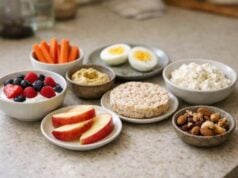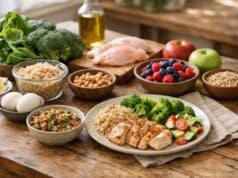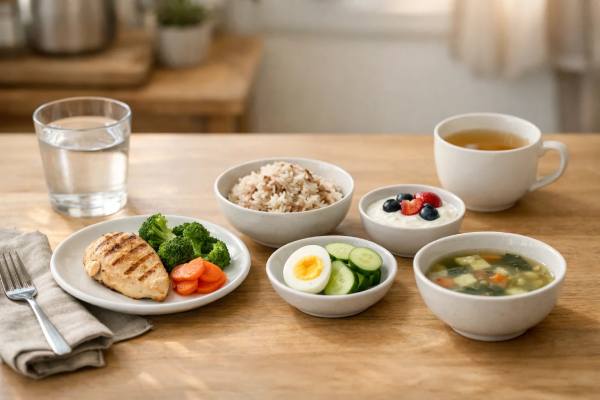
Eating on a GLP-1 medication is different from eating on a standard weight-loss plan. Appetite often drops, portions that used to feel normal may suddenly feel too large, and common side effects such as nausea, reflux, constipation, or early fullness can make usual healthy meals harder to tolerate. A good GLP-1 meal plan is not about eating as little as possible. It is about getting enough protein, fluids, fiber, and nutrients in a way your stomach can handle.
The most effective plan is usually simple: smaller meals, lighter textures when symptoms flare, protein at each meal, and fewer greasy or oversized meals that sit heavily. Below, you will find a practical meal structure, foods to prioritize, foods that often make side effects worse, a sample multi-day meal plan, and ways to adjust when your stomach is not cooperating.
Table of Contents
- How GLP-1 medications change eating
- Meal plan rules that work best
- Best foods when appetite is low
- Foods and habits that often backfire
- Sample 3-day GLP-1 meal plan
- How to eat around common side effects
- Protecting muscle and avoiding under-eating
- When to call your clinician
How GLP-1 medications change eating
GLP-1 medications can make weight loss easier, but they also change the eating experience in ways many people do not expect. Hunger often falls quickly. Fullness shows up sooner. Rich meals may feel much heavier than before. Some people also notice food aversions, less interest in meat, less thirst, or a strange pattern where they can go hours without eating and then feel weak, nauseated, or wiped out later.
That is why a normal “diet meal plan” does not always fit well once a GLP-1 is on board. A giant salad, a greasy takeout meal, or a heavy protein shake that used to seem fine can suddenly feel like too much. The goal shifts from simply lowering calories to matching your food choices to your new appetite and slower gastric emptying.
A few changes are especially common:
- Smaller appetite: you may no longer tolerate large meals, even if they are healthy.
- Longer fullness: meals may sit with you longer, which can be helpful for weight loss but uncomfortable if portions are too big.
- Greater sensitivity to fat and sugar: rich foods can trigger nausea, reflux, cramping, or loose stools.
- Inconsistent intake: some people accidentally undereat for several days, then feel exhausted or find themselves struggling to meet protein and fluid needs.
- Less spontaneous snacking: this can help reduce calories, but it can also mean fewer chances to get in nutrition if meals are skipped.
This is one reason plans built around rigid meal timing or large calorie cuts often fail. The best GLP-1 meal plans are flexible enough to work on good days and symptom-heavy days. They also recognize that “healthy” and “tolerable” are not always the same thing in the short term. For example, a raw vegetable-heavy meal may be nutrient-dense, but during a nausea flare, soft bland food may be the better choice.
The big picture is simple: your plan should help you lose weight without making you miserable, dehydrated, constipated, or undernourished. If you want a broader overview of how these medications fit into obesity treatment, the article on GLP-1 medications for weight loss gives helpful context.
Meal plan rules that work best
A practical GLP-1 meal plan usually works better when it follows a few consistent rules instead of relying on perfect calorie counting. The medication already helps with appetite. Your food plan should help with comfort, nutrition, and consistency.
Start with smaller meals
Three modest meals and one or two small protein-focused snacks often work better than two large meals. Many people feel best with meals in the roughly 300 to 450 calorie range, then adjust up or down based on body size, total needs, and symptom control. You do not need to force six meals a day, but very large meals are often the first thing to reduce.
Put protein first
Because total intake often drops, protein becomes more important, not less. Protein helps protect lean mass during weight loss and usually improves satiety. Many people on GLP-1s do well aiming for a protein source at every meal and snack. That might mean eggs, Greek yogurt, cottage cheese, chicken, turkey, fish, tofu, edamame, or a protein shake when solid food is hard to manage. These guides to daily protein intake and protein per meal are useful if you want more structure.
Keep meals simple when symptoms are active
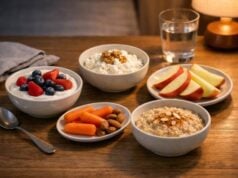
During the first weeks of treatment or after dose increases, plain and lower-fat meals are often easier to tolerate. Think baked chicken, yogurt, oatmeal, toast, rice, soup, fruit, potatoes, eggs, or crackers. You can widen food variety later when your stomach settles.
Hydrate deliberately
Reduced appetite often means reduced thirst. That can quietly worsen constipation, headaches, fatigue, and nausea. Sip fluids steadily through the day instead of trying to catch up at night. Water is great, but broths, milk, oral rehydration drinks, herbal tea, and protein shakes can also help.
| Priority | What it looks like | Why it helps |
|---|---|---|
| Smaller portions | 3 modest meals and 1 to 2 small snacks | Reduces nausea, reflux, and heavy fullness |
| Protein at each eating time | 20 to 35 grams when possible | Supports muscle retention and satiety |
| Gentler food choices early on | Lower-fat, simple, easy-to-digest meals | Improves tolerance during titration |
| Steady hydration | Sips across the day, not all at once | Helps constipation, fatigue, and headaches |
| Gradual fiber | Fruit, oats, cooked vegetables, beans as tolerated | Supports fullness and bowel regularity |
| Less fat per meal | Measured oils, lighter sauces, smaller fried portions | Often reduces reflux and nausea |
What works best is usually calm, repetitive, and easy to recover from. That is not boring in a bad way. It is what makes the plan sustainable.
Best foods when appetite is low
When appetite is low, the right foods are the ones that give you useful nutrition without requiring a huge portion. This is not the time to fill up on low-protein snack foods just because they sound easy. It is also not the time to insist on massive “clean eating” plates that are hard to finish.
The best foods on GLP-1 medications usually share at least one of these traits: high in protein, easy to digest, lower in fat, soft in texture, or easy to portion.
Protein foods that usually work well
These are often the backbone of a GLP-1-friendly meal plan:
- Greek yogurt or skyr
- Cottage cheese
- Eggs or egg whites
- Chicken breast or turkey
- Fish, especially mild white fish or salmon in smaller portions
- Tofu, tempeh, or edamame
- Protein shakes that are not overly thick or high in fat
- Milk or high-protein milk drinks
- Lean deli turkey or rotisserie chicken when convenience matters
If you need more ideas, this list of high-protein foods can help you build a rotation.
Gentle carbohydrate choices
Carbs are not the enemy on GLP-1 medications. In fact, softer and easier-to-digest carbs can be helpful when nausea or low appetite makes heavier meals unappealing. Useful options include:
- Oatmeal
- Rice
- Potatoes
- Toast
- Crackers
- English muffins
- Bananas
- Applesauce
- Pasta in moderate portions
- Lower-sugar cereals with milk or yogurt
These foods can make a meal easier to tolerate while still helping you get energy in.
Produce that tends to be easier
Raw vegetables and giant salads are not always the best starting point. Many people feel better with cooked or softer produce first:
- Berries
- Bananas
- Melon
- Applesauce
- Cooked carrots
- Zucchini
- Green beans
- Spinach
- Soup vegetables
- Roasted or mashed squash
Cooked vegetables can be especially useful because they add nutrition without the same rough bulk as a huge raw salad.
Convenience foods that still work
Not every meal needs to be cooked from scratch. On GLP-1s, convenience often matters more because appetite windows can be short. Helpful options include:
- Single-serve yogurts
- String cheese with fruit
- Protein shakes
- Frozen cooked chicken strips
- Instant oatmeal
- Soup cups
- Microwave rice
- Cottage cheese cups
- Simple high-protein snacks for days when full meals sound unappealing
A smart rule is to keep at least two “easy protein” foods and two “easy carb” foods in the house at all times. That way you can assemble something tolerable even when cooking sounds awful.
Foods and habits that often backfire
People often blame the medication for every stomach problem, but the food pattern matters a lot too. Some meals are simply much more likely to trigger trouble when gastric emptying is slower.
Large meals
Even a healthy oversized meal can backfire. A big lunch with salad, chicken, avocado, nuts, and dressing may sound ideal on paper, but it can feel too heavy in practice. Start smaller than you think you need. You can always eat again later.
High-fat meals
Fat is not bad, but too much fat in one sitting is a common trigger for nausea, reflux, bloating, and that uncomfortable “food just sitting there” feeling. Meals that often cause problems include:
- Fried food
- Greasy takeout
- Fast food burgers and fries
- Cream-heavy sauces
- Pizza in large portions
- Heavy restaurant breakfasts
- Large servings of cheese, nuts, or nut butter all at once
Sugary foods eaten alone
Large amounts of sweets, pastries, candy, or sugary drinks may worsen nausea for some people and can crowd out protein and fiber. They also tend to be less satisfying than balanced meals.
Eating too fast
GLP-1 medications reward slower eating. If you eat quickly, it is easy to overshoot fullness and end up nauseated 15 minutes later. Put the fork down between bites. Stop earlier than you used to. Your “enough” signal may arrive later, but harder.
Skipping food all day
This one surprises people. Appetite suppression can make it easy to go most of the day with very little food, then feel weak, refluxy, or suddenly unable to tolerate dinner. A better approach is steady, manageable intake. The plan should reduce overeating, not replace it with accidental starvation. This is also where problems like poor protein intake, constipation, fatigue, and muscle loss can creep in.
Too much rough fiber too soon
Fiber is helpful, but aggressively loading up on bran cereal, giant salads, raw vegetables, and high-dose supplements right away can make bloating or discomfort worse. Increase fiber gradually, and match it with fluids.
One more practical point: restaurant food often hits several of these triggers at once. It is larger, fattier, saltier, and eaten faster. On tougher symptom days, simple home meals are often easier than trying to “be good” with a restaurant entrée.
Sample 3-day GLP-1 meal plan
This sample plan is meant to show the pattern, not to lock you into exact portions. Adjust serving sizes based on your appetite, clinician guidance, and calorie needs. The overall idea is moderate portions, protein each time you eat, softer foods when needed, and no giant high-fat meals.
Day 1
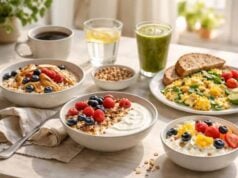
- Breakfast: Greek yogurt with berries and a small spoon of chia seeds
- Lunch: Turkey sandwich on toast or light bread with fruit on the side
- Snack: Protein shake or cottage cheese cup
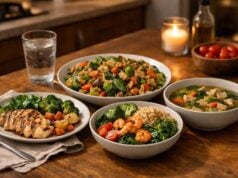
- Dinner: Baked chicken, rice, and cooked green beans
- If needed later: Crackers with a little string cheese or a small banana
Why it works: easy protein, moderate fiber, and low drama for the stomach.
Day 2
- Breakfast: Oatmeal made with milk, topped with banana slices
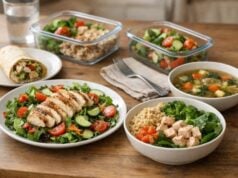
- Lunch: Egg salad or chicken salad in a wrap with cucumber slices
- Snack: Yogurt or a simple low-calorie snack with protein added
- Dinner: Salmon, mashed potatoes, and cooked zucchini
- If needed later: Applesauce or half a protein bar if tolerated
Why it works: softer textures, steady carbs, and enough protein to avoid the all-day-undereating trap.
Day 3
- Breakfast: Scrambled eggs and one slice of toast
- Lunch: Chicken soup with crackers and fruit
- Snack: Cottage cheese with pineapple or melon
- Dinner: Lean ground turkey bowl with rice and roasted carrots
- If needed later: Small smoothie made with milk and protein powder
Why it works: soup and cooked foods can be especially useful on nausea-prone days.
A few ways to adapt this plan:
- If mornings are hard, swap breakfast for a lighter protein shake and move a more solid meal later.
- If dinner feels hardest, make lunch the largest meal and keep dinner smaller.
- If constipation is a problem, add fruit, cooked vegetables, oats, beans, or kiwi gradually and increase fluids.
- If reflux is the main issue, avoid lying down after dinner and keep evening meals lighter.
For readers who want more general structure beyond GLP-1 use, high-protein and high-fiber meal planning and macro-based meal planning can both be adapted to smaller portions.
How to eat around common side effects
GLP-1 side effects are not all managed the same way. A food that helps constipation may be a terrible choice during nausea. A meal that looks ideal for fat loss may be the wrong move during reflux. Matching the food choice to the symptom is one of the most useful adjustments you can make.
Nausea and early fullness
Use smaller meals, simpler foods, and lighter fat intake. Many people tolerate these best:
- Toast
- Crackers
- Oatmeal
- Rice
- Bananas
- Applesauce
- Yogurt
- Soup
- Eggs
- Baked chicken
- Ginger tea or ginger chews if tolerated
Avoid large greasy meals, very rich desserts, and eating past the first sign of fullness. This is also where a more detailed guide to managing GLP-1 nausea can help.
Reflux and burping
Keep portions smaller, avoid lying down after meals, and go easier on fried foods, spicy foods, heavy sauces, and late-night eating. Some people also feel better if they stop drinking large amounts during the meal itself and do more of their fluid intake between meals.
Constipation
Constipation often comes from a combination of lower food intake, lower fluid intake, and not enough fiber. The answer is usually gradual, not aggressive:
- Drink more consistently
- Add oats, fruit, cooked vegetables, beans, chia, or kiwi
- Walk after meals if possible
- Keep meals regular instead of skipping for long stretches
If this is a frequent problem, this page on GLP-1 constipation goes deeper into relief strategies.
Diarrhea or loose stools
Pull back on greasy foods, very sugary foods, alcohol, and very high-fiber add-ons until symptoms settle. Blunter, simpler foods may work better for a day or two, then you can gradually bring fiber and variety back.
The main idea is not to chase a perfect diet every day. It is to have a symptom-friendly version of your diet ready when you need it. That is often what keeps people on track instead of quitting the medication or abandoning structure altogether.
Protecting muscle and avoiding under-eating
A GLP-1 medication can make it much easier to eat less, but that does not automatically mean you are eating well. One of the most common mistakes is assuming that because the scale is moving, the plan must be fine. In reality, some people end up eating too little protein, too few total calories, and too little overall variety for weeks at a time.
That can show up as:
- unusual fatigue
- weakness in workouts
- hair shedding
- dizziness
- constipation
- feeling cold
- loss of strength
- very low daily intake with no real meal structure
Protein is the first place to look. If every meal is mostly crackers, fruit, or snack foods, you may lose weight, but you may not feel good doing it. Most people on GLP-1 medications do better when each eating time has a visible protein source, even if the portion is modest.
A helpful mental model is this:
- Meal 1: protein + easy carb
- Meal 2: protein + produce + starch
- Meal 3: protein + cooked vegetables + starch
- Snack if needed: protein first
That is not glamorous, but it works.
Strength training also matters. You do not need a bodybuilder program, but some form of resistance work helps send a signal to keep muscle. Food and training work together here. Under-eating all day and then expecting great recovery from workouts rarely goes well.
Signs your plan may be too aggressive include consistently eating tiny amounts, fearing normal portions because of side effects, or feeling unable to meet even basic fluid and protein goals. Weight loss on GLP-1s should still look like nutrition, not just appetite suppression.
This matters even more if you are older, already losing strength, or have had long stretches of low intake. In those cases, the quality of the meal plan becomes just as important as the medication itself. If your progress stalls later, the issue may not always be the drug. Sometimes it is low intake quality, inconsistent meals, or difficulty sustaining the routine. That is where a piece like weight loss plateaus on GLP-1 medications becomes relevant.
When to call your clinician
Some side effects are common and manageable. Others are signs that your plan or medication needs adjustment. Reach out to your clinician if you are dealing with:
- ongoing vomiting
- inability to keep fluids down
- severe or worsening abdominal pain
- signs of dehydration
- constipation that is persistent despite basic measures
- rapid weakness or trouble meeting basic nutrition needs
- symptoms that are bad enough to make you stop eating normally
- side effects that remain severe after a dose increase instead of gradually improving
It is also worth asking for help earlier, not just later, if your appetite is so low that you are living on bites and sips. A GLP-1 meal plan should help you lose weight with fewer side effects, but it should still look like actual nourishment. If it does not, the answer is not to “try harder.” It is to adjust the plan, the dose strategy, or both.
For some people, the best next step is not a new medication trick but a simpler food structure, a protein target, a hydration plan, and short-term symptom-specific changes. That is often enough to make the medication much more workable.
References
- Nutritional priorities to support GLP-1 therapy for obesity 2025 (Review)
- Nutritional and lifestyle supportive care recommendations for management of obesity with GLP-1 – based therapies: An expert consensus statement using a modified Delphi approach 2025 (Expert Consensus Statement)
- Application of nutrition interventions with GLP-1 based therapies: A narrative review of the challenges and solutions 2025 (Narrative Review)
- Nutrition support whilst on glucagon-like peptide-1 based therapy. Is it necessary? 2025 (Review)
- Clinical Recommendations to Manage Gastrointestinal Adverse Events in Patients Treated with Glp-1 Receptor Agonists: A Multidisciplinary Expert Consensus 2023 (Expert Consensus Statement)
Disclaimer
This article is for general educational purposes only and is not a substitute for medical advice, diagnosis, or treatment. If you take a GLP-1 medication and have severe side effects, diabetes, kidney disease, a history of pancreatitis, disordered eating, or trouble meeting nutrition needs, get personalized guidance from your prescribing clinician or a registered dietitian.
If this article helped you, please share it on Facebook, X, or your preferred platform so more people using GLP-1 medications can eat more comfortably and stay on track.