A few days into a course of prednisone, you might see an unfamiliar number on your glucose meter after lunch even though your morning reading looks normal. With a statin, the first sign may be a small change on a routine blood test months later. Both drugs can raise blood sugar, but the size, timing, and practical meaning of those changes differ.
Blood sugar can also rise because of the condition you’re treating. An infection, an asthma flare, or the stress of surgery can push glucose up on its own. When several things change at once, the most useful clues are your readings before treatment started, when you take each dose, and when the higher numbers show up.
Many of these medicines carry important benefits, from preventing heart attacks to controlling serious inflammation. Recognizing the pattern a particular drug tends to produce helps you and your care team decide when to check, whether temporary treatment is needed, and when a high reading demands urgent attention.
Table of Contents
- How medications raise blood sugar
- Steroids can raise blood sugar within hours
- Statins usually cause a small rise
- Other medications that can raise blood sugar
- How to monitor blood sugar after a medication change
- When to call your care team or seek emergency care
- What happens after treatment changes or ends
How medications raise blood sugar
Insulin moves glucose from your blood into cells and signals the liver to slow its release of stored glucose. Some medicines blunt that process in more than one place at once. They can make muscle and other tissues respond less readily to insulin — a change called insulin resistance — reduce the amount of insulin the pancreas releases, or do both. A few also increase appetite and weight over time, which adds a slower, compounding effect on blood sugar.
Your starting point shapes what you’re likely to see. Prediabetes, a history of gestational diabetes, and a close family history of type 2 diabetes all raise the odds of high readings with some medicines, particularly steroids. For someone who already has diabetes, the same drug may push readings above the usual range or increase the need for glucose-lowering treatment. The dose, the length of treatment, and how the medicine is given all affect both the likelihood and the size of the rise.
A single high reading tells you something changed, but it doesn’t say what. Eating at different times, poor sleep, and less movement during recovery can each nudge glucose up, and illness itself can raise blood sugar as the body releases stress hormones. Start a steroid during a respiratory infection, and both the infection and the medicine may be contributing at once. The timing of your readings — against doses, meals, and symptoms — is what helps a care team estimate how much each factor is playing a role.
A temporary rise during treatment is often called medication-induced hyperglycemia. A clinician may diagnose diabetes if testing meets the diagnostic criteria, but where the problem comes from isn’t always obvious. Sometimes a medicine brings an existing glucose problem to light; sometimes the treatment itself produces a new one, which may or may not resolve later. A glucose or A1C result from before treatment helps tell those situations apart.
Steroids can raise blood sugar within hours
Corticosteroids such as prednisone, prednisolone, methylprednisolone, and dexamethasone reduce inflammation. They’re used for conditions such as asthma flares and autoimmune disease, and as part of some cancer treatments. The glucose effect works through the same two routes: muscle and other tissues become less responsive to insulin, and the liver releases more glucose. Even a short course can be enough to affect readings, especially at higher doses.
Morning prednisone often shows up in afternoon readings
With a once-morning dose of prednisone, glucose typically climbs later in the day. An early-afternoon check or one taken after lunch can catch the rise that a fasting reading misses — you might wake up close to your usual level and see a much higher number two hours after lunch. The pattern still matters even when the glucose comes back down overnight.
Dexamethasone lasts longer, so its effect can stretch into the night and the next morning. A steroid taken several times a day can keep glucose elevated for more of the day overall. That’s why the drug name and dosing schedule matter when a clinician decides whether to check after meals, before dinner, or at other times. A log that includes the time of each dose tells you far more than a list of numbers alone.
Tablets, injections, inhalers, and creams
Steroid tablets and medicines given into a vein reach the whole body, and clinicians often pay close attention to glucose when they’re prescribed. A cortisone shot into a joint can raise glucose for several days as well, particularly in people with diabetes. Tell the clinician giving the injection about insulin use or high readings after past shots so you can agree ahead of time on when to check and who to contact if the numbers climb.
Inhalers, nasal sprays, and skin creams are designed to act mainly where they’re applied. Their effect on glucose depends on the product, the dose, and how long they’re used. High doses or prolonged use can matter, as can using several steroid products at once — so when you review your medicines, include inhalers, creams, and recent injections alongside the pills.
If you have diabetes or a history of steroid-related highs, ask for a glucose plan when the steroid is prescribed. Your clinician may recommend extra checks during the course and temporarily adjust your diabetes medicines. When insulin comes into play, the care team should also say what to do as the steroid dose comes down, because that’s when the risk can shift from high glucose to low glucose.
Statins usually cause a small rise
Statins such as atorvastatin, rosuvastatin, and simvastatin lower LDL cholesterol and help prevent heart attacks and strokes. They can also raise blood glucose slightly and increase the chance of a new diabetes diagnosis, particularly in people whose glucose is already close to the diabetes range. The average change is small enough that it usually shows up on lab work rather than as a sudden jump after taking a pill.
A large analysis of randomized trials found that among people without diabetes, those taking a low- or moderate-intensity statin developed diabetes at a rate of about 1.3% per year, compared with 1.2% per year among those taking a placebo. On the rounded rates, that’s about one additional diagnosis per 1,000 people per year, and the relative increase was about 10%. The same difference can sound large or small depending on how it’s expressed, which is why the absolute rates are worth looking at when you discuss your own risk.
High-intensity statin therapy showed a larger relative increase in diabetes diagnoses compared with placebo. Those trials also checked A1C more often, which helped uncover more cases in both groups. The average A1C increase in people without diabetes came out to about 0.06 percentage points with low- or moderate-intensity statins and 0.08 percentage points with high-intensity statins. In people who already had diabetes, statin therapy also increased the likelihood of worsening glucose control.
If your A1C moves into the prediabetes or diabetes range while taking a statin, review the result with the prescriber. They can look at your previous values, confirm a result when needed, and explain the expected heart and stroke protection for you. The randomized trials still showed an overall cardiovascular benefit from statin therapy, and the reason for your prescription weighs heavily in that decision — especially if you’ve already had a heart attack or stroke. Keep taking the prescribed dose while you arrange a review.
Other medications that can raise blood sugar
The drug name matters as much as the drug class. Two medicines used for the same condition can have different effects on glucose, and some treatments come with their own testing schedule.
| Medication group | Examples | What to watch for |
|---|---|---|
| Second-generation antipsychotics | Olanzapine, clozapine | Glucose can rise early or gradually. Weight gain can add to the risk over time. |
| Thiazide and thiazide-like diuretics | Hydrochlorothiazide, chlorthalidone | Glucose changes are often small. Your clinician may also check potassium. |
| Some beta blockers | Metoprolol | Effects on glucose vary. Beta blockers can also blunt some warning signs of low blood sugar. |
| Some transplant medicines | Tacrolimus, cyclosporine | Reduced insulin release can contribute to high glucose after a transplant. Steroids may add to the effect. |
| Some HIV medicines | Certain protease inhibitors | Risk varies by drug and treatment regimen. The HIV care team can advise on screening. |
| Certain cancer treatments | Alpelisib, pembrolizumab | Alpelisib can cause marked insulin resistance. Pembrolizumab can rarely trigger abrupt insulin deficiency. |
| Fluoroquinolone antibiotics | Levofloxacin, moxifloxacin | They can cause high or low glucose during treatment. Infection can raise glucose at the same time. |
Antipsychotics and blood pressure medicines
Olanzapine and clozapine are among the antipsychotics with greater metabolic risk. A glucose rise can show up before any large change in weight, so weighing in alone can miss it. Diabetes guidelines recommend screening for prediabetes or diabetes before starting a second-generation antipsychotic, repeating the screen at about 12 to 16 weeks, and then checking annually, with earlier testing when appropriate. When a medication is controlling serious psychiatric symptoms, the prescriber can weigh that benefit alongside the glucose results and talk through ways to manage both.
Thiazide diuretics help lower blood pressure and can nudge glucose up slightly. They can also lower potassium, which may in turn affect insulin release — so a clinician can interpret changes in glucose and potassium together and factor in how well the medicine is controlling your blood pressure. Beta blockers bring a different problem for people taking insulin or certain diabetes pills: recognizing a low. A racing heartbeat or tremor may be less noticeable, and it’s worth asking how to confirm and handle a suspected low when one does occur.
Cancer, transplant, and HIV treatments
Alpelisib can raise glucose enough to require early and frequent checks, sometimes with a separate treatment plan for high blood sugar. Immune checkpoint inhibitors such as pembrolizumab work differently. In rare cases the immune system attacks insulin-producing cells, and diabetes can first appear as a medical emergency. Sudden intense thirst, frequent urination, nausea, or vomiting during immunotherapy warrants contacting the oncology team promptly — and emergency care for severe symptoms.
After a transplant, the team may review steroid doses, tacrolimus levels, and blood sugar together, because surgical stress and changing medicines can affect glucose at once. With HIV treatment, the glucose effects depend on the specific regimen and your other risk factors. In both situations, medication decisions belong with the treating team, since these drugs protect against transplant rejection or keep HIV under control. Bringing your glucose readings to those visits gives the team something concrete to test against or adjust around.
How to monitor blood sugar after a medication change
Before starting a medicine that can affect glucose, let the prescriber know about diabetes, prediabetes, a history of gestational diabetes, or past high readings with that drug. Bring recent lab results if you have them; a baseline A1C or laboratory glucose test is useful when a significant effect is expected. And if you already use a meter or sensor, share a few days of typical readings so the team has a picture of what changed from your normal.
Match the check to the expected pattern
A fasting test shows what’s happening before breakfast. For a morning steroid dose, a check around one to two hours after lunch starts — or simply an afternoon check — may give the clinician more information. Paired checks work well too: one reading before lunch and one after can show how much glucose rose around that meal. A statin is the opposite case; periodic lab work fits a gradual change better than extra finger-sticks right after a dose.
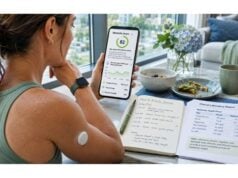
A1C reflects average blood sugar over roughly the past two to three months, so it’s best for context before a medication change or for assessing a trend after several months have passed. During the first days of a steroid course, a recent A1C mostly shows where glucose was before the course began. Current finger-stick or continuous glucose monitor readings show what’s happening now; if a sensor reading seems out of step with how you feel, follow the device instructions for confirming it with a finger-stick.
Keep a short log your care team can use
Write down the drug name, dose, and time you took it. For each reading, include the time and whether it was before or after a meal, plus symptoms, fever, missed diabetes doses, and any significant changes in eating or activity. One line can carry several clues: “prednisone at 8 a.m., lunch at noon, glucose 228 mg/dL at 2 p.m., fever today.” And when a finger-stick looks unexpectedly high while you feel fine, wash and dry your hands and repeat the check — food residue on a finger can affect the result.
It’s also worth nailing down the logistics: who should receive your readings, when to send them, and what numbers trigger a call. If you take insulin or a medicine that can cause low glucose, ask for instructions that cover both the start of treatment and any planned dose reduction. If you’ve never used a glucose meter, check whether your clinician wants home readings or would prefer to arrange lab testing.
A home reading can prompt a medical review, but diagnosis usually rests on a laboratory test. In nonpregnant adults, diabetes-range results include a fasting plasma glucose of 126 mg/dL or higher or an A1C of 6.5% or higher. Clinicians generally confirm an abnormal result unless the diagnosis is clear — for example, classic symptoms alongside a random plasma glucose of 200 mg/dL or higher. Your personal treatment targets and the numbers that trigger a call serve different purposes from these diagnostic thresholds.
When to call your care team or seek emergency care
Mild high blood sugar may cause no symptoms at all. When they do appear, common signs of high blood sugar include unusual thirst, frequent urination, blurred vision, and fatigue. If these develop soon after a new medicine or dose increase, contact your care team that day — especially with diabetes in the picture or readings that keep climbing. On a steroid, repeated readings at or above 200 mg/dL call for guidance from the prescriber or diabetes team unless your existing plan already covers that situation.
Sickness changes the equation for anyone with diabetes. At a blood sugar of 250 mg/dL or higher, follow your sick-day plan and check for ketones — acids that build up when the body has too little insulin. High ketones can signal diabetic ketoacidosis, or DKA, which needs emergency treatment. On an insulin pump, also work through your plan for checking a possible interruption in insulin delivery.
Seek emergency care if your blood sugar stays at 300 mg/dL or higher, you have high ketones, or you have signs of a serious glucose emergency. Those signs include vomiting and being unable to keep fluids down, a fruity smell on the breath, deep or difficult breathing, confusion, or severe drowsiness. Go on the symptoms even without a meter or when the number runs lower than expected; DKA can sometimes occur at lower glucose levels.
For an urgent visit, bring your medication list and be ready to share when you last took each dose along with any glucose or ketone results. That context is especially helpful if a steroid dose changed recently, you’re receiving cancer therapy, or you use insulin.
What happens after treatment changes or ends
Glucose often improves as the steroid dose falls or the course ends, though the timing varies with the drug and the person. The improvement can be quick enough that an insulin dose or a diabetes tablet that was appropriate during treatment now pushes glucose low. Keep checking as directed and follow the adjustment plan from your care team; with type 1 diabetes, continue basal insulin as prescribed and get help with dose changes if readings run low.
If glucose stays high after the steroid course, contact your clinician while the readings are still elevated rather than waiting for them to settle. They may recommend continued home checks or earlier lab work. Formal diabetes testing around three months after stopping the steroid helps determine whether the problem persists once the A1C reflects more time off treatment — and a result from before the course can show whether the steroid simply brought previously developing diabetes to light.
For a medicine you’ll take long term, the plan may involve treating the higher glucose while keeping the original prescription. In other cases, the clinician may consider a lower dose or a different medicine, provided it can still treat the condition effectively. A useful follow-up conversation covers three things: what the drug is doing for you, how much your glucose has changed, and when the next check will show whether the plan is working.
References
- 2. Diagnosis and Classification of Diabetes: Standards of Care in Diabetes-2026 2026 (Guideline)
- Practical Guide to Glucocorticoid Induced Hyperglycaemia and Diabetes 2023 (Review)
- Effects of statin therapy on diagnoses of new-onset diabetes and worsening glycaemia in large-scale randomised blinded statin trials: an individual participant data meta-analysis. 2024 (Meta-Analysis)
- Medication-Induced Hyperglycemia and Diabetes Mellitus: A Review of Current Literature and Practical Management Strategies 2024 (Review)
- Diabetic Ketoacidosis 2024
Disclaimer
This article provides general information about medication-related blood sugar changes. Ask your prescriber or diabetes care team for glucose targets, testing times, and instructions tailored to your medicines and health history. Consult them before changing a prescription dose, including insulin or a steroid taper.