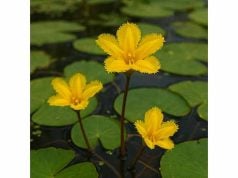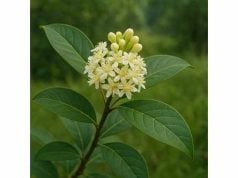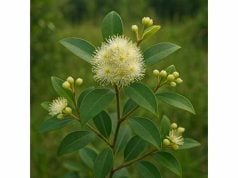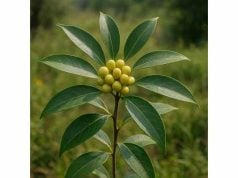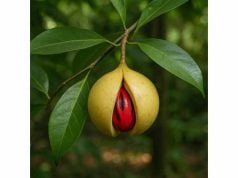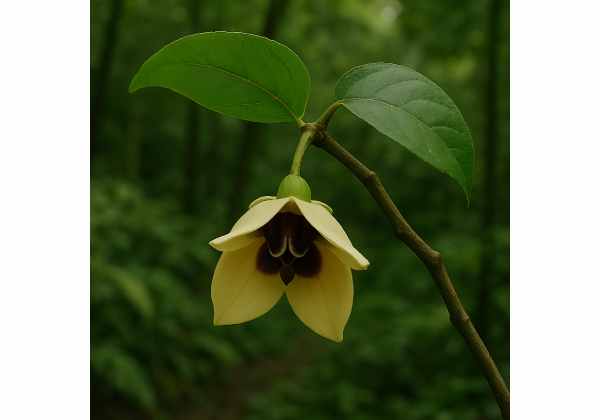
Nang Daeng, most often identified as Mitrephora maingayi, is a little-known Southeast Asian tree in the custard-apple family. It is not a mainstream herbal supplement, yet it has drawn scientific interest because its twigs, stems, leaves, and bark contain unusual natural compounds with measurable biological activity. Researchers have isolated alkaloids, lignans, diterpenes, flavanones, acetogenins, and aromatic volatiles from the plant, which helps explain why it is discussed for antioxidant, antimicrobial, anti-inflammatory, and cytotoxic properties.
At the same time, this is exactly the kind of herb that needs a careful reading. Most of the evidence comes from laboratory chemistry and cell-based experiments, not human clinical trials. That means Nang Daeng is better understood as a promising medicinal plant under investigation than as a proven self-care remedy. For readers interested in herbal medicine, the practical questions are not only what it might do, but also how it is used, whether any realistic dosage exists, and who should avoid it. Those are the questions this guide answers with a cautious, evidence-aware approach.
Essential Insights
- Nang Daeng contains alkaloids, acetogenins, lignans, diterpenes, and volatile terpenes with mainly preclinical activity.
- Its most plausible benefits are antioxidant, antimicrobial, and anti-inflammatory support, but these are not proven in human trials.
- No standardized human dose exists; any oral trial should stay conservative, around 0.5 to 2 g/day of dried material equivalent, only with professional supervision.
- Pregnant or breastfeeding people, children, and anyone with liver disease or neurological illness should avoid self-prescribing it.
Table of Contents
- What Is Nang Daeng and Why Identity Matters
- Key Ingredients and Medicinal Properties
- Nang Daeng Potential Health Benefits
- Traditional and Modern Uses
- Dosage, Timing, and Best Forms
- Safety, Side Effects, and Interactions
- What the Evidence Actually Shows
What Is Nang Daeng and Why Identity Matters
Nang Daeng is the Thai common name most often linked with Mitrephora maingayi, a tropical tree from the Annonaceae family. That family includes many plants known for fragrant flowers, edible fruits, or strong bioactive chemistry. In the case of Nang Daeng, the modern interest is mostly medicinal and phytochemical rather than culinary. It is not commonly sold in supermarkets, tea blends, or mainstream supplement lines. Instead, it appears more often in botanical references, regional herb studies, and natural-products research.
One detail matters immediately: identity can be confusing. Some plant databases and horticultural sources treat Mitrephora maingayi as closely related to, or synonymous with, Mitrephora teysmannii. For readers, that matters because studies may use one name while traditional references use another. When the identity is blurred, it becomes harder to compare results and harder to know whether a commercial or folk preparation truly matches the plant discussed in the literature.
The plant itself is a small to medium evergreen tree native to parts of mainland and maritime Southeast Asia. It has distinctive yellow-red flowers and is sometimes grown as an ornamental tree. From a medicinal standpoint, however, the parts that have attracted the most study are the twigs, stems, leaves, bark, and their extracts. These tissues contain small but chemically diverse amounts of alkaloids, lignans, diterpenes, flavonoid-like compounds, and volatile oils.
That chemical diversity is the main reason Nang Daeng appears in herbal and pharmacognosy discussions. Researchers are not focusing on it because it has long, well-standardized human use. They are focusing on it because it seems to be a reservoir of interesting molecules. This is an important distinction. A plant can be scientifically interesting without being ready for routine self-treatment.
In practical terms, Nang Daeng is best thought of as a research-stage medicinal plant. It may one day yield useful compounds or clearer traditional applications, but right now the average reader should not place it in the same category as common household herbs. It belongs to the group of botanicals that deserve curiosity, but also restraint.
Key Ingredients and Medicinal Properties
The medicinal profile of Nang Daeng starts with its chemistry. Published work on Mitrephora maingayi has identified several classes of compounds, and each class helps explain why the plant shows biological activity in the lab.
The most notable groups include:
- Alkaloids, including maingayinine, liriodenine, and oxostephanine
- Acetogenins, including mitregenin
- Lignans, such as epieudesmin, eudesmin, and magnone A
- Diterpenes, including kaurenoic acid, didymooblongin, and pimaric acid
- Flavanone-type compounds, especially pinocembrin
- Volatile terpenes in leaf essential oil, including aromatic compounds that likely contribute to antimicrobial and insect-related activity
This mixture gives Nang Daeng several medicinal properties on paper.
First, it appears to have antioxidant potential. Lignans, flavanones, and some terpenoid components often show free-radical scavenging or cell-protective effects in experimental models. That does not prove a whole-plant preparation will meaningfully reduce oxidative stress in people, but it provides a biochemical reason for the plant’s reputation as a medicinal species.
Second, there is antimicrobial and anti-infective interest. Some isolated compounds from Nang Daeng have shown activity against microbes in preclinical settings. This may help explain why related Southeast Asian medicinal traditions often value bitter, aromatic, or resinous plants for infection-related conditions. The plant’s chemistry fits that pattern, even though modern clinical confirmation is missing.
Third, Nang Daeng shows anti-inflammatory and signaling effects. Diterpenes, lignans, and volatile compounds in many medicinal plants can influence inflammatory enzymes and cell-signaling pathways. In this sense, Nang Daeng belongs to the broad group of botanicals studied for inflammation-related mechanisms, much as readers may see with better-known herbs such as turmeric.
Fourth, there is cytotoxic and insecticidal activity. This is one of the most striking features of the plant. Certain Nang Daeng constituents have shown activity against cancer cell lines or insect targets in laboratory testing. That sounds impressive, but it also raises a caution flag. Cytotoxicity is not the same as safe anticancer use in humans. Sometimes it means a compound is promising for drug discovery. Other times it means it may simply be too harsh for unsupervised oral use.
This is the right way to interpret the plant’s medicinal properties: promising, chemically rich, and pharmacologically active, but not yet translated into a clear, standardized, human-ready herbal profile. The chemistry is real. The practical medical use is still uncertain.
Nang Daeng Potential Health Benefits
When people search for Nang Daeng health benefits, the most honest answer is that the plant has plausible benefits, not proven clinical benefits. Its compounds make several effects biologically reasonable, but most claims still sit at the preclinical stage.
The most defensible potential benefits are these:
- Antioxidant support
Nang Daeng contains lignans, flavanones, and related compounds that may help reduce oxidative stress in experimental models. In practical language, that means the plant contains molecules that may protect cells from some forms of chemical damage. This is a common first step in medicinal-plant research, but it is still far from proving a meaningful benefit in daily human use. - Mild anti-inflammatory potential
Some of the plant’s diterpenes, alkaloids, and other secondary metabolites appear capable of influencing inflammation-related pathways. This makes Nang Daeng relevant to discussions of traditional anti-inflammatory herbs. Even so, it should not be positioned as a proven remedy for arthritis, chronic pain, bowel inflammation, or autoimmune disease. - Antimicrobial promise
Several isolated constituents and essential-oil components from Mitrephora species, including Nang Daeng, have shown antimicrobial activity in the lab. This suggests possible usefulness in infection-related research and maybe future topical or pharmaceutical development. It does not yet justify routine self-treatment for bacterial, viral, or fungal illness. - Research interest in abnormal cell growth
The cytotoxic properties of alkaloids such as liriodenine and oxostephanine make Nang Daeng scientifically interesting in oncology research. But this is one area where readers need the most discipline. Laboratory cytotoxicity does not mean a whole herb is an anticancer therapy. In fact, it is often a reason to be more cautious with unsupervised use, not less. - Digestive and general tonic use in traditional contexts
Although the English-language documentation for species-specific folk use is limited, plants with similar bitter-aromatic chemistry are often used in regional medicine for discomfort, recovery, and general strengthening. Still, if someone wants a practical digestive herb rather than an experimental botanical, a better-studied option such as ginger is usually the more sensible first choice.
So what benefits should a reader realistically expect? The answer is modest. Nang Daeng may offer antioxidant, anti-inflammatory, and antimicrobial signals, but the current evidence does not support strong promises, long-term daily use, or disease-treatment claims. For now, its greatest value is as a source of medicinal compounds under investigation rather than as a fully established therapeutic herb.
Traditional and Modern Uses
Nang Daeng sits in an unusual place between traditional knowledge and modern phytochemistry. It is clearly a plant with medicinal interest, yet it is not one of the heavily standardized herbs with a long shelf presence in modern global wellness markets. That means its “uses” need to be separated into three categories: local traditional use, research use, and practical consumer use.
Traditional use is the most difficult to describe with precision. Some regional literature and academic summaries suggest medicinal interest in decoctions or crude plant extracts, especially from stems, bark, leaves, or twigs. However, compared with widely used herbs, species-specific English documentation for Nang Daeng is thin. That alone is worth noting. When traditional preparation details are scarce, modern readers should resist filling the gaps with guesswork.
Research use is much clearer. Nang Daeng is used by scientists as a source of bioactive compounds. Investigators isolate alkaloids, diterpenes, lignans, acetogenins, and essential oils from the plant, then test those compounds for antimicrobial, insecticidal, cytotoxic, or mechanistic effects. In other words, modern use is often less about drinking the herb and more about studying what the plant can yield.
Practical consumer use is the narrowest category. Nang Daeng is not a common tea herb, kitchen spice, or standardized supplement. When it is used outside research, it is more likely to appear in local herbal practice, specialized ethnobotanical contexts, or informal preparation by people familiar with the plant. That does not automatically make those uses unsafe, but it does mean they are hard to standardize and hard to evaluate.
For readers, a sensible way to think about Nang Daeng use is this:
- It is not a routine everyday herb
- It is not a first-line self-care remedy
- It may have localized traditional applications
- It is a legitimate medicinal-chemistry plant
- It needs more human evidence before broader wellness use makes sense
This position may feel less exciting than bold health marketing, but it is much more useful. The real modern role of Nang Daeng is as a promising but under-defined medicinal plant. If future studies establish safer preparations, clearer therapeutic windows, or topical applications, its practical use may expand. Right now, most of its importance lies in what it teaches researchers rather than what it reliably offers consumers.
Dosage, Timing, and Best Forms
Dosage is the section where caution matters most. There is no validated human dose for Nang Daeng. No standard herbal monograph defines a therapeutic amount, no mainstream clinical guideline tells readers how much to take, and no widely accepted supplement form establishes a normal daily range. That means any dosage discussion must be framed as a conservative safety conversation, not as a proven recommendation.
The safest starting point is simple: do not self-prescribe concentrated Nang Daeng extracts.
If a knowledgeable practitioner chooses to work with the plant in crude herbal form, the only responsible approach is a low-dose, short-course trial. In practical terms, that usually means staying in the range of about 0.5 to 2 g/day of dried material equivalent, typically as a weak decoction or carefully measured crude preparation. Even that range is not evidence-based in the clinical sense. It is merely a conservative limit for an under-studied herb.
A practical framework looks like this:
- Choose the least concentrated form
Crude dried plant material is safer to reason about than potent extracts, essential oils, or unlabelled resinous concentrates. - Start low
A weak preparation taken once daily is more sensible than aggressive multi-dose use. Because potency may vary by plant part, extraction method, and identity, the lowest plausible dose is the safest entry point. - Keep the trial short
For a plant with limited toxicology and no human dosing standard, long-term daily use is difficult to justify. A cautious trial should usually be measured in days, not months. - Do not stack it with other strong herbs
Combining Nang Daeng with multiple unfamiliar botanicals makes it harder to judge tolerance and raises the chance of unpredictable interactions. - Stop immediately if symptoms appear
Nausea, dizziness, numbness, unusual weakness, rash, worsening reflux, dark urine, or jaundice should end the trial right away.
As for timing, any oral use is best taken with food or after a meal to reduce stomach irritation. Empty-stomach use makes less sense for a plant with uncertain gastrointestinal tolerability. There is also no good reason to use it as a bedtime herb, because its chemistry has not been established as soothing or sleep-promoting.
The “best form” is therefore not the strongest one. It is the most transparent, least concentrated, and easiest to stop. Until human data improve, Nang Daeng should be approached more like an experimental botanical than a polished supplement.
Safety, Side Effects, and Interactions
Safety is where Nang Daeng deserves the most restraint. The plant contains biologically active compounds, including alkaloids and acetogenin-related chemistry, and that creates two parallel truths. On one hand, these compounds make the plant scientifically interesting. On the other, they raise legitimate concerns about tolerability, organ stress, and neurotoxicity when used carelessly.
The most likely short-term problems are digestive and irritant effects, such as:
- stomach discomfort
- nausea
- bitterness-related aversion
- reflux or burning
- mouth or throat irritation with strong preparations
But the more important concern is not ordinary stomach upset. It is uncertainty. Some Annonaceae acetogenins are known for mitochondrial effects and have been studied for both antitumor activity and neurotoxic potential. That does not prove Nang Daeng will cause neurological harm in traditional doses, but it is enough to justify a cautious safety stance.
People who should generally avoid Nang Daeng unless a qualified clinician explicitly advises otherwise include:
- pregnant people
- breastfeeding people
- children and adolescents
- anyone with chronic liver disease
- anyone with neurological illness, tremor, neuropathy, or parkinsonian symptoms
- people already taking multiple prescription medicines
- people using other strong herbal extracts or essential oils
Potential interaction concerns are also real, even though they are poorly mapped. Because the plant has little human pharmacology, readers should assume caution with:
- medicines that place strain on the liver
- neuroactive drugs
- sedating or centrally acting medicines
- experimental cancer therapies
- other supplements with strong alkaloid or essential-oil content
Topical or essential-oil use is not automatically safer. Concentrated volatile fractions can irritate the skin, eyes, or mucous membranes, and they should never be used internally unless the preparation is specifically designed and supervised for that purpose.
The best safety rule is to watch for stop signs:
- yellowing of the eyes or skin
- dark urine
- unexplained fatigue
- tingling, numbness, or tremor
- persistent nausea
- a new rash or swelling
- worsening abdominal pain
For everyday self-care, better-studied herbs such as peppermint or other established digestive botanicals often make more sense than Nang Daeng. In other words, Nang Daeng’s strongest safety feature is not that it is harmless, but that it is one of the herbs where using less, using briefly, or not using it at all may be the smarter decision.
What the Evidence Actually Shows
The evidence for Nang Daeng is respectable in one sense and limited in another. It is respectable because the plant has been chemically investigated in multiple studies, and researchers have repeatedly isolated meaningful compounds from it. It is limited because those studies are overwhelmingly preclinical. They tell us what has been found in the plant and what those compounds do in laboratory settings. They do not tell us how a standardized whole-plant preparation performs in everyday human use.
So far, the evidence shows that Nang Daeng:
- is a chemically rich medicinal plant
- contains alkaloids, lignans, diterpenes, acetogenins, flavanones, and volatile compounds
- has compounds with antimicrobial, cytotoxic, insecticidal, and mechanistic anti-inflammatory interest
- may carry the same broad caution that applies to some other Annonaceae plants with acetogenin activity
What the evidence does not yet show is just as important:
- no established clinical dose
- no strong human trial evidence for a defined health outcome
- no reliable long-term safety profile
- no standard commercial preparation with widely accepted use instructions
- no basis for major disease-treatment claims
That means the right conclusion is balanced. Nang Daeng is not a fake herb. It is a real medicinal plant with real phytochemistry. But it is also not a proven modern remedy. It remains a plant of high research interest and low clinical certainty.
For readers, that leads to a practical bottom line. Nang Daeng is best approached with curiosity, not confidence. It may deserve a place in specialized herbal practice, future pharmacology, or academic study. It does not yet deserve a place among the better-established herbs people use casually and daily.
References
- Volatile Components of Mitrephora maingayi Essential Oil 2025
- A novel alkaloid from Mitrephora maingayi 2005
- Mitregenin, a new Annonaceous acetogenin from Mitrephora maingayi 2010
- Acetogenins from Annonaceae plants: potent antitumor and neurotoxic compounds 2022 (Systematic Review)
- Drug, Herbal, and Dietary Supplement–induced Liver Injury 2023 (Guideline)
Disclaimer
This article is for educational purposes only and is not medical advice. Nang Daeng is a little-studied medicinal plant, and most published findings come from laboratory or phytochemical research rather than human clinical trials. Because identity, strength, preparation method, and safety can vary, anyone considering oral or concentrated use should speak with a qualified clinician or trained herbal professional first, especially if they are pregnant, breastfeeding, have liver or neurological conditions, or take prescription medicines.
If this guide was useful, please share it on Facebook, X, or your preferred platform so more readers can approach lesser-known herbs with informed caution.