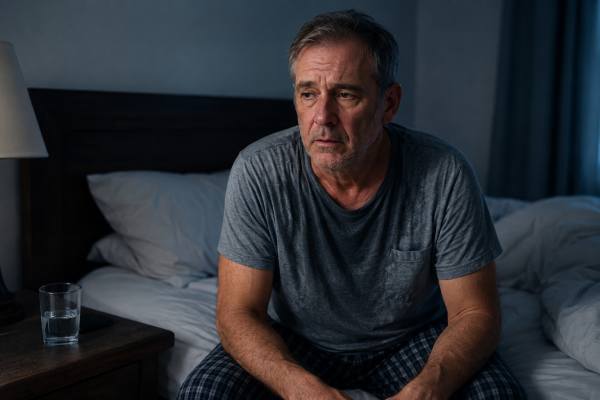
Waking up sweaty once in a while is usually not a medical emergency. A warm room, heavy blanket, alcohol, stress, or a hard workout late in the evening can all leave your shirt damp by morning. True night sweats are different: they are repeated episodes of heavy sweating during sleep, often enough to soak clothing or sheets, and they may happen even when the room is cool.
In men, the cause can be simple, such as overheating or medication side effects. It can also be related to sleep apnea, anxiety, low testosterone, thyroid disease, infection, or, less commonly, cancer. The pattern matters. Sweats with fever, weight loss, swollen lymph nodes, cough, chest pain, or severe fatigue deserve medical attention. So do sweats that persist for several weeks without an obvious trigger.
Table of Contents
- What Counts as Night Sweats?
- Common Non-Serious Triggers Men Often Miss
- Hormone and Metabolic Causes
- Infection, Inflammation, and Cancer Warning Signs
- Sleep Problems That Can Cause Sweating
- What to Track Before Your Appointment
- When to Get Checked and What Tests to Expect
- How Treatment Depends on the Cause
What Counts as Night Sweats?
Night sweats are more than feeling warm under a blanket. Doctors usually pay closer attention when sweating is repeated, drenching, not explained by room temperature, and linked with other symptoms.
A useful way to separate ordinary overheating from a possible medical issue is to ask what happens after you change the sleep setup. If you sleep in a cooler room, switch to lighter bedding, avoid alcohol, and still wake up soaked several nights a week, that pattern is more concerning than one sweaty night after a heavy meal or hot bedroom.
Mild sweating can happen during normal sleep because body temperature changes overnight. It can also happen when you wake from a nightmare, have a fever, or sleep under bedding that traps heat. Drenching sweats are different. They may force you to change clothes, towel off, or replace sheets.
The timing can help. Sweating soon after falling asleep may point to a warm environment, alcohol, anxiety, reflux, or medication effects. Sweating in the second half of the night can happen with fever cycles, low blood sugar, sleep apnea events, or hormone-related hot flashes. No pattern is diagnostic by itself, but details help narrow the cause.
Night sweats vs hot flashes
A hot flash is a sudden wave of heat, often with flushing, sweating, and a racing heartbeat. Men can have hot flashes too, especially when testosterone is very low or when testosterone is deliberately suppressed during prostate cancer treatment. Men looking into this symptom may also want to understand hot flashes in men, because they can overlap with night sweats but are not exactly the same.
When “sweating a lot” is a separate issue
Some men sweat heavily during the day and night because of hyperhidrosis, a condition where sweating is more than the body needs for cooling. Primary hyperhidrosis often affects the palms, feet, underarms, or face and may start earlier in life. Secondary sweating begins later or appears with another condition, medication, infection, or hormone problem. A broader look at excessive sweating in men can help when the problem is not limited to sleep.
Common Non-Serious Triggers Men Often Miss
The most common explanation is often not a rare disease. Many men start with medical fears, but the trigger may be in the bedroom, evening routine, medication list, or alcohol pattern.
A hot room is the obvious one, but bedding matters just as much. Foam mattresses, waterproof mattress covers, heavy comforters, flannel sheets, and synthetic sleepwear can trap heat. Some men sleep next to a partner who prefers a warmer room, then assume the sweating is internal when the sleep environment is the main driver.
Alcohol is another frequent trigger. It can widen blood vessels, disrupt sleep stages, worsen snoring and sleep apnea, and cause rebound wakefulness later in the night. Even when alcohol helps you fall asleep, it can make sleep lighter and sweatier. Men who drink several nights a week may notice improvement after a two-week alcohol break. For a wider health view, alcohol’s effects on hormones, sleep, fertility, blood pressure, and liver risk are covered in alcohol and men’s health.
Late exercise can also raise core body temperature. This is more likely after intense intervals, long runs, heavy lifting, sauna use, or hot showers close to bedtime. Some men can work out at night without trouble, but others need a longer cool-down window.
Spicy foods and heavy meals can trigger flushing, reflux, or wake-ups that feel like “sweats.” Caffeine late in the day can worsen anxiety, raise heart rate, and fragment sleep. Nicotine can also affect sleep and sweating.
Medications are easy to overlook. Sweating may occur with some antidepressants, diabetes medications, steroids, thyroid hormone, fever reducers, pain medicines, hormone-related drugs, and certain blood pressure medicines. Do not stop a prescription on your own, but bring a complete list to your clinician, including supplements, testosterone products, hair-loss medications, sleep aids, and over-the-counter pills.
Stress can be physical as well as emotional. Work pressure, grief, panic attacks, post-traumatic stress, nightmares, and relationship strain can activate the body’s fight-or-flight system during sleep. When night sweats appear with racing thoughts, chest tightness, morning dread, or panic-like awakenings, anxiety may be part of the picture. Men who mainly feel stress as irritability, tension, or body symptoms may find it useful to review anxiety symptoms in men.
Hormone and Metabolic Causes
Hormones affect body temperature, blood vessels, sleep depth, and metabolism. When they shift, sweating can show up at night before a man connects it to the rest of his symptoms.
Low testosterone is one possible cause, especially when it is severe or when levels fall quickly. Men receiving androgen deprivation therapy for prostate cancer often know to expect hot flashes and sweats. Men with untreated hypogonadism may notice low libido, fewer morning erections, fatigue, depressed mood, loss of muscle, increased body fat, or infertility along with temperature swings. Night sweats alone do not prove low testosterone, but they can be one clue among several.
Testing matters because testosterone naturally fluctuates. A single borderline result in the afternoon is not enough to diagnose a testosterone problem. Doctors usually confirm low levels with morning blood tests, often repeated, and interpret them alongside symptoms. Men with possible hormone symptoms should understand the best time to test testosterone before making decisions based on one lab result.
High thyroid activity is another important cause. Hyperthyroidism means the thyroid gland is producing too much thyroid hormone. This can speed up metabolism and cause heat intolerance, sweating, weight loss despite normal or increased appetite, shakiness, frequent bowel movements, anxiety, trouble sleeping, and a fast or irregular heartbeat. Graves’ disease is a common autoimmune cause of hyperthyroidism.
Low blood sugar can cause sweating during sleep, especially in men with diabetes who use insulin or certain glucose-lowering medications. Other signs may include nightmares, shaking, hunger, confusion, headache, or waking with a pounding heart. Morning glucose readings may not always reveal overnight lows, so the timing of symptoms matters.
Adrenaline surges can also produce sweating. These can happen with panic attacks, severe stress, pain, alcohol withdrawal, or rare hormone-producing tumors. Most men with night sweats do not have a rare tumor, but severe spells with pounding headaches, very high blood pressure, palpitations, and sweating need prompt evaluation.
Obesity can contribute through several routes: warmer sleep, more insulation, reflux, inflammation, insulin resistance, and sleep apnea. Belly fat is especially linked with metabolic and hormone changes. When night sweats appear alongside weight gain, fatigue, high blood pressure, or abnormal blood sugar, it may be worth looking at broader metabolic risk.
Hormone clues that deserve a focused visit
A hormone-related pattern is more likely when night sweats come with sexual symptoms, major energy changes, unexplained weight change, tremor, heat intolerance, breast tenderness, infertility, or new changes in body composition. For men with fatigue, low libido, and mood changes, low testosterone symptoms can overlap with sleep disorders, depression, thyroid disease, and chronic illness, so testing should be targeted rather than based on guesswork.
Infection, Inflammation, and Cancer Warning Signs
Drenching sweats with fever, weight loss, swollen glands, or feeling ill raise a different level of concern. In that situation, the sweating is not just a sleep comfort problem; it may be part of a whole-body response.
Common infections can cause temporary night sweats. A flu-like illness, COVID-19, pneumonia, mononucleosis, urinary infection, prostate infection, or skin infection may cause fever and sweating while the body fights the illness. Sweats often improve as the infection improves.
Tuberculosis is a classic cause of prolonged night sweats, especially when there is a cough lasting three weeks or longer, chest pain, coughing blood or sputum, weight loss, chills, fever, fatigue, or known exposure. TB is less common in many U.S. settings than ordinary respiratory infections, but it should not be ignored in men with risk factors, travel exposure, close contact, homelessness, incarceration exposure, or immune suppression.
HIV can also cause fever, night sweats, swollen lymph nodes, sore throat, rash, fatigue, or flu-like symptoms after exposure. Some people have no symptoms. If there has been a possible exposure, testing is the only way to know. Men with night sweats after a sexual or needle-related risk should not wait for symptoms to become severe before testing.
Endocarditis, an infection involving the heart lining or valves, can cause fever, fatigue, night sweats, weight loss, shortness of breath, chest symptoms, a new murmur, or small skin changes. Risk is higher in people with certain heart valve problems, injected drug use, some implanted cardiac devices, or recent bloodstream infection.
Cancer is less common than benign causes, but persistent drenching sweats can occur with lymphoma and some other cancers. The classic warning pattern includes fever, drenching night sweats, and unexplained weight loss. Swollen lymph nodes in the neck, armpit, or groin that do not go away are also important. These nodes are often painless, firm, and persistent, though many swollen nodes still turn out to be infection-related.
| Pattern | Why it matters | What to do |
|---|---|---|
| Sweats only after a hot room, alcohol, or heavy bedding | Often environmental or lifestyle-related | Adjust triggers for 1–2 weeks and monitor |
| Drenching sweats with fever | Can point to infection or inflammation | Arrange medical evaluation, sooner if fever is high or persistent |
| Sweats with unexplained weight loss | Can signal chronic infection, thyroid disease, cancer, or other illness | Book a prompt medical visit |
| Sweats with swollen lymph nodes | May occur with infection, lymphoma, or immune conditions | Get checked if nodes persist, grow, or are hard |
| Sweats with chest pain, coughing blood, severe shortness of breath, confusion, or fainting | May signal urgent illness | Seek emergency care |
Sleep Problems That Can Cause Sweating
Sleep apnea is one of the most commonly missed causes of nighttime sweating in men. Obstructive sleep apnea happens when the upper airway repeatedly narrows or closes during sleep. Oxygen levels can dip, breathing effort rises, and the body may jolt itself awake. That stress response can cause sweating, a racing heart, and restless sleep.
Many men with sleep apnea do not fully wake up during breathing events, so they may not remember gasping. A partner may notice loud snoring, pauses in breathing, choking sounds, or restless movement. The man may notice morning headaches, dry mouth, poor focus, irritability, high blood pressure, frequent nighttime urination, or daytime sleepiness. Some men deny sleepiness but feel exhausted, unmotivated, or foggy.
Risk increases with weight gain, a larger neck, alcohol use, sedatives, nasal obstruction, sleeping on the back, and age. Sleep apnea can affect lean men too, especially if airway anatomy contributes. Because it raises cardiovascular risk and can worsen testosterone, mood, and blood pressure, it deserves attention. Men with snoring, sweating, and fatigue should consider whether sleep apnea symptoms fit their pattern.
Insomnia can also lead to sweating, especially when the night is filled with repeated awakenings, worry, nightmares, or clock-watching. The body may repeatedly shift into a stress state instead of staying in deeper sleep. In some men, insomnia is the main issue; in others, it is a sign of anxiety, depression, pain, reflux, medication effects, or sleep apnea. When trouble falling asleep or staying asleep is a major part of the picture, insomnia in men may be worth exploring.
Nightmares and panic awakenings can feel dramatic. A man may wake soaked, heart pounding, and short of breath. That can mimic a medical crisis. Still, new nighttime panic symptoms should not be automatically blamed on stress, especially if there is chest pain, fainting, irregular heartbeat, new medication use, or risk factors for heart disease.
Reflux can sometimes wake a person with heat, coughing, choking, sour taste, or chest burning. It is not always the main cause of drenching sweats, but it can fragment sleep and trigger stress awakenings. Heavy meals, alcohol, late eating, and lying flat soon after dinner can worsen it.
What to Track Before Your Appointment
A short symptom log can save time and prevent vague answers. You do not need a complex spreadsheet. Track enough detail to show whether the sweats are random, trigger-related, or part of a larger pattern.
For one to two weeks, write down the nights when sweating happens and how severe it is. Note whether clothing or sheets were damp or soaked. Add room temperature, bedding, alcohol, cannabis or other substances, late exercise, spicy foods, heavy meals, stress level, and any new medication or supplement.
Also track symptoms during the day. Fever, chills, cough, weight change, appetite loss, diarrhea, tremor, swollen glands, urinary symptoms, pelvic pain, rash, fatigue, low libido, erectile changes, or palpitations may point in different directions. A thermometer is useful because “feeling feverish” and having an objective fever are not the same.
Check whether the sweating is new or long-standing. A man who has always sweated heavily may have a different problem than someone who suddenly starts soaking sheets at age 52. Sudden change matters.
Your medication list should include prescriptions, over-the-counter products, supplements, hormones, injections, creams, and recreational substances. Include dose changes. If you recently started or stopped antidepressants, steroids, testosterone, thyroid medication, diabetes medication, opioids, sleep aids, or heavy alcohol use, say so clearly.
A few home changes are reasonable while you track symptoms:
- Keep the bedroom cool and well ventilated.
- Use breathable sleepwear and lighter bedding.
- Avoid alcohol for two weeks.
- Avoid heavy meals and spicy foods within three hours of bed.
- Move intense workouts earlier in the day.
- Treat obvious fever or acute illness as directed on medication labels.
- Do not stop prescribed medications without medical advice.
If night sweats stop after these changes, the cause may have been environmental or lifestyle-related. If they continue, the log becomes useful medical evidence.
When to Get Checked and What Tests to Expect
Men should get checked when night sweats are drenching, recurrent, unexplained, or lasting more than a few weeks. A visit is also important when sweating comes with fever, weight loss, swollen lymph nodes, persistent cough, shortness of breath, chest pain, blood in sputum, severe fatigue, new sexual health risks, or symptoms of thyroid or testosterone problems.
Emergency care is appropriate for night sweats with chest pain, severe trouble breathing, confusion, fainting, coughing blood, a very high fever, signs of sepsis, or a rapidly worsening condition. Do not try to sort those out at home.
For non-emergency cases, a primary care clinician is usually the right starting point. The visit often begins with basic questions: How long has this been happening? How often? Are the sweats drenching? Any fever? Any weight loss? Any cough? Any new medications? Any travel, TB exposure, HIV risk, or other infection risk? Any snoring or witnessed breathing pauses?
The physical exam may include temperature, blood pressure, heart and lung exam, thyroid check, skin exam, lymph node exam, abdominal exam, and sometimes a genital or prostate-focused exam if symptoms point that way.
Common first tests may include:
- Complete blood count to look for anemia, infection clues, or blood cell abnormalities.
- Metabolic panel to check kidney, liver, electrolytes, and blood sugar.
- Thyroid-stimulating hormone, often with thyroid hormone levels if abnormal.
- Inflammation markers such as ESR or CRP in selected cases.
- HIV testing when risk or symptoms fit.
- TB testing when exposure, cough, travel, or risk factors fit.
- Chest X-ray when cough, fever, weight loss, TB concern, or lung symptoms are present.
- Urinalysis if urinary symptoms, fever, or infection concern is present.
- Morning testosterone testing when symptoms fit low testosterone.
Not every man needs every test. A healthy man with three sweaty nights after drinking in a warm room does not need the same workup as a man with two months of drenching sweats, fever, and weight loss.
If low testosterone is suspected, testing should be done carefully. A diagnosis usually requires symptoms plus consistently low morning testosterone. If sleep apnea is suspected, a sleep study may be more useful than hormone testing alone. Poor sleep can lower energy, libido, mood, and testosterone-like symptoms. For men with broad tiredness, fatigue-related lab testing often overlaps with a night-sweat workup.
When to see a specialist
A urologist, endocrinologist, infectious disease specialist, hematologist, cardiologist, or sleep medicine specialist may be involved depending on findings. Men with overlapping hormone, fertility, sexual health, and prostate concerns may benefit from guidance on when to see a men’s health specialist. Men with urinary symptoms, pelvic pain, recurrent infections, blood in urine, or prostate concerns may need a urology visit.
How Treatment Depends on the Cause
The right treatment is based on the cause, not the sweat itself. Using stronger antiperspirants or sleep hacks may help comfort, but they will not treat TB, hyperthyroidism, sleep apnea, or medication-related sweating.
For environmental overheating, treatment is simple: cooler room, breathable bedding, lighter sleepwear, and avoiding heat-trapping mattress layers. Some men need a fan or a mattress protector that does not trap heat.
For alcohol-related sweating, cutting back often helps within days to weeks. If sweating appears during alcohol withdrawal, especially with tremor, agitation, high blood pressure, confusion, or seizures, medical care is needed. Withdrawal can be dangerous.
For medication-related sweating, the prescriber may adjust dose, switch timing, change medication, or treat the side effect. Do not stop antidepressants, steroids, diabetes medication, thyroid medicine, or hormone therapy abruptly unless a clinician tells you to.
For low testosterone, treatment depends on the reason levels are low, whether fertility matters, and whether the diagnosis is confirmed. Testosterone therapy is not a general treatment for tiredness or sweating. It can reduce fertility, raise red blood cell counts, affect acne and breast tenderness, and requires monitoring. In some men, treating obesity, sleep apnea, medication causes, or pituitary issues is more appropriate than starting testosterone.
For hyperthyroidism, treatment may include antithyroid medicine, radioactive iodine, surgery, or symptom control with medications such as beta blockers. The best choice depends on the cause, severity, age, heart risk, and personal factors.
For sleep apnea, treatment may include weight loss when appropriate, reducing alcohol, changing sleep position, treating nasal obstruction, CPAP, oral appliances, or other options. Sweating may improve when breathing stabilizes and sleep becomes less fragmented.
For infections, treatment depends on the organism and location. TB, HIV, endocarditis, pneumonia, urinary infections, and prostate infections require different testing and medications. Recurrent fever and sweats should not be covered up with repeated fever reducers without finding the cause.
For anxiety, panic, nightmares, or stress-related sweating, treatment may include therapy, sleep routine changes, medication review, breathing techniques, exercise timing, and treatment of underlying depression or trauma. The goal is not to dismiss symptoms as “just stress,” but to treat the nervous system pattern once medical causes have been reasonably considered.
For cancer-related symptoms, the next steps depend on the suspected cancer type. Persistent swollen lymph nodes, unexplained weight loss, abnormal blood counts, or concerning imaging may lead to specialist referral, biopsy, or further scans.
Night sweats are frustrating because the same symptom can come from a hot comforter, a medication, sleep apnea, or a serious illness. The safest approach is pattern-based: fix obvious triggers, track the details, and get checked when the sweats are drenching, persistent, unexplained, or paired with warning signs.
References
- Persistent Night Sweats: Diagnostic Evaluation 2020 (Review)
- Signs and Symptoms of Tuberculosis 2025 (Official)
- Graves’ Disease 2025 (Official)
- Hodgkin Lymphoma Treatment 2025 (Official)
- Obstructive Sleep Apnea 2025 (Review)
- Society for Endocrinology guidelines for testosterone replacement therapy in male hypogonadism 2022 (Guideline)
Disclaimer
This article is for educational purposes and does not replace care from a qualified health professional. Night sweats can have harmless causes, but drenching or persistent sweats with fever, weight loss, swollen lymph nodes, cough, chest pain, or severe fatigue should be medically evaluated. Do not start, stop, or change prescription medications or hormone therapy without professional guidance.