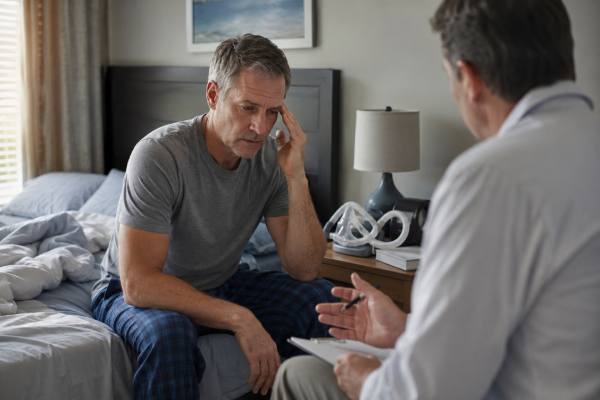
Sleep apnea often looks like “just snoring” from the outside, but the real problem is repeated breathing disruption during sleep. In men, it may show up as loud snoring, choking or gasping at night, morning headaches, low energy, irritability, poor focus, high blood pressure, or falling asleep in quiet moments. Some men never notice the breathing pauses themselves because a partner, roommate, or family member is the first person to see them.
Obstructive sleep apnea is the most common type. It happens when the upper airway narrows or collapses during sleep, causing breathing to slow or stop for short periods. The brain briefly wakes the body to reopen the airway, often before the person remembers waking up. Over time, this can strain the heart, worsen daytime function, and make other health problems harder to control.
Table of Contents
- Why Sleep Apnea Is Often Missed in Men
- Symptoms Men Should Not Ignore
- Risk Factors That Raise the Odds
- Health Risks of Untreated Sleep Apnea
- When to Get a Sleep Study
- Home Test vs Lab Sleep Study
- What Results Mean and What Happens Next
- How to Reduce Risk While Waiting for Care
Why Sleep Apnea Is Often Missed in Men
Many men do not connect poor sleep with breathing. They may blame long work hours, stress, aging, alcohol, weight gain, or a busy family schedule. Those can all affect sleep, but they do not explain repeated pauses in breathing, oxygen drops, and frequent arousals throughout the night.
A common pattern is simple: a man thinks he sleeps through the night, but he wakes up tired. His partner says he snores loudly, stops breathing, then snorts or gasps. He may deny it because he does not remember it. That memory gap is normal. The brain often wakes just enough to reopen the airway, not enough to create a clear memory.
Sleep apnea can also hide behind “normal” male complaints. Low energy, morning headaches, low mood, short temper, reduced sex drive, and poor concentration may be treated as separate issues. In some men, sleep apnea overlaps with weight gain, high blood pressure, depression, anxiety, reflux, or alcohol use. The breathing problem may not be obvious unless someone asks about sleep.
Snoring alone does not prove sleep apnea. Plenty of people snore without major breathing pauses. The concern rises when snoring is loud, frequent, disruptive, or paired with gasping, choking, witnessed pauses, or daytime sleepiness. A man who snores and also struggles with fatigue should take the pattern seriously, especially if it matches signs covered in snoring and daytime fatigue.
There is another reason men delay care: CPAP machines have a reputation for being uncomfortable. Some men avoid testing because they assume a diagnosis means they will be forced into one treatment. In reality, the sleep study comes first. It shows whether apnea is present, how severe it is, whether oxygen is dropping, and which treatment options make sense.
Symptoms Men Should Not Ignore
The strongest clues often happen at night, but the daytime symptoms are usually what finally push men to seek help. A man may wake with a dry mouth, drag through the morning, need extra caffeine, or fall asleep while watching TV. He may also feel mentally slower even after spending enough hours in bed.
Common nighttime signs include:
- Loud, regular snoring
- Breathing pauses seen by another person
- Gasping, choking, snorting, or waking suddenly short of breath
- Restless sleep, tossing, or frequent position changes
- Waking often to urinate
- Dry mouth or sore throat in the morning
- Night sweats without an obvious reason
- Reflux symptoms that worsen at night
Daytime symptoms can be just as important:
- Morning headaches
- Sleepiness during meetings, reading, driving, or watching TV
- Low energy despite a full night in bed
- Brain fog, poor memory, or trouble focusing
- Irritability, impatience, or low mood
- Reduced motivation to exercise
- Lower libido or erectile problems
- Higher caffeine use to function
Not every man with sleep apnea feels sleepy. Some feel wired, restless, or irritable instead. Others notice only blood pressure problems or poor workout recovery. Men who work shifts, drink alcohol at night, use sedatives, or sleep fewer hours may also miss the pattern because their sleep is already disrupted.
Insomnia can overlap with apnea. Some men fall asleep easily but wake often. Others cannot stay asleep and assume stress is the whole problem. When insomnia comes with snoring, choking, high blood pressure, or morning headaches, sleep apnea should be considered. The overlap is common enough that men with ongoing sleep trouble may benefit from looking at insomnia, alcohol, stress, and sleep apnea together rather than treating each issue in isolation.
A clear warning sign is sleepiness while driving. Nodding off at a red light, drifting lanes, needing to slap your face to stay awake, or relying on loud music and open windows is not normal tiredness. That level of sleepiness deserves prompt medical attention and a plan to avoid unsafe driving until the cause is addressed.
Risk Factors That Raise the Odds
Sleep apnea can affect men of any body size, but some risk factors make it much more likely. The most common include body weight, neck size, airway anatomy, age, alcohol use, smoking, nasal blockage, and family history.
Excess weight is one of the strongest risks because fat around the neck and upper airway can make the airway narrower. Belly fat also matters because it is linked with inflammation, insulin resistance, and breathing mechanics that can worsen sleep-disordered breathing. Men with weight gain around the middle may want to understand how visceral belly fat affects health risk beyond appearance.
Neck size is another clue. A thicker neck can mean less room around the airway, especially when throat muscles relax during sleep. A recessed jaw, enlarged tonsils, chronic nasal congestion, deviated septum, or a crowded throat can also raise risk, even in men who are not overweight.
Alcohol makes the airway more likely to collapse because it relaxes muscles and can blunt normal arousal responses. Drinking in the evening can turn mild snoring into more serious breathing disruption. Sedatives, some sleep medications, opioids, and certain muscle relaxants can have similar effects. Men who use alcohol to fall asleep may feel it helps at first, but it can worsen breathing, sleep quality, blood pressure, and next-day energy. The broader health links are covered in alcohol and men’s health.
Risk also rises with age. Muscle tone changes, weight distribution shifts, and medical conditions become more common. Men over 40 are often diagnosed after years of symptoms, but younger men can have it too, especially with obesity, large tonsils, a strong family history, or jaw structure that narrows the airway.
| Risk factor | Why it matters |
|---|---|
| Higher body weight | Can narrow the airway and increase breathing effort during sleep |
| Larger neck size | May reduce airway space when throat muscles relax |
| Alcohol near bedtime | Relaxes airway muscles and can worsen oxygen drops |
| Nasal blockage | Can increase mouth breathing, snoring, and sleep disruption |
| Family history | Airway shape, body type, and sleep traits can run in families |
| High blood pressure | Can be both a risk clue and a consequence of untreated apnea |
Having one risk factor does not mean a man has sleep apnea. Having several, especially with loud snoring or daytime symptoms, makes testing more reasonable.
Health Risks of Untreated Sleep Apnea
Untreated sleep apnea is not only about feeling tired. Repeated oxygen drops and sleep interruptions can activate stress hormones, raise blood pressure, strain blood vessels, and affect blood sugar control. The risk depends on severity, oxygen levels, other medical conditions, and how long the problem has gone untreated.
High blood pressure is one of the most common links. Sleep apnea can make blood pressure harder to control, especially when readings stay high despite medication or when blood pressure is elevated in the morning. Men tracking their numbers should understand why blood pressure matters and should mention snoring or gasping to their clinician if readings are persistently high.
Heart and blood vessel risks are also important. Untreated sleep apnea is associated with heart rhythm problems, coronary artery disease, stroke risk, and heart failure. It does not mean every man with apnea will have a heart event, but it does mean sleep should be part of the risk conversation, especially for men who already have chest pain, shortness of breath, diabetes, obesity, or a strong family history. Men with multiple risk factors may also benefit from reviewing early warning signs of heart disease.
Sleep apnea can affect metabolism. Poor sleep and oxygen stress may worsen insulin resistance, appetite signals, and weight control. Men with prediabetes or type 2 diabetes may find blood sugar harder to manage when sleep apnea is untreated. The relationship can go both directions: weight and insulin resistance can raise apnea risk, while apnea can make metabolic health harder to improve. Men with rising glucose or diabetes symptoms should take type 2 diabetes risks seriously.
Hormones and sexual health can also be affected. Poor sleep may lower morning testosterone levels, reduce libido, and worsen erectile function. Sleep apnea is not the only cause of these issues, but it is often missed when men focus only on testosterone labs. Sleep quality is one reason low energy and low libido should not automatically lead to hormone treatment. The relationship between sleep and hormones is explained further in low testosterone and sleep.
Mood and cognition matter too. Men may become more irritable, less patient, or more forgetful. Some describe feeling “not sharp” or emotionally flat. This can affect work performance, relationships, and motivation. When sleep is fragmented night after night, the brain may not get enough deep, steady recovery.
There is also an accident risk. Excessive sleepiness can make driving, operating machinery, climbing ladders, or working long shifts more dangerous. Even mild sleepiness can slow reaction time. Men who drive for work, work nights, or have safety-sensitive jobs should not ignore warning signs.
When to Get a Sleep Study
A sleep study is worth discussing when symptoms and risk factors point toward repeated breathing problems during sleep. The strongest reasons are witnessed breathing pauses, gasping or choking at night, loud snoring with daytime sleepiness, or high blood pressure that is difficult to control.
Consider asking a clinician about testing if you have any of these patterns:
- A partner has seen you stop breathing during sleep
- You wake up gasping, choking, or feeling short of breath
- You snore loudly most nights and feel tired during the day
- You fall asleep unintentionally in quiet situations
- You have morning headaches, dry mouth, or poor concentration
- You wake often to urinate without another clear cause
- You have high blood pressure, atrial fibrillation, heart disease, stroke history, or type 2 diabetes plus sleep symptoms
- You are being evaluated for testosterone therapy and have snoring, obesity, or daytime sleepiness
Men considering testosterone replacement should be especially careful. Testosterone therapy can worsen untreated sleep apnea in some cases, and sleep apnea can also mimic low testosterone symptoms. Before starting or increasing treatment, men with loud snoring, witnessed apneas, or daytime sleepiness should discuss whether testing is needed. This is part of the safety conversation around TRT and sleep apnea.
A sleep study is not usually ordered just because a man snores once in a while. It becomes more important when snoring is habitual, disruptive, paired with breathing pauses, or linked with daytime impairment. It is also more important when the man has medical conditions that untreated apnea can worsen.
Routine screening of adults without symptoms is more complicated. For men who have no snoring, no sleepiness, no witnessed pauses, and no related health clues, broad screening is not the same as symptom-based testing. But many men do have unrecognized symptoms. A short conversation with a clinician can clarify whether the pattern is strong enough for a sleep study.
Do not wait for symptoms to become severe if safety is involved. Sleepiness while driving, near-miss accidents, or falling asleep during work tasks that require attention should be treated as urgent warning signs.
Home Test vs Lab Sleep Study
A sleep study measures breathing and related body signals during sleep. The two main options are a home sleep apnea test and an in-lab polysomnogram. Both can be useful, but they are not interchangeable for every person.
A home sleep apnea test is usually used for adults who have a strong chance of moderate to severe obstructive sleep apnea and do not have major complicating conditions. It is done at home with sensors that may measure airflow, breathing effort, oxygen level, heart rate, and body position. It is simpler and more convenient than a lab study.
An in-lab sleep study is more complete. It records brain waves, sleep stages, breathing, oxygen, heart rhythm, leg movements, and other signals while a trained sleep technologist monitors the study. It can detect more than breathing events. It is often preferred when the case is complex.
| Test type | Best fit | Limits |
|---|---|---|
| Home sleep apnea test | Likely obstructive sleep apnea in an otherwise uncomplicated adult | May miss other sleep disorders and may underestimate severity because it does not always measure actual sleep time |
| In-lab polysomnogram | Complex symptoms, major heart or lung disease, suspected central apnea, severe insomnia, movement disorders, or unclear home test results | Requires spending the night in a sleep lab and may cost more |
A lab study may be better if a man has significant heart failure, chronic lung disease, neuromuscular disease, chronic opioid use, suspected low oxygen from another cause, history of stroke, severe insomnia, or possible central sleep apnea. Central sleep apnea is different from obstructive sleep apnea. In central apnea, the brain’s breathing signal is disrupted, rather than the airway simply collapsing.
Home tests can also produce false reassurance. If the home test is negative but symptoms are strong, the next step may be an in-lab study. For example, a man whose partner repeatedly sees breathing pauses should not dismiss the problem only because one home test was normal.
The ordering clinician should also review medications, alcohol use, work schedule, nasal symptoms, sleep position, and other health conditions. A sleep test is most useful when it is matched to the actual clinical question.
What Results Mean and What Happens Next
The main number on many sleep study reports is the apnea-hypopnea index, or AHI. It estimates how many breathing pauses or shallow-breathing events occur per hour of sleep or recording time. AHI is useful, but it is not the whole story.
Typical categories are:
- Mild sleep apnea: 5 to 14 events per hour
- Moderate sleep apnea: 15 to 29 events per hour
- Severe sleep apnea: 30 or more events per hour
The report may also include oxygen levels, time spent below certain oxygen thresholds, whether events are worse on the back, whether they cluster in REM sleep, snoring intensity, heart rhythm notes, and leg movements. Two men can have the same AHI but different risk profiles if one has deeper oxygen drops or major heart disease.
Treatment depends on severity, symptoms, anatomy, preferences, and medical risk. The most common option for moderate to severe obstructive sleep apnea is positive airway pressure therapy. CPAP is the best-known form. It uses air pressure through a mask to keep the airway open during sleep. Some people use an auto-adjusting device, often called APAP, which changes pressure through the night.
Mask fit matters. Many men who “fail CPAP” were never given enough help with mask choice, pressure comfort, nasal congestion, dry mouth, or anxiety about the device. A different mask, humidification, pressure adjustment, side-sleeping strategy, or coaching can make a large difference.
Oral appliances are another option for some men, especially those with mild to moderate apnea or those who cannot tolerate CPAP. These are custom dental devices that move the lower jaw forward to help keep the airway open. They should be fitted and monitored by qualified dental professionals working with a sleep clinician, not replaced with a generic boil-and-bite mouthguard.
Weight loss can improve sleep apnea in many men with overweight or obesity, but it is not an instant fix and does not replace treatment when apnea is moderate or severe. Some men still have apnea after major weight loss because airway shape, age, and genetics also matter. For adults with obesity and moderate to severe obstructive sleep apnea, a prescription weight-loss medication has also become an approved option in the United States when used with diet and physical activity. That decision belongs with a clinician who can weigh benefits, side effects, cost, other conditions, and ongoing need for airway treatment.
Other options may include positional therapy, nasal obstruction treatment, surgery, or implanted nerve stimulation in selected cases. Surgery is not one single procedure; it depends on the level of blockage and the person’s anatomy. A careful airway evaluation is important before considering it.
Follow-up matters after treatment starts. Symptoms may improve quickly, but blood pressure, weight, blood sugar, mask comfort, and device data need ongoing review. If a man loses or gains significant weight, starts sedating medication, begins testosterone therapy, has surgery, or develops a new heart condition, the treatment plan may need reassessment.
How to Reduce Risk While Waiting for Care
Men who strongly suspect sleep apnea should not try to solve it with gadgets alone. Mouth tape, over-the-counter snoring devices, nasal strips, pillows, and apps may reduce noise for some people, but they do not reliably diagnose or treat breathing pauses. A quieter night is not the same as safer oxygen levels.
There are still useful steps while waiting for an appointment or test:
- Avoid alcohol close to bedtime. Evening alcohol can worsen airway collapse and oxygen drops.
- Do not mix sedatives with alcohol. This can make breathing problems more dangerous.
- Sleep on your side if symptoms are worse on your back. Some men have position-related apnea.
- Treat nasal congestion. Allergies, sinus congestion, or blocked nasal breathing can make snoring and mouth breathing worse.
- Keep a symptom record. Note snoring, gasping, morning headaches, naps, blood pressure readings, and alcohol use.
- Ask a partner what they see. Witnessed pauses, choking, and restless sleep are important clues.
- Avoid drowsy driving. Use rides, breaks, schedule changes, or other safety steps if sleepiness is significant.
Weight management can help, but the goal should be health improvement, not blame. Many men with sleep apnea have been told to “just lose weight” without being offered testing or treatment. That is not enough. Better sleep can make exercise, appetite control, and energy easier. Men with obesity-related health concerns may need a broader plan for obesity and men’s health rather than a single instruction to diet.
Caffeine can hide the daytime symptoms without fixing the nighttime problem. Energy drinks, strong coffee, and pre-workout stimulants may help a man push through the day, but they can worsen anxiety, raise heart rate, affect blood pressure, and delay sleep if used late. Needing caffeine to stay awake during normal daytime tasks is a sign to look for the cause.
Men should seek urgent medical care if sleep symptoms occur with chest pain, fainting, severe shortness of breath, new confusion, weakness on one side of the body, or signs of stroke or heart attack. Sleep apnea is usually evaluated through routine care, but those symptoms are not routine.
For most men, the next step is straightforward: tell a primary care clinician or sleep specialist about the exact pattern. Mention loud snoring, witnessed pauses, choking, daytime sleepiness, blood pressure problems, medications, alcohol use, and any safety concerns. A sleep study can turn a vague problem into a measurable one, and that makes treatment much more targeted.
References
- Obstructive Sleep Apnea in Adults: Screening 2022 (Recommendation Statement)
- Australasian Sleep Association 2024 guidelines for sleep studies in adults 2024 (Guideline)
- A Systematic Review of Risk factors for Sleep Apnea 2024 (Systematic Review)
- FDA Approves First Medication for Obstructive Sleep Apnea 2024 (Official)
- Clinical Practice Guideline for Diagnostic Testing for Adult Obstructive Sleep Apnea: An American Academy of Sleep Medicine Clinical Practice Guideline 2017 (Guideline)
- Treatment of Adult Obstructive Sleep Apnea with Positive Airway Pressure: An American Academy of Sleep Medicine Clinical Practice Guideline 2019 (Guideline)
Disclaimer
This article is for educational purposes and does not replace care from a qualified health professional. Sleep apnea symptoms, oxygen drops, daytime sleepiness, high blood pressure, and treatment choices should be discussed with a clinician who can recommend the right type of sleep study and follow-up. Seek urgent care for chest pain, severe shortness of breath, fainting, stroke symptoms, or dangerous sleepiness while driving.