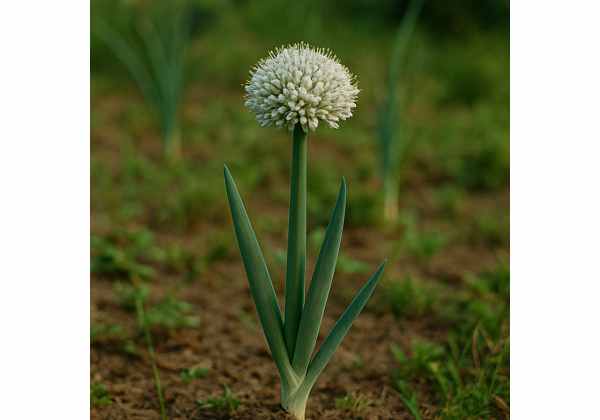
Onion is one of the few medicinal foods that almost everyone already uses, yet many people underestimate how biologically active it can be. The familiar bulb of Allium cepa is rich in sulfur compounds, flavonoids such as quercetin, and fermentable fibers that shape its smell, taste, and potential health effects. In the kitchen, onion adds depth, sweetness, and sharpness. In health research, it is studied for support in cardiometabolic health, antioxidant defense, inflammation balance, and digestive function.
What makes onion especially interesting is that its effects depend heavily on form. Raw onion, lightly cooked onion, onion juice, and onion peel extract do not behave the same way. The plant’s chemistry changes when it is cut, crushed, heated, or aged, so the benefits and tolerability shift with preparation. That is why the best approach is practical rather than dramatic: use onion regularly as a food, understand what concentrated preparations may and may not do, and keep expectations realistic. Onion can be genuinely helpful, but it works best as a steady part of a broader healthy pattern, not as a cure-all.
Quick Facts
- Regular onion intake may modestly support cardiovascular and metabolic health, especially as part of a plant-rich diet.
- Onion provides quercetin, sulfur compounds, and fermentable fibers that may support antioxidant balance and gut function.
- A practical food range is about 50 to 100 g daily, while concentrated supplements in studies often start above 300 mg per day.
- People with IBS, severe reflux, onion allergy, or upcoming surgery should be cautious with large amounts or supplements.
Table of Contents
- What Onion Is and Why It Matters
- Key Ingredients and Medicinal Properties
- How Onion May Support Heart, Metabolic, and Immune Health
- How These Compounds Work in the Body
- Practical Uses, Forms, and Best Preparation Methods
- Dosage, Timing, and How Long to Use Onion
- Safety, Interactions, and Who Should Avoid It
What Onion Is and Why It Matters
Onion is the edible bulb of Allium cepa, a member of the allium family that also includes garlic, leeks, and chives. It is one of the most widely eaten vegetables in the world, which already tells you something important: this is not an exotic supplement with narrow use. It is an everyday food with a long medicinal history, and that combination makes it unusually relevant. Many herbs are either potent but unfamiliar or familiar but mild. Onion sits in the middle. It is common enough to use often and active enough to matter.
Its health value starts with that dual role. In ordinary meals, onion increases flavor, which can make simple foods more satisfying and reduce the need for heavy sauces or excess salt. In a more medicinal context, it contributes plant compounds linked with antioxidant, anti-inflammatory, and metabolic effects. This does not mean every onion-heavy meal acts like a treatment. It means that repeated intake of onion as part of a balanced diet can create small, meaningful physiological advantages over time.
Another reason onion matters is that different types behave differently. Red onions tend to be richer in visibly pigmented flavonoids. Yellow and white onions can be milder or sweeter when cooked. Shallots and scallion greens overlap with onion physiology but are not identical. If you already enjoy nearby alliums such as leeks and related aromatic vegetables, onion fits naturally into the same food-as-medicine framework.
There is also a practical point many articles miss: onion is not one fixed preparation. The chemistry of a raw slice, a slow-roasted onion, an onion peel extract capsule, and a fresh onion juice shot can differ quite a bit. Cutting an onion activates enzymes that help generate sulfur compounds. Heat changes those compounds further. Peels often contain more quercetin than the edible flesh. So when people ask whether onion “works,” the better question is which form, for which goal, at what amount, and for how long.
This helps explain why onion research can look broad but uneven. The most convincing evidence usually sits in the food and cardiometabolic space, not in dramatic disease-treatment claims. Onion is best understood as a functional vegetable with real medicinal properties, but also with limits. It can support health steadily and modestly. It should not be marketed as a stand-alone solution for major illness.
Key Ingredients and Medicinal Properties
Onion’s medicinal profile comes from a mix of sulfur chemistry, flavonoids, and fermentable carbohydrates rather than from one superstar ingredient alone. That is part of its strength and part of the reason it can be hard to study. Whole onions are chemically dynamic. The act of slicing, chewing, or cooking changes the profile in real time.
The compound most people hear about first is quercetin, a flavonoid strongly associated with red and yellow onions, and especially with outer layers and peels. Quercetin is studied for antioxidant and inflammation-modulating effects, and it helps explain why onion peel extracts have attracted research interest. If you want a deeper look at this family of compounds, quercetin and its dosing questions provide useful background for understanding why onion extracts behave differently from the whole bulb.
The second major category is organosulfur compounds. These are responsible for onion’s pungent smell, the eye-watering effect during cutting, and many of its biological actions. In intact onion tissue, precursor compounds remain relatively stable. Once the cells are damaged, enzymes transform them into more reactive sulfur molecules. Those molecules are part of what gives onion its antimicrobial reputation and its potential relevance to vascular, metabolic, and inflammatory pathways.
Onion also contains fructans, a type of fermentable fiber. These fibers can act as prebiotics, helping feed beneficial gut bacteria, but they can also trigger gas and bloating in people with IBS or FODMAP sensitivity. That is why onion can feel both helpful and troublesome depending on the person. The same component that may support gut ecology in one person may produce discomfort in another.
Smaller but still useful contributions come from vitamin C, folate, potassium, and various phenolic compounds. Onion is not the most concentrated food source of any one of these in typical serving sizes, yet its strength lies in repeatability. A food you actually eat several times a week can matter more than a theoretically impressive herb you rarely use.
From a medicinal standpoint, the most realistic properties of onion are these:
- Antioxidant support through flavonoids and phenolics.
- Mild anti-inflammatory signaling effects.
- Cardiometabolic support, especially in relation to lipids, blood pressure, and body-fat regulation.
- Prebiotic and digestive effects through fermentable fibers.
- Modest antimicrobial potential, especially in raw or fresh preparations.
What onion does not offer is a single, standardized medicinal fingerprint. A cooked onion side dish is not the same as an onion peel capsule. A fresh red onion salad is not the same as a dehydrated extract tablet. The medicinal value is real, but it is preparation-dependent, dose-dependent, and usually modest rather than dramatic.
How Onion May Support Heart, Metabolic, and Immune Health
This is the section most readers care about, and it is also where balance matters most. Onion does have meaningful health research behind it, especially for cardiometabolic outcomes, but the expected effects are usually supportive rather than transformative. The best evidence points to modest improvements in certain risk markers, particularly when onion is consumed regularly or used in concentrated forms studied in trials.
Cardiovascular support is one of the strongest areas. Reviews and meta-analyses suggest that onion supplementation may help improve LDL cholesterol, total cholesterol, systolic blood pressure, and some body-composition measures. These are not drug-like effects, and they do not appear in every study, but they are consistent enough to matter. For people with room for improvement in lipids or blood pressure, onion seems more promising than for already healthy adults with optimal markers.
Metabolic health is the next big category. Onion and onion peel preparations have been investigated for body fat percentage, triglycerides, liver enzymes, and glucose-related outcomes. Much of this interest centers on quercetin-rich preparations and onion’s broader influence on oxidative stress and inflammation. In practical terms, onion may support metabolic health in two ways at once: directly through its bioactive compounds and indirectly by making vegetable-rich meals easier to enjoy and repeat.
Immune and respiratory claims require more caution. Onion has a long folk reputation for helping during colds and seasonal illness, and its sulfur compounds do show antimicrobial and immune-related activity in laboratory settings. However, human evidence is still much thinner here than popular culture suggests. A recent onion peel extract trial found mixed results, with some subgroup benefit but not broad, dramatic immune outcomes. So it is reasonable to view onion as a supportive food for immune resilience, not as a dependable stand-alone remedy for infections.
Its antioxidant role is easier to defend. Onion contributes compounds that help regulate oxidative stress, a background process involved in aging, metabolic strain, and chronic inflammation. This places onion in the same broad “daily protective food” category as other plant foods rich in polyphenols, including green tea and similar antioxidant-rich staples. The advantage of onion is that it fits into savory meals with almost no effort.
The fairest summary is this:
- Strongest practical case: cardiometabolic support and diet quality.
- Plausible but moderate case: antioxidant and inflammation balance.
- Weaker and more context-dependent case: direct immune and infection benefits.
That hierarchy matters. It helps keep expectations realistic. Onion is best used as a strategic food that may nudge health markers in the right direction over weeks or months. It is less convincing as an acute therapeutic fix. In other words, its power lies in regularity, not drama.
How These Compounds Work in the Body
Understanding mechanism makes onion easier to use intelligently. Its benefits do not come from magic, and they do not come from one single pathway. Onion works through several overlapping routes that together can influence metabolism, vascular health, inflammation, and digestion.
First, sulfur compounds appear to affect oxidative stress and cell signaling. When onion tissue is cut or crushed, reactive sulfur molecules form and may influence enzymes, inflammatory mediators, and redox balance. This does not mean a raw onion slice acts like a medication. It means the food contains compounds capable of nudging biological processes that matter for long-term health.
Second, flavonoids such as quercetin can affect inflammatory pathways and endothelial function. Endothelial function refers to how well blood vessels relax and respond to changing demands. Better endothelial performance supports blood pressure control and overall vascular health. This is one reason onion continues to show up in cardiometabolic research rather than being dismissed as just a flavoring vegetable.
Third, onion’s fibers and fructans influence the gut. These compounds can serve as fermentable substrates for gut bacteria, which in turn produce metabolites that affect digestion, immunity, and even appetite regulation. For many people this is a benefit. It is part of the same broader logic behind interest in digestive fibers and gut-supportive foods, although onion fiber behaves differently from purified soluble fiber supplements. With onion, the gut effect is paired with flavor, polyphenols, and sulfur compounds, not isolated fiber alone.
Fourth, onion may influence satiety and meal structure in practical ways. A meal built around onions, legumes, grains, eggs, fish, or vegetables often ends up more filling and less reliant on heavily processed sauces or snack-like foods. This is not a molecular mechanism, but it is a behavioral one, and it matters. Foods that make healthy patterns easier to sustain deserve more credit than they often get.
It is also worth noting what onion probably does not do reliably. It does not produce large, immediate changes in blood sugar after a single serving. It does not reliably cure infections. It does not replace statins, antihypertensives, or diabetes treatment. The mechanisms are real, but the magnitude in real life is usually moderate.
That is actually a strength, not a weakness. Foods with layered, gentle mechanisms often fit into long-term routines better than aggressive interventions. Onion works best when it is repeated, paired with an overall good diet, and prepared in ways that preserve the compounds you care about without making the meal unpleasant or hard to tolerate.
Practical Uses, Forms, and Best Preparation Methods
One of onion’s biggest advantages is flexibility. You can use it as a raw vegetable, a cooked base, a broth ingredient, a relish, a pickle, a juice, or a concentrated extract. The trick is knowing which form best matches your goal.
For everyday health support, food use is the strongest starting point. Raw onion tends to preserve more pungent sulfur chemistry, especially when freshly cut. That makes it a reasonable choice for people focused on stronger flavor, more active compounds, and a lower-salt way to brighten meals. Thin slices in salads, salsa, yogurt dips, or grain bowls work well. Red onion is often especially attractive here because its sharper taste and darker color suggest a richer flavonoid profile.
Cooked onion offers a different set of advantages. Heat softens pungency, increases sweetness, and makes larger portions easier to tolerate. Light sautéing or gentle roasting can still preserve value while improving digestibility for people who dislike raw onion. If your goal is simply to eat more allium vegetables consistently, cooked onion may be the most sustainable option.
Onion peels and peel extracts are more specialized. Peels are richer in quercetin than the edible interior, which is why supplement studies often use peel-derived preparations. Still, home use of peels should stay modest and practical, such as adding cleaned onion skins to stock and straining them out, rather than trying to build an improvised medicinal protocol from kitchen scraps.
Useful food-level applications include:
- Raw onion in salads, sandwiches, and yogurt-based relishes.
- Cooked onion as a base for soups, stews, beans, lentils, and egg dishes.
- Pickled onion for flavor with less heavy sauce.
- Onion added to fiber-rich meals, which can work nicely alongside foods that already contain pectin and other fermentable fibers.
A few preparation tips improve the odds of benefit:
- Cut and rest raw onion briefly before eating or cooking to allow enzyme activity.
- Use moderate heat when possible instead of prolonged scorching.
- Pair onion with fat, protein, or starch if raw onion feels harsh on the stomach.
- Rotate forms instead of relying on one style every day.
If you tolerate onion well, food use is usually enough. Supplements make more sense when someone is specifically targeting a research-style outcome and understands that extracts are not interchangeable with whole onion. For most people, the best medicinal use of onion still begins in the pan, bowl, or salad plate.
Dosage, Timing, and How Long to Use Onion
Unlike a prescription drug, onion does not have one universally accepted medicinal dose. The most responsible way to think about dosage is to separate culinary intake from concentrated supplement use.
For food use, a practical daily range is about 50 to 100 g of onion, which is roughly half to one medium onion depending on size and variety. Some people tolerate more, especially when it is cooked. Others do better with much less, particularly if they have IBS or reflux. The right dose is the one that fits your digestion well enough that you will actually keep using it.
For concentrated preparations, research is more variable. Meta-analytic data suggest benefits are more likely when onion supplementation exceeds about 300 mg per day, and some trials have used around 1,000 mg per day of onion peel extract for about 8 weeks. This does not mean everyone should take that amount. It means that if you are looking at supplements, you should expect real study doses rather than tiny “pixie dust” amounts.
Timing also matters. Raw onion is often easier to tolerate with meals rather than on an empty stomach. If reflux is an issue, earlier in the day may be more comfortable than late evening. Cooked onion can often be taken in larger amounts than raw onion without the same degree of digestive irritation. Concentrated onion or quercetin-rich extracts are usually better taken with food unless a product specifically directs otherwise.
Duration should match the goal. For general wellness, onion works best as a long-term dietary habit. For extract-style use, most meaningful studies run for several weeks, often 8 to 12 weeks. That is a helpful reality check. If someone expects a supplement to change lipids or body composition in a few days, the timeline is already unrealistic.
A sensible progression looks like this:
- Start with food if you do not already eat onion regularly.
- Increase gradually from small servings to a comfortable routine.
- Use supplements only if you have a clear reason and can monitor tolerance.
- Reassess after 8 to 12 weeks rather than continuing automatically.
The most important dosing principle is consistency, not excess. Onion is one of those foods where steady moderate intake usually beats sporadic aggressive use. If a daily half onion suits your digestion, that can be more valuable than an ambitious supplement routine you abandon in two weeks.
Safety, Interactions, and Who Should Avoid It
Onion is generally safe as a food, but safety becomes more nuanced when amounts are large, symptoms are present, or extracts are involved. The biggest real-world problems are not mysterious toxic effects. They are digestive intolerance, reflux, allergy, and careless use of concentrated products.
Digestive discomfort is the most common issue. Onion contains fructans, which are well-known triggers for gas, bloating, abdominal pain, and altered bowel habits in people with IBS or FODMAP sensitivity. For these individuals, even healthy compounds can become a liability. That does not mean onion is “bad.” It means tolerance is personal, and low-FODMAP strategies may matter more than theoretical benefits.
Reflux and upper digestive irritation are the next major concerns. Raw onion can aggravate heartburn in susceptible people. If that happens, switching to smaller cooked portions is often more useful than forcing raw intake because an article says raw is stronger.
Allergy is less common but real. Symptoms may include mouth itching, rash, swelling, or more significant reactions. Anyone with a known onion allergy should avoid both food and extracts. People with sensitivity to other alliums may need caution with onion as well, though cross-reactivity is not identical in every person.
Concentrated onion products add a few extra considerations:
- They may be more likely to irritate the stomach than food use.
- They can complicate symptoms near surgery because onion and quercetin-rich products may have mild antiplatelet relevance in some contexts.
- They are not ideal for people already taking multiple supplements without clear purpose.
A careful “who should avoid” list includes:
- People with onion allergy.
- Those with IBS that clearly worsens with onion.
- People with poorly controlled reflux triggered by raw onion.
- Anyone preparing for surgery who is considering starting a concentrated onion supplement.
- People on complex medication regimens unless a clinician says the plan makes sense.
For most healthy adults, onion as food is low risk and high practical value. The main rule is simple: do not confuse safe food use with automatically safe high-dose supplemental use. If your interest is immune support, cardiovascular health, or better meal quality, onion can help. If you are chasing disease treatment or ignoring digestive warning signs, onion is being asked to do a job it was never meant to do.
References
- Onion supplementation and health metabolic parameters: A systematic review and meta-analysis of randomized controlled trials 2023 (Systematic Review and Meta-analysis)
- Effect of onion (Allium cepa L.) peel extract on natural killer cell and cytokines in a randomized, double-blind, placebo-controlled trial 2024 (RCT)
- Antiobesity effects of onion (Allium cepa) in subjects with obesity: Systematic review and meta-analysis 2023 (Systematic Review and Meta-analysis)
- Onion (Allium cepa L.) Organosulfur Compounds: From Traditional Use to Modern Pharmacological Insights 2026 (Review)
- A review of anti-inflammatory, antioxidant, and immunomodulatory effects of Allium cepa and its main constituents 2021 (Review)
Disclaimer
This article is for educational purposes only and does not replace medical advice, diagnosis, or treatment. Onion is generally safe as a food, but concentrated extracts, onion peel supplements, or unusually high intake may not be appropriate for everyone. People with IBS, reflux, food allergy, upcoming surgery, or chronic medical conditions should use extra caution, especially before starting supplements. If symptoms are severe, persistent, or medication-related, speak with a qualified clinician rather than relying on food or herbal strategies alone.
If you found this article useful, please share it on Facebook, X, or any platform you prefer to help others find evidence-aware information on onion and its health uses.