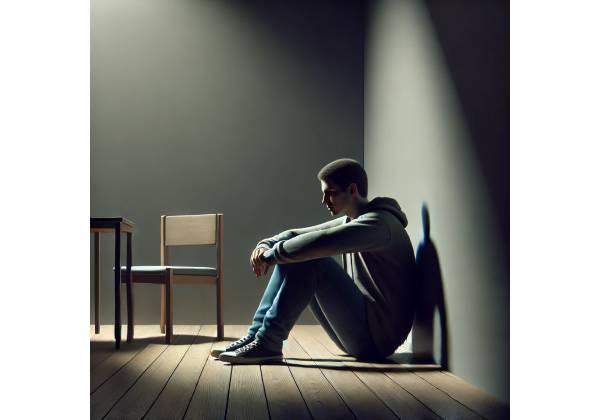
Autophobia is a strong, persistent fear of being alone. For some people, the fear appears when they are physically by themselves at home, in a car, or in a public place. For others, the distress begins earlier, as soon as they expect to be without a trusted person. What makes autophobia different from ordinary loneliness is the intensity of the reaction. The body can behave as if danger is immediate, even when the setting is familiar and objectively safe.
This subject needs nuance because autophobia is not always a simple stand-alone phobia. In some people, it resembles a specific phobia. In others, it overlaps with separation anxiety, agoraphobia, panic, trauma-related hypervigilance, or attachment-based fears. That distinction matters because treatment works best when it matches the real pattern beneath the fear. With careful assessment and a practical treatment plan, many people can reduce panic, rely less on safety behaviors, and regain confidence in spending time alone.
Table of Contents
- What Autophobia Is
- Symptoms and Common Triggers
- Causes and Risk Factors
- How Diagnosis Is Made
- Daily Life and Complications
- Treatment and Therapy Options
- Coping and Self-Management
- When to Seek Help and Outlook
What Autophobia Is
Autophobia refers to an intense fear of being alone. The fear may involve physical solitude, emotional separation, or the belief that help will not be available if something goes wrong. Some people fear being in the house without another person nearby. Others can tolerate being home alone but panic when they must travel alone, sleep alone, or remain in a public place without a trusted companion. The surface theme is solitude, but the underlying fear can differ from one person to another.
That is why autophobia is best understood as a pattern of anxiety, not always a single formal diagnosis. In practice, clinicians often ask what the person believes will happen if they are alone. The answer shapes the interpretation. A person may fear:
- A medical emergency with no one to help
- A panic attack that feels impossible to manage alone
- Intruders, accidents, or loss of control
- Intense emotional collapse, especially at night
- Separation from a specific attachment figure
- Being trapped outside the home without support
In some cases, the pattern resembles a specific phobia, where the feared situation is being alone itself. In other cases, it fits better with separation anxiety disorder, especially when the main distress centers on being away from an attachment figure. It can also overlap with agoraphobia, where the fear is less about solitude in an emotional sense and more about being in places where escape seems difficult or help seems unavailable. Trauma history can complicate the picture further, especially if being alone once coincided with danger, abandonment, or helplessness.
This distinction matters because not all dislike of solitude is pathological. Many people prefer company, feel vulnerable at night, or become uncomfortable after a stressful event. Those experiences are common. The concern becomes clinical when fear is persistent, disproportionate, and disruptive. A person may reorganize daily life to avoid being alone, feel panicked by short separations, or depend on other people far beyond practical need.
Autophobia can also be hidden in plain sight. Someone may describe themselves as “just very social” or “bad at being alone,” while quietly arranging constant contact, delaying errands, keeping the television on all night, or refusing any overnight solitude. When those patterns are driven by fear rather than preference, the condition deserves attention. The goal is not to make someone enjoy isolation. It is to help them tolerate solitude without panic, helplessness, or relentless avoidance.
Symptoms and Common Triggers
The symptoms of autophobia can begin quickly. In some people, anxiety rises only after the last person leaves. In others, it starts much earlier, sometimes hours before a partner goes to work, before a child’s sleepover, before a hotel stay, or before a trip that requires independent travel. The anticipatory phase can be just as disruptive as the feared situation itself.
The emotional experience is often described as dread, panic, or a strong sense of vulnerability. Many people know, on a rational level, that being alone is not automatically dangerous. Even so, the body reacts as if a threat is close. That mismatch between logical knowledge and physical alarm is a hallmark of anxiety-based fear.
Common physical symptoms include:
- Rapid heartbeat or pounding chest
- Sweating, trembling, or shaky hands
- Shortness of breath
- Tightness in the chest or throat
- Nausea or stomach upset
- Dizziness or lightheadedness
- Tingling sensations
- Trouble falling asleep when alone
Cognitive symptoms often intensify the distress. These may include thoughts such as:
- “Something bad will happen and no one will help.”
- “I will panic and completely lose control.”
- “I cannot cope on my own.”
- “If I am alone, I will not be safe.”
- “I need someone here right now.”
Behavioral symptoms are often the clearest sign that the fear has become clinically important. A person may:
- Avoid staying home alone
- Keep someone on the phone for long periods
- Delay errands until another person is available
- Refuse overnight trips unless accompanied
- Sleep with lights, television, or music on to reduce fear
- Repeatedly check locks, windows, or phones for reassurance
Triggers vary, but common ones include:
- Being home alone at night
- A partner or roommate leaving unexpectedly
- Empty houses, hotels, or apartments
- Traveling alone by car, train, or plane
- Being the only adult present with children
- Silence, darkness, or time periods that feel long and open-ended
In some people, autophobia includes full panic attacks. These episodes can peak within minutes and may involve chest tightness, intense fear, crying, numbness, or the urge to call someone immediately. In children and adolescents, symptoms may show up as clinging, tantrums, crying, refusal to sleep alone, or repeated physical complaints before separation.
What matters most is the pattern. If the same situations repeatedly trigger intense distress and avoidance, autophobia becomes more than a preference for company. It becomes a fear response that can shape routines, relationships, and personal freedom.
Causes and Risk Factors
Autophobia usually develops through a combination of life experience, temperament, and learned threat patterns. It rarely comes from a single cause. More often, the fear takes root when solitude becomes linked with danger, helplessness, or emotional overwhelm.
One clear pathway is direct experience. A person may have been left alone during a frightening event, experienced a medical crisis with no immediate help, endured a panic attack while alone, or gone through a burglary, accident, or other emergency in solitude. Even if the event was brief, the emotional imprint can be strong. The brain learns to treat being alone as unsafe.
Another pathway is attachment and separation difficulty. Some people become highly distressed when apart from a partner, parent, child, or another attachment figure. In that case, the problem may resemble adult or childhood separation anxiety more than a narrow phobia. The fear is not just the absence of another person. It is the emotional meaning of that absence.
Other contributing influences may include:
- A history of panic attacks
- General anxiety or chronic stress
- Childhood adversity or inconsistent caregiving
- Trauma, especially trauma that involved abandonment or helplessness
- A naturally cautious or behaviorally inhibited temperament
- Poor confidence in managing practical problems alone
- Depression, which can make solitude feel heavier and more threatening
- Sleep disturbance, which often increases nighttime fear
Trauma deserves special attention. When a person has lived through abuse, neglect, stalking, violence, or repeated instability, being alone may activate a deep sense of exposure. In that setting, the fear is not random or foolish. It is a protective system that has become overgeneralized. The nervous system stays ready for danger, and solitude becomes one of its strongest triggers.
Avoidance then strengthens the pattern. If calling someone, staying with others, or refusing to be alone brings immediate relief, the brain learns a simple lesson: “Company kept me safe.” That relief is real, but it keeps the fear alive. The person never gets the chance to learn that distress can rise and fall without rescue.
It is also common for autophobia to overlap with other anxiety patterns. A person who fears panic may avoid being alone because they worry no one will help during an episode. Someone with agoraphobia may fear being outside the home alone because escape seems difficult. Someone with separation anxiety may fear distance from a specific loved one rather than solitude in general. These differences matter because they influence treatment.
The central point is that autophobia is usually learned, reinforced, and maintained. It is not a sign of weakness. It is a sign that the brain has attached too much danger to aloneness and now needs help updating that belief.
How Diagnosis Is Made
Diagnosis begins with a careful clinical history. There is no blood test or brain scan that identifies autophobia. Instead, a clinician will want to understand exactly what the person fears, how long the pattern has been present, what situations trigger it, and how much it interferes with daily life. This is especially important because fear of being alone can arise from several different disorders rather than one single diagnosis.
A good assessment usually explores the following questions:
- What does the person believe will happen if they are alone?
- Is the fear stronger at home, outside the home, at night, or during travel?
- Does the distress center on being separated from a specific person?
- Are panic attacks part of the picture?
- Is there a history of trauma, abandonment, or emergency situations while alone?
- How much does the person avoid ordinary tasks because of the fear?
The clinician may then consider several related conditions.
- Specific phobia may fit when being alone itself acts as the direct trigger for fear and avoidance.
- Separation anxiety disorder may fit when the core problem is distress about separation from an attachment figure.
- Agoraphobia may fit when fear is strongest in situations where escape seems hard or help seems unavailable, such as being outside the home alone.
- Panic disorder may be relevant if the person mainly fears having panic symptoms with no one present to help.
- Trauma-related disorders may be more accurate when solitude triggers reminders of earlier harm, abandonment, or helplessness.
Assessment also looks at safety behaviors. These are the actions people use to reduce fear, such as keeping someone on speakerphone, checking doors repeatedly, sleeping only when another person is nearby, or avoiding whole parts of the day. These habits can seem practical, but they often preserve the problem by preventing the person from learning that they can cope.
In children and teenagers, diagnosis should include developmental context. Fear of some separation is normal in early childhood, but it becomes concerning when the intensity is clearly beyond age expectations or when it interferes with school, sleep, or family functioning. In adults, the problem may be hidden behind phrases like “I just hate being alone” even when the level of reliance on others is extreme.
A thoughtful diagnosis can feel relieving. It gives structure to a confusing problem and helps set realistic goals. The aim is not just to label the fear, but to understand whether the main issue is solitude itself, panic vulnerability, attachment distress, trauma-related threat, or a blend of these. That clarity makes treatment far more precise and useful.
Daily Life and Complications
Autophobia can reshape daily life in subtle and obvious ways. Because being alone is part of normal adulthood and child development, the condition often affects more situations than people first realize. It is not just about nights at home. It can influence work, relationships, parenting, sleep, travel, and even basic errands.
Common areas of impact include:
- Staying home alone after work or school
- Running errands without a companion
- Sleeping in a separate room or separate home
- Working remotely or in a quiet office
- Traveling independently
- Attending appointments without support
- Parenting during periods when no other adult is present
- Recovering from illness or managing practical tasks alone
The fear often leads to hidden dependence. A person may ask others to stay later than they want, insist on frequent phone contact, avoid living alone, or refuse opportunities that require independence. Friends, partners, or relatives may gradually become part of the person’s safety system. While that may reduce immediate distress, it can also create strain.
Several complications can follow:
- Increased conflict in relationships
- Reduced freedom and spontaneity
- Missed work, school, or travel opportunities
- Sleep problems, especially if fear is worst at night
- Greater risk of broader anxiety and depressed mood
- Loss of confidence in independent functioning
- Overuse of alcohol, sedatives, or distraction to get through solitary time
One major burden is anticipatory anxiety. The person may spend hours worrying about an upcoming evening alone, a weekend when a partner is away, or a quiet house after children leave for school. This dread can be exhausting even when nothing dangerous happens. Over time, the nervous system stays keyed up, and solitude begins to feel threatening in advance.
Safety behaviors can also grow more rigid. A person may keep every light on, sleep with the phone in hand, check the locks multiple times, ask for constant text updates, or avoid showering, sleeping, or leaving one room when alone. These rituals create a sense of control, but they can make genuine recovery harder by sending the message that the situation is unsafe without them.
The deeper complication is that life becomes smaller. Choices about housing, work schedules, relationships, and travel may start revolving around who can be present, who can be called, or how quickly another person can return. That narrowing can erode self-trust. The person may begin to believe they truly cannot cope alone, even though the fear itself is doing much of the limiting.
That is why treatment focuses on restoring more than calm. It aims to restore flexibility, functioning, and the ability to be alone without feeling defenseless.
Treatment and Therapy Options
The most effective treatment depends on what is driving the fear. If autophobia mainly behaves like a specific phobia, treatment often centers on cognitive behavioral therapy with gradual exposure. If separation distress is central, therapy may focus more on attachment patterns, reassurance seeking, and tolerance of distance. If trauma plays a large role, treatment should be trauma-informed and paced accordingly. The label matters less than matching treatment to the actual mechanism.
For many people, treatment begins with education. A therapist helps explain how fear works, how avoidance strengthens it, and how physical symptoms can feel dangerous without actually signaling catastrophe. This matters because people with autophobia often believe they must feel completely safe before they can be alone. In reality, recovery often comes from learning that distress can rise, peak, and settle without rescue.
A graded exposure plan may include steps such as:
- Spending a few minutes alone in one room during daylight
- Remaining alone in the house for a set, predictable time
- Taking a short walk or errand without a companion
- Staying alone in the evening with reduced safety rituals
- Sleeping alone for part or all of the night
- Handling longer or less structured periods of solitude
The plan should be specific. Someone who fears nighttime isolation may need a different ladder than someone who fears being outside the home alone. Exposure works best when it is repeated, planned, and matched to the person’s trigger pattern.
Cognitive work is often included as well. Common beliefs that may need testing include:
- “If I am alone, I will not cope.”
- “I need another person present in order to be safe.”
- “If panic starts, it will become unmanageable.”
- “Being alone always means vulnerability.”
If trauma history is significant, therapy may need a broader focus. In that case, treatment might include trauma-focused work, emotional regulation skills, and careful attention to current safety. Pushing straight into exposure without that context can feel invalidating or destabilizing.
Medication is not always necessary. For a narrow, isolated phobia, medication is usually not the main treatment. However, if autophobia occurs alongside panic disorder, agoraphobia, depression, generalized anxiety, or severe insomnia, a clinician may consider medication as part of a larger plan. Medication choices should be individualized and used to support therapy, not replace it.
The overall aim is not to make someone prefer solitude. It is to reduce fear enough that being alone becomes manageable, flexible, and no longer a source of immediate alarm.
Coping and Self-Management
Self-management can help meaningfully, especially when it supports therapy rather than turning into another avoidance system. The best coping strategies do not promise instant comfort. They aim to reduce panic, build tolerance, and show the brain that solitude does not always equal danger.
A useful first step is to define the trigger precisely. Ask what part of being alone feels hardest:
- The silence
- The night
- Sleeping alone
- Being outside the home alone
- Lack of immediate help
- Separation from one specific person
- The fear of having panic symptoms with no witness
Once the trigger is clearer, a more practical plan becomes possible. Helpful steps often include:
- Making a fear ladder from easiest solitary tasks to hardest ones
- Practicing in short, repeatable periods instead of only during emergencies
- Staying with the situation long enough for anxiety to come down at least somewhat
- Tracking fear levels before, during, and after exposure
- Repeating successful steps often enough that they start to feel familiar
Practical coping tools may include:
- Slow breathing with longer exhalations
- Grounding attention in the room through sight, touch, and sound
- Relaxing the shoulders, jaw, and hands
- Using realistic self-talk such as “This is anxiety, not immediate danger”
- Keeping a written plan for what to do if distress rises
- Reducing caffeine if it increases physical panic symptoms
Some habits feel helpful but actually keep the fear alive. These include:
- Calling or texting for reassurance every few minutes
- Leaving at the first spike of anxiety every time
- Keeping every safety ritual in place forever
- Using alcohol or sedatives as a routine way to tolerate solitude
- Waiting until you feel fully ready before practicing
Supportive people can help, but the form of help matters. Useful support encourages practice without taking over. It sounds like, “You are uncomfortable, but you can stay with this a little longer,” rather than, “I will fix this by never letting you be alone.” Too much rescue can accidentally confirm the fear.
For children, coping plans should be predictable and gradual. Adults can help by creating steady routines, reducing dramatic reassurance cycles, and rewarding effort rather than perfect calm. For adults, self-management often works best when it builds small experiences of mastery, such as finishing an errand alone or tolerating a quiet evening without constant contact.
The essential principle is simple: confidence grows from experience. The more often a person spends manageable time alone and sees that they can endure the discomfort, the less absolute the fear begins to feel.
When to Seek Help and Outlook
It is time to seek help when fear of being alone is doing more than causing occasional discomfort. Many people delay treatment because they tell themselves they are simply “not independent,” “too attached,” or “bad at solitude.” Those descriptions can hide a real anxiety problem. If the fear is shaping major choices, straining relationships, or creating panic, it deserves careful attention.
You should consider professional help if the fear:
- Causes panic attacks or severe physical distress
- Prevents ordinary time alone at home or outside
- Disrupts work, school, travel, sleep, or parenting
- Leads to repeated reassurance seeking or rigid dependence on others
- Is getting broader over time
- Feels linked to trauma, abandonment, or past emergencies
- Is accompanied by depressed mood, exhaustion, or hopelessness
A formal evaluation is especially important when the symptoms may fit more than one condition. Fear of being alone can overlap with specific phobia, separation anxiety disorder, agoraphobia, panic disorder, depression, and trauma-related disorders. When the overlap is recognized early, treatment can be more accurate and effective.
Urgent help is warranted if anxiety is linked to:
- Thoughts of self-harm or suicide
- Dangerous substance use
- Inability to function safely when alone
- Severe panic that leads to unsafe behavior
- Ongoing abuse, neglect, or immediate safety concerns
The outlook for autophobia is generally good when the fear is understood clearly and treated appropriately. Many people improve with structured therapy, especially when they practice gradually rather than waiting for confidence to appear first. The person may not come to love being alone, and that does not need to be the goal. A more realistic and useful goal is this: solitude becomes tolerable, flexible, and no longer something that controls daily life.
Progress often comes in stages. First, the person understands the pattern better. Then the panic becomes less automatic. After that, previously avoided situations, such as staying home alone for an evening or running errands without a companion, become manageable. Each small success matters because it replaces fear-based assumptions with lived evidence.
Setbacks can happen, especially during stress, illness, grief, or major life change. A setback does not mean recovery has failed. It often means the nervous system has become more sensitive again and needs fresh practice, support, or treatment adjustment.
The clearest sign of recovery is not the total absence of anxiety. It is a return of choice. When fear of being alone no longer decides where you go, how you sleep, whom you need beside you, or what you can handle, the world becomes larger again.
References
- Specific Phobia – StatPearls – NCBI Bookshelf 2024
- Agoraphobia – StatPearls – NCBI Bookshelf 2024
- Separation Anxiety Disorder – StatPearls – NCBI Bookshelf 2023
- Psychosocial interventions for anxiety disorders in adults: evidence mapping and guideline appraisal – PubMed 2025 (Systematic Review)
- The German Guidelines for the treatment of anxiety disorders: first revision – PubMed 2022 (Guideline)
Disclaimer
This article is for general educational purposes only and is not a diagnosis or a substitute for medical or mental health care. Fear of being alone can arise from different causes, including specific phobia, separation anxiety, agoraphobia, panic, trauma-related symptoms, or depression. If symptoms are persistent, worsening, or interfering with daily life, seek help from a qualified healthcare professional or licensed mental health clinician. Seek urgent help right away if anxiety is linked to self-harm thoughts, unsafe substance use, inability to function safely, or immediate danger.
If this article was helpful, please consider sharing it on Facebook, X, or another platform you prefer.