
Danon cardiomyopathy: Overview, Causes, Risk Factors, Symptoms, Diagnosis, Treatment and Management

Danon cardiomyopathy is a form of heart muscle disease (cardiomyopathy: the heart muscle becomes thick, weak, or stiff) linked to Danon disease, a rare...
Danon disease: Overview, Symptoms, Diagnosis, and Treatment Options

Danon disease is a rare inherited condition that most often shows itself through heart problems, sometimes years before anyone knows its name. A child...
Deep vein thrombosis: Overview, Causes, Symptoms, Diagnosis, Treatment, and Prevention

Deep vein thrombosis (DVT) happens when a blood clot forms in a deep vein, most often in the calf or thigh. It can start...
Degenerative aortic stenosis: Overview, Causes, Symptoms, Diagnosis, Treatment, and Management

Degenerative aortic stenosis is a common valve problem of aging in which the aortic valve gradually becomes stiff and narrow. Aortic stenosis (a narrowed...
Degenerative mitral regurgitation: Symptoms, Atrial Fibrillation Risk, and When to Intervene

Degenerative mitral regurgitation is a common form of “leaky” mitral valve disease that develops when the valve’s own tissue weakens over time. Mitral regurgitation...
Degenerative mitral valve disease: Overview, Causes, Symptoms, Diagnosis, Treatment, and Management
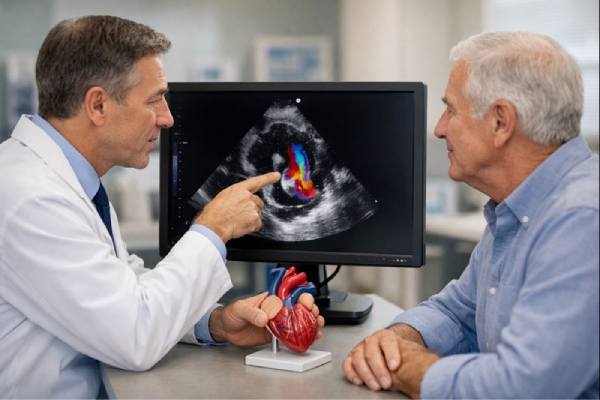
Degenerative mitral valve disease is a gradual wear-and-tear condition that changes the structure of the mitral valve—the “door” that keeps blood moving in the...
Degenerative valve disease: Symptoms, Diagnosis, Imaging, and Treatment Options

Degenerative valve disease is a common, age-related set of problems in which one or more heart valves gradually lose their normal shape and flexibility....
Degos disease: Causes, Risk Factors, Complications, and Long-Term Monitoring

Degos disease is a very rare condition in which small blood vessels become damaged and blocked. That injury can show up first on the...
Dehydration-induced hypotension: Causes, Symptoms, Diagnosis, and Fast Rehydration Treatment

Dehydration-induced hypotension happens when your body loses enough fluid that your blood pressure drops. For some people, it starts as a subtle “off” feeling—lightheaded...
Dextrocardia: Causes, Associated Heart Defects, and Long-Term Management
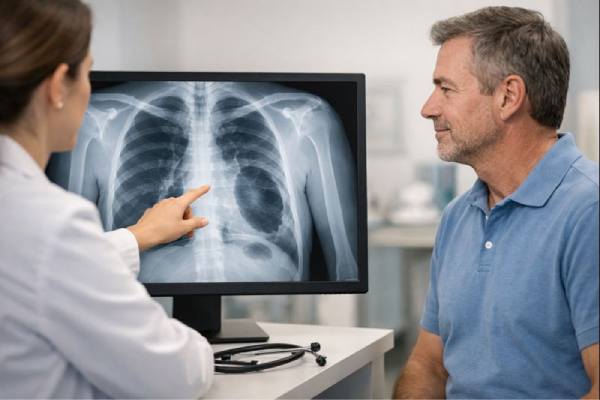
Dextrocardia means the heart sits on the right side of the chest instead of the left. For some people, it is an incidental finding...
Diabetic cardiomyopathy: Causes, Fibrosis, Stiff Heart, and Key Risk Factors

Diabetic cardiomyopathy is a heart muscle problem that develops in some people with diabetes, even when they do not have blocked arteries or long-standing...
Diabetic vascular disease: Overview, Causes, Symptoms, Diagnosis, and Treatment Strategies

Diabetic vascular disease is the umbrella term for blood-vessel damage linked to diabetes. It includes problems in large arteries that supply the heart, brain,...
Diastolic dysfunction: What It Means, Risk Factors, and How It’s Treated
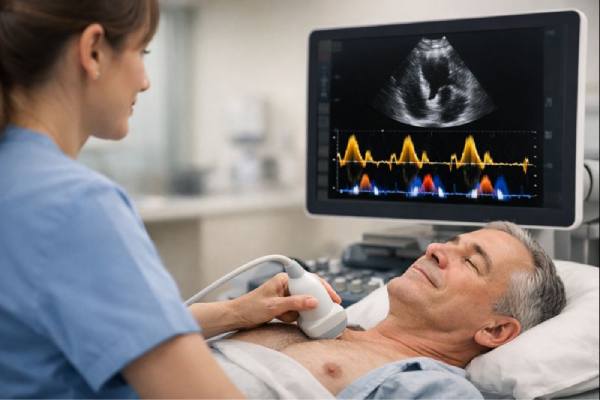
Diastolic dysfunction means the heart has trouble relaxing and filling between beats. That “resting” phase is called diastole (the heart’s relaxation phase). When filling...
Diastolic heart failure: Overview, Causes, Symptoms, Diagnosis, and Treatment Options

Diastolic heart failure is a form of heart failure where the heart’s squeeze may look normal, but the heart does not relax and fill...
Dilated cardiomyopathy: Overview, Causes, Symptoms, Diagnosis, and Treatment
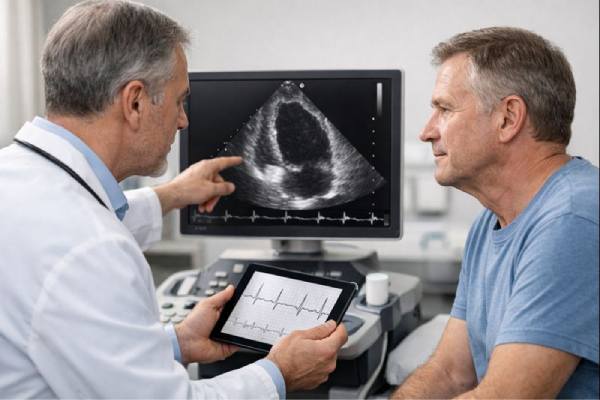
Dilated cardiomyopathy is a condition where the heart’s main pumping chamber stretches and weakens over time. When that chamber loses strength, the heart can’t...
Diminished peripheral pulses: What They Mean, Common Causes, and Next Steps

Diminished peripheral pulses means a pulse in the arms or legs feels weaker than expected—or weaker on one side than the other—when checked by...
Diphtheritic endocarditis: How It Spreads, Who’s at Risk, and Prevention
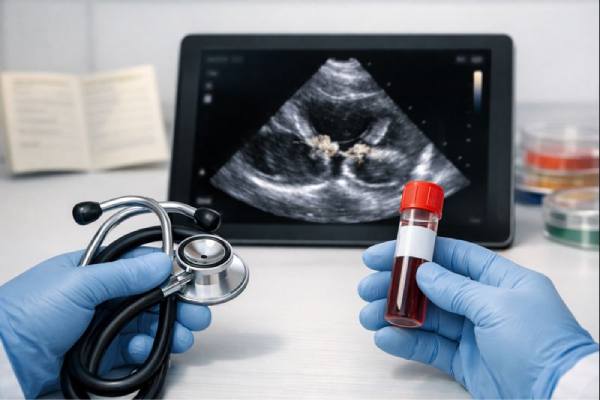
Diphtheritic endocarditis is an uncommon but serious infection of the heart valves caused by Corynebacterium diphtheriae, the bacterium best known for causing diphtheria. While...
Dissection of the aorta: Causes, Genetic Risks, Family Screening, and Management
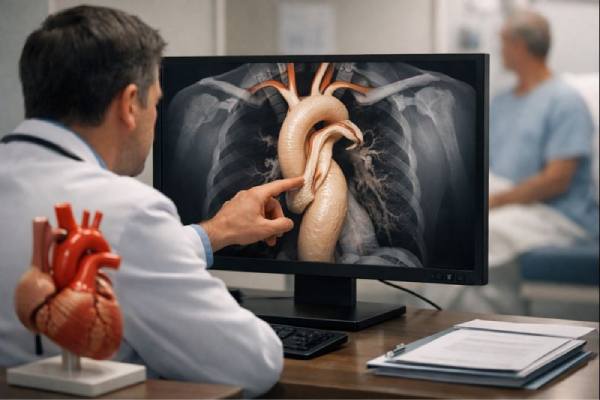
An aortic dissection is a medical emergency where the inner lining of the aorta—the body’s main artery—tears and blood forces its way between the...
Disseminated intravascular coagulation: What It Is, Why It Happens, and Management.

Disseminated intravascular coagulation (DIC) is a dangerous loss of balance in the body’s clotting system. Instead of making clots only where they’re needed, the...
Dressler syndrome: Symptoms, Diagnosis, and Treatment After a Heart Attack
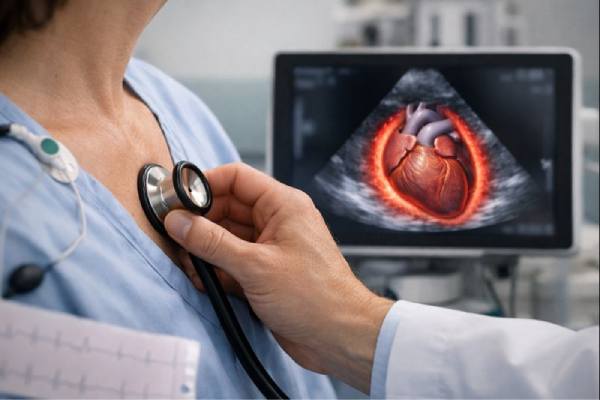
Dressler syndrome is an inflammatory reaction that can appear after the heart has been injured—most often after a heart attack or heart surgery. It...