
Drug-induced cardiomyopathy: Causes, Early Symptoms, and Diagnosis

Drug-induced cardiomyopathy is a form of heart muscle weakness caused or triggered by a medication or drug exposure. In some people it develops slowly,...
Duchenne cardiomyopathy: Early Detection, Symptoms, and Heart Protection
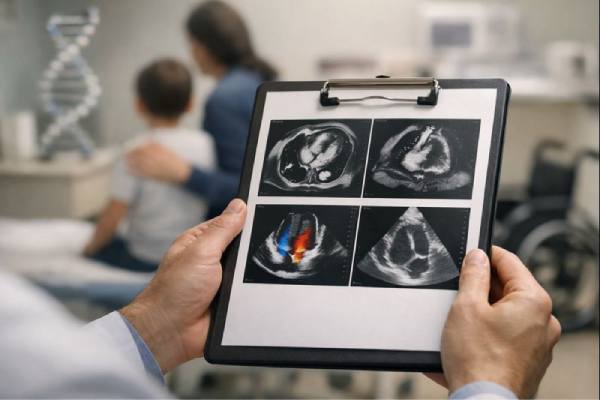
Duchenne cardiomyopathy is the heart-related part of Duchenne muscular dystrophy (Duchenne), a genetic condition that weakens muscles over time. While most families first notice...
Dunbar syndrome: Symptoms, Diagnosis, and Best Treatment Options
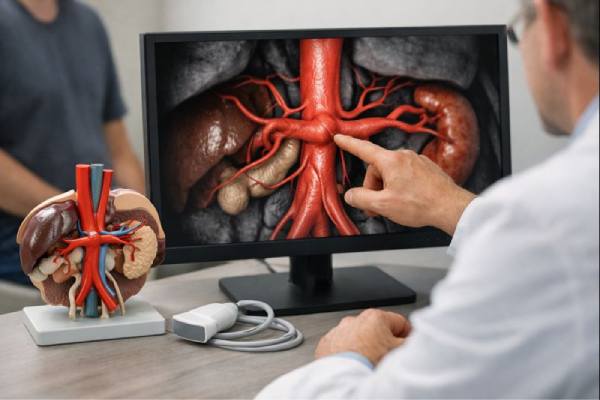
Dunbar syndrome—also called median arcuate ligament syndrome (MALS)—is an uncommon cause of persistent upper abdominal pain, especially after eating. In this condition, a band...
Dyslipidemia: Causes, Risk Factors, and What Your Lipid Panel Means

Dyslipidemia means your blood fats are out of balance—most often LDL cholesterol (“bad” cholesterol) is too high, HDL cholesterol (“good” cholesterol) is too low,...
Dysrhythmia: Types, Symptoms, and When It’s Dangerous
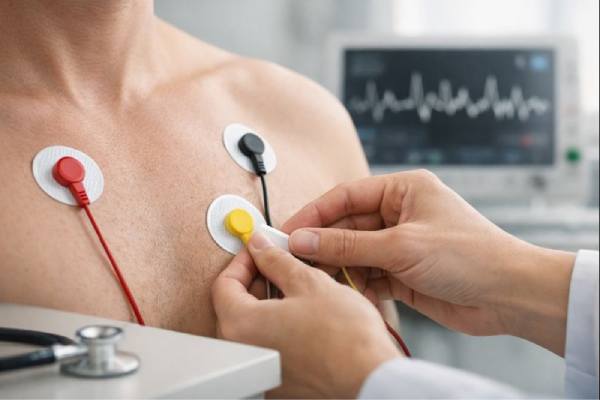
A dysrhythmia (also called an arrhythmia) is an abnormal heart rhythm—too fast, too slow, or irregular. Some dysrhythmias are harmless and temporary, like a...
Calcific aortic stenosis: Aortic Valve Narrowing, Symptoms, Diagnosis, and Treatment Options
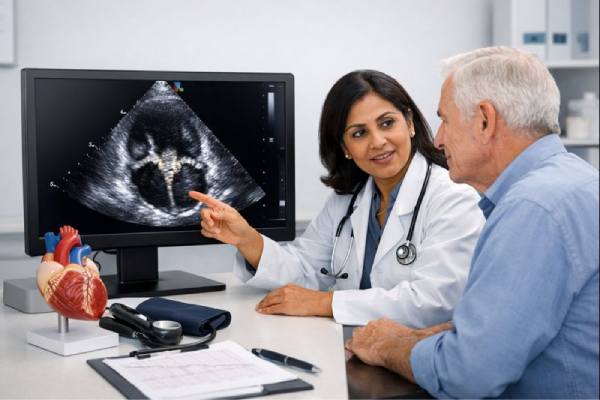
Calcific aortic stenosis is a common valve condition in which the aortic valve becomes stiff and narrowed as calcium builds up in the valve...
Calcific aortic valve disease: Causes, Risk Factors, Early Signs, and Disease Progression

Calcific aortic valve disease (CAVD) is a slow, progressive condition where the aortic valve leaflets become thicker, stiffer, and increasingly coated with calcium. Early...
Calcific mitral stenosis: Overview, Causes, Symptoms, Diagnosis, and Management
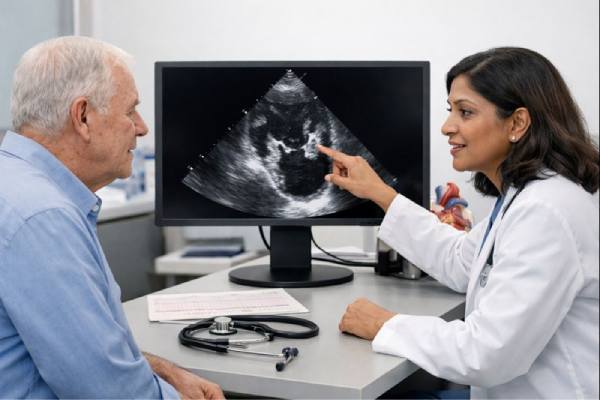
Calcific mitral stenosis is a narrowing of the mitral valve caused by calcium buildup and stiffening around the valve ring (the mitral annulus) and,...
Calcific mitral valve disease: Symptoms and Complications and When to Seek Urgent Care

Calcific mitral valve disease is a spectrum of problems caused by calcium buildup in and around the mitral valve, most often starting in the...
Capillary leak syndrome: Symptoms, Causes, Diagnosis, and Treatment Options

Capillary leak syndrome is a serious condition where fluid and proteins escape from the bloodstream into surrounding tissues. When that “leak” becomes widespread, blood...
Cardiac allograft vasculopathy: Symptoms, Surveillance, Diagnosis, and Treatment After Heart Transplant
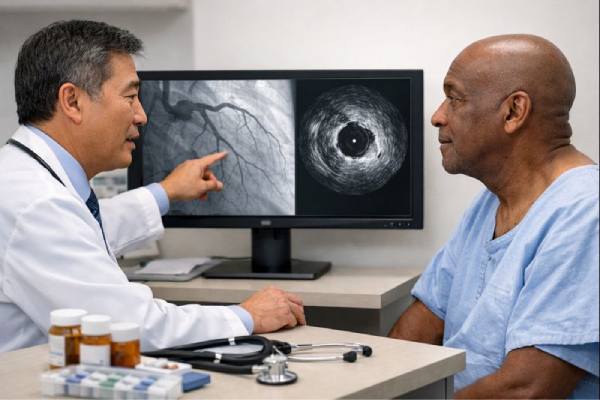
Cardiac allograft vasculopathy (CAV) is a form of coronary artery disease that develops only in transplanted hearts. Instead of creating a few isolated blockages,...
Cardiac amyloidosis: AL and ATTR Types, Warning Signs, and Modern Therapies
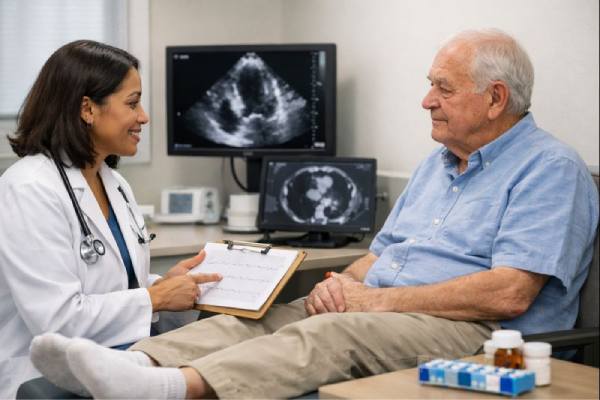
Cardiac amyloidosis is a condition where misfolded proteins build up in the heart muscle, making it thicker, stiffer, and less able to fill properly....
Cardiac aneurysm: Causes, Symptoms, Diagnosis, and Treatment
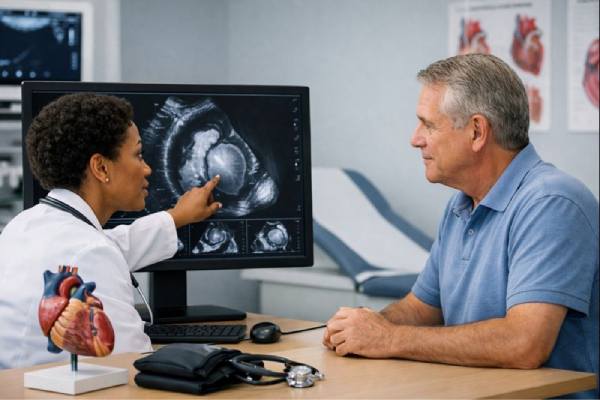
A cardiac aneurysm is a weakened, bulging area in or around the heart that forms after tissue is damaged or structurally fragile. Most often,...
Cardiac angiosarcoma: Symptoms, Causes, Diagnosis, and Treatment

Cardiac angiosarcoma is a rare cancer that begins in the cells lining blood vessels and grows within the heart. Even when it starts as...
Cardiac arrest: Causes, Risk Factors, and Prevention Strategies

Cardiac arrest is a sudden failure of the heart to pump blood effectively. Within seconds, a person can collapse, lose consciousness, and stop breathing...
Cardiac asthma: Wheezing From Heart Failure, Signs and Management

Cardiac asthma is a misleading name for a real problem: wheezing and breathlessness caused by heart failure, not inflamed airways. When the left side...
Cardiac contusion: Warning Signs, Arrhythmia Risk, and Recovery

A cardiac contusion is a bruise of the heart muscle caused by blunt force to the chest. It most often occurs after high-energy trauma—such...
Cardiac fibroma: Symptoms, Diagnosis, Treatment, Risk Factors

Cardiac fibroma is a rare, noncancerous tumor made mostly of tough fibrous tissue that grows inside the heart muscle. Although “benign” sounds reassuring, its...
Cardiac hypertrophy: Causes, symptoms, diagnosis, and treatment options
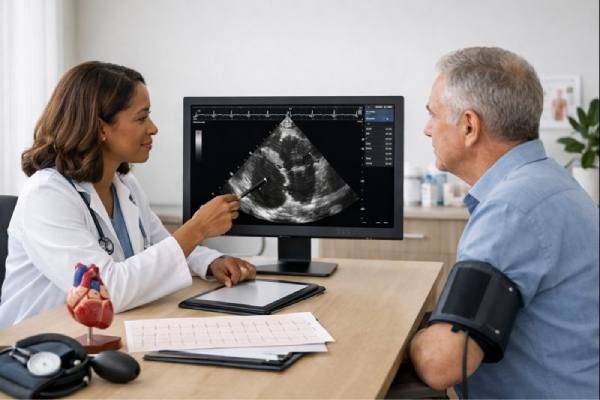
Cardiac hypertrophy means the heart muscle has become thicker than normal. Sometimes this thickening is a healthy adaptation, such as in well-trained endurance athletes....
Cardiac ischemia: Signs, Causes, Diagnosis, and Treatment Options
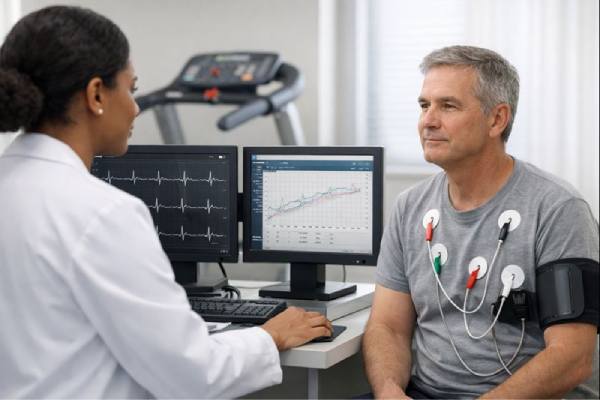
Cardiac ischemia (myocardial ischemia) happens when the heart muscle does not get enough oxygen-rich blood to meet its needs. Most often, the “traffic problem”...