
HyperHEP B: Newborn Prophylaxis, Adult Exposure Management, Dosage Details, and Risks
HyperHEP B is a prescription hepatitis B immune globulin (human) used to prevent hepatitis B after exposure and to protect newborns at high risk....
Hypericin: Photodynamic Therapy Uses, Supplement Dosage Guidance, Benefits, and Risks
Hypericin is a red–orange plant pigment best known as one of the signature constituents of St. John’s wort (Hypericum perforatum). It absorbs visible light...
Hypericum perforatum: Depression Support, Mechanisms, Dosage Guidance, and Side Effects
Hypericum perforatum—better known as St. John’s wort—is one of the most researched herbal products for mood support. Standardized extracts of the plant’s flowering tops...
Hyperoside: Health Benefits, How It Works, Best Uses, Dosage, and Safety
Hyperoside is a plant-derived flavonol glycoside—specifically quercetin-3-O-galactoside—found in hawthorn leaves and flowers, St. John’s wort, and several other traditional herbs. Interest in hyperoside has...
Hyphed: Cough Relief, How It Works, Adult Dosage, and Safety Guidelines
Hyphed is a prescription-only oral solution that combines three active medicines—hydrocodone (an opioid cough suppressant), chlorpheniramine (an H1 antihistamine), and pseudoephedrine (a nasal decongestant)....
Hypoxis rooperi benefits for prostate health, dosage recommendations, and safety considerations
Hypoxis rooperi—more widely known today by its accepted botanical name, Hypoxis hemerocallidea and commonly called African potato—is a Southern African medicinal plant with a...
Hypromellose: Dry Eye Relief Benefits, Proper Use, Recommended Dosage, and Safety
Hypromellose—also called hydroxypropyl methylcellulose (HPMC)—is a water-soluble polymer best known as a gentle, effective lubricant for dry, irritated eyes. In ophthalmic products, hypromellose behaves...
HyQvia: Uses, Benefits, Dosing Schedules, and Safety Explained
HyQvia is a dual-vial, subcutaneous immunoglobulin (SCIG) therapy designed to deliver protective IgG with fewer infusion days. It pairs a 10% human immune globulin...
Hyrimoz: Crohn’s, Colitis, Arthritis, and Psoriasis Treatment Benefits and Risks
Hyrimoz is a biosimilar to adalimumab, a tumor necrosis factor (TNF) blocker used for autoimmune diseases such as rheumatoid arthritis, Crohn’s disease, ulcerative colitis,...
Hysingla ER: Once Daily Hydrocodone Extended Release Benefits, How It Works, Dosing, and Safety
Hysingla ER is a once-daily, extended-release formulation of hydrocodone designed to manage severe, persistent pain that truly requires around-the-clock opioid therapy when other options...
Hytone: What It Treats, How It Works, Application Frequency, and Risks Explained
Hytone is a prescription brand of hydrocortisone 2.5%, a low-potency topical corticosteroid used to calm inflamed, itchy skin. By reducing inflammatory signals and gently...
Hytrin: Uses for BPH and Hypertension, Dosage Guidelines, Side Effects, and Safety
Hytrin (terazosin) is a selective alpha-1 blocker used to ease urinary symptoms from benign prostatic hyperplasia (BPH) and to lower blood pressure. By relaxing...
Anticholinergic Burden and Brain Aging: Medications to Review with Your Clinician

Anticholinergic burden is the combined effect of medicines that block acetylcholine, a chemical messenger involved in memory, attention, alertness, gut movement, bladder control, saliva,...
Atrial Fibrillation and Brain Healthspan: Stroke Prevention Made Practical

Atrial fibrillation, often called AFib or AF, is an irregular heart rhythm that raises the chance of blood clots forming inside the heart and...
Bilingualism and Brain Longevity: Language as Cognitive Cross-Training

Speaking more than one language gives the brain a regular, real-world workout. It asks you to choose words, block distractions, switch rules, listen closely,...
Blood–Brain Barrier and Brain Longevity: What Weakens It and What Helps
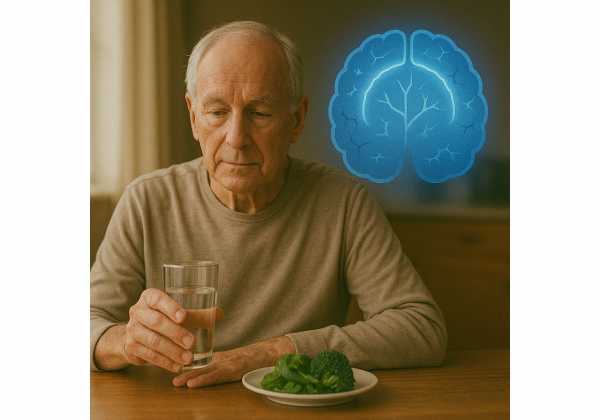
The blood–brain barrier is one of the brain’s quiet survival systems. It lines the tiny blood vessels that feed brain tissue and controls which...
Brain Longevity Basics: Cognitive Aging vs Dementia Risk

The aging brain changes, but dementia is not a normal part of aging. A slower name recall, a missed appointment, or needing more time...
Cognitive Reserve for Longevity: How Learning Changes the Brain

Cognitive reserve is the brain’s learned ability to keep working well despite age-related change, stress, injury, or early disease. It is one reason two...
Complex Hobbies and Skill Building for Brain Longevity: Craft, Code, Create

Complex hobbies give the aging brain something ordinary puzzles rarely provide: a living challenge with memory, attention, planning, problem-solving, sensory feedback, and steady progress....
Depression, Anxiety, and Cognitive Aging: When to Act and Why It Helps

Depression and anxiety affect more than mood. They influence attention, sleep, motivation, stress hormones, inflammation, blood pressure habits, social connection, and the daily routines...