
Diabetes and Cognition: Insulin Resistance and Brain Aging

Diabetes affects the brain long before memory problems become obvious. High glucose, high insulin, blood vessel injury, inflammation, and repeated low blood sugar episodes...
Dual-Tasking for Brain Longevity: Combining Thinking and Moving

Dual-tasking means doing a movement task and a thinking task at the same time. Walking while naming animals, stepping over markers while counting backward,...
Gait Speed, Reaction Time, and Cognition: Why Movement Signals Matter

Walking speed and reaction time reveal more than fitness. They show how well the brain, nerves, muscles, vision, balance system, heart, and attention work...
Grief, Adjustment, and Brain Health in Later Life: Gentle Strategies

Grief changes attention, sleep, appetite, energy, memory, and motivation because the brain is working through a major rupture in attachment and daily life. In...
Hearing Loss and Brain Longevity: Why Early Testing and Aids Matter
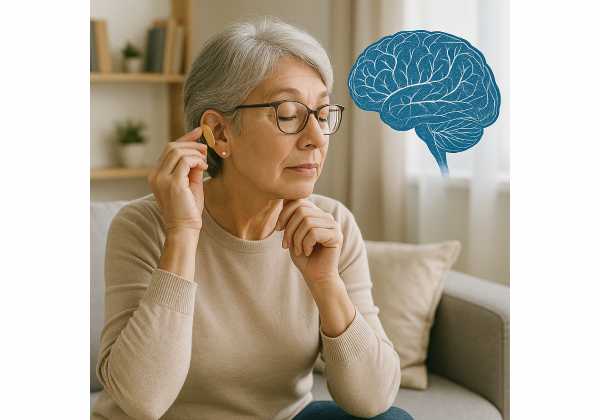
Hearing is one of the brain’s main information streams. When sound becomes muffled, distorted, or incomplete, the brain still tries to fill in the...
Hypertension and Brain Longevity: Protecting White Matter and Memory
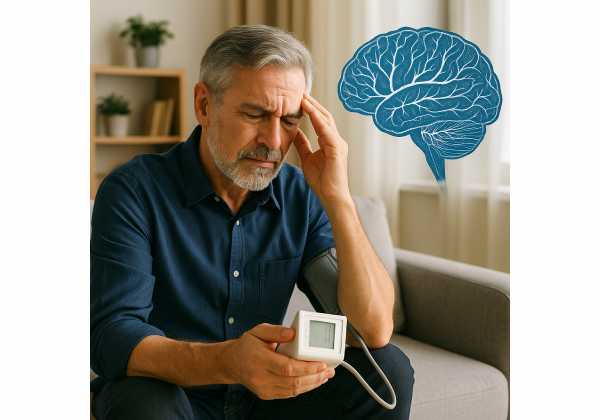
High blood pressure quietly ages the brain because the smallest blood vessels carry a heavy workload every minute. These vessels feed white matter, the...
Loneliness and Social Cognition: Protecting Brain Longevity Through Connection

Loneliness reaches the brain through everyday life: fewer conversations, fewer shared routines, less emotional safety, and fewer chances to read faces, practice memory, solve...
Music and the Aging Brain: Rhythm, Memory, and Mood

Music reaches the aging brain through more than the ears. A familiar song pulls on memory, emotion, movement, language, attention, and social connection at...
Neuroinflammation and Brain Aging: Microglia, Myelin, and What Helps

Neuroinflammation is the brain’s immune response to injury, infection, toxins, poor metabolic health, and age-related cellular stress. In short bursts, it helps repair tissue...
Neuroplasticity Windows in Midlife: Keep Learning, Keep Adapting

Midlife is a strong season for brain change. The brain is no longer developing with the speed of childhood, but it still rewires in...
Oral Health and Cognition: Gum Disease, Inflammation, and Brain Aging

Oral health belongs in brain aging conversations because chronic gum inflammation is not sealed off from the rest of the body. Bleeding gums, deep...
Purpose, Meaning, and Brain Longevity: The Protective Power of Why

A strong sense of purpose gives the brain more than a comforting idea. It gives daily life a direction that shapes attention, habits, relationships,...
Small Vessel Disease and White Matter: What Midlife Adults Should Know

Small vessel disease is one of the most common brain changes found on MRI in midlife and later adulthood. It often appears as white...
Traumatic Brain Injury Prevention in Midlife and Beyond: Falls, Sports, and Safety

Traumatic brain injury becomes more consequential with age because the brain, blood vessels, balance system, medications, and recovery capacity all change over time. A...
Vestibular Health and Brain Longevity: Dizziness, Balance, and Navigation

The vestibular system is the inner-ear balance network that tells the brain where the head is, how fast it is moving, and which way...
Vision, Contrast, and Brain Aging: Lighting, Lenses, and Safety

Clear vision is not just an eye issue. The brain uses visual information to judge distance, detect edges, read faces, guide movement, and stay...
A1c, Fasting Glucose, and Fasting Insulin: Testing for Healthy Aging

A1c, fasting glucose, and fasting insulin tell different parts of the same metabolic story. A1c shows average blood sugar exposure over roughly 2 to...
Ambulatory and Nighttime BP: When 24 Hour Monitoring Matters

Blood pressure is not one number. It rises when you hurry, falls during quiet rest, changes after meals, and usually dips during sleep. A...
B12, Folate, and Homocysteine: Brain and Metabolic Clues

Vitamin B12, folate, and homocysteine sit at the crossroads of nerve function, red blood cell production, DNA repair, methylation, and vascular health. A single...
Body Composition and Muscle: DEXA vs BIA vs Tape
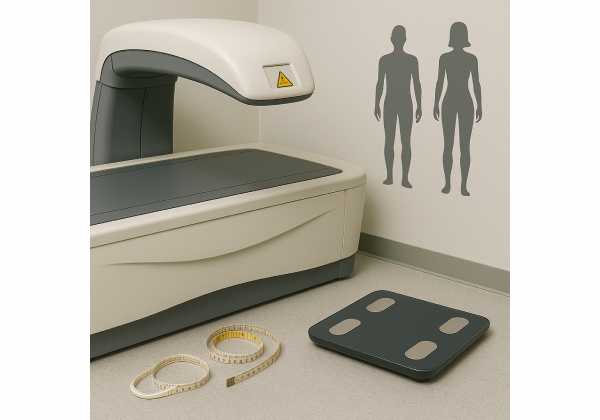
Body composition shows how much of your weight comes from fat, lean tissue, bone, and water. The number on a scale misses that distinction....