
Bone Density for Longevity: DEXA Scans Explained
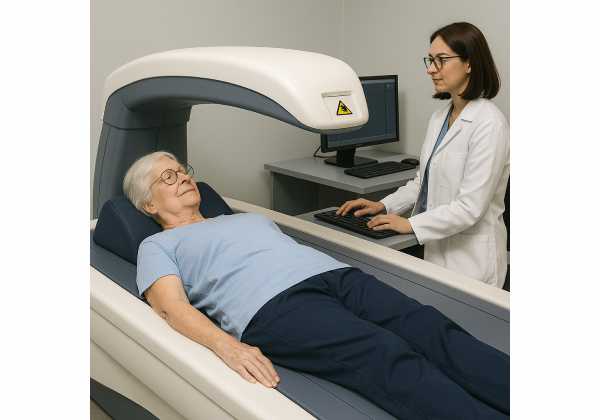
A DEXA scan gives a clear, low-radiation look at bone mineral density, usually at the hip and spine. In a longevity plan, that matters...
Continuous Glucose Monitoring for Longevity: Setup, Accuracy, and Use Cases
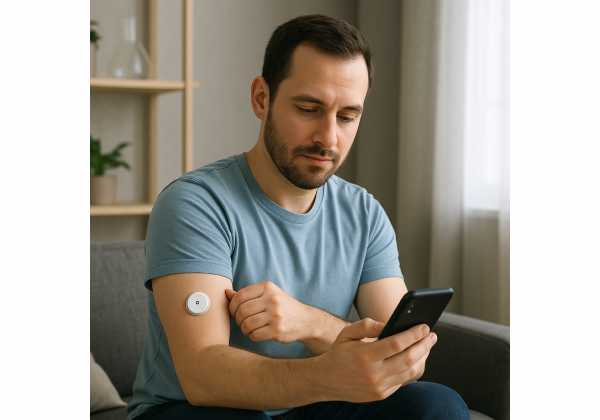
Continuous glucose monitoring gives a moving picture of how your body handles food, exercise, sleep, stress, and daily routines. Instead of a single fasting...
Coronary Artery Calcium for Longevity: Score, Risk, and Follow-Up
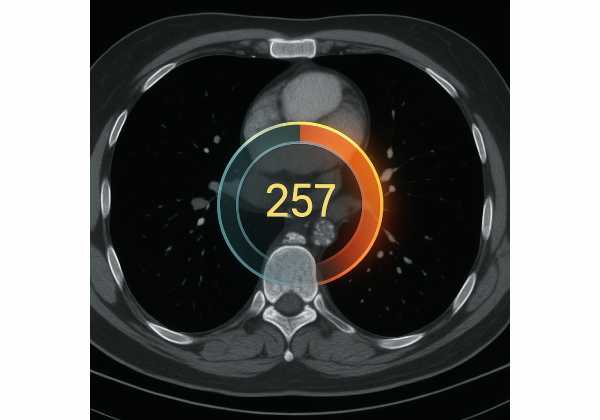
Coronary artery calcium testing gives a direct look at calcified plaque in the arteries that feed the heart. That makes it different from standard...
Functional Longevity Tests: Grip, Gait Speed, and Sit to Stand
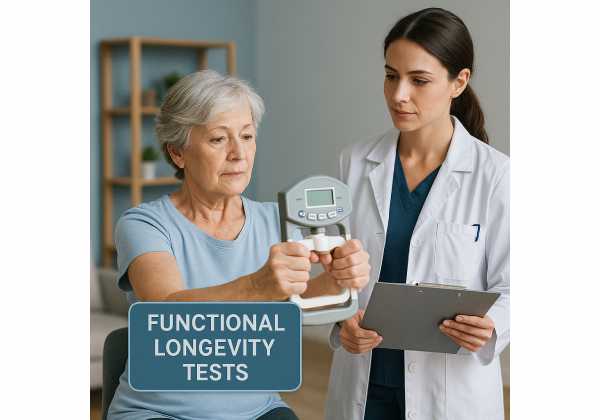
Grip strength, gait speed, and sit-to-stand performance give a fast, low-cost picture of how well the body turns muscle, balance, coordination, and energy into...
Genetics in Longevity: APOE, Pharmacogenomics, and What’s Actionable
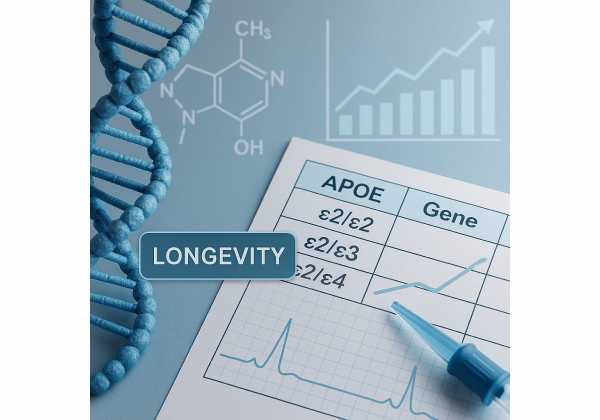
Genes shape risk, drug response, and family health patterns, but they rarely give a complete forecast. In longevity work, a genetic result is most...
Home Blood Pressure for Longevity: Proper Measurement and Targets

Blood pressure is one of the most useful at-home health signals because it reflects the daily load placed on arteries, the heart, kidneys, brain,...
Inflammation Markers for Healthy Aging: hs-CRP and Beyond

Inflammation is not automatically bad. It repairs tissue, fights infection, and helps the body respond to injury. The problem is persistent, low-grade inflammation that...
Iron and Ferritin: Interpreting the Panel Without Overdoing It

Iron status affects oxygen delivery, energy production, brain function, exercise tolerance, restless legs, hair shedding, pregnancy, and several chronic diseases. It also has a...
Kidney Health in Healthy Aging: eGFR and Albumin-to-Creatinine Ratio
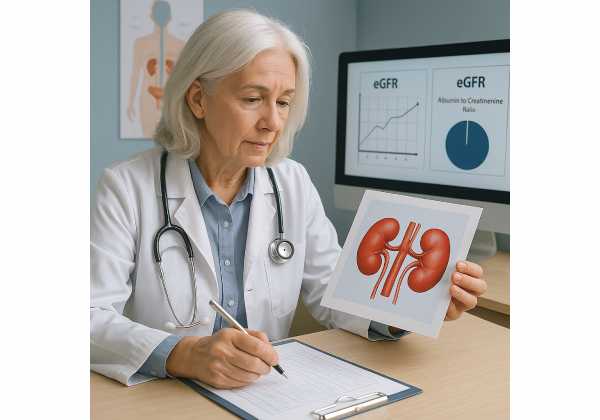
Kidney health rarely gets attention until a number looks abnormal. That is a mistake. The kidneys help control blood pressure, fluid balance, mineral balance,...
Lipids for Longevity: ApoB and Non-HDL as Primary Markers
A longer, healthier life depends heavily on keeping arteries open, flexible, and well supplied. Blood lipids matter because atherosclerosis builds quietly for decades before...
Lipoprotein(a) and Longevity: Who Should Test and What Levels Mean
Lipoprotein(a), usually written as Lp(a) and pronounced “L-P-little-a,” is one of the most overlooked cardiovascular risk markers in preventive health. It is mostly inherited,...
Microbiome Testing for Longevity: When It Helps and When to Skip

The gut microbiome is linked with digestion, immune signaling, metabolism, inflammation, and medication response. That makes microbiome testing sound like a shortcut to a...
NAFLD Screening for Longevity: ALT, AST, FIB-4, and Ultrasound

Fatty liver disease is one of the most useful metabolic warning signs to look for before symptoms appear. A person can feel well, have...
OGTT vs Mixed-Meal Test: Choosing a Glucose Challenge
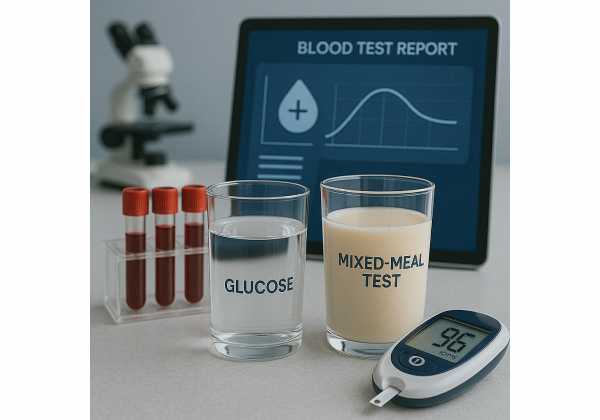
An OGTT and a mixed-meal test both ask the same broad question: how well does your body handle a glucose challenge? The difference is...
Omega 3 Index for Longevity: Testing and Targets
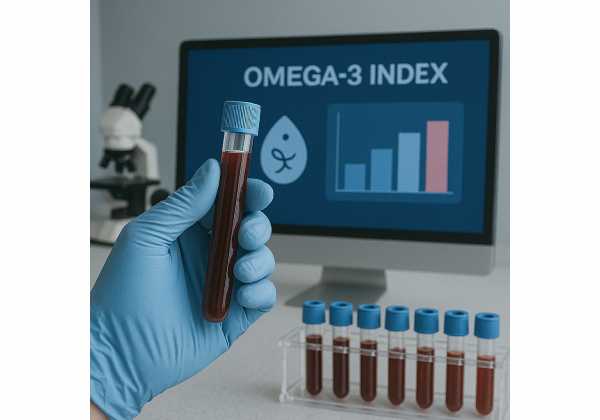
The Omega-3 Index is a blood test that shows how much EPA and DHA—the long-chain omega-3 fats found mainly in fatty fish and algae—are...
Resting Heart Rate and HRV for Healthy Aging: What to Track
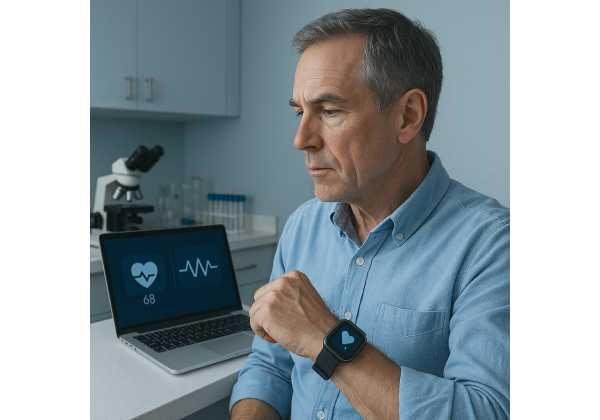
Resting heart rate and heart rate variability give you a daily window into cardiovascular fitness, recovery, stress load, sleep quality, and early signs that...
Sleep and Wearables for Longevity: What to Trust and What to Ignore

Sleep tracking has moved from sleep labs into watches, rings, phones, mats, and smart beds. That is useful, but it also creates a trap:...
Thyroid Checkpoints for Longevity: TSH, Free T4/T3, and Patterns
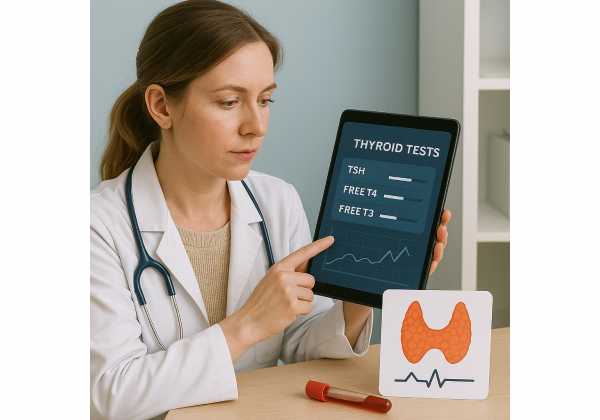
The thyroid is small, but its signal reaches almost every tissue. It helps set resting energy use, heart rate, temperature, cholesterol handling, bowel speed,...
Triglycerides to HDL Ratio: Simple Signal for Metabolic Healthspan
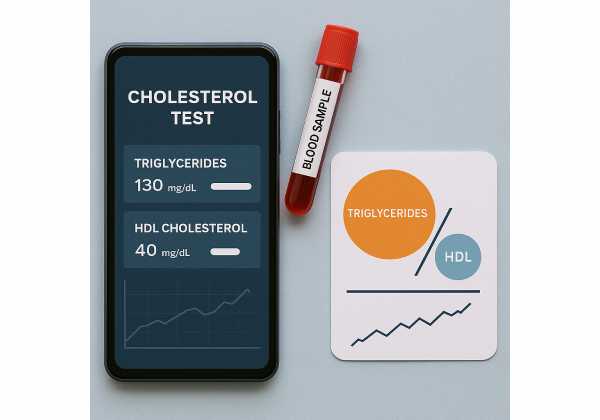
The triglycerides to HDL ratio is a quick signal of how well your body handles fat, carbohydrates, insulin, and stored energy. It is not...
Uric Acid and Longevity: When Numbers Matter
Uric acid is easy to overlook because it usually sits near the bottom of a routine lab report. Yet it carries useful information about...