The thyroid is small, but its signal reaches almost every tissue. It helps set resting energy use, heart rate, temperature, cholesterol handling, bowel speed, menstrual rhythm, mood, and how quickly cells respond to stress. In a longevity plan, thyroid testing is not about pushing metabolism higher. It is about finding a stable, healthy range where the body has enough thyroid hormone without drifting into overtreatment.
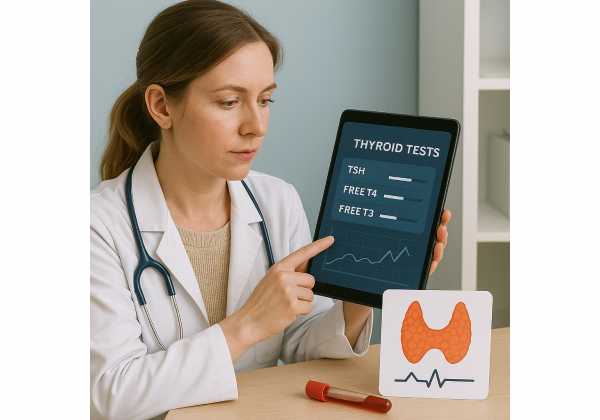
TSH, free T4, and free T3 tell different parts of the story. TSH shows how strongly the brain is asking the thyroid to work. Free T4 shows the main hormone supply. Free T3 reflects the more active hormone signal, but it also shifts with illness, fasting, weight loss, and heavy training. The best use of thyroid labs is pattern recognition over time, not one isolated number.
Table of Contents
- Thyroid Signals for Healthspan
- What TSH, Free T4, and Free T3 Show
- Common Thyroid Lab Patterns
- Testing Accurately and Avoiding False Alarms
- Age, Sex, and Longevity Context
- Nutrition, Medications, and Lifestyle Factors
- A Practical Thyroid Tracking Plan
Thyroid Signals for Healthspan
Thyroid hormones help control the pace of metabolism. Too little signal slows many systems. Too much signal speeds them up and strains the heart, bones, muscles, and nervous system. Healthy aging needs enough thyroid hormone for energy, temperature, lipid handling, and daily function, but not so much that the body runs in a chronic “over-revved” state.
The thyroid mainly releases thyroxine, called T4. T4 acts like a hormone reserve. Tissues convert T4 into triiodothyronine, called T3, the more active hormone. The brain monitors the circulating thyroid signal through the hypothalamus and pituitary gland. When thyroid hormone looks low, the pituitary releases more thyroid-stimulating hormone, or TSH. When thyroid hormone looks high, TSH falls.
This feedback loop is why TSH is often the first thyroid checkpoint. A small change in free T4 often creates a larger change in TSH. That makes TSH useful as an early warning signal in primary thyroid disease, where the problem starts in the thyroid gland itself.
In the longevity context, thyroid status overlaps with several major healthspan markers:
- Lipids: Low thyroid function often raises LDL cholesterol and ApoB. When LDL or ApoB looks worse without a clear dietary or weight-change explanation, thyroid testing belongs in the workup. For a broader view of lipid risk, ApoB and non-HDL cholesterol give stronger cardiovascular context than LDL alone in many adults: ApoB and non-HDL cholesterol.
- Heart rhythm: Excess thyroid hormone raises heart rate and increases risk for palpitations and atrial fibrillation, especially with age.
- Bone: Long-term low TSH from overtreatment or hyperthyroidism increases bone loss risk, especially after menopause.
- Muscle and energy: Low thyroid function causes fatigue, cramps, weakness, and exercise intolerance. Too much thyroid hormone also weakens muscle over time.
- Glucose and weight: Thyroid changes affect energy expenditure, but thyroid treatment is not a weight-loss tool. Insulin resistance, calorie intake, sleep, and muscle mass usually explain far more. Use thyroid data alongside A1c, fasting glucose, and fasting insulin, not instead of them.
A useful thyroid target is not “high metabolism.” It is stable euthyroidism, which means normal thyroid function for that person’s age, health status, symptoms, and treatment context.
What TSH, Free T4, and Free T3 Show
Thyroid labs are easiest to understand when each marker has a job.
TSH shows the brain’s request
TSH comes from the pituitary gland. It tells the thyroid to make and release more hormone. In primary hypothyroidism, the thyroid underproduces hormone, so TSH rises. In hyperthyroidism, thyroid hormone is high, so TSH usually falls.
Most adult lab reference ranges place TSH roughly around 0.4 to 4.0 or 4.5 mIU/L, though ranges differ by lab, age, pregnancy status, and population. A single TSH of 4.7 is not the same story as a TSH of 18. A TSH of 0.35 is not the same story as a TSH below 0.01.
TSH is sensitive, but it is not perfect. It loses reliability when the pituitary gland is not working normally, during severe illness, with certain medications, and in some rare thyroid hormone signaling disorders. In those cases, free T4 becomes essential.
Free T4 shows the main hormone supply
Free T4 measures the unbound portion of T4 available to tissues. T4 is the main hormone released by the thyroid and the main hormone used in standard levothyroxine treatment.
Free T4 helps separate subclinical from overt disease. High TSH with normal free T4 is usually called subclinical hypothyroidism. High TSH with low free T4 points to overt primary hypothyroidism. Low TSH with high free T4 points toward hyperthyroidism or excess thyroid medication.
Free T4 also matters when symptoms and TSH do not match. A low or low-normal TSH with low free T4 raises concern for central hypothyroidism, where the pituitary or hypothalamus fails to send the right signal.
Free T3 shows active hormone signal, but it is more variable
Free T3 measures unbound T3. T3 is biologically active and important, but free T3 is not the best screening test for most people with suspected hypothyroidism. It shifts with calorie restriction, acute illness, inflammation, liver disease, kidney disease, some medications, and hard training blocks.
Free T3 is most useful when hyperthyroidism is suspected, especially when TSH is low but free T4 is not elevated. Some people have T3-predominant hyperthyroidism, where T3 rises before T4.
In longevity circles, low free T3 often gets interpreted as “poor conversion.” Sometimes that is true. Often it is the body’s normal response to low energy availability, rapid weight loss, illness, or overtraining. Treating that pattern with thyroid hormone without fixing the trigger risks turning an adaptive signal into a medical problem.
Common Thyroid Lab Patterns
A thyroid panel becomes more useful when read as a pattern. The table below gives a practical starting point, not a diagnosis.
| Pattern | Typical labs | Common meaning | Usual next step |
|---|---|---|---|
| Typical euthyroid pattern | TSH in range, free T4 in range | Thyroid function looks adequate | Repeat only when clinically needed or on a routine schedule |
| Subclinical hypothyroid pattern | TSH high, free T4 normal | Thyroid needs more stimulation to maintain hormone supply | Repeat, check context, consider TPO antibodies and symptoms |
| Overt primary hypothyroid pattern | TSH high, free T4 low | Thyroid hormone supply is low | Medical evaluation and treatment discussion |
| Possible central hypothyroid pattern | Free T4 low with low, normal, or mildly high TSH | Pituitary or hypothalamic signaling issue | Prompt clinician review; TSH alone is not enough |
| Subclinical hyperthyroid pattern | TSH low, free T4 and free T3 normal | Early hyperthyroidism, medication overtreatment, or temporary suppression | Repeat and assess heart, bone, medication, and supplement context |
| Overt hyperthyroid pattern | TSH low, free T4 and/or free T3 high | Too much thyroid hormone effect | Medical evaluation; do not ignore palpitations, weight loss, tremor, or heat intolerance |
| Low T3 pattern | Free T3 low or low-normal, TSH and free T4 often normal | Illness, low calories, heavy training, inflammation, or medication effect | Look for the cause before assuming thyroid failure |
Subclinical hypothyroidism needs careful interpretation
Subclinical hypothyroidism is common, especially with age. It means TSH is above the lab range while free T4 remains normal. The most important details are the TSH level, whether it persists, symptoms, thyroid antibody status, pregnancy plans, cardiovascular risk, and age.
A mildly high TSH often returns to normal on repeat testing. A TSH persistently above 10 mIU/L carries more concern than a TSH of 4.8. Positive thyroid peroxidase antibodies, called TPO antibodies, increase the likelihood of autoimmune thyroiditis and future progression.
In older adults, mild TSH elevation often deserves observation before treatment. Large randomized trial data in adults 65 and older found no clear symptom benefit from levothyroxine for many people with subclinical hypothyroidism. That does not mean treatment is never useful. It means mild lab abnormalities in older adults should not automatically trigger lifelong medication.
Low TSH deserves respect
A low TSH is easy to dismiss when someone feels energetic, lean, or productive. That is a mistake. Long-term thyroid excess increases risk for atrial fibrillation, faster bone loss, anxiety, tremor, sleep disruption, and muscle weakness.
This matters for people taking thyroid medication, thyroid-containing “glandular” supplements, or weight-loss products. It also matters for people using aggressive wellness protocols that aim to raise T3. A low TSH with high or high-normal thyroid hormones is not a longevity advantage. It is a strain signal.
Wearables sometimes reveal the first clue. A rising resting heart rate, falling heart rate variability, new palpitations, or worse sleep should prompt a thyroid medication and lab review when thyroid history is present. For trend tracking, resting heart rate and HRV are useful signals, but they do not diagnose thyroid disease.
Thyroid antibodies add cause, not severity
TPO antibodies and thyroglobulin antibodies point toward autoimmune thyroiditis, often called Hashimoto’s thyroiditis. Antibodies help explain why TSH is rising, but antibody level does not perfectly match symptom severity or thyroid damage.
Once autoimmune thyroiditis is known, repeatedly chasing antibody numbers rarely improves care. The bigger priorities are thyroid function, symptoms, medication dose if treated, nutrient adequacy, and coexisting autoimmune or metabolic issues when clinically relevant.
Testing Accurately and Avoiding False Alarms
Thyroid labs are sensitive enough that poor testing conditions create confusion. Before reacting to a borderline result, make sure the measurement is trustworthy.
For routine monitoring, use the same lab when possible. TSH and free hormone assays vary between laboratories. A small change from one lab to another does not always reflect a true biological change.
Test at a similar time of day. TSH follows a daily rhythm and usually runs higher at night and earlier in the morning. For comparisons over months or years, a consistent morning blood draw gives cleaner trend data.
Avoid testing during acute illness unless thyroid disease is strongly suspected. Infection, surgery, trauma, major calorie restriction, and hospitalization can alter TSH, T4, and T3. This “non-thyroidal illness” pattern often improves when the body recovers.
Biotin deserves special attention. High-dose biotin, often sold for hair, skin, and nails, interferes with many thyroid immunoassays. It can make TSH look falsely low and free T4 or free T3 look falsely high, creating a fake hyperthyroid pattern. Many clinicians advise stopping biotin at least 2 to 3 days before thyroid testing; higher doses sometimes require a longer washout. Always tell the lab or clinician about biotin and supplements.
If you take levothyroxine, ask your clinician how to time medication before labs. Many people test before their morning dose to reduce short-term variation. The most important rule is consistency: use the same timing for repeat tests unless your clinician instructs otherwise.
A clean thyroid test setup looks like this:
- Same lab or same health system when possible
- Morning test at a similar time
- No high-dose biotin before testing
- No acute illness unless testing is urgent
- Stable medication and supplement routine
- Clear note on whether thyroid medication was taken before the blood draw
- Repeat borderline abnormal results before making major decisions
Testing frequency depends on context. Healthy adults without symptoms or thyroid history do not need frequent thyroid panels. People starting or changing thyroid medication usually recheck after about 6 to 8 weeks because TSH takes time to settle. Once stable, many people monitor every 6 to 12 months, or sooner if symptoms, medication changes, major weight change, pregnancy planning, or interacting drugs enter the picture.
Age, Sex, and Longevity Context
Thyroid interpretation changes across the lifespan. Applying one rigid “optimal” TSH target to every adult creates overdiagnosis in some people and missed disease in others.
TSH tends to rise with age. In an 80-year-old with normal free T4 and no clear symptoms, a mildly elevated TSH often carries a different meaning than the same number in a 32-year-old trying to conceive. Older adults also face greater harm from overtreatment, including atrial fibrillation and bone loss. This is one reason aggressive TSH suppression is a poor longevity strategy outside specific medical indications.
Women have higher rates of autoimmune thyroid disease than men. Risk also rises after pregnancy and around midlife. Men get thyroid disease too, but symptoms such as fatigue, weight change, low mood, constipation, and reduced training tolerance often get blamed on stress, testosterone, or aging before thyroid status is checked.
Menopause adds another layer. Hot flashes, sleep disruption, weight gain, anxiety, and palpitations overlap with thyroid symptoms. A thyroid panel helps separate endocrine signals instead of guessing. Postmenopausal bone risk also makes low TSH from overtreatment more important to catch.
Thyroid symptoms are real, but they are not specific. Fatigue, hair shedding, dry skin, constipation, cold hands, low mood, brain fog, and weight gain fit hypothyroidism. They also fit iron deficiency, low protein intake, sleep apnea, depression, medication effects, under-recovery, and chronic stress. Before assuming thyroid is the whole answer, check adjacent markers. Ferritin and iron status matter for fatigue and hair shedding; a focused guide to iron and ferritin interpretation helps avoid both deficiency and overcorrection. B12, folate, and homocysteine also help explain fatigue, neuropathy-like symptoms, and cognitive complaints in some adults: B12, folate, and homocysteine.
Thyroid labs also interact with inflammation and metabolic stress. Chronic inflammation can alter hormone conversion and symptoms without primary thyroid failure. hs-CRP and related markers give useful context when thyroid numbers look borderline and the person feels unwell. For that broader signal, use inflammation markers such as hs-CRP alongside thyroid testing rather than repeatedly expanding thyroid panels.
A longevity-minded thyroid interpretation asks four questions:
- Is this true thyroid disease or a temporary adaptive pattern?
- Is the result persistent?
- Is the person at higher risk from undertreatment or overtreatment?
- Are symptoms better explained by another common healthspan bottleneck?
That approach protects against two common errors: ignoring real thyroid disease because symptoms look “normal for aging,” and treating every borderline number as a disease.
Nutrition, Medications, and Lifestyle Factors
Thyroid function needs enough raw materials, but more is not automatically better. The thyroid is especially sensitive to both deficiency and excess.
Iodine is required to make T4 and T3. Adults generally need about 150 mcg per day. Iodized salt, dairy, seafood, and eggs are common sources, depending on the food system and diet pattern. Very low iodine intake raises hypothyroid and goiter risk. Very high iodine intake, especially from kelp tablets, seaweed concentrates, or high-dose drops, can worsen thyroid dysfunction in susceptible people.
Selenium supports enzymes that help manage thyroid hormone metabolism and antioxidant defenses inside the thyroid. The adult recommended intake is modest, and high intake is unsafe. Regular high-dose selenium or frequent large servings of Brazil nuts can push intake too high. Selenium works best as adequacy, not megadosing. For a deeper look at this nutrient’s thyroid and safety context, see selenium for longevity.
Iron, zinc, vitamin D, and protein also matter, but only targeted correction makes sense. Blind supplement stacking often creates more noise than benefit. Vitamin D deficiency is common and worth checking when bone, immune, muscle, or autoimmune context is relevant; use a measured approach to vitamin D status instead of guessing from symptoms.
Food pattern matters most when it stabilizes the whole system. A thyroid-supportive longevity plate looks ordinary: adequate protein, high-fiber plants, seafood or other iodine sources if appropriate, mineral-rich legumes or animal foods, and enough calories to support training and recovery. Chronic undereating lowers T3. Rapid weight loss often lowers T3. Very low carbohydrate intake lowers T3 in some people without meaning the thyroid gland has failed.
Several medications and supplements affect thyroid labs or thyroid medication absorption. Common examples include:
- Calcium, iron, magnesium, and some multivitamins, which reduce levothyroxine absorption when taken too close
- Proton pump inhibitors and other acid-suppressing drugs, which alter absorption in some people
- Bile acid sequestrants and certain cholesterol medications
- Estrogen therapy and some oral contraceptives, which change thyroid-binding proteins
- Amiodarone, lithium, and immune therapies, which can directly affect thyroid function
- Biotin, which interferes with lab assays
- Thyroid glandular supplements, which may contain active thyroid hormones
People taking levothyroxine usually absorb it best with a consistent routine: empty stomach with water, then waiting 30 to 60 minutes before coffee or breakfast, or taking it at bedtime several hours after food. Calcium and iron are often separated by at least 4 hours. The exact plan should come from the prescribing clinician, but consistency is the foundation.
Training and recovery also shape thyroid patterns. Endurance overload, low energy availability, poor sleep, and rapid fat loss can lower T3 and increase fatigue. In that setting, the fix is often more recovery, better fueling, and a slower weight-loss pace, not thyroid hormone. The thyroid sits inside the larger metabolic picture, so it pairs naturally with a broader discussion of thyroid and metabolism in midlife.
A Practical Thyroid Tracking Plan
A smart thyroid plan starts simple and expands only when the first results justify it.
For a baseline longevity panel, TSH is the usual starting marker. Add free T4 when symptoms, thyroid history, abnormal TSH, pituitary concern, pregnancy planning, medication use, or clinician judgment supports it. Free T3 is not necessary for every baseline screen, but it helps when TSH is suppressed, hyperthyroidism is suspected, or a clinician is evaluating a complex pattern.
TPO antibodies are useful when TSH is persistently high, there is a family history of autoimmune thyroid disease, or the clinician needs to clarify the cause. Thyroglobulin antibodies sometimes add context, especially when TPO antibodies are negative but autoimmune thyroiditis remains likely.
A practical baseline set often looks like this:
- TSH
- Free T4
- Free T3 only when clinically useful
- TPO antibodies when autoimmune thyroiditis is suspected
- Lipids, especially ApoB or non-HDL cholesterol
- A1c, fasting glucose, and fasting insulin when weight, energy, or metabolic health is part of the picture
- Ferritin, B12, vitamin D, and hs-CRP when symptoms overlap with thyroid disease
After testing, look for patterns instead of chasing “perfect” numbers. If TSH is mildly abnormal, repeat it under clean testing conditions. If TSH is clearly high with low free T4, do not delay medical care. If TSH is low, check free T4 and free T3 and review medication, supplements, heart symptoms, and bone risk.
Use symptoms as context, not proof. Track the symptoms that connect most closely to thyroid status:
- Resting heart rate or palpitations
- Heat or cold intolerance
- Bowel pattern
- Energy and training tolerance
- Sleep quality
- Weight trend and appetite
- Hair shedding and skin dryness
- Menstrual changes
- Mood, anxiety, and tremor
Bring numbers and symptoms together in one timeline. Include medication changes, supplement changes, illness, weight loss, diet shifts, training blocks, menopause transition, and major stress. This timeline often explains more than the lab report alone.
Seek timely medical review for red flags: TSH above 10 mIU/L on repeat testing, low free T4, suppressed TSH, high free T4 or free T3, new atrial fibrillation, unexplained rapid weight loss, tremor, neck swelling, eye bulging, pregnancy or pregnancy planning, or symptoms suggesting pituitary disease such as severe headaches, vision changes, low libido with other hormone changes, or unexplained low sodium.
For stable adults, thyroid tracking should stay calm. Retest when there is a reason. Avoid large medication changes based on one borderline result. Do not use thyroid hormone to force weight loss or productivity. Do not ignore low TSH because it feels like energy. The healthiest thyroid pattern for longevity is steady, well-matched, and interpreted in the context of the whole person.
References
- Thyroid disease: assessment and management 2023 (Guideline)
- Thyroid Stimulating Hormone and Thyroid Hormones (Triiodothyronine and Thyroxine): An American Thyroid Association-Commissioned Review of Current Clinical and Laboratory Status 2023 (Review)
- Thyroid testing in primary hypothyroidism 2025 (Review)
- Age-related variation in thyroid function – a narrative review highlighting important implications for research and clinical practice 2023 (Review)
- Thyroid Hormone Therapy for Older Adults with Subclinical Hypothyroidism 2017 (RCT)
- Iodine 2024 (Fact Sheet)
Disclaimer
This article is educational and does not replace care from a qualified healthcare professional. Thyroid symptoms and lab patterns need clinical interpretation, especially during pregnancy, with heart rhythm problems, pituitary disease, thyroid medication use, or abnormal free T4/free T3 results. Do not start, stop, or adjust thyroid medication or high-dose supplements without professional guidance.