Body composition shows how much of your weight comes from fat, lean tissue, bone, and water. The number on a scale misses that distinction. A person who loses 4 kg could lose mostly fat, mostly muscle, or a mix of both. A person who gains weight during strength training could be improving muscle while reducing waist size. Those differences change how you judge progress.
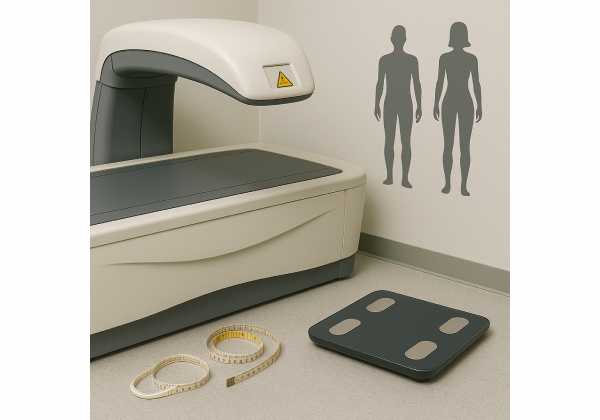
DEXA, BIA, and tape measurements each answer a different question. DEXA gives the most detailed snapshot of fat, lean mass, and bone. BIA gives frequent, low-cost estimates that work best for tracking trends under consistent conditions. Tape measurements, especially waist and waist-to-height ratio, give a simple signal of abdominal fat and cardiometabolic risk. Muscle also needs separate attention, because more lean mass on a scan does not always mean better strength, power, or function.
Table of Contents
- What Body Composition Really Measures
- DEXA for a Detailed Snapshot
- BIA for Frequent Tracking
- Tape Measurements for Waist and Shape
- Muscle Mass, Strength, and Function
- How to Choose the Right Method
- How to Track Change Without Getting Misled
- Common Mistakes and a Simple Protocol
What Body Composition Really Measures
Body composition testing separates body weight into useful compartments. The main ones are fat mass, lean mass, bone mineral content, and body water. Different tools estimate those compartments in different ways, so their numbers do not always match.
Fat mass means the total amount of fat tissue. This includes essential fat, subcutaneous fat under the skin, and deeper abdominal fat around organs. Visceral fat sits inside the abdominal cavity and has stronger ties to insulin resistance, fatty liver, high blood pressure, and abnormal lipids than fat stored in the hips or limbs.
Lean mass is everything that is not fat, but that does not mean pure muscle. Lean mass includes skeletal muscle, organs, connective tissue, and water. A scan that reports “lean mass gain” after a high-salt meal, hard workout, or creatine loading phase might reflect extra water inside muscle rather than new contractile tissue. That does not make the number useless, but it changes how you read it.
Bone mineral content is the mineral part of bone measured by DXA. Bone density matters for fracture risk, especially after menopause, in older adults, in people with low body weight, and in anyone with a history of fractures or long-term steroid use. A dedicated DEXA scan for bone density focuses on clinical fracture-risk interpretation, while a whole-body body composition scan gives a broader tissue map.
The best body composition plan uses each tool for its strength:
| Method | Best use | Main weakness | Good tracking interval |
|---|---|---|---|
| DEXA/DXA | Detailed snapshot of fat mass, lean mass, bone, and regional distribution | Cost, access, small radiation exposure, device-to-device differences | Every 6–12 months for most tracking goals |
| BIA | Frequent trend tracking at home or in clinics | Hydration, food, exercise, device algorithms | Weekly or monthly, under the same conditions |
| Tape | Waist, waist-to-height ratio, and body-shape change | Technique variation and no direct muscle estimate | Every 2–4 weeks |
No single tool answers every longevity-related question. DEXA gives detail. BIA gives convenience. Tape gives a low-tech abdominal risk marker. Strength and function tests show whether muscle performs well in real life.
DEXA for a Detailed Snapshot
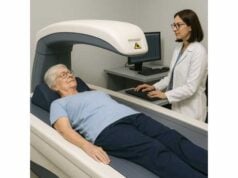
DEXA is the common public spelling, but the technical abbreviation is DXA: dual-energy X-ray absorptiometry. The scanner uses two low-dose X-ray beams to estimate bone mineral, fat tissue, and lean soft tissue. A whole-body scan usually takes only a few minutes, and the report often includes total fat percentage, fat mass, lean mass, bone mineral content, and regional values for the arms, legs, trunk, and android area around the abdomen.
DXA is especially useful when the question is not just “Did weight change?” but “What changed?” A 3 kg loss with stable lean mass suggests a better result than a 3 kg loss that includes 1.5 kg of lean mass. A stable scale weight with lower trunk fat and higher leg lean mass suggests productive recomposition. A high BMI with high lean mass and a low waist means something different from high BMI with high abdominal fat and low muscle.
DXA also helps identify patterns that BMI hides. Adults with normal BMI sometimes carry excess abdominal fat and low muscle. Adults with obesity sometimes have low relative muscle for their body size, a pattern called sarcopenic obesity when low muscle mass or function coexists with excess adiposity. That combination deserves attention because weight loss without strength training and enough protein often worsens the muscle side of the equation.
DXA reports vary by clinic and manufacturer, but the most useful body composition fields are usually:
- Total fat mass and body fat percentage: helpful for broad comparison, though body fat percentage changes when either fat mass or lean mass changes.
- Appendicular lean mass: lean mass in the arms and legs, often used as a proxy for skeletal muscle.
- Appendicular lean mass index: appendicular lean mass adjusted for height, often used in sarcopenia research.
- Trunk fat and android fat: rough markers of central fat distribution.
- Visceral adipose tissue estimate: available on some scanners, useful for abdominal risk tracking.
- Bone mineral content and density: helpful context, especially when body composition and bone health are both priorities.
DXA is still an estimate, not a perfect tissue biopsy. Different machines, software versions, body thickness, hydration status, positioning, and recent food intake affect results. The same person scanned on two different brands might see different fat and lean values. For tracking, use the same facility, same machine when possible, same time of day, and similar pre-scan conditions.
DXA also has limits. It involves a small radiation dose, so pregnancy or possible pregnancy requires medical guidance. Very large body size can exceed scanner limits. Recent contrast imaging, metal implants, movement during the scan, and poor positioning can distort results. A report should not be treated as a moral score or a precise prediction of lifespan. It is a measurement tool that helps guide decisions about fat loss, muscle building, and bone protection.
DXA works best when paired with waist measurement and performance tests. A scan might show adequate lean mass, while grip strength, gait speed, or repeated chair stands reveal low function. In longevity work, the scan is the map; the body still needs to prove what it can do.
BIA for Frequent Tracking
BIA stands for bioelectrical impedance analysis. A BIA device sends a weak electrical current through the body and estimates tissue compartments from electrical resistance and reactance. Water-rich lean tissue conducts the current more easily than fat tissue. The device then uses equations based on height, weight, sex, age, and impedance values to estimate fat mass, fat-free mass, and sometimes skeletal muscle mass.
BIA’s strength is convenience. It is fast, painless, portable, and often inexpensive. Home smart scales, handheld devices, gym scanners, and clinic-grade multi-frequency machines all use versions of the same idea. That makes BIA attractive for people who want regular feedback without booking scans.
The weakness is that BIA is highly sensitive to body water. A salty dinner, alcohol, dehydration, a hard workout, menstrual-cycle shifts, sauna use, carbohydrate loading, creatine use, edema, and illness all change the reading. The device might report a lean mass gain after a high-carbohydrate refeed because glycogen pulls water into muscle. It might report fat gain after dehydration because the body conducts the current differently.
Home scales also send current mainly through the lower body. Handheld devices emphasize the upper body. Multi-segment devices with hand and foot electrodes usually provide better regional estimates, but they still rely on prediction equations. Those equations work better for some populations than others. Athletes, very lean adults, older adults with low muscle, people with obesity, and people with fluid shifts often get less reliable absolute numbers.
Use BIA as a trend tool, not a verdict. The raw number on Tuesday matters less than the pattern over 8–12 weeks. A stable testing routine improves usefulness:
- Measure in the morning after using the bathroom.
- Measure before breakfast and before training.
- Avoid measuring after alcohol, sauna, hard exercise, or unusually salty meals.
- Keep the device, location, and foot placement the same.
- Compare weekly averages rather than single readings.
BIA is most helpful when behavior stays consistent. A person gaining strength, keeping waist stable, and seeing BIA lean mass slowly rise across months likely has a meaningful positive trend. A person seeing wild day-to-day swings should treat the device as noisy and lean more on waist, body weight averages, gym performance, and periodic DXA.
Some BIA devices report phase angle, a measure related to reactance and resistance. In clinical settings, phase angle has been studied as a marker of cell membrane integrity, hydration, and nutritional status. For healthy home users, it is not a stand-alone longevity score. Track it only if the device measures it consistently and you understand that illness, inflammation, hydration, and device type all influence it.
BIA’s best role is frequent feedback between more reliable checkpoints. Use it to notice direction, not to argue over decimals.
Tape Measurements for Waist and Shape
Tape measurements are simple, cheap, and surprisingly useful. Waist circumference and waist-to-height ratio capture central adiposity better than body weight alone. They also respond to lifestyle changes in a way people understand: fewer centimeters around the waist usually means less abdominal fat, even when scale weight moves slowly.
Waist-to-height ratio is especially easy to interpret. Divide waist circumference by height using the same units. A 90 cm waist and 180 cm height gives a ratio of 0.50. A 34 inch waist and 68 inch height also gives 0.50. Current adult guidance often uses these ranges: 0.4 to 0.49 as healthy central adiposity, 0.5 to 0.59 as increased central adiposity, and 0.6 or higher as high central adiposity for adults with BMI under 35 kg/m². The simple target is to keep waist below half of height. A deeper guide to waist-to-height ratio and waist circumference helps when you want a dedicated at-home protocol.
Technique matters more than most people think. Use a flexible, non-stretch tape. Stand relaxed, feet hip-width apart. Measure after a normal exhale, without sucking in or pushing out the abdomen. Keep the tape level around the body and snug against the skin without compressing it.
Different organizations use slightly different waist sites. Two common methods are the midpoint between the lowest rib and the top of the hip bone, and the top of the iliac crest. Pick one method and keep it. Consistency is more important for tracking than switching to chase the smallest number.
Tape also works beyond the waist. Hip, thigh, upper arm, and chest measurements add context during fat loss or muscle gain. For example, a person in a strength phase might see waist stable, thigh up 1 cm, and performance rising. That suggests productive lower-body muscle gain rather than unwanted fat gain. During fat loss, waist shrinking while thigh and arm measurements stay stable suggests better muscle retention.
Good tape tracking uses fewer sites, done well:
| Measurement | Why it helps | How often |
|---|---|---|
| Waist | Tracks abdominal fat and central risk | Every 2–4 weeks |
| Waist-to-height ratio | Normalizes waist size to body height | Every 2–4 weeks |
| Hip | Adds shape context and helps interpret waist-to-hip ratio | Monthly |
| Thigh or upper arm | Gives a rough signal during muscle-building or dieting phases | Monthly |
Tape does not estimate visceral fat precisely, and it does not measure muscle quality. It still earns a place in almost every tracking plan because it is accessible and tied to real health risk. When waist trends down, blood pressure, glucose control, triglycerides, liver fat, and fitness often improve too, especially when the change comes from better food quality, walking, and resistance training.
Muscle Mass, Strength, and Function
Muscle is a longevity organ. It stores glucose, supports insulin sensitivity, protects joints, helps maintain resting metabolic rate, and provides reserve during illness, surgery, and aging. Low muscle strength and poor physical performance predict future disability more clearly than a scan number alone.
The mistake is treating lean mass as the whole story. Lean mass includes water and non-muscle tissue. Muscle mass also says little about how well the nervous system recruits that muscle. Two people with similar leg lean mass can have very different squat strength, stair-climbing ability, balance, and gait speed.
A practical muscle assessment uses three layers:
- Quantity: appendicular lean mass on DXA, BIA skeletal muscle estimate, or circumference trends.
- Strength: grip strength, major lifts, push-ups, sit-to-stand strength, loaded carries.
- Function: walking speed, stair ability, balance, power, repeated chair stands, getting down to and up from the floor.
This is where clinical and home tracking meet. DXA or BIA estimates tissue. A simple functional longevity test shows whether that tissue supports daily life. Grip strength, gait speed, and chair-stand tests are low-tech, repeatable, and meaningful. They also catch problems a body composition report misses.
For adults in midlife and beyond, muscle tracking should focus on preserving or increasing lean tissue while improving strength relative to body size. A person does not need elite muscle mass. The aim is enough muscle and strength to move well, recover well, and tolerate life’s shocks.
Resistance training drives the largest controllable signal. A good strength training plan for longevity trains major movement patterns: squat or sit-to-stand, hinge, push, pull, carry, and core bracing. Most adults do well with 2–4 weekly sessions, progressive loading, and enough recovery to keep joints calm.
Protein supports the signal. During fat loss, higher protein and resistance training reduce the share of weight lost as lean mass. During muscle gain, protein spread across meals helps overcome anabolic resistance, the age-related blunting of muscle protein synthesis. A practical discussion of daily protein and per-meal targets fits naturally with body composition tracking because muscle change comes from training plus building blocks.
Cardiorespiratory fitness matters too. Walking, cycling, swimming, intervals, and loaded carries improve how muscle uses oxygen and glucose. A person who gains a little muscle but loses endurance has not improved the full healthspan picture. Muscle, waist, blood pressure, glucose, lipids, sleep, and fitness belong in the same conversation.
How to Choose the Right Method
Choose the tool based on the decision you need to make. A person starting a fat-loss phase does not need monthly DXA scans. A person with rapid weight loss, low protein intake, and falling strength deserves closer muscle monitoring. A person with high waist-to-height ratio and normal BMI needs central adiposity tracking even if body weight looks “healthy.”
DEXA is the right choice when you need a baseline or a clear checkpoint. Use it when starting a major nutrition and training change, after 6–12 months of consistent work, or when the scale and waist tell conflicting stories. It also makes sense when muscle preservation matters: older age, post-menopause, weight-loss medication, bariatric surgery, repeated dieting, chronic illness, or suspected sarcopenic obesity.
BIA is the right choice when frequent feedback improves adherence. It suits people who enjoy data and understand noise. It also suits clinics and gyms that need quick estimates. Use it to see broad direction between larger checkpoints, not to declare success or failure from one reading.
Tape is the right choice for almost everyone. Waist measurement is cheap, fast, and linked to cardiometabolic risk. It is especially useful when a person wants to reduce visceral fat, improve metabolic health, or track progress while gaining muscle. If you only track two body measures at home, choose body weight average and waist.
The best choice also changes by phase:
| Situation | Preferred tools | Reason |
|---|---|---|
| Starting a health reset | Waist, weight average, strength tests; optional DXA | Creates a baseline without over-testing |
| Fat-loss phase | Waist every 2–4 weeks, weight average, strength log, optional BIA | Shows fat loss while checking muscle retention |
| Muscle-building phase | Strength log, tape sites, body weight, DXA every 6–12 months | Separates productive gain from waist gain |
| Older adult with weakness | Grip, gait speed, chair stands, DXA or clinical BIA | Function and muscle reserve guide action |
| High abdominal risk | Waist-to-height ratio plus metabolic labs | Central fat risk shows up through glucose, blood pressure, lipids, and liver markers |
Body composition never replaces health markers. A shrinking waist gains meaning when paired with better blood pressure, triglycerides, HDL, glucose, insulin, liver enzymes, and fitness. For metabolic context, tests such as A1c, fasting glucose, and fasting insulin, ApoB and non-HDL cholesterol, and fatty liver screening markers often explain why the body composition change matters.
How to Track Change Without Getting Misled
Good tracking separates signal from noise. Body composition tools look precise because they give decimals, but the true error range is wider than the report suggests. The smaller the change, the more cautious the interpretation.
A 0.3 kg change in lean mass on DXA does not prove new muscle. A 1% body fat change on BIA after a salty meal does not prove fat gain. A waist measurement that differs by 1 cm might reflect tape angle, breathing, bowel contents, or posture. Trends need repeated measurements, consistent technique, and enough time.
Use these practical thresholds:
- Body weight: compare 7-day averages, not single morning numbers.
- Waist: treat 2–3 cm change as more meaningful than a 0.5 cm shift.
- BIA body fat: judge 8–12 week trends, not daily movement.
- DXA lean mass: look for changes that match training, strength, and circumference trends.
- Strength: compare similar exercises under similar conditions, not lifetime bests against tired sessions.
During fat loss, the aim is not zero lean mass loss at all costs. Some lean mass decrease reflects less water, glycogen, gut content, and connective tissue load. The more important pattern is waist down, strength mostly stable, protein adequate, and training consistent. If strength collapses, hunger is extreme, sleep worsens, and lean mass drops quickly, the plan is too aggressive.
During muscle gain, the aim is not scale gain alone. Productive gain usually shows rising strength, stable or slowly rising waist, better training volume, and small increases in limb measurements or DXA appendicular lean mass. Fast scale gain with waist rising faster than strength usually means the calorie surplus is too large.
During maintenance, body composition changes slowly. This is where waist and performance shine. Holding waist steady while improving strength, walking pace, and balance is a real win, even if scans barely move.
Life events also affect interpretation. Travel, poor sleep, constipation, high sodium intake, menstrual-cycle phase, illness, injury, and medication changes all alter measurements. Mark these events in your log. The note beside the number often explains the number.
Common Mistakes and a Simple Protocol
The most common mistake is chasing the “most accurate” test while ignoring consistency. A careful waist measurement every month beats a poorly timed expensive scan. A noisy BIA scale still helps when used the same way each week. A high-quality DXA scan loses value when repeated too often and over-interpreted.
Another mistake is mixing methods. DEXA body fat percentage, BIA body fat percentage, and skinfold estimates are not interchangeable. Each method has its own assumptions. Pick one primary method for each question and stick with it long enough to see a trend.
Avoid these traps:
- Comparing different DXA machines: use the same scanner and software when possible.
- Scanning too often: body composition changes slowly; frequent scans invite overreaction.
- Ignoring waist: abdominal fat risk often matters more than total body fat percentage.
- Ignoring strength: muscle that does not improve function deserves a closer look.
- Testing BIA after workouts: fluid shifts distort the result.
- Measuring waist over thick clothing: use skin or thin fitted clothing only.
- Treating body fat percentage as the main target: fat mass, waist, strength, and labs tell a clearer story together.
A simple protocol works better than a complicated dashboard:
- Every morning for 2–4 weeks, then as desired: weigh after using the bathroom. Use weekly averages.
- Every 2–4 weeks: measure waist at the same site, after a normal exhale.
- Monthly: record one or two performance markers, such as grip strength, 5-times sit-to-stand, loaded carry distance, or a consistent strength lift.
- Weekly or monthly if using BIA: measure under the same morning conditions and compare averages.
- Every 6–12 months: consider DXA when the result will change your plan.
- Every 3–12 months depending on risk: review metabolic markers with a clinician when waist, weight, blood pressure, glucose, lipids, or liver enzymes need attention.
For most adults, the most useful body composition “scorecard” fits on one page: waist-to-height ratio, body weight average, strength markers, walking or conditioning marker, optional BIA trend, and periodic DXA. That combination shows fat distribution, muscle reserve, and real-world function without pretending any single number tells the full story.
Body composition tracking should lead to better choices. If waist is rising, adjust food quality, alcohol, portions, steps, sleep, and training. If lean mass is falling during weight loss, raise protein, reduce the calorie deficit, and train with progressive resistance. If strength is low despite normal scan results, train movement patterns and check recovery. If body fat is improving but labs are not, look beyond the scan and review blood pressure, glucose regulation, lipids, liver health, medications, and sleep apnea risk.
The useful result is not a perfect report. It is a clearer next step.
References
- Official Adult Positions 2023 (Position Statement)
- Identifying and assessing overweight, obesity and central adiposity 2025 (Guideline)
- Waist circumference as a vital sign in clinical practice: a Consensus Statement from the IAS and ICCR Working Group on Visceral Obesity 2020 (Consensus Statement)
- Sarcopenia: revised European consensus on definition and diagnosis 2019 (Consensus Statement)
- Screening, diagnosis and monitoring of sarcopenia: When to use which tool? 2022 (Review)
- The Validity of Bioelectrical Impedance Analysis Compared to a Four-Compartment Model in Healthy Adults: A Systematic Review 2026 (Systematic Review)
Disclaimer
This article is educational and does not replace care from a qualified health professional. Body composition results need clinical context, especially during pregnancy, illness, rapid weight loss, eating disorder recovery, cancer treatment, kidney disease, heart failure, or major medication changes. Discuss concerning results, unexplained muscle loss, weakness, or high cardiometabolic risk markers with a clinician.