Resting heart rate and heart rate variability give you a daily window into cardiovascular fitness, recovery, stress load, sleep quality, and early signs that something has changed. They do not diagnose disease on their own, and they are not longevity scores. Their real value is simpler: they show how your body responds to training, alcohol, heat, illness, sleep loss, emotional stress, medications, and recovery habits over time.
Resting heart rate is easiest to understand. Lower is often better within a healthy range, especially when it reflects better aerobic fitness. HRV is more personal. A higher number usually suggests better recovery and autonomic flexibility, but your own baseline matters more than comparing yourself with someone else.
The best approach is to track both metrics consistently, look for patterns, and connect the numbers to how you feel, sleep, train, and recover.
Table of Contents
- What Resting Heart Rate and HRV Show
- How to Measure Them Correctly
- What Numbers Are Worth Tracking
- How to Read Trends Without Overreacting
- What Changes Your Resting Heart Rate and HRV
- How to Improve Your Baseline
- When to Pay Attention or Get Checked
- A Simple Weekly Tracking Routine
What Resting Heart Rate and HRV Show
Resting heart rate is the number of heartbeats per minute when your body is at rest. In adults, the commonly cited normal range is about 60 to 100 beats per minute, but “normal” does not always mean ideal. A well-trained adult often sits in the 50s, and endurance-trained people sometimes run lower. A resting heart rate in the 70s is common. A persistent rise from your usual baseline matters more than one isolated reading.
Heart rate variability is different. HRV measures the variation in time between heartbeats. Your heart does not beat like a metronome. The small differences between beats reflect how your autonomic nervous system adjusts to breathing, blood pressure, stress, digestion, temperature, and recovery.
The autonomic nervous system has two main branches:
- The sympathetic branch raises alertness, heart rate, and blood pressure when the body needs action.
- The parasympathetic branch, especially through the vagus nerve, supports recovery, digestion, and calmer cardiac control.
Higher HRV usually reflects better parasympathetic activity and more flexible regulation. Lower HRV often appears during illness, heavy training, poor sleep, dehydration, alcohol use, psychological stress, or under-recovery.
For healthy aging, these two numbers work best as a pair. Resting heart rate shows the “cost” of resting. HRV shows how adaptable the system is. A lower resting heart rate with stable or rising HRV often suggests improving fitness and recovery. A higher resting heart rate with falling HRV often suggests strain, even before obvious symptoms appear.
They are useful because aging affects cardiovascular and autonomic function. With age, many adults see reduced aerobic capacity, more arterial stiffness, slower recovery, lower sleep quality, and a gradual decline in HRV. That decline is not fixed. Regular aerobic exercise, strength training, better sleep, lower alcohol intake, and stress regulation all influence the trend.
The key is not to chase the highest HRV score. The goal is a resilient baseline: a resting heart rate appropriate for your age, fitness, and medical context, plus HRV that returns to normal after stress.
How to Measure Them Correctly
Resting heart rate and HRV are only useful when measured under consistent conditions. The body changes minute by minute. Posture, breathing, caffeine, hydration, room temperature, talking, movement, and emotional state all affect the result.
For resting heart rate, the simplest method is a morning measurement before getting out of bed. Use a wearable, chest strap, pulse oximeter, blood pressure monitor, or manual pulse count. Count for a full 60 seconds if checking manually. A 15-second count multiplied by four is less accurate when rhythm is irregular.
For HRV, consistency matters even more. Most wearables estimate HRV during sleep or during a short morning reading. Sleep-based HRV is convenient because it captures a long rest period. Morning HRV works well when measured at the same time, in the same position, before caffeine, food, exercise, or stressful phone use.
Many devices report HRV as RMSSD, which stands for root mean square of successive differences. It reflects short-term beat-to-beat variation and is commonly used for recovery tracking. Some devices report SDNN, which reflects broader variation across a recording window. Others convert HRV into a readiness or recovery score. Those scores are easier to read but less transparent, because the company combines HRV with sleep, temperature, activity, and other inputs.
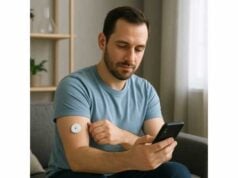
A chest strap with a validated app usually gives better short-term HRV data than a wrist optical sensor. Rings and watches are convenient but use photoplethysmography, which reads blood volume changes rather than the heart’s electrical signal. This works reasonably well at rest and during sleep for many people, but motion, poor sensor fit, cold skin, darker tattoos under the sensor, irregular rhythms, and device algorithms affect accuracy.
Use the same device whenever possible. Switching from one ring, watch, strap, or app to another often changes the baseline. That does not mean one device is wrong; it means each tool measures and processes the signal differently.
A practical setup looks like this:
| Metric | Best timing | Best method | What to avoid |
|---|---|---|---|
| Resting heart rate | Morning before getting up or overnight average | Wearable, chest strap, blood pressure monitor, or 60-second pulse count | Checking after caffeine, exercise, stress, showering, or walking around |
| HRV | Overnight or a controlled morning reading | Same wearable each night or chest strap in the same position each morning | Comparing random daytime readings, switching devices often, or judging one bad night |
If you also track sleep, connect these numbers with your sleep data rather than viewing them separately. Poor sleep often raises resting heart rate and lowers HRV. A wearable sleep estimate is imperfect, but the combined pattern is still useful. A low HRV score after a short, restless night tells a different story than low HRV after eight steady hours of sleep. For a deeper look at what sleep devices get right and wrong, see sleep and wearables for longevity.
What Numbers Are Worth Tracking
The most useful numbers are simple: your resting heart rate baseline, your HRV baseline, your morning or overnight trend, and how quickly both recover after stress.
A single value rarely means much. Your personal average over 2 to 4 weeks is far more useful. Once you have that baseline, daily readings become easier to interpret.
For resting heart rate, track:
- Your 7-day average.
- Your 30-day average.
- Your lowest stable morning or overnight range.
- Changes after illness, travel, alcohol, heat, poor sleep, or training blocks.
- Recovery after a hard workout.
For HRV, track:
- Your 7-day average.
- Your 30-day average.
- Your normal range rather than your best score.
- Drops that last 3 or more days.
- Rebound after rest, better sleep, or lighter training.
- Day-to-day stability.
Most adults do not need advanced HRV metrics. RMSSD is enough for personal tracking. If your app uses a readiness score, look for the underlying HRV value when possible. A score of 82 or 61 means less if you do not know whether the drop came from HRV, sleep duration, temperature, respiratory rate, or recent activity.
A good tracking mindset is: “What is normal for me when I am sleeping well, training normally, not sick, and not drinking alcohol?” That becomes your reference point.
The table below gives a practical way to interpret common patterns.
| Pattern | Common meaning | Useful response |
|---|---|---|
| Resting heart rate lower, HRV stable or higher | Often improved aerobic fitness or better recovery | Keep the current routine and avoid adding stress too quickly |
| Resting heart rate higher, HRV lower | Often illness, poor sleep, alcohol, heavy training, dehydration, heat, or stress | Prioritize sleep, fluids, easier training, and symptom awareness |
| Resting heart rate higher, HRV normal | Possible caffeine, heat, dehydration, pain, medication effect, or early strain | Check context and repeat under clean conditions |
| Resting heart rate normal, HRV lower | Possible mental stress, under-recovery, poor sleep quality, or measurement issue | Look at the 3-day trend instead of one reading |
| Both erratic | Possible irregular rhythm, bad sensor fit, travel, alcohol, illness, or inconsistent measurement | Confirm with a cleaner measurement and seek care if symptoms or rhythm alerts appear |
Do not compare your HRV with someone else’s. Age, sex, genetics, training history, body size, breathing patterns, medication use, and device type all affect HRV. A person with an HRV of 35 ms who is stable, fit, and recovering well is not automatically worse off than a person with 70 ms and poor sleep.
Resting heart rate is easier to compare, but context still matters. Beta-blockers, thyroid medication changes, stimulants, anemia, infection, dehydration, sleep apnea, pain, and anxiety all shift heart rate. Fitness trackers help you spot the change; they do not explain the cause by themselves.
How to Read Trends Without Overreacting
The biggest mistake is treating yesterday’s HRV as a verdict. HRV is noisy. It moves with normal life. A late dinner, one stressful call, a warm bedroom, a glass of wine, hard intervals, or a poor sensor seal changes the reading.
Use trends instead.
A useful rule is to watch three levels:
- The daily number.
- The 7-day rolling average.
- The 30-day baseline.
The daily number tells you what happened last night. The 7-day average tells you whether the week is drifting. The 30-day baseline tells you whether your lifestyle, training, or health status is changing.
For resting heart rate, a rise of 3 to 5 beats per minute above your usual baseline is worth noticing. A rise of 8 to 10 beats per minute for several days deserves attention, especially if paired with fatigue, poor sleep, sore throat, fever, unusual shortness of breath, palpitations, or reduced exercise tolerance.
For HRV, the exact drop depends on your baseline and device. A 10% to 20% dip after a hard workout or poor night is common. A larger drop that persists for several days matters more, especially when resting heart rate is also higher. If HRV drops but you feel good, sleep well, and train normally, wait for the trend before changing everything.
Aging-focused tracking works best when you connect numbers to actions:
- If resting heart rate rises and HRV falls after alcohol, reduce dose, stop earlier, or skip it on training days.
- If HRV falls after late meals, move dinner earlier or lighten the meal.
- If morning heart rate rises after hard evening workouts, shift intense sessions earlier or add more recovery.
- If both numbers worsen during busy work weeks, use shorter training and stronger sleep boundaries.
- If both improve during holidays, ask what changed: sleep duration, daylight, walking, stress, meal timing, or less alcohol.
This is where wearable data becomes useful. It turns vague feelings into patterns. You do not need perfect data to see that your body responds poorly to repeated late nights or well to regular walking.
For structured self-testing, change one variable at a time for 2 weeks. For example, keep training stable and test a fixed bedtime. Or keep bedtime stable and remove alcohol. Or add 10 minutes of slow breathing before bed. This style of tracking fits well with N of 1 experiments for longevity, where the goal is not to prove a universal rule but to learn what reliably moves your own markers.
What Changes Your Resting Heart Rate and HRV
Resting heart rate and HRV respond to the total load on your body. That load includes physical training, sleep, stress, temperature, hydration, food timing, alcohol, medications, and illness.
Training has one of the strongest effects. Aerobic conditioning usually lowers resting heart rate over time because the heart pumps more blood with each beat. Zone 2 training, brisk walking, cycling, swimming, rowing, and interval work all contribute when dosed well. Too much intensity without recovery does the opposite: resting heart rate rises, HRV drops, and performance stalls. If aerobic fitness is a priority, Zone 2 training for healthy aging is one of the most reliable ways to build the base that supports a lower resting heart rate.
Strength training also affects these metrics, but the pattern is different. A hard lifting session may lower HRV for a day, especially if it includes heavy compound lifts, high volume, soreness, or poor sleep afterward. That is not bad. It is a normal stress response. The question is whether your numbers recover before the next hard session. If strength is part of your longevity plan, pair HRV tracking with performance, soreness, and energy rather than using HRV alone to decide whether to train. A practical weekly structure is covered in strength training for longevity.
Sleep is the daily reset. Short sleep, fragmented sleep, late bedtime, irregular wake time, sleep apnea, and nighttime overheating all raise strain. Many people see their best HRV after several nights of consistent sleep, a cool room, earlier dinner, and no alcohol. Sleep apnea is especially important because repeated drops in oxygen and frequent arousals strain the cardiovascular system. Loud snoring, witnessed pauses in breathing, morning headaches, and daytime sleepiness deserve attention.
Alcohol is one of the clearest wearable signals. Even moderate intake often raises overnight heart rate and lowers HRV. The effect is stronger when alcohol is close to bedtime. The body treats alcohol as a stressor during the night, even when it makes falling asleep feel easier.
Hydration and heat matter. Dehydration reduces blood volume, so the heart beats faster to maintain circulation. Hot rooms, saunas, warm climates, and fever also raise heart rate. This does not mean heat exposure is bad. It means you should interpret the next morning’s numbers with the context of temperature and fluid status.
Food timing matters too. Large late meals, high-fat dinners, reflux, and big glucose swings raise nighttime workload. Some people see better HRV when dinner ends 3 hours before bed. Others mainly need to avoid heavy meals and alcohol together. If glucose swings are part of the picture, continuous glucose monitoring for longevity can help connect meals, late eating, sleep, and overnight recovery.
Mental stress has a real signal. Rumination, conflict, grief, deadlines, caregiving, and financial stress all shift autonomic balance. The body does not separate “mental” stress from physical stress as cleanly as people imagine. A calm evening routine, social connection, daylight, movement, and breathing practice often show up in HRV before they show up in mood.
Illness often appears early. Many people see resting heart rate rise and HRV fall 1 to 2 days before clear symptoms. Respiratory infections, fever, inflammation, pain, and digestive illness all increase physiological load. During illness, the goal is not to force HRV up. The goal is to rest, hydrate, monitor symptoms, and return to training gradually.
Medications and medical conditions also change the numbers. Beta-blockers lower heart rate. Stimulants often raise it. Thyroid dysfunction, anemia, arrhythmias, infection, pain, dehydration, and poorly controlled blood pressure all affect readings. If blood pressure is also a concern, combine wearable trends with proper home measurement rather than guessing from heart rate alone. A reliable setup is outlined in home blood pressure for longevity.
How to Improve Your Baseline
Improving resting heart rate and HRV means improving the system that controls them. Hacks rarely work for long. The strongest levers are aerobic fitness, sleep regularity, recovery, stress regulation, alcohol reduction, and medical follow-through when symptoms suggest a problem.
Start with aerobic base. Two to four weekly sessions of easy-to-moderate cardio build stroke volume, mitochondrial capacity, and recovery reserve. Most sessions should feel sustainable. You should be able to speak in short sentences. Add intensity carefully: one interval session per week is enough for many adults when combined with strength training and daily movement.
Add strength training 2 to 3 days per week. Muscle supports glucose control, balance, bone health, and independence with age. Strength work does not always raise HRV in the short term, but it improves long-term healthspan. Track performance alongside HRV. If your HRV is lower but lifts are progressing, sleep is good, and soreness is normal, the program may be working. If HRV stays low, resting heart rate climbs, and motivation drops, reduce volume for a week.
Protect sleep timing. A consistent wake time is often more powerful than a perfect bedtime. Morning light, a regular wind-down, a cool bedroom, and fewer late meals create a better nighttime autonomic pattern. Wearables often reward consistency more than heroic sleep catch-up.
Use breathing as a direct autonomic tool. Slow breathing, especially around 5 to 6 breaths per minute, often increases vagally mediated HRV during the session. It is not magic, and the effect depends on consistency. Try 5 minutes before bed or after work. Breathe through the nose if comfortable, lengthen the exhale slightly, and keep it easy. Straining to breathe “perfectly” turns the practice into another stressor. For a closer look at breathing techniques, see breathwork for sleep and stress.
Reduce alcohol close to sleep. This is one of the fastest ways to improve overnight heart rate and HRV. The most useful experiment is simple: compare two similar weeks, one with alcohol and one without. Keep bedtime and training similar. Most people do not need a lecture; the overnight data makes the effect obvious.
Fuel and hydrate appropriately. Under-eating during heavy training, low carbohydrate intake with high training stress, dehydration, and aggressive dieting all lower recovery. Healthy aging is not just about stress exposure. It is about stress plus repair. Protein, fluids, electrolytes when needed, and enough total energy help the nervous system settle.
Build recovery days into the week. A recovery day is not failure. It is where adaptation happens. Walking, mobility, easy cycling, gentle swimming, and relaxed outdoor time often improve HRV without adding much strain.
Treat medical drivers. If resting heart rate is persistently high, HRV is very low compared with your usual baseline, or symptoms appear, lifestyle changes are not the only answer. Thyroid testing, anemia evaluation, infection assessment, medication review, sleep apnea testing, rhythm monitoring, and cardiovascular risk review all have a place when the pattern points beyond normal stress. Wearables are early-warning tools, not substitutes for clinical evaluation.
When to Pay Attention or Get Checked
Most changes in resting heart rate and HRV come from ordinary life. Still, some patterns deserve action.
Pay attention when resting heart rate rises clearly above your normal range for several days without an obvious reason. This is especially important if you also feel unwell, unusually tired, short of breath, dizzy, feverish, or unable to exercise at your normal level.
A resting heart rate above 100 beats per minute under calm resting conditions deserves medical attention if it persists or comes with symptoms. A very low resting heart rate can be normal in trained people, but it deserves evaluation when paired with fainting, dizziness, chest discomfort, confusion, unusual fatigue, or exercise intolerance.
Irregular rhythm alerts need a different level of attention. Many watches detect possible atrial fibrillation or irregular pulse patterns. These alerts are not diagnoses, but they should not be ignored. Atrial fibrillation becomes more common with age and increases stroke risk. If you receive repeated irregular rhythm alerts, feel palpitations, or notice an uneven pulse, seek clinical confirmation with an ECG or longer rhythm monitor. Brain health and cardiovascular prevention overlap here, especially because rhythm problems affect stroke risk. For that broader connection, see atrial fibrillation and brain healthspan.
Low HRV alone is not an emergency. It becomes more meaningful when it is new, persistent, and paired with other signals: higher resting heart rate, worse sleep, reduced exercise capacity, chest symptoms, new swelling, fever, unexplained weight change, or mood changes.
Use extra caution after illness. Returning to hard training while resting heart rate is still elevated and HRV is still suppressed often prolongs recovery. Wait until symptoms are improving, resting heart rate is near baseline, and easy activity feels normal. After fever, chest symptoms, or significant viral illness, a slower ramp-up is safer.
Also consider medication context. If a new medication changes your heart rate, do not stop it on your own. Some drugs are intended to lower heart rate. Others raise it as a side effect. Bring the trend to your clinician and ask whether the change fits the medication, dose, and your health history.
Wearables create a useful record. Instead of saying, “I feel off,” you can say, “My resting heart rate has been 9 beats higher than usual for 6 days, my HRV is down about 25%, and I feel short of breath on stairs.” That is clearer and more actionable.
A Simple Weekly Tracking Routine
You do not need to study every graph. A simple weekly rhythm gives you most of the benefit without turning health tracking into another source of stress.
Start with a 30-day baseline. Wear the same device consistently, or take the same morning reading each day. Do not change your life just to make the numbers look good. The goal is to learn your real baseline.
Each morning, check only three things:
- Resting heart rate compared with your usual range.
- HRV compared with your usual range.
- How you feel: rested, normal, strained, sick, sore, or stressed.
Then match the day’s training to the pattern. When resting heart rate is normal and HRV is within range, train as planned. When resting heart rate is slightly high or HRV is slightly low, warm up and reassess. When resting heart rate is clearly high and HRV is clearly low, choose easy movement, mobility, or rest unless there is a clear harmless reason and you feel excellent.
Once per week, review trends rather than daily noise. Ask:
- Is my 7-day resting heart rate moving up, down, or stable?
- Is my 7-day HRV moving up, down, or stable?
- Did hard training produce recovery within 24 to 72 hours?
- Did alcohol, late meals, travel, or poor sleep create a clear pattern?
- Do I feel better, worse, or the same as the numbers suggest?
Once per month, look at the bigger picture. A good month does not require perfect HRV. It means your resting heart rate is stable or improving, HRV returns after stress, training is progressing, sleep is adequate, and you are not needing constant recovery from your own routine.
Use a simple color system if detailed numbers make you anxious:
| Status | Typical pattern | Best action |
|---|---|---|
| Green | Resting heart rate near baseline, HRV near baseline, energy normal | Train as planned |
| Yellow | One metric is off, sleep was poor, soreness is high, or stress is elevated | Keep the session easier or shorten it |
| Red | Resting heart rate clearly high, HRV clearly low, symptoms present, or recovery is poor | Rest, walk lightly, hydrate, sleep, and monitor symptoms |
The best tracking system supports better choices. It should not make you afraid of normal variation. Resting heart rate and HRV are most useful when they help you notice patterns early, recover more intelligently, and build a body that handles stress without staying stuck in it.
References
- Change in resting heart rate and risk for all-cause mortality 2022 (Systematic Review)
- Reference values for heart rate variability in older adults: A systematic review 2024 (Systematic Review)
- Heart rate variability and autonomic nervous system imbalance: Potential biomarkers and detectable hallmarks of aging and inflammaging 2024 (Review)
- Heart Rate Variability Measurement through a Smart Wearable Device: Another Breakthrough for Personal Health Monitoring? 2023 (Review)
- Effects of voluntary slow breathing on heart rate and heart rate variability: A systematic review and a meta-analysis 2022 (Systematic Review)
- Validation of nocturnal resting heart rate and heart rate variability in consumer wearables 2025 (Validation Study)
Disclaimer
This article is educational and does not replace care from a qualified health professional. Resting heart rate, HRV, and wearable alerts should be interpreted with symptoms, medical history, medications, and proper clinical testing when needed. Seek medical guidance for persistent resting tachycardia, fainting, chest pain, shortness of breath, repeated irregular rhythm alerts, or unexplained changes from your usual baseline.