
Disodium Phosphate: Detailed Analysis of Benefits, Forms, and Dosage
Disodium phosphate (also called sodium phosphate dibasic or E339(ii)) is a common food additive, a laboratory buffer, and—in select cases—a supplemental source of phosphorus...
D-Limonene: Benefits for Digestion, Detox, Immunity, and Wellness
D-limonene is the citrus-scented compound that gives oranges and lemons their bright aroma. Beyond flavor and fragrance, it’s sold as a dietary supplement most...
DLPA: Top Uses, Proper Dosage, and Safety Insights
DLPA (DL-phenylalanine) is a 50:50 blend of two mirror-image forms of the essential amino acid phenylalanine. The L-form feeds into tyrosine and the catecholamines...
D-malic acid Supplement: Uses, Dosage, Risks, and Best Practices
D-malic acid is one of two mirror-image forms of malic acid—the tart-tasting organic acid best known from apples and widely used in foods and...
D-mannitol: Sugar Alcohol Sweetener, Diuretic, and Digestive Health Explained
D-mannitol is a six-carbon sugar alcohol best known in medicine as an osmotic agent that pulls water out of tissues and into the bloodstream....
D-Mannose Benefits: Urinary Tract Health, Usage, Dosage, and Side Effects Guide
D-mannose is a simple sugar that has attracted attention as a non-antibiotic option for urinary tract health, especially for people who experience recurrent urinary...
DMBA (1,3-Dimethylbutylamine): Safety, Fat Burner Effects, Uses, and Proper Dosage
DMBA (1,3-dimethylbutylamine), sometimes marketed as AMP citrate, is a laboratory-made stimulant that appeared in some pre-workout and weight-loss supplements over the past decade. It’s...
DMSA for Lead and Mercury Detox: Benefits, Dosage, Risks, and Best Practices
DMSA—also known by its generic name succimer—is a prescription chelating agent designed to bind certain toxic metals so your body can excrete them. Clinically,...
DNase Enzyme Therapy: Airway Clearance, Applications, and Safety Guide
DNase (deoxyribonuclease) is an enzyme that cuts DNA. In medicine, the form you’ll hear most about is dornase alfa (recombinant human DNase I), delivered...
Docosahexaenoic Acid (DHA): Top Brain, Eye, and Heart Benefits, Uses, Dosage, and Safety
Docosahexaenoic acid (DHA) is a long-chain omega-3 fat that your body uses to build cell membranes—especially in the brain and retina—and to make signaling...
Docosapentaenoic Acid (DPA): Unique Omega-3 for Cardiovascular and Brain Wellness
Docosapentaenoic acid (DPA) is a long-chain omega-3 fatty acid found in fish, marine oils, and—unlike EPA and DHA—in meaningful amounts in certain red meats....
Dodecanoic Acid: Top Benefits, Health Uses, Dosage, and Side Effects
Dodecanoic acid—better known as lauric acid—is a 12-carbon saturated fatty acid (C12:0) that occurs naturally in coconut and palm kernel oils, dairy fat, and...
Dog Rose: Comprehensive Supplement Review—Dosage, Benefits, and Potential Side Effects
Dog rose (Rosa canina) is a hardy wild rose whose small, bright-red fruits—rose hips—have a long history in European and Middle Eastern folk medicine...
Dolomite: Top Benefits, How to Use, Dosage Guidelines, and Safety Profile
Dolomite is a naturally occurring mineral—calcium magnesium carbonate—that’s sometimes marketed as a two-in-one source of calcium and magnesium or used to re-mineralize purified water....
DOPA for Dopamine: Cognitive, Hormonal, and Motor Function Benefits
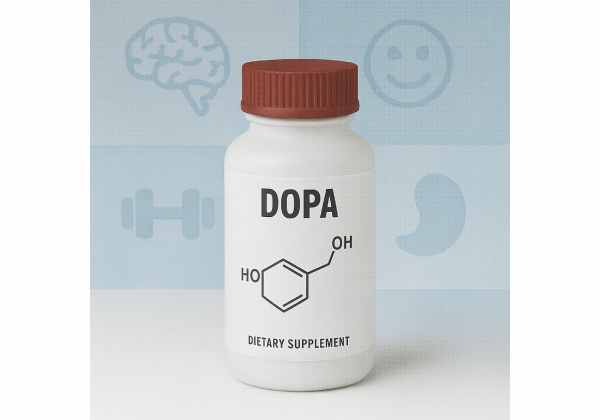
DOPA most often refers to L-DOPA, the direct biochemical precursor to dopamine. In clinics, L-DOPA is prescribed as levodopa (usually paired with carbidopa) to...
Douglas Fir: Herbal Remedies, Aromatherapy, Dosage, and Precautions

Douglas fir (Pseudotsuga menziesii) is best known as a towering timber tree, yet its fragrant needles, resin, and essential oil have been used for...
D-Pinitol: Adaptogen for Metabolic and Stress Wellness—Benefits, Dosage, Safety
D-pinitol is a naturally occurring cyclitol (3-O-methyl-D-chiro-inositol) found in carob pods, soy, and certain pines. As a close relative of the inositols, it has...
DPP-IV Enzyme Supplements: Gluten Digestion, Safety, Dosage, and More
Dipeptidyl peptidase-4 (DPP-IV, also called DPP-4 or CD26) is an enzyme your body makes that clips tiny pieces off certain peptides, including hormones that...
Dragon’s Blood: Natural Benefits, Topical and Internal Uses, Dosage, and Safety
Dragon’s blood is the deep red resin obtained from several plant genera, most notably Croton lechleri in the Amazon and Dracaena and Daemonorops species...
Drags Imun: Natural Wound Healing, Immune System Boost, Dosage, and Side Effects
Drags Imun is a liquid extract made from the deep red latex of Croton lechleri, a South American tree often called “dragon’s blood.” Traditional...