
D-Ribose: What It Is, Health Benefits, How to Use, and FAQ
D-ribose (often shortened to “ribose”) is a simple sugar your body already makes to build ATP—the universal energy currency in cells. When energy demand...
D-ribulose for Cellular Health: Complete Benefits, Dosage, and Safety Overview
D-ribulose is a little-known simple sugar that your body can make in tiny amounts as part of normal metabolism. Unlike familiar sugars such as...
Drynaria fortunei Supplement: Science-Backed Bone and Joint Benefits, Dosage, and Risks
Drynaria fortunei—known in Traditional Chinese Medicine (TCM) as Gu Sui Bu, or “mender of shattered bones”—is a fern rhizome used for bone support and...
D-salicin Supplement Guide: Anti-Inflammatory Properties, Proper Dosage, and Risks
D-salicin is a naturally occurring compound best known from white willow (Salix alba) and a few other plants. In the body it acts like...
D-Tagatose: Blood Sugar Support, Weight Management, Baking Uses, and Safety Explained
D-Tagatose is a “rare sugar” that tastes close to table sugar but behaves differently in the body. It delivers sweetness with fewer calories, produces...
Du Zhong: Joint, Bone, and Blood Pressure Support—Benefits, Uses, Dosage, and Risks
Du Zhong (Eucommia ulmoides), a cornerstone herb in East Asian medicine, is most often used for healthy blood pressure, resilient joints, and strong bones....
Duckweed Protein: Complete Plant-Based Protein Source, Health Benefits, Uses, Dosage, and Safety
Duckweed protein—often labeled “water lentil” protein and sourced from tiny aquatic plants in the Lemnaceae family (e.g., Wolffia, Lemna)—is one of the fastest-growing plant...
Dunaliella salina: Nature’s Beta-Carotene for Vision, Immunity, and Wellness
Dunaliella salina is a salt-loving microalga famous for its rich natural carotenoids—especially beta-carotene, plus the colorless carotenoids phytoene and phytofluene. These pigments act as...
Duodenum extract: Science-Backed Benefits, How It Works, and Safe Supplementation
The idea behind duodenum extract—typically derived from bovine or porcine intestinal tissue—is simple but controversial: can concentrated tissue from the first part of the...
Durian: Nutritional Value, Health Advantages, Best Ways to Use, and Potential Risks
Durian is one of Southeast Asia’s most distinctive fruits—spiky on the outside, custard-like within, and powerfully aromatic. Beyond its reputation, durian is a calorie-dense...
Dwarf Pine Extract: Top Health Benefits, Dosage Guidelines, and Potential Side Effects
Dwarf pine extract—most often derived from Pinus mugo (also called mountain or dwarf mountain pine)—is a concentrated preparation of compounds found in the tree’s...
D-Xylose: Benefits for Digestion, Diabetes, Dosage, and Side Effects
D-xylose is a naturally occurring five-carbon sugar found in plant fibers. Unlike common table sugar, it is absorbed and metabolized differently, and—in small amounts...
Dyer’s Broom: Liver, Kidney, and Antioxidant Support—Full Benefits Explained
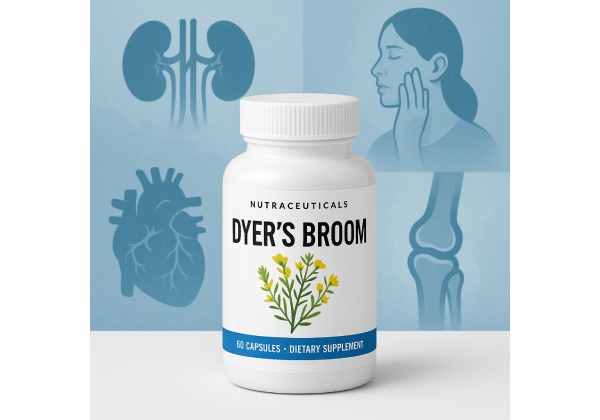
Dyer’s broom (Genista tinctoria), also called dyer’s greenweed, is a small European shrub best known for producing brilliant yellow dye. Beyond textiles, it has...
Dymethazine: Risks, Muscle-Building Benefits, Dosage, and PCT Strategies
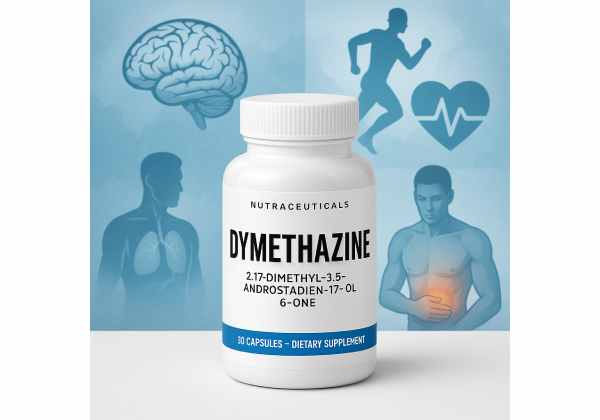
Dymethazine is a synthetic anabolic compound once sold in bodybuilding “hardening” stacks. Chemically, it’s an azine-linked dimer of methasterone (also known as Superdrol), a...
Apple Cider Vinegar for Weight Loss: What the Evidence Really Says
Apple cider vinegar is often sold as a simple, natural shortcut to fat loss. The evidence is not that clean. A few small trials...
Bariatric Surgery Options (Sleeve vs. Bypass): Who’s a Candidate and Outcomes

Sleeve gastrectomy and gastric bypass are the two most common bariatric surgery options, but they are not interchangeable. Both can produce major weight loss...
Berberine for Weight Loss: Results, Safety and Drug Interactions
Berberine has become one of the most talked-about supplements in weight-loss circles, often marketed as a natural shortcut for appetite control, blood sugar support,...
Caffeine for Weight Loss: Effective Doses, Timing and Safety

Caffeine can make weight loss a little easier, but it is not a shortcut and it is not a treatment for obesity on its...
Capsaicin/Capsiate for Weight Loss: Thermogenesis, Appetite and Tolerance
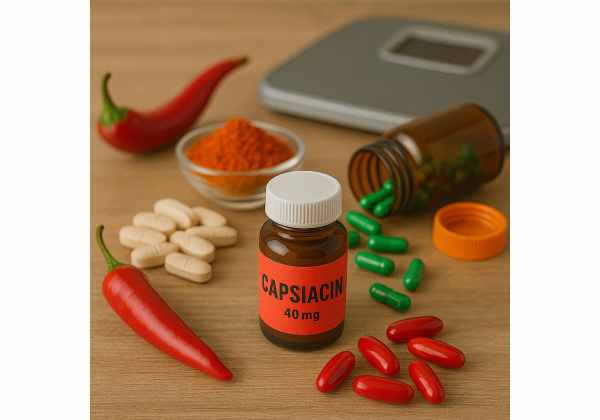
Capsaicin and capsiate are often marketed as “fat-burning” ingredients, but the evidence in humans is more restrained than the sales pitch. They may slightly...
Chromium Picolinate and Weight Loss: Does It Curb Cravings?
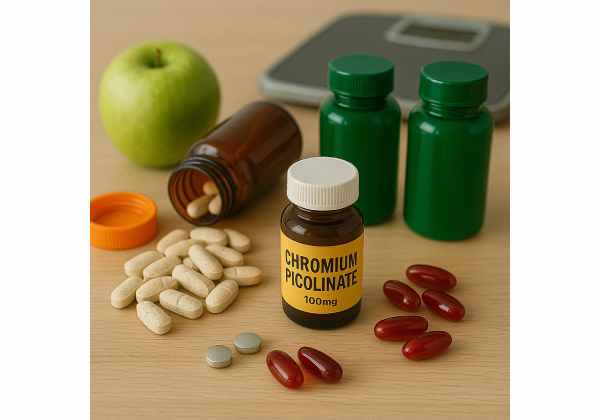
Chromium picolinate is often sold as a “craving control” supplement, especially for sugar cravings, carb cravings, and stubborn appetite during weight loss. The short...