
Combining Medications with Diet and Exercise: Realistic Results and Maintenance
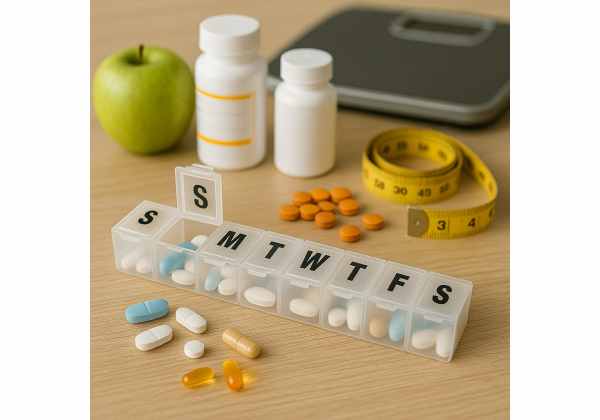
Weight-loss medication can make the process easier, but it does not replace the basic work of eating in a sustainable calorie range, moving regularly,...
Conjugated Linoleic Acid (CLA) for Fat Loss: Research Review

CLA has been marketed for years as a “body recomposition” supplement that can reduce fat while preserving or even increasing lean mass. The research...
Creatine While Losing Weight: Water Weight, Muscle and Fat Loss
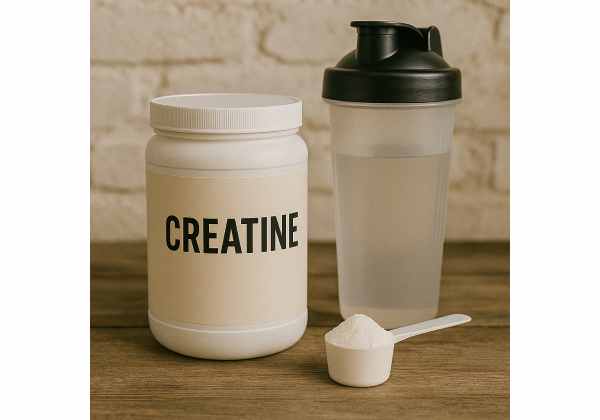
Creatine can absolutely make sense during weight loss, but it changes how the scale behaves. The short version is this: creatine may cause a...
Detox Teas and Laxative Cleanses for Weight Loss: Short-Term Drop, Long-Term Risks
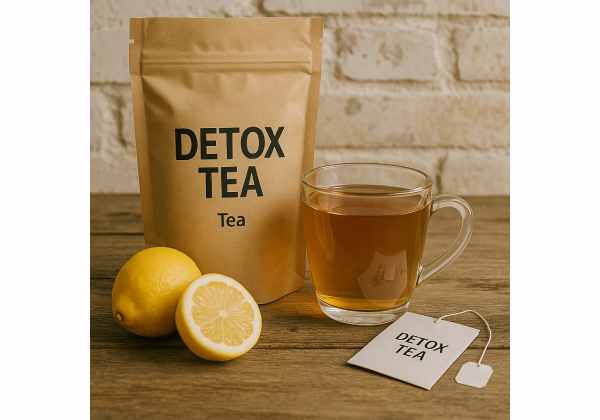
Detox teas and laxative cleanses are often sold as a fast way to look leaner, feel lighter, and restart weight loss when progress feels...
Fat Burner” Supplements: Do They Work and What Are the Dangers?
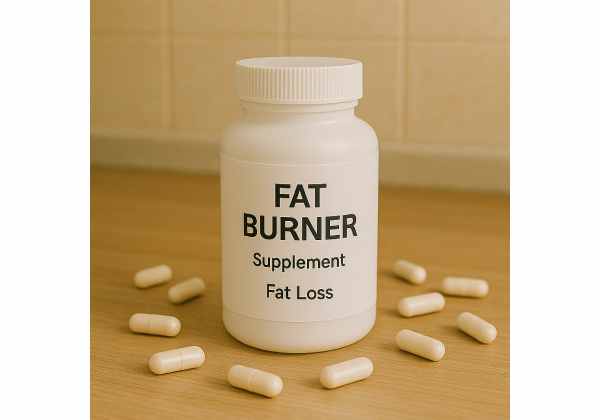
“Fat burner” is a marketing term, not a scientific one. Most products sold under that label promise faster metabolism, stronger appetite control, or easier...
Fiber Supplements for Weight Loss: Glucomannan vs. Psyllium
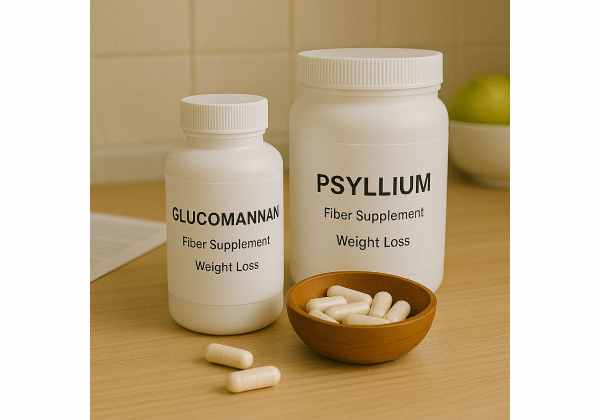
Fiber supplements can help with weight loss, but not all fibers behave the same way. Glucomannan and psyllium are both soluble fibers that absorb...
Garcinia Cambogia for Weight Loss: Why It Fell Out of Favor
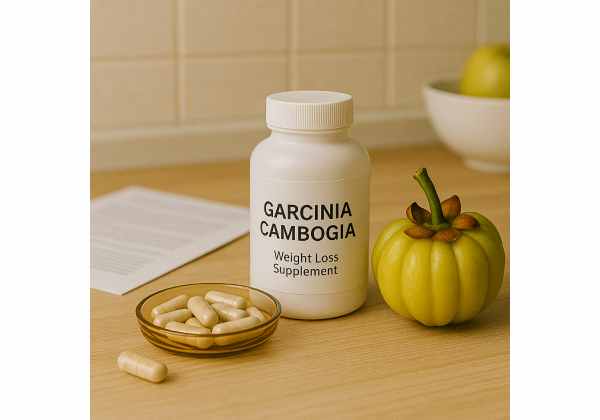
Garcinia cambogia was once one of the most heavily marketed “natural” weight-loss supplements on the shelf. The appeal was obvious: it promised appetite control,...
GLP-1 Medications (Semaglutide/Ozempic, Wegovy): What to Expect and Side Effects

Semaglutide changed the conversation around medical weight loss because it does not rely on willpower alone. It lowers appetite, can make food feel less...
Green Coffee Bean Extract for Weight Loss: Myth vs. Evidence
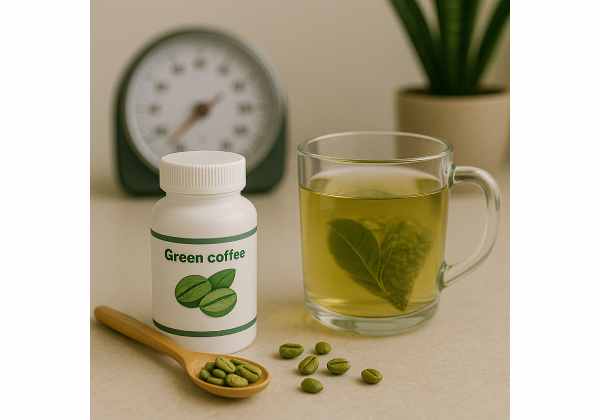
Green coffee bean extract has been promoted as a natural shortcut for fat loss for more than a decade. The sales pitch is simple:...
Green Tea Extract (EGCG) for Weight Loss: Benefits, Dose and Risks
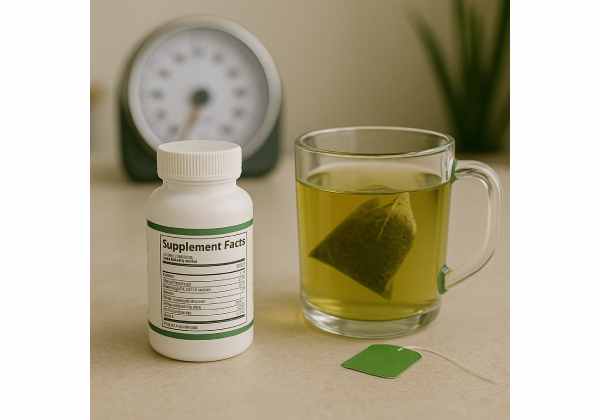
When weight loss slows, concentrated “fat-burning” supplements start to look more appealing. Green tea extract, especially its best-known catechin EGCG, is one of the...
How to Read Supplement Labels for Weight Loss: Doses, Forms and Red Flags

Weight loss supplements are often bought at exactly the wrong moment: when progress has slowed, motivation is dropping, and a label promising “metabolism support”...
L-Carnitine for Weight Loss: Evidence, Dose and Side Effects
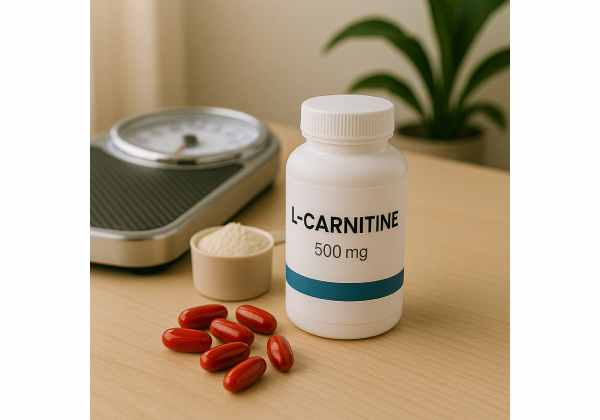
L-carnitine is one of those supplements that sounds almost tailor-made for fat loss. It helps transport fatty acids into mitochondria, so the marketing leap...
Metformin and Weight Loss: When It Helps and When It Doesn’t
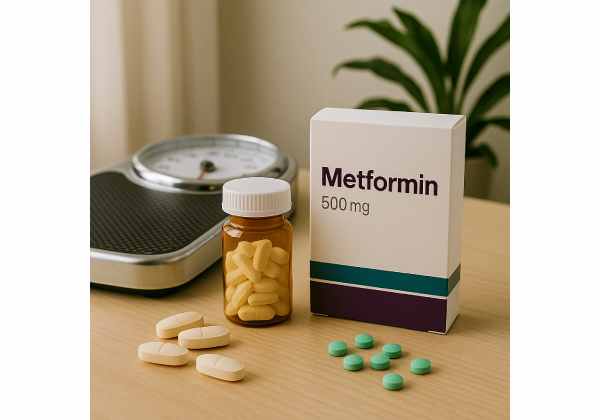
Metformin is often discussed as a weight-loss medication, but that description is only partly true. It can support weight loss in some people, especially...
Naltrexone-Bupropion (Contrave) for Weight Loss: How It Works and Who It Suits
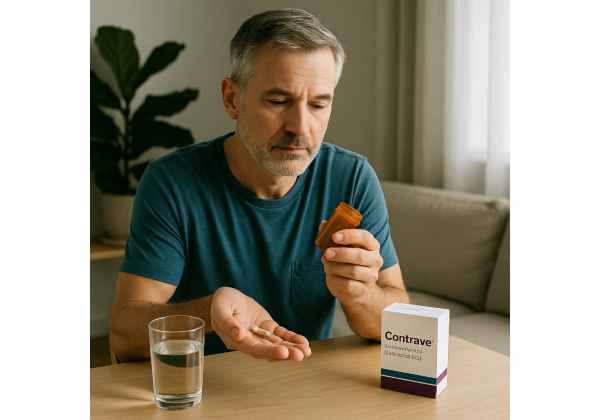
Contrave can be a useful option for some adults who need more than diet and exercise alone, especially when appetite, cravings, reward eating, and...
Orlistat for Weight Loss: How It Works, Side Effects and Diet Tips
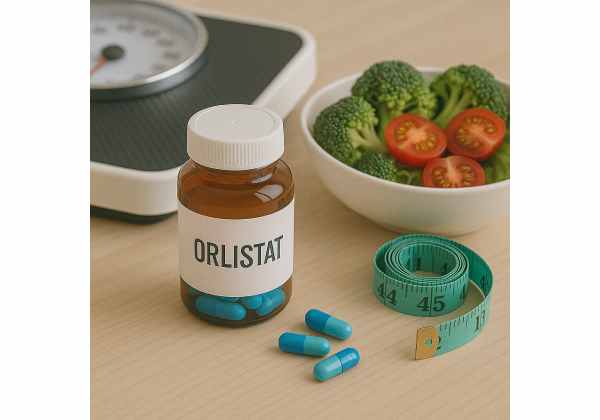
Orlistat is one of the oldest long-term weight loss medications still in regular use, but it is often misunderstood. It does not work by...
Phentermine for Weight Loss: Safety, Side Effects and Alternatives
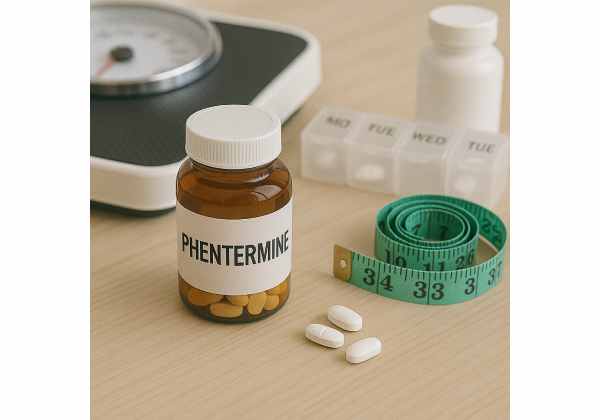
Phentermine is one of the oldest prescription weight loss drugs still in common use. It can reduce appetite and help some people lose weight...
Phentermine-Topiramate (Qsymia): Results, Risks and Monitoring

Phentermine-topiramate, sold as Qsymia, is one of the more effective oral prescription medicines for long-term weight management. It can produce meaningful weight loss in...
Probiotics for Weight Loss: Do Specific Strains Help?
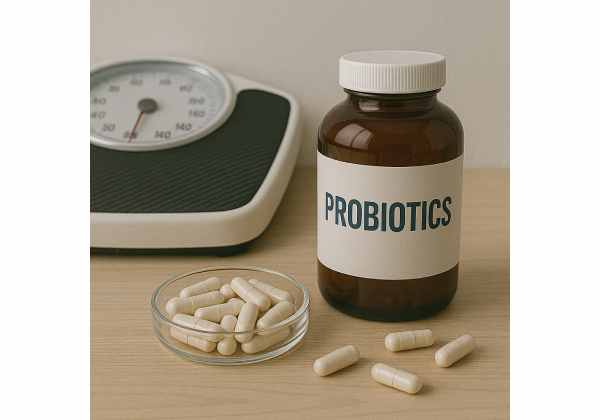
Probiotics are often marketed as a simpler, gentler way to support fat loss. The reality is more nuanced. Some probiotic strains appear to have...
Protein Shakes for Weight Loss: Best Types, When to Drink and How Much
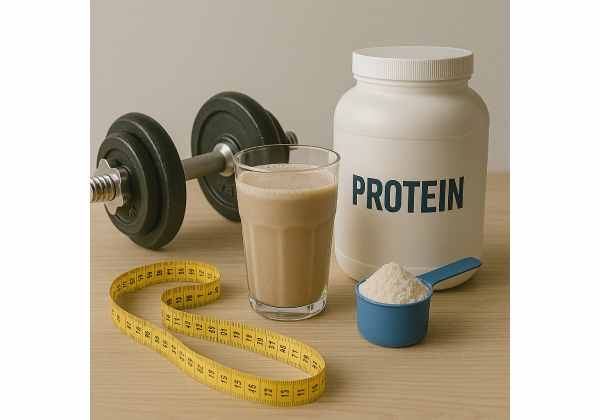
Protein shakes can be useful for weight loss, but they are easy to misunderstand. They do not cause fat loss simply because they contain...
Third-Party Testing for Supplements: USP, NSF and Informed Choice Explained
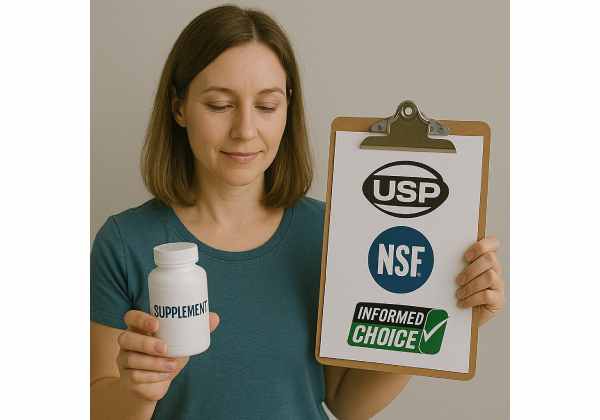
Third-party testing is one of the most useful quality filters in supplement shopping, but it is also one of the most misunderstood. A certification...