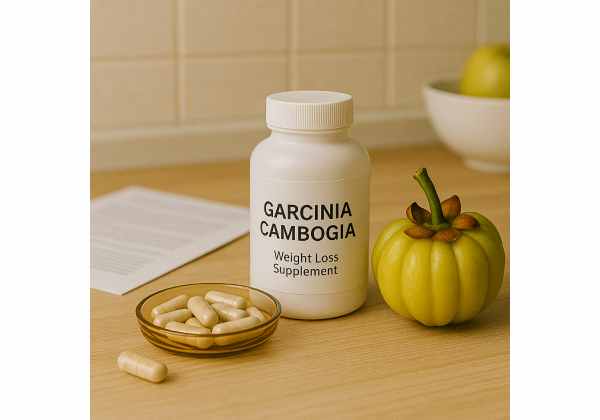
Garcinia cambogia was once one of the most heavily marketed “natural” weight-loss supplements on the shelf. The appeal was obvious: it promised appetite control, less fat production, and an easier path to weight loss without prescription medication. That story turned out to be much stronger than the evidence behind it. Human studies have shown mixed and mostly modest results, product quality has not always been consistent, and safety concerns, especially around liver injury, have changed the risk-benefit conversation.
That is why garcinia cambogia fell out of favor. Not because it became completely irrelevant overnight, but because the real-world upside never looked impressive enough to justify the uncertainty. This article explains what it is, what the research actually found, why enthusiasm faded, and what makes more sense now if your goal is safe, sustainable weight loss.
Table of Contents
- Why Garcinia Cambogia Got So Popular
- What the Weight-Loss Evidence Actually Shows
- Why It Fell Out of Favor
- Safety Concerns That Changed the Risk Calculation
- Dosing, Labels, and Product Quality Problems
- Who Should Avoid It or Get Medical Advice
- Better-Supported Ways to Approach Weight Loss
Why Garcinia Cambogia Got So Popular
Garcinia cambogia, also called garcinia gummi-gutta, is a tropical fruit. The compound that drove the weight-loss marketing is hydroxycitric acid, usually shortened to HCA. Early interest centered on two ideas: that HCA might reduce fat production by affecting the enzyme ATP citrate lyase, and that it might reduce appetite enough to lower calorie intake. On paper, that sounded like the perfect supplement pitch: less hunger, less fat storage, and a plant-based product rather than a drug.
It also arrived at the right moment in the supplement market. Consumers were already primed to believe that “natural” meant safer, gentler, and more sustainable than medication. Garcinia was sold as a simple middle ground between strict dieting and prescription treatment. That message spread fast because it fit what many people wanted to hear: that weight loss could come from one clever ingredient rather than a long stretch of consistent habits.
The marketing angle was helped by a few additional factors:
- The mechanism sounded scientific enough to feel credible.
- Some small studies suggested benefit, even if the results were inconsistent.
- The supplement could be packaged as capsules, powders, or blends.
- It was often placed next to other “fat burners,” making it look established and mainstream.
- It was inexpensive compared with many medical treatments.
That popularity, though, was built more on possibility than proof. Garcinia was never supported by the kind of large, long-duration clinical evidence that would justify strong confidence. Instead, it benefited from a pattern that is common in weight-loss supplements: promising theory, uneven early data, aggressive marketing, and a public eager for an easier answer.
Another reason it caught on is that the claims were easy to oversimplify. “Suppresses appetite” sounds powerful, even when the actual effect in humans is small, inconsistent, or short-lived. “Blocks fat production” sounds dramatic, even if real-world body-weight change ends up being modest. Those claims were not always technically invented, but they were often presented without enough context about uncertainty, effect size, or how hard it is to translate laboratory findings into meaningful fat loss in people.
That mismatch between story and reality is a big part of why garcinia rose quickly. It is also the beginning of why it later declined. Once a supplement is sold on a strong promise, it has to clear a high bar in real use. Garcinia did not.
What the Weight-Loss Evidence Actually Shows
The evidence is not best described as “it definitely works” or “it definitely does nothing.” It is better described as mixed, modest, and clinically underwhelming.
Some randomized trials have shown small reductions in weight or body measurements compared with placebo. A later meta-analysis even found statistically significant reductions in body weight, BMI, body-fat percentage, and waist circumference. But those numbers need context. The average changes were not dramatic, the studies were heterogeneous, and the trials were relatively small and short. That matters because a tiny change over a few weeks is not the same as a durable effect that meaningfully improves long-term weight management.
This is the core problem with garcinia cambogia research: even when the results lean positive, the magnitude of benefit is usually not impressive enough to change practice. It is one thing for a supplement to shave off about a kilogram more than placebo in a pooled analysis. It is another for that to translate into a meaningful advantage once you factor in adherence, tolerance, product variability, and real-life eating behavior.
There are also several reasons the literature is hard to interpret:
- Trials used different extracts, formulations, and HCA concentrations.
- Many studies were short-term.
- Sample sizes were often small.
- Diet and activity co-interventions varied from study to study.
- Some products contained multiple ingredients, making it harder to isolate garcinia’s effect.
That last point is especially important. If a trial combines calorie restriction, exercise advice, and a supplement, any observed weight loss may say more about the structured program than the supplement itself. Garcinia is usually presented as the active star, but the actual driver may still be the same thing it has always been: a sustained calorie deficit.
A more useful way to read the evidence is this: garcinia may have a small effect in some settings, but it has not shown the kind of consistent, practical benefit that would make it a strong recommendation. It is not in the same evidence tier as a well-structured diet, high-protein intake, regular activity, or approved weight-loss medications. It is also not impressive enough to rescue a weak plan.
That helps explain why it has not held its place. Weight-loss products can survive mixed evidence for a while if the effect is at least noticeable. Garcinia’s problem is that even supportive evidence points to a limited payoff. If a supplement only nudges body weight a little, it needs to be very safe, very reliable, and very easy to use. Once safety questions entered the picture, the small upside looked even smaller.
Why It Fell Out of Favor
Garcinia cambogia fell out of favor because its risk-benefit equation worsened over time. The promised upside stayed modest, while the reasons for caution became harder to ignore.
At first, garcinia looked attractive because it offered a simple story. Over time, that story ran into four practical realities: the evidence was inconsistent, the benefits were small, product quality was not always dependable, and safety concerns became more visible. That combination is enough to sink most supplements, especially once better options appear.
| Early selling point | What later became clear | Why that mattered |
|---|---|---|
| Natural appetite suppressant | Appetite and weight effects were inconsistent | The real-world benefit often felt too small |
| Blocks fat production | Mechanism did not translate into dramatic body-fat loss | The marketing sounded bigger than the outcome |
| Safer than medication | Liver injury reports and other adverse events raised concern | A small benefit no longer looked low-risk |
| Simple over-the-counter solution | Formulations and HCA content were not always consistent | Consumers could not assume one product matched another |
| Popular media endorsement | Evidence-based treatments advanced | Garcinia looked outdated beside better-supported options |
There is also a broader credibility issue. Weight-loss supplements often lose momentum once consumers begin to recognize the pattern of bold claims, thin evidence, and fuzzy labeling. Garcinia became a good example of why people need to learn how to spot weak weight-loss claims. When a product promises a lot but relies on short trials, selective talking points, or “clinically studied ingredients” without clarifying the actual outcome, skepticism usually grows with time.
Another reason it declined is that the market moved on. Newer supplements took its place in the marketing cycle, and medical options improved substantially. Once people could compare garcinia’s uncertain, modest effect with therapies that produced clearly larger average weight loss, it became harder to justify the attention it once received. Even among supplements, garcinia stopped looking special.
The label and formulation issue mattered too. If two products both say “garcinia cambogia” but differ meaningfully in HCA content, purity, excipients, or added stimulants, the user is not really buying a standardized intervention. That makes the category harder to trust and is one reason people now need to know how to read supplement labels before assuming the front of the bottle tells the whole story.
In other words, garcinia did not disappear because one dramatic study “debunked” it. It faded because the accumulated picture became less convincing. The effect never looked strong enough to carry the uncertainty.
Safety Concerns That Changed the Risk Calculation
Safety is where the conversation changed most.
For a supplement with only modest evidence for weight loss, even uncommon serious adverse events matter. Over the years, reports linking garcinia-containing products to liver injury made it much harder to view the supplement as a harmless experiment. The most important nuance is that causality is not always simple. Some case reports involved multi-ingredient products, which means garcinia was not always the only plausible culprit. But later reviews and regulatory assessments no longer treated the issue as easy to dismiss.
That is the shift that matters. Once regulators and major health-information sources start saying there may be a real hepatotoxicity signal, the burden of proof effectively rises. A product promoted for a mostly cosmetic or lifestyle goal has to be especially safe. Garcinia no longer looked comfortably safe enough for that standard.
Reported or discussed concerns have included:
- liver injury, sometimes severe
- headache, nausea, diarrhea, and other gastrointestinal symptoms
- possible mood or psychiatric effects in some reports
- rare reports involving serotonin-related toxicity or rhabdomyolysis
- uncertainty when garcinia is used in multi-ingredient weight-loss stacks
This does not mean every person who takes garcinia will have a major problem. Most users will not experience liver failure. But that is not the right comparison. The right comparison is whether a supplement with a small and uncertain average benefit is worth taking when safer, better-established approaches are available.
That is also why garcinia now sits in a different mental category than everyday foods or beverages that contain naturally active compounds. It is more concentrated, more marketed for pharmacologic-style effects, and more likely to be used by people taking it specifically to alter weight or appetite. Once you combine concentration, variable formulations, and the possibility of serious adverse effects, it no longer makes sense to treat it as a casual wellness product.
The same caution applies to blends. Garcinia was often sold alongside caffeine, green tea extract, chromium, laxative ingredients, or other “metabolism” compounds. That makes side effects harder to trace and can worsen the overall risk profile. In practice, many people who buy one weight-loss supplement eventually stack several, which is one reason the broader world of fat-burner supplements deserves more skepticism than it usually gets.
If you have liver disease, a history of supplement reactions, or take regular medications, garcinia is not something to start casually. Even for healthy adults, it is reasonable to talk to a doctor before trying weight-loss supplements if you are considering a product marketed for strong appetite or fat-loss effects.
The bigger lesson is simple: the moment a supplement’s safety story becomes uncertain, tiny average weight-loss benefits stop looking appealing.
Dosing, Labels, and Product Quality Problems
One of the least appreciated reasons garcinia cambogia fell out of favor is that the category never behaved like a clean, standardized intervention.
In research and in commercial products, “garcinia cambogia” can mean different things. Some products emphasize total extract weight. Others emphasize HCA content. Some are single-ingredient capsules. Others are blends with multiple botanicals, caffeine, vitamins, minerals, or stimulants. From a consumer standpoint, that makes dosing hard to interpret. From a research standpoint, it makes results hard to compare.
That variability creates three real-world problems.
First, there is no single dose that has clearly emerged as both reliably effective and clearly safe for long-term weight loss. Product directions often tell users to take capsules before meals, but that instruction alone says little about the actual amount of HCA delivered. A supplement can look familiar on the label and still differ meaningfully from the version used in a study.
Second, label accuracy has not always been reassuring. Investigations of garcinia-based supplements have found discrepancies between declared and measured HCA content, along with undeclared compounds that may reflect excipients, processing changes, or added ingredients. That does not mean every garcinia product is fraudulent, but it does mean the category has not earned automatic trust.
Third, poor standardization makes both efficacy and safety harder to judge. If one person takes a relatively plain product and another takes a multi-ingredient blend with a very different composition, their experiences are not directly comparable. Yet in everyday conversations and online reviews, those products often get grouped together as if they were the same.
This is why supplement quality matters as much as the ingredient headline. The front of a bottle tells you what the brand wants you to notice, not necessarily what will matter most. If a person is determined to buy supplements at all, understanding third-party testing is more useful than memorizing marketing phrases like “advanced thermogenic” or “maximum strength.”
There is also a practical point here. A supplement with a tiny expected benefit becomes even less appealing when you cannot be sure the product is consistent from brand to brand. Garcinia might have held more ground if the effect had been strong enough to overcome those doubts. It was not.
That does not mean every supplement category is equally weak. Some options are at least easier to standardize or easier to justify based on mechanism and tolerability. For example, certain fiber supplements for weight loss may offer a more straightforward satiety-focused approach than a botanical marketed as a metabolism tool. They are not magic either, but the logic is usually cleaner and the safety conversation more familiar.
Garcinia’s label problem, then, was not a side issue. It was part of the main story. Once trust in the product itself becomes unstable, the already modest evidence loses even more practical value.
Who Should Avoid It or Get Medical Advice
Some people should not treat garcinia cambogia as a casual supplement experiment.
The most obvious group is anyone with current or past liver disease, unexplained abnormal liver tests, or a history of supplement-related side effects. Garcinia is also a poor choice for people taking multiple medications, especially when there is any uncertainty about liver metabolism, psychiatric effects, or interactions. The problem is not just that a bad reaction is possible. It is that the potential upside is usually too small to justify playing guesswork with safety.
People who should be especially cautious include:
- anyone with liver disease or prior hepatitis
- people taking several prescription medications
- people with a history of mania, severe anxiety, or unusual reactions to supplements
- pregnant or breastfeeding adults
- adolescents, unless a clinician specifically recommends otherwise
- people already using other weight-loss supplements or stimulant blends
Symptoms that should prompt immediate discontinuation and medical evaluation include yellowing of the eyes or skin, dark urine, persistent nausea, vomiting, unusual abdominal pain, intense fatigue, or new confusion. Those are not “push through it” symptoms.
There is also a more subtle group that should probably skip garcinia: people who are frustrated, vulnerable, and tempted to keep escalating from one supplement to the next. Garcinia is exactly the kind of product that can keep someone stuck in the supplement cycle rather than fixing the actual problem. If weight loss is not happening, the missing piece is usually not a more exotic capsule. It is more often diet structure, portion control, protein, sleep, activity, medication effects, or a medical issue that needs attention.
That is why some people do better by stepping back and asking whether their stalled progress could have another explanation. If weight changes seem unusually resistant, rapid, or confusing, it may be time to look beyond supplements and see a doctor about weight gain or trouble losing weight.
One more point: people sometimes assume that because garcinia is sold without a prescription, it must be appropriate for self-directed use. That assumption is too generous. Over-the-counter availability is not proof of meaningful effectiveness, and it is not proof that a supplement makes sense for your situation.
If a supplement only offers a slim chance of a small benefit, the threshold for “maybe this is not worth it for me” should be low. With garcinia, it should be very low.
Better-Supported Ways to Approach Weight Loss
The most useful takeaway from garcinia cambogia is not simply “do not buy it.” It is to get better at comparing likely benefit against likely hassle, cost, and risk.
If your goal is meaningful fat loss, there are stronger options than hoping a botanical supplement will do enough to matter. Some are basic, some are medical, and some sit in between. What they have in common is that their evidence is clearer and their role is easier to define.
A more rational order of operations looks like this:
- Build a weight-loss plan around food intake, protein, movement, and sleep.
- Use supplements only if they solve a specific problem you can describe.
- Prefer products with clearer mechanisms, cleaner labeling, and a better safety profile.
- Escalate to medical treatment when the expected benefit justifies it, not when marketing makes it sound exciting.
That perspective is why garcinia has been pushed aside by better-supported approaches. Evidence-based weight-loss medications can produce meaningfully larger average changes in body weight than garcinia ever showed. They are not right for everyone, and they require proper screening, but their place in treatment is based on stronger data. Even nonprescription strategies such as structured meal planning, higher protein intake, and activity targets usually deserve attention first because they drive the outcomes garcinia only hinted at.
Among supplements, context matters too. A product aimed at satiety, hydration, or meal replacement may fit a clear use case better than garcinia’s vague promise of appetite suppression plus fat blocking. The more specific the job, the easier it is to judge whether the product is helping.
That is also why garcinia is now best understood as a cautionary example. It shows how a supplement can sound mechanistically impressive, attract years of publicity, and still end up with weak practical value. The lesson is not that every supplement is useless. The lesson is that “interesting” is not the same as “worth using.”
If you are trying to lose weight safely and sustainably, focus on the methods that still make sense after the marketing glow wears off: eating in a way you can maintain, creating a manageable calorie deficit, keeping protein high enough to preserve lean mass, and building a routine you can repeat. That is still the center of safe weight loss. Garcinia never moved far enough beyond the margins to replace it.
References
- Effect of Garcinia cambogia supplement on obesity indices: A systematic review and dose-response meta-analysis 2020 (Systematic Review)
- Dietary Supplements for Weight Loss – Health Professional Fact Sheet 2022
- Garcinia Cambogia: Usefulness and Safety | NCCIH 2024
- The effects of Garcinia cambogia on glycaemic control and liver enzymes in adults: a systematic review and meta-analysis of randomised controlled trials | Journal of Nutritional Science | Cambridge Core 2025 (Systematic Review)
- Summary Safety Review – Garcinia gummi-gutta and Hydroxycitric Acid – Assessing the Potential Risk of Hepatotoxicity – Drug and Health Products Portal 2026 (Safety Review)
Disclaimer
This article is for general educational purposes only and is not a substitute for medical advice, diagnosis, or treatment. Because garcinia cambogia has uncertain benefits and possible safety concerns, especially around liver injury and medication interactions, discuss supplement use with a qualified clinician if you have medical conditions, take prescriptions, or develop new symptoms.
If you found this article useful, please share it on Facebook, X, or any other platform you prefer.