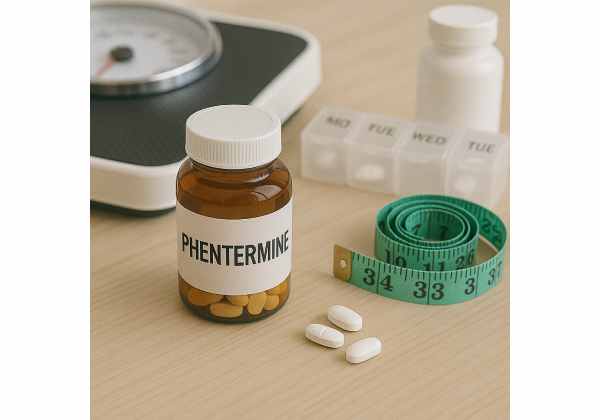
Phentermine is one of the oldest prescription weight loss drugs still in common use. It can reduce appetite and help some people lose weight in the short term, but it is not a casual add-on, a maintenance tool, or a fix for every plateau. It is a stimulant-type medication with clear contraindications, a risk of side effects, and a regulatory history that reflects both its usefulness and its limits.
That makes the real question more specific than “Does phentermine work?” For most people, the more useful questions are who it may suit, how long it is meant to be used, what side effects matter most, when it is unsafe, and when another option is a better fit. This article covers how phentermine works, what results are realistic, the main safety concerns, and which alternatives make more sense for longer-term weight management.
Table of Contents
- What Phentermine Is and How It Works
- Who Phentermine Is For
- How Much Weight Loss to Expect
- Side Effects, Risks and Warnings
- Why Phentermine Is Not a Maintenance Solution
- Alternatives to Phentermine
- Questions to Ask Before Starting
What Phentermine Is and How It Works
Phentermine is a prescription appetite suppressant classified as a sympathomimetic amine. In plain terms, it acts like a stimulant. It increases signaling related to norepinephrine and can reduce hunger, increase alertness, and sometimes make it easier to stick to a calorie deficit for a period of time.
That mechanism helps explain both its appeal and its drawbacks. When it works well, people often notice that food feels less intrusive, portions feel easier to control, and the first phase of a structured weight-loss plan becomes more manageable. When it works poorly, the same stimulant profile can feel like jitteriness, poor sleep, palpitations, irritability, or an unpleasant “amped up” feeling.
A core point that often gets lost in marketing is that phentermine is not meant to replace a full plan. It is approved as a short-term adjunct to calorie restriction, activity, and behavior change. That means the medication is supposed to support the work, not do the work on its own.
It is also important to separate phentermine from phentermine-topiramate. They are related but not the same:
- Phentermine alone is the older medication usually used short term.
- Phentermine-topiramate extended release is a separate combination product designed for chronic weight management in appropriate patients.
- The safety profile, monitoring needs, and long-term role are not identical.
This distinction matters because people often hear “phentermine” and assume all phentermine-containing treatments are interchangeable. They are not. A short-term stimulant appetite suppressant and a chronic weight-management medication that includes phentermine as one component are different clinical decisions.
Phentermine is also a controlled substance, which reflects its stimulant properties and abuse potential. That does not mean it is unsafe for every patient, but it does mean it should be prescribed thoughtfully, monitored carefully, and treated as a real medication rather than a casual weight-loss shortcut.
Who Phentermine Is For
Phentermine is generally considered for adults with obesity, or for adults with overweight plus weight-related risk factors, when lifestyle changes alone have not been enough. In practice, it is most often used when someone needs more help with appetite control during an active fat-loss phase and a clinician believes the stimulant profile is acceptable.
The best candidates usually have a few things in common:
- they have a clear medical reason to pursue weight loss
- they are starting or strengthening a structured eating and activity plan
- they are not pregnant and are not trying to conceive
- they do not have major contraindications
- they understand the drug is a tool, not a permanent fix
The worst candidates are often people who want a fast push without changing much else, or people who already struggle with anxiety, insomnia, stimulant sensitivity, or problematic blood pressure. In those cases, the side effects can outweigh the likely benefit quickly.
Phentermine may be a poor fit or an unsafe choice for people with:
- uncontrolled hypertension
- established cardiovascular disease
- arrhythmias
- hyperthyroidism
- glaucoma
- agitation or severe anxiety
- a history of substance misuse
- recent monoamine oxidase inhibitor use
- pregnancy or breastfeeding
Even when it is prescribed appropriately, success still depends on whether the underlying plan is workable. If daily meals are too restrictive, protein is too low, or hunger rebounds every evening, the medication can seem effective for a few weeks and then feel much less helpful. That is one reason clinicians often pair it with a more realistic nutrition structure rather than an overly aggressive crash approach. For many people, building a sustainable intake pattern and avoiding common diet mistakes that stall weight loss matters more than the drug itself.
It also helps to remember that medication choice should match the phase of treatment. Phentermine is usually better suited to active short-term weight loss than to maintenance, where steadier habits, appetite management, and lower-friction routines often matter more. That is why a clinician may also look at whether the real issue is diet adherence, food noise, or a setup problem that would respond better to high-volume eating tactics than to a stimulant.
How Much Weight Loss to Expect
Phentermine can help, but expectations need to stay realistic. It is not unusual for people to lose meaningful weight over a short treatment period, especially early on when appetite is most effectively reduced and motivation is high. But the average result is not dramatic enough to override a poor plan, and the response varies a lot from person to person.
A useful rule is to judge phentermine by whether it improves adherence, not by whether it creates effortless loss. If someone feels less hungry, finds it easier to stay within calorie targets, and keeps protein and meal structure consistent, the medication may have real value. If weight loss happens only because intake becomes unsustainably low, the apparent success can fall apart quickly once the medication stops.
A few practical realities matter:
- early weight loss is often faster than later weight loss
- appetite suppression can fade with time
- tolerance to the anorectic effect may develop
- the closer you are to goal weight, the smaller the visible impact often becomes
- water retention can still hide progress even when fat loss is occurring
That last point matters for plateau frustration. People sometimes assume phentermine is “not working” after one or two flat weigh-ins, when the real issue is sodium intake, menstrual cycle changes, constipation, or glycogen fluctuation. A smarter approach is to assess trend weight over a couple of weeks, not react to daily noise. This is especially helpful if you already use a daily weigh-in protocol or need to tell whether water and glycogen are masking fat loss.
Phentermine also tends to work best when the basics are already in place. That usually means:
- a clear calorie target or at least a reliable deficit pattern
- enough protein to protect lean mass and satiety
- regular meals or planned meal timing
- sufficient sleep
- some form of consistent movement or training
Without that foundation, the medication can produce a short burst of reduced intake followed by fatigue, rebound hunger, or loss of control later in the day. In other words, the right way to think about phentermine is not “How much weight does the pill cause?” but “How much does the pill help me carry out a plan I could reasonably maintain?”
Side Effects, Risks and Warnings
Phentermine’s safety profile is the main reason it should never be treated as a casual weight-loss aid. Most side effects flow directly from the fact that it is a stimulant-type medication.
Common side effects include:
- dry mouth
- insomnia
- restlessness
- increased heart rate
- palpitations
- headache
- constipation
- irritability or feeling “wired”
Some people also notice that the drug works against the rest of their routine. They may eat less during the day but sleep worse, feel edgy, drink more caffeine to power through the crash, and then overeat later. That is not a good trade.
A more serious concern is that phentermine is not appropriate for people with certain cardiovascular risks or other contraindications. Caution is also important in people with even mildly elevated blood pressure, since stimulant effects can matter more in real life than they seem on paper.
| Issue | Why it matters | Practical takeaway |
|---|---|---|
| Insomnia and overstimulation | Poor sleep can worsen hunger, cravings, and adherence | Late dosing is a bad fit for many people |
| Blood pressure and heart rate effects | Stimulant action may aggravate underlying cardiovascular risk | Not a self-directed option for people with heart concerns |
| Abuse and dependence potential | It is a controlled substance, not a neutral supplement | Use requires clear oversight and limits |
| Pregnancy risk | Weight-loss drugs are not appropriate in pregnancy | Avoid if pregnant, breastfeeding, or trying to conceive |
| Drug interactions | Some combinations can raise risk or worsen side effects | Full medication review matters before starting |
Another practical warning is stimulant stacking. Phentermine plus large amounts of coffee, energy drinks, pre-workout powders, or other “fat burner” products is a common way people turn a manageable medication into an unpleasant one. If caffeine is already a problem, it is worth reviewing caffeine dose and timing before even considering a prescription stimulant.
Finally, pay attention to the rebound problem. Phentermine does not teach appetite regulation by itself. If the medication suppresses hunger but the person never builds better meal structure, sleep habits, and food decisions, stopping it can reveal how fragile the system really was. That is part of why short-term success and long-term success are not the same thing.
Why Phentermine Is Not a Maintenance Solution
This is where phentermine often gets misunderstood. Weight loss is one phase. Weight maintenance is another. A medication intended mainly as a short-term adjunct is not automatically a good answer for the long game.
The reason is not just regulatory language. It is also a mismatch between what maintenance usually requires and what phentermine mainly offers. Maintenance depends on stable routines, satiety, flexible eating patterns, realistic calorie ranges, and behaviors that survive travel, stress, weekends, and life changes. A stimulant that temporarily suppresses appetite does not solve most of that.
This matters even more in the plateau-and-maintenance context. When progress slows, many people look for something stronger. But a true plateau is usually caused by one of the following:
- the calorie deficit has narrowed as body weight dropped
- intake has drifted up
- steps or training output have drifted down
- adherence is weaker than it looks
- water retention is masking progress
- the diet has become too restrictive and rebound eating is creeping in
Phentermine can sometimes make those issues easier to tolerate, but it does not fix them directly. A plateau often responds better to recalculating intake, tightening portions, improving satiety, or addressing fatigue than to adding a stimulant. That is why it often makes sense to review why a calorie deficit shrinks as you lose weight and use a plateau decision tree before assuming medication is the answer.
Maintenance also has a psychological component. Some people start to believe they can stay in control only while medicated. That is not a healthy foundation. A better goal is to use any medication, if prescribed, as a temporary aid while building systems that still work after the prescription changes or ends.
That does not mean phentermine has no place. It means its place is narrower than many people assume. It may help jump-start a structured effort or improve adherence in selected patients, but it is not a standalone maintenance strategy, and it is not the best first explanation for every period of slow progress.
Alternatives to Phentermine
The right alternative depends on the actual problem. If the main issue is hunger, a different medication may fit better. If the main issue is inconsistent eating, weekends, or food environment, a medication may be less important than the setup around it.
Broadly, the alternatives fall into three groups.
1. Non-drug strategies that often solve the real problem
For many people, better structure works before a prescription does:
- higher-protein meals
- better fiber and food volume
- more consistent meal timing
- less liquid calorie intake
- improved sleep and stress control
- step count and daily movement targets
A good example is shifting meals toward more filling, lower-energy-density foods and using a more deliberate calorie deficit eating pattern. If hunger is the problem, meals built around protein, fiber, and volume often outperform the vague advice to “eat less.”
2. Other prescription medications
Depending on location, eligibility, cost, and medical history, clinicians may consider other anti-obesity medications. These can include:
- phentermine-topiramate extended release
- naltrexone-bupropion
- orlistat
- GLP-1 based medications such as semaglutide
- dual GIP and GLP-1 treatment such as tirzepatide in appropriate settings
These options differ a lot in effectiveness, side effects, contraindications, monitoring needs, and cost. In general, longer-term obesity care often leans toward treatments designed for chronic use rather than a short-term stimulant. That is one reason some patients are better served by learning how weight loss medications are used in practice or comparing options such as GLP-1 medications rather than focusing only on phentermine.
3. Combination treatment with realistic expectations
Some people do best with medication plus coaching, meal planning, strength training, and clearer tracking. The point is not to create a complicated plan. The point is to match the tool to the barrier. A person whose main barrier is strong biological hunger may need a different medical strategy than a person whose main barrier is late-night snacking, stress eating, or a collapsing weekend routine.
The best alternative is the one that actually addresses why progress is hard.
Questions to Ask Before Starting
Before starting phentermine, it helps to step back from the excitement of “finally getting something stronger” and ask whether it truly fits the situation.
A useful pre-start checklist looks like this:
- What is the real goal?
Is this for a short active fat-loss phase, or are you hoping it will fix long-term maintenance? - What has already been tried?
Have calories, protein, food volume, sleep, steps, and consistency actually been addressed? - Are there red flags?
Blood pressure, heart history, insomnia, anxiety, pregnancy plans, glaucoma, hyperthyroidism, and medication interactions all matter. - What will success be measured by?
A better target is improved adherence and a meaningful weight-loss trend, not just appetite suppression on day three. - What is the exit plan?
If the medication helps, what habits will remain when the course ends or the dose changes? - Would a different approach fit better?
In some cases, another medication, a more sustainable nutrition setup, or a maintenance-focused strategy is the smarter next step.
These questions matter because phentermine can look deceptively simple. It is an old, familiar drug, and that can make it seem lower stakes than it really is. But the decision is still about balancing benefit, tolerability, and fit.
The most useful mindset is cautious and practical. If phentermine is prescribed, use that window to build behaviors that reduce the odds of rebound: regular meals, enough protein, easier food decisions, better sleep, and realistic expectations about how fast progress should move. If it is not a good fit, that is not a failure. It often means the clinician is trying to match the treatment to the biology and the stage of care rather than forcing a short-term tool into a long-term problem.
References
- Adipex-p (phentermine hydrochloride) capsules label 2012 (Prescribing Information)
- Phentermine in the Modern Era of Obesity Pharmacotherapy: Does It Still Have a Role in Treatment? 2024 (Review)
- AGA Clinical Practice Guideline on Pharmacological Interventions for Adults With Obesity 2022 (Guideline)
- Pharmacotherapy for adults with overweight and obesity: a systematic review and network meta-analysis of randomised controlled trials 2024 (Systematic Review and Network Meta-Analysis)
Disclaimer
This article is for general educational purposes only. Phentermine is a prescription stimulant medication with important contraindications, side effects, and monitoring needs, so it is not a substitute for personal medical advice, diagnosis, or treatment. Decisions about starting, stopping, or switching weight-loss medication should be made with a qualified clinician who knows your health history and current medications.
If this article helped you, please share it on Facebook, X, or your preferred platform so others can make more informed decisions about phentermine and other weight-loss options.