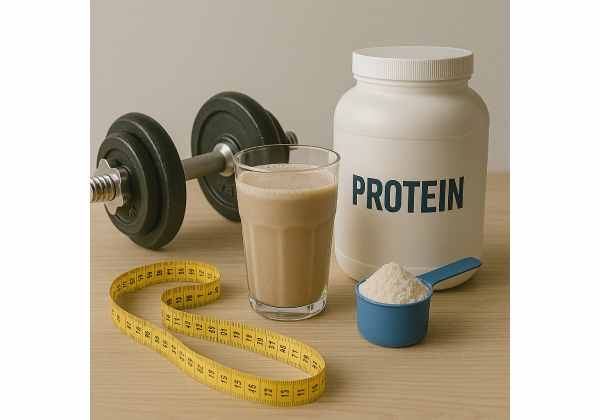
Protein shakes can be useful for weight loss, but they are easy to misunderstand. They do not cause fat loss simply because they contain protein, and they are not automatically “healthy” just because they come in a shaker bottle. Their real value is more practical: they can help you hit a higher protein target, stay fuller on fewer calories, protect muscle during a calorie deficit, and replace a less filling meal or snack when life gets busy.
That said, a protein shake can also slow progress if it becomes an extra calorie source instead of a smart swap. The details matter: the type of protein, the calories, the timing, the serving size, and how it fits into the rest of your day. This article explains which protein shakes are most useful for weight loss, when to drink them, how much protein to aim for, and how to avoid the common mistakes that turn a helpful tool into a plateau problem.
Table of Contents
- How protein shakes help with weight loss
- Best types of protein shakes
- When to drink protein shakes
- How much protein you actually need
- How to choose a shake that helps
- Common protein shake mistakes
- Who benefits most and who should be careful
How protein shakes help with weight loss
Protein shakes help with weight loss indirectly, not magically. They work best when they solve a real problem in your routine.
The main reasons they can help are straightforward. Protein tends to be more filling than carbohydrate or fat, it has a higher thermic effect of food, and higher-protein diets often make it easier to preserve lean mass during a calorie deficit. That matters because a fat-loss phase usually goes better when hunger is manageable and muscle loss is minimized.
In real life, protein shakes are most helpful when they do one of these jobs well:
- replace a breakfast that would otherwise be skipped
- replace a high-calorie snack that is not very filling
- add protein to a low-protein day
- support recovery after training when a full meal is not practical
- help maintain intake consistency during busy or stressful weeks
What they do not do well is override the rest of the diet. If someone adds a 250-calorie shake on top of an already adequate intake, the shake may improve protein intake but still slow weight loss. That is the central mistake: treating a shake as a fat-burning bonus rather than part of the day’s calorie and protein plan.
Another useful distinction is between a protein shake and a meal replacement. A protein shake is usually meant to supply protein with relatively few extras. A meal replacement is designed to stand in for a whole meal and usually includes more calories, carbohydrates, fat, vitamins, and minerals. For weight loss, the right choice depends on the job. Someone who needs a low-calorie protein boost may do better with a basic shake. Someone replacing lunch may need something closer to a structured meal replacement shake.
The bigger point is that shakes are tools for adherence. They are most valuable when they make the rest of the plan easier to follow. If they improve consistency, reduce impulsive eating, and help you hit protein targets without overshooting calories, they can be very useful. If they simply add more liquid calories to the day, they are not helping.
Best types of protein shakes
The best protein shake for weight loss is usually not the fanciest one. It is the one that gives you enough high-quality protein for relatively few calories, digests well, and fits your preferences closely enough that you will actually use it consistently.
| Type | Main strengths | Potential downsides | Best fit |
|---|---|---|---|
| Whey protein | High-quality protein, rich in leucine, widely studied, usually mixes well | May bother people with lactose sensitivity depending on the product | Most people who tolerate dairy |
| Whey isolate | Higher protein percentage, less lactose, often lower in carbs and fat | Usually more expensive | People wanting a leaner dairy-based option |
| Casein | Slower digestion, often more filling | Texture can be thicker and chalkier | People who want longer-lasting fullness |
| Soy protein | Complete plant protein, strong evidence base among plant options | Some people dislike the taste | Dairy-free users wanting a complete protein |
| Pea or pea-rice blends | Plant-based, often well tolerated, good for dairy-free diets | Texture and flavor vary a lot by brand | Vegan or dairy-free users |
| Collagen drinks | Easy to mix, often well tolerated | Not an ideal stand-alone protein for muscle support | Better as an add-on than a main weight-loss shake |
For most people, whey is the default best choice because it is convenient, high quality, and well studied. Whey isolate can be especially useful for weight loss because it often provides 25 to 30 grams of protein with relatively low calories. If dairy does not sit well, soy and well-formulated pea blends can work well too. Plant-based options are no longer automatically second-tier, but they vary more in taste and texture.
Casein deserves special mention because its slower digestion can make it feel more filling for some people. That can be helpful if the main goal is appetite control rather than convenience after exercise.
What matters most is not just the protein type, but the whole product profile. A shake with 25 grams of protein and 140 calories is a very different tool from one with 25 grams of protein and 350 calories from added sugar, nut butter powder, and oils.
A useful shortcut is to start with products similar in structure to the ones used in better high-protein eating plans: lean on protein, moderate in calories, and not overloaded with extras. That same logic shows up in guides to high-protein, low-calorie meals and high-protein foods, which is why the most effective shakes often look simple rather than flashy.
When to drink protein shakes
Timing matters less than many supplement ads suggest, but it still matters in a practical sense. The best time to drink a protein shake is usually the time that helps you control appetite, hit your daily protein target, and stay consistent.
For weight loss, the most useful timings are usually these:
1. Breakfast
A protein shake can work very well at breakfast when mornings are rushed or when breakfast is usually low in protein. This is especially helpful for people who otherwise grab pastry, cereal, or coffee alone and then feel hungrier by late morning. A shake at breakfast is not mandatory, but it can improve fullness and make the day easier to manage.
2. After training
Post-workout is one of the most convenient times to use a shake, mainly because it is easy. The benefit is less about an ultra-precise “anabolic window” and more about helping you get protein in soon after exercise when a full meal is inconvenient. That can be especially helpful during a calorie deficit when you are trying to preserve muscle. If you train regularly, a shake can be a practical bridge before your next meal, or you can switch to a full-food option from a post-workout meal guide when that is more satisfying.
3. Between meals, but only with a purpose
This is where people often get into trouble. A shake between meals is useful only when it replaces something worse or prevents a predictable overeating problem later. If it is just an extra drink because the label says “metabolism,” it is probably not helping.
4. Before bed in some cases
Casein or another protein-rich option before bed can make sense for people who train late, struggle to hit protein goals, or tend to raid the kitchen at night. But it is not automatically better for fat loss. It only helps if it fits the day’s calories and reduces the odds of impulsive evening eating.
The main takeaway is simple: protein timing is less about perfection and more about usefulness. If a shake helps you front-load protein, recover from training, or avoid a high-calorie snack, that timing is probably doing its job.
How much protein you actually need
This is where most people need clarity. The right amount is not just “more protein.” It depends on body size, activity, age, total calorie intake, and whether you are trying to lose fat while keeping muscle.
For general health, the basic protein recommendation is lower than what many people do best with during active weight loss. During a calorie deficit, a more practical target is often around 1.2 to 1.6 grams of protein per kilogram of body weight per day, with some active people, lifters, or older adults using 1.6 to 2.0 grams per kilogram depending on the situation.
That does not mean everyone needs huge shakes. It means the day as a whole should provide enough protein to support satiety and lean mass retention.
How much per shake?
For most adults, a shake with 20 to 40 grams of protein is the useful range. The lower end often works well for a snack or post-workout add-on. The higher end makes more sense when the shake replaces a meal, when appetite is high, or when someone is larger, older, or trying to hit a higher daily target.
A good practical rule looks like this:
- 20 to 25 grams for a lighter snack or smaller person
- 25 to 30 grams for a typical post-workout or breakfast shake
- 30 to 40 grams when using the shake as a more substantial meal component or when protein needs are higher
That is why one scoop is not always enough and two scoops are not always necessary.
How many shakes per day?
Usually zero to two. Many people do well with one per day. Two can make sense when life is busy, appetite is low, or whole-food intake is inconsistent. More than that often becomes a sign that the shake is replacing too much normal eating.
A better long-term plan is to let shakes fill gaps, not dominate the diet. Whole foods still tend to win for fullness, chewing satisfaction, and overall diet quality. A shake is best used to support the rest of the plan, not replace all of it.
If you are unsure where your total should land, it helps to start with a clear framework from protein intake for weight loss and then think about how much protein you want at each eating occasion. Many people find that using a target similar to a per-meal protein approach makes shakes easier to use strategically instead of randomly.
How to choose a shake that helps
A good weight-loss shake is usually boring in the best way. It is high enough in protein, moderate in calories, low in unnecessary extras, and easy to digest.
When comparing products, these features matter most:
- Protein per serving: usually at least 20 grams
- Calories: often around 100 to 200 for a basic protein shake, more for a true meal replacement
- Sugar: lower is usually better unless the shake is deliberately built as a meal replacement
- Fiber: useful, but not required, especially for meal-replacement style shakes
- Ingredient simplicity: fewer gimmicks, fewer surprise calories
- Digestive tolerance: the best formula on paper is useless if it bloats you
A practical label-reading rule is to look at the protein-to-calorie ratio before anything else. A shake with 25 grams of protein and 140 calories is usually easier to fit into a deficit than one with 25 grams of protein and 280 calories. That second type is not necessarily bad, but it belongs in a different role.
Ready-to-drink versus powder
Ready-to-drink shakes are convenient and portable. Powders are usually cheaper and easier to customize. Neither is automatically better for weight loss. The best option is the one you will use consistently without accidentally turning it into a 500-calorie smoothie.
That is an underrated issue. Many homemade shakes become too calorie-dense because they include protein powder plus milk, nut butter, oats, banana, honey, seeds, and extras that all make sense individually but pile up quickly. That can be fine for someone intentionally building a meal, but not for someone expecting a low-calorie protein shake.
A useful test is this: could you build a similar meal more satisfyingly with food? Sometimes the answer is yes, and a simple high-protein plate is the better choice. That is why people often benefit from a plan that mixes shakes with normal meals built around the same principles found in a high-protein plate formula.
Common protein shake mistakes
Most problems with protein shakes are not about the protein itself. They come from how the shake is used.
Using a shake as an add-on instead of a replacement
This is the biggest mistake. If the shake adds 200 calories to the day without replacing anything, it may improve protein intake while still shrinking the deficit.
Choosing a shake that is basically a dessert
Some shakes are closer to milkshakes than weight-loss tools. They may have decent protein, but they also bring lots of calories from added sugars, creamers, oils, or mix-ins. That is not automatically bad, but it changes the job the shake is doing.
Expecting the shake to fix a low-protein, low-structure diet
A shake can help close one gap. It cannot rescue a day built around low-satiety foods, skipped meals, and mindless snacking.
Ignoring liquid-calorie psychology
Liquid calories are often less satisfying than solid food. Some people feel full after a shake; others do not. If a shake leaves you hungry 45 minutes later, it may not be the right tool for that time of day.
Not counting what is mixed into it
The protein powder may be 120 calories, but the final drink can easily reach 350 or more once milk, peanut butter, fruit, and extras are added.
Over-relying on them during a plateau
When progress slows, it is tempting to tighten control with more “diet foods.” But sometimes a plateau is not a protein-shake problem at all. It is a tracking issue, a weekend-calorie issue, or a routine issue. If shakes are already in the plan and fat loss has stalled, it may be more helpful to revisit the diet mistakes that stall weight loss or look at whether you are unintentionally underreporting calories.
Who benefits most and who should be careful
Protein shakes are not necessary for everyone. Many people can hit their protein target easily with food and do not need them at all. But some groups tend to benefit more than others.
They are often most useful for:
- busy people who skip meals
- people who struggle to reach protein targets with food alone
- exercisers trying to preserve muscle during fat loss
- people who do better with structured, repeatable meals
- those who want a fast breakfast that is better than grabbing random food
They are less useful for:
- people who already eat enough protein from meals
- those who stay fuller with solid food than liquids
- anyone using them because of marketing rather than a clear need
Who should use caution
A few situations deserve extra thought:
- Kidney disease or reduced kidney function: ask a clinician before deliberately increasing protein intake
- Lactose intolerance: whey concentrate may cause symptoms, while isolate or plant-based options may work better
- Digestive sensitivity: sugar alcohols, gums, and some sweeteners can cause bloating or loose stools
- Teens: regular use should be based on food quality and actual need, not supplement marketing
- People with a history of binge-restrict cycles: shakes can help with structure, but they can also become part of overly rigid eating if used poorly
The best long-term mindset is to think of protein shakes as optional support. They are not a requirement for fat loss. They are one way to make a high-protein diet easier to follow. For some people, that makes them genuinely useful. For others, food-first eating works better.
The deciding question is simple: does this shake improve your adherence, fullness, and protein intake without pushing calories up unnecessarily? If yes, it can be a very good tool. If not, it is just expensive powdered optimism.
References
- Are Dietary Proteins the Key to Successful Body Weight Management? A Systematic Review and Meta-Analysis of Studies Assessing Body Weight Outcomes after Interventions with Increased Dietary Protein 2021 (Systematic Review)
- Effect of whey protein supplementation on weight and body composition indicators: A meta-analysis of randomized clinical trials 2022 (Meta-Analysis)
- Effects of Timing and Types of Protein Supplementation on Improving Muscle Mass, Strength, and Physical Performance in Adults Undergoing Resistance Training: A Network Meta-Analysis 2023 (Network Meta-Analysis)
- Effects of Varying Protein Amounts and Types on Diet-Induced Thermogenesis: A Systematic Review and Meta-Analysis 2024 (Systematic Review)
- Efficacy of Meal Replacement Products on Weight and Glycolipid Metabolism Management: A 90-Day Randomized Controlled Trial in Adults with Obesity 2024 (RCT)
Disclaimer
This article is for general educational purposes only and is not a substitute for medical advice, diagnosis, or treatment. If you have kidney disease, digestive disorders, food allergies, or a medical condition that affects your nutrition needs, speak with a qualified clinician or dietitian before using protein shakes regularly.
If you found this article helpful, consider sharing it on Facebook, X, or your preferred platform.