
Alzheimer’s Disease Overview: Early Signs, Causes, and Risks

Alzheimer’s disease is a progressive brain disease that gradually damages memory, thinking, behavior, and the ability to manage daily life. It is the most...
Akathisia Symptoms, Signs, Causes, Risk Factors, and Complications

Akathisia is a distressing movement-related condition in which a person feels driven to move and finds it difficult, sometimes nearly impossible, to remain still....
Affective psychosis Symptoms and Signs During Severe Mood Episodes

Affective psychosis is a form of psychosis that occurs together with a major disturbance in mood, such as severe depression, mania, or a mixed...
Aesthetic syndrome Symptoms, Causes, Diagnosis Context, and Complications

Aesthetic syndrome is most often used to describe a rare, debated clinical phenomenon better known as Stendhal syndrome or Florence syndrome. It refers to...
Adolescent-Onset Schizophrenia Symptoms, Signs, Causes, and Risk Factors

Adolescent-onset schizophrenia is a serious psychiatric condition in which psychotic symptoms begin during the teenage years, before adulthood. It is uncommon, but when it...
Adjustment Disorder Overview: Symptoms, Causes, Diagnosis, and Effects

Adjustment disorder is a stress-related mental health condition that can develop when a life event or ongoing problem overwhelms a person’s usual ability to...
Acute Stress Disorder Symptoms, Signs, Causes, and Complications

Acute stress disorder is a short-term trauma-related mental health condition that can develop in the first month after a terrifying or life-threatening event. It...
Acute psychosis: Signs, Symptoms, Causes, and When It Is Urgent

Acute psychosis is a sudden or rapidly developing state in which a person has difficulty distinguishing what is real from what is not. It...
Acute mania Symptoms, Signs, Causes, Risk Factors, and Complications

Acute mania is a severe change in mood, energy, thinking, and behavior that can move far beyond ordinary happiness, confidence, or productivity. It often...
Zinc: Heart Health, Blood Pressure & Cholesterol Benefits, Optimal Dosage & Safety Guide
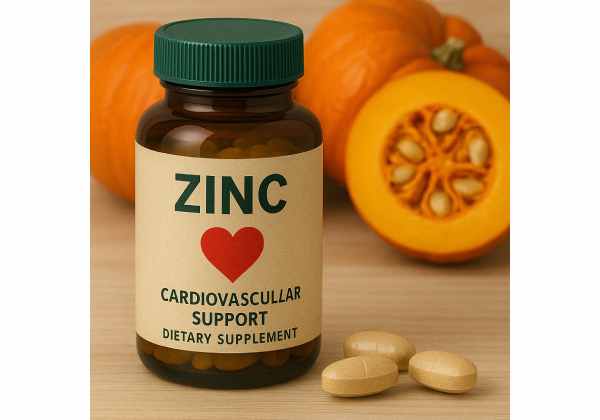
Tiny yet mighty, zinc commands more than 300 enzymes and 2,500 transcription factors that keep the human heart beating with precision. Adequate intake stabilizes...
White Mulberry: Heart‑Health, Blood Sugar & Cholesterol Benefits + Optimal Dosage Guide
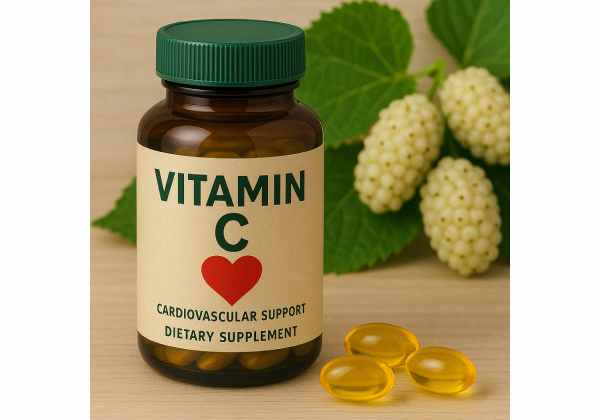
For centuries, traditional healers from China to the Mediterranean have turned to white mulberry (Morus alba) leaves, fruit, and bark to calm the pulse, balance blood...
Vitamin K2 (MK‑7 & MK‑4): Heart Health Benefits, Arterial Calcification Defense & Optimal Dosage Guide
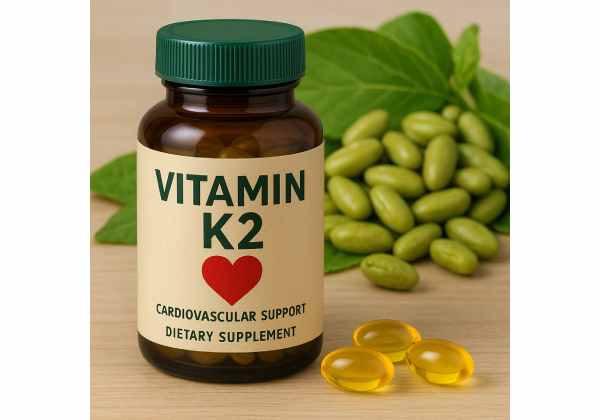
Although once overshadowed by its blood‑clotting cousin vitamin K1, vitamin K2 has emerged as a powerful orchestrator of cardiovascular resilience. Acting as the molecular “traffic director”...
Vitamin E (Tocopherols & Tocotrienols): Cardiovascular Benefits, Optimal Dosage & Safety Guide
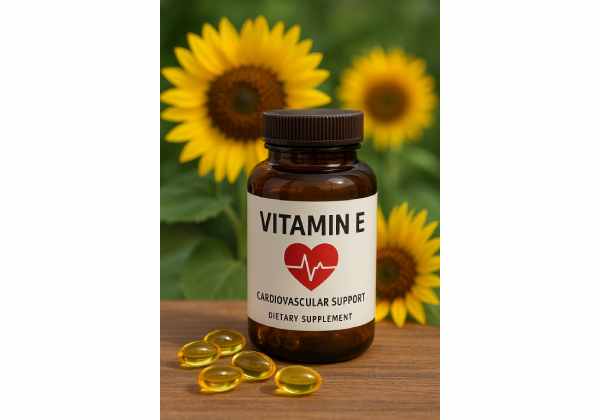
Often called “nature’s lipid‑phase bodyguard,” vitamin E safeguards every cell membrane, lipoprotein particle, and fatty acid deposit that powers the human heart. Modern cardiology now...
Vitamin D: Heart Health Benefits, Optimal Dosage & Safety Guide
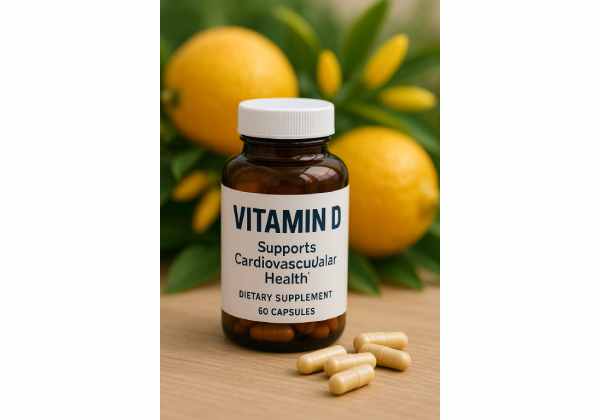
Sunshine’s signature nutrient has quietly stepped into the cardiovascular spotlight. Once prized only for fortifying bones, vitamin D is now recognized as a hormonal powerhouse...
Vitamin C Benefits for Heart Health: Reducing Blood Pressure and Enhancing Vascular Function
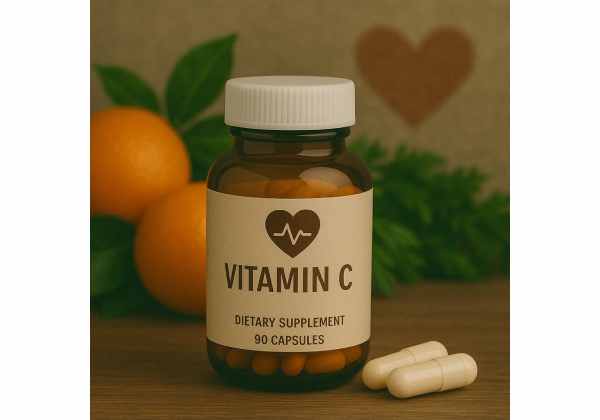
Vitamin C—more formally known as ascorbic acid—has traveled an extraordinary arc: from a lifesaving cure for sailors’ scurvy to a frontline nutrient in modern cardiology...
Vitamin B12: Cardiovascular Protection, Homocysteine Detox & Optimal Dosage Guide
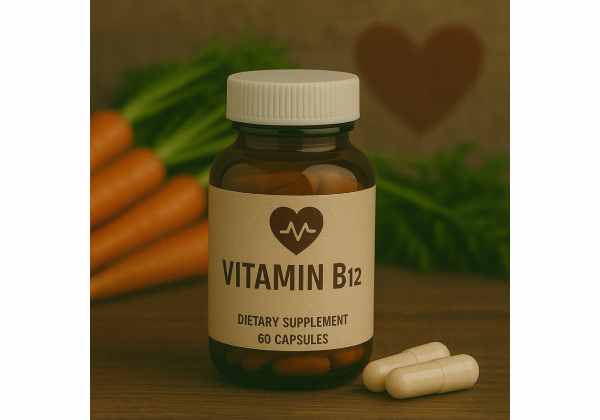
Vitamin B12—scientifically known as cobalamin—is the only micronutrient that shelters a precious cobalt atom inside a corrin ring, and that atomic centerpiece orchestrates dozens of...
Vitamin B9 Supports Cardiovascular Health: Reducing Blood Pressure and Promoting Arterial Flexibility
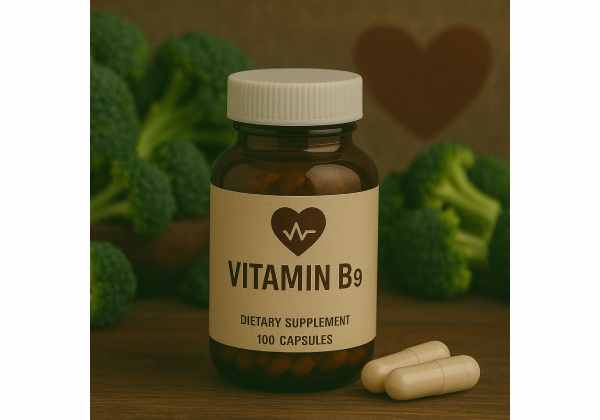
Folate—collectively known as vitamin B9—fuels the one‑carbon reactions that write and repair your DNA, detoxify homocysteine, and generate cell‑energizing ATP. Yet modern diets, common medications,...
Vitamin B6 Prevents Heart and Vascular Disorders: A Natural Approach to Atherosclerosis Defense
Vitamin B6—an umbrella term for pyridoxine, pyridoxal, and pyridoxamine—works quietly behind the scenes of nearly every metabolic reaction tied to cardiovascular vitality. Acting as the...
Vitamin B3 Supplementation for Arterial Flexibility and Vascular Aging
Vitamin B3—better known as niacin and present in two main supplemental forms, nicotinic acid and nicotinamide—sits at the crossroads of metabolism and vascular wellness. By...
Vitamin B1: A Powerful Nutrient for Cardiac Energy and Endurance
Vitamin B1—better known as thiamine—is the molecular spark plug that ignites every heartbeat. Acting as an irreplaceable co‑enzyme in carbohydrate metabolism and nerve signaling, thiamine...