
Five-Leaved Chaste Tree (Vitex negundo) for Inflammation, Cough, Skin Support, and Safe Use
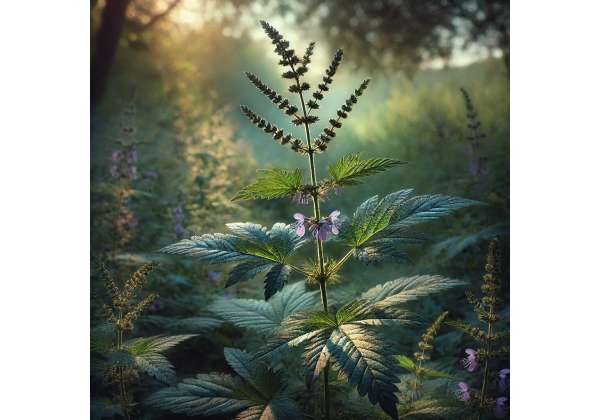
Five-leaved chaste tree, botanically known as Vitex negundo, is an aromatic shrub used across Ayurveda, Siddha, Unani, and several Southeast Asian folk traditions. Its...
Five Flavor Berry Benefits for Energy, Focus, and Recovery

Five flavor berry, the fruit of Schisandra chinensis, is one of the best-known tonic berries in East Asian herbal traditions. It is also called...
Fitweed (Eryngium foetidum) Medicinal Properties, Uses, and Safety Review

Fitweed, botanically known as Eryngium foetidum, is a tropical herb better known in many kitchens as culantro, long coriander, or sawtooth coriander. It is...
Fish Mint (Houttuynia cordata) Uses for Inflammation, Lungs, Skin, and Safety
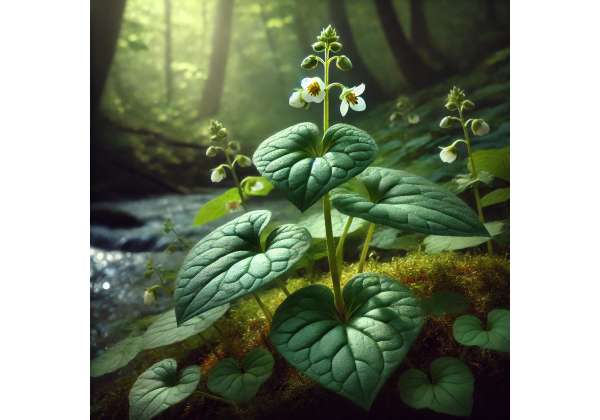
Fish mint, Houttuynia cordata, is one of the more unusual medicinal plants in common use today. It is eaten as a pungent leafy vegetable...
Finocchio for Digestion, Bloating, and Menstrual Cramps
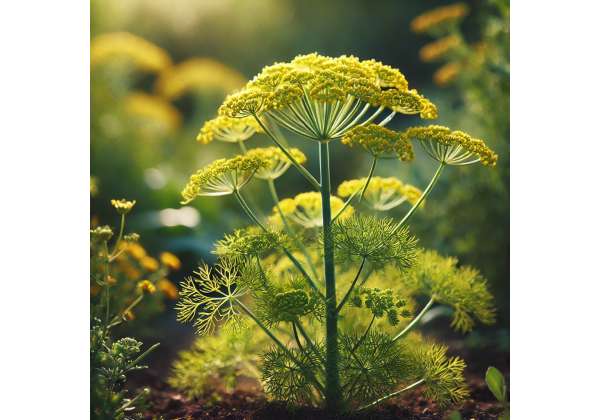
Finocchio, better known in English as fennel, is one of those herbs that sits comfortably between kitchen and clinic. Its crisp bulb is a...
Fingerroot for digestion support, inflammation relief, and safe daily dosing

Fingerroot is a slender, aromatic rhizome from the ginger family that is widely used in Thai, Indonesian, Malaysian, and other Southeast Asian cuisines. Botanically...
Filipendula (Filipendula ulmaria) for Joint Comfort, Digestion, Colds, and Safe Use
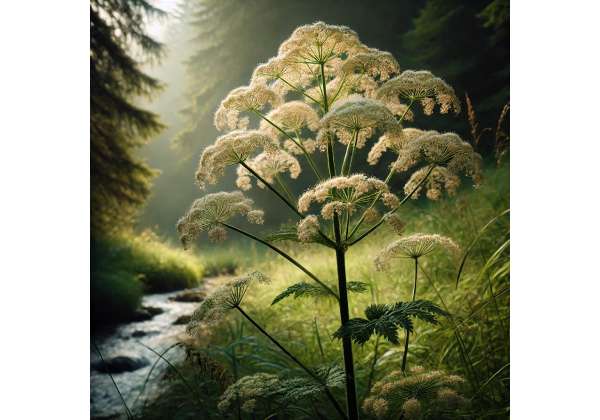
Filipendula ulmaria, better known in many herbal traditions as meadowsweet, is a fragrant flowering plant in the rose family with a long history of...
Figwort Root and Herb Top Uses, Key Ingredients, and Safety
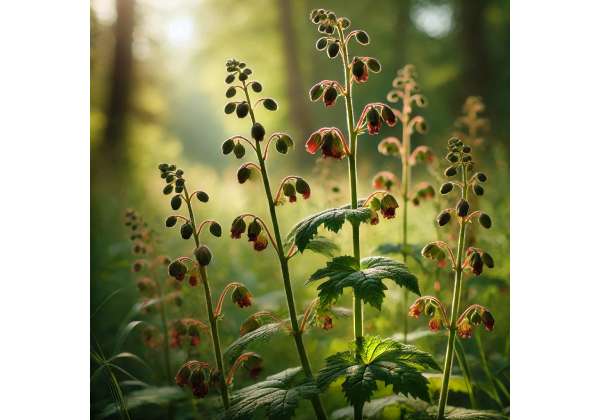
Figwort, or Scrophularia nodosa, is a long-used European herb best known in traditional herbal medicine for chronic skin complaints, itching, mild constipation, and what...
Field Poppy (Papaver rhoeas) Benefits for Cough, Sleep Support, and Safety

Field poppy, or Papaver rhoeas, is the bright red wild poppy long associated with open meadows, grain fields, and traditional herbal practice across Europe,...
Field Mint (Mentha arvensis) for Digestion, Cooling Relief, and Safety

Field mint, Mentha arvensis, is a fragrant member of the mint family best known for its cooling scent, digestive tradition, and role as a...
Field Horsetail (Equisetum arvense) for Urinary Health, Skin Support, and Safe Use
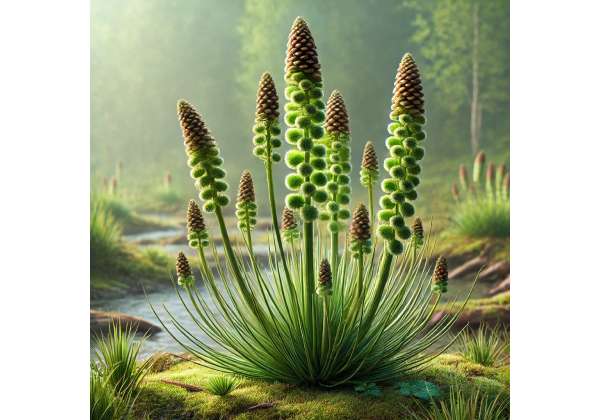
Field horsetail, or Equisetum arvense, is one of the oldest surviving plant lineages on earth, yet its modern appeal is surprisingly practical. This fern-like...
Field Garlic (Allium oleraceum) Benefits for Digestion, Heart Health, and Safety
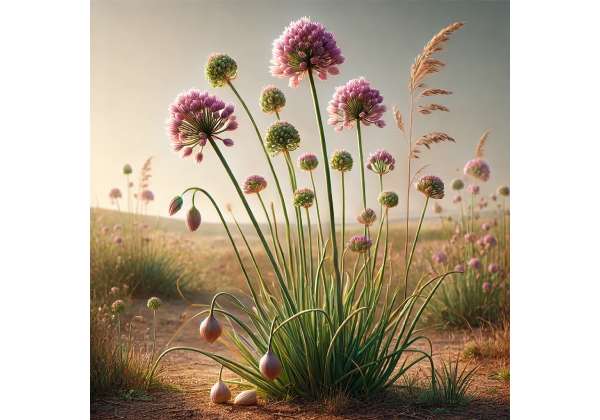
Field garlic, Allium oleraceum, is a wild, bulb-forming member of the onion and garlic family that has long been valued more as a seasonal...
Feverfew Health Benefits, Migraine Relief, Dosage, and Risks
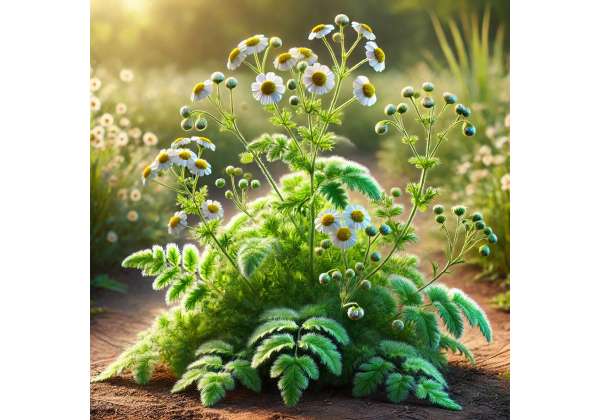
Feverfew is a small daisy-like herb in the Asteraceae family that has been used for centuries in European herbal medicine. Today, it is best...
Fever Root Medicinal Properties, Traditional Uses, and Side Effects

Fever Root, botanically known as Triosteum perfoliatum, is a traditional North American medicinal plant with a much older reputation than modern evidence base. Historical...
Fever Grass for digestion, relaxation, sleep support, and safe dosing
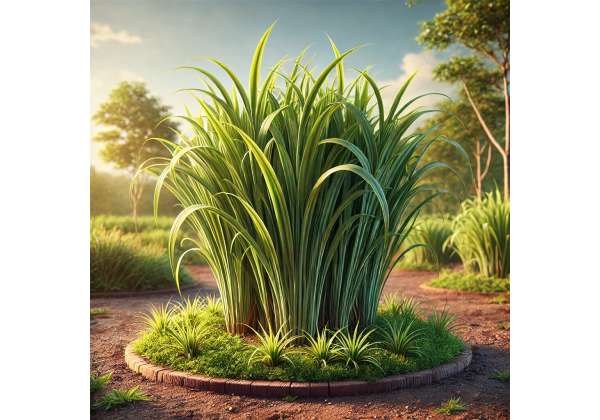
Fever grass, better known internationally as lemongrass, is the fragrant leaf of Cymbopogon citratus, a tropical grass used both as a culinary herb and...
Ferula (Ferula communis) Key Ingredients, Traditional Uses, and Risks
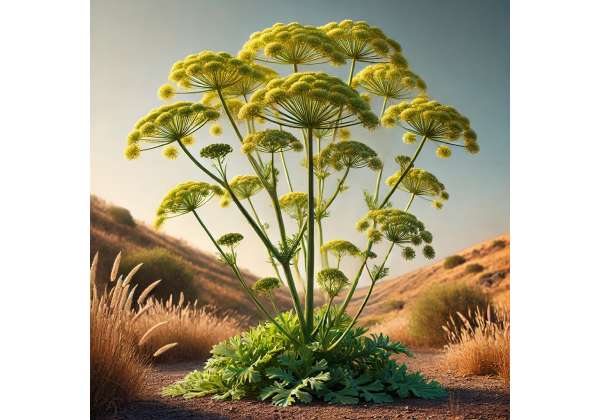
Ferula, more precisely Ferula communis, is a tall Mediterranean plant in the carrot family that is often called giant fennel. It has a long...
Fenugreek (Trigonella foenum-graecum) for Blood Sugar, Digestion, Cholesterol, and Safe Use
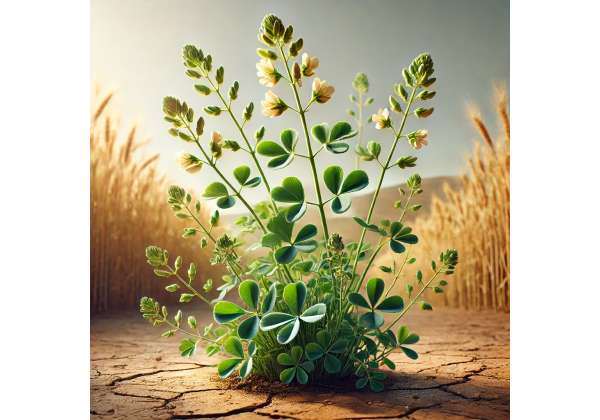
Fenugreek is a fragrant culinary and medicinal herb whose seeds and leaves have been used for centuries across the Mediterranean, North Africa, the Middle...
Fennel for gas and indigestion, tea recipe, dosage guide, and precautions
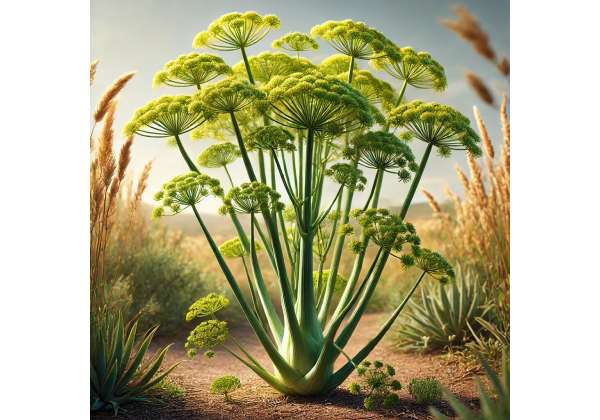
Fennel, Foeniculum vulgare, is one of those herbs that comfortably bridges the kitchen and the medicine cabinet. Its feathery leaves, crisp bulb, and fragrant...
Felon Herb Health Benefits, Key Ingridients, Medicinal Properties, Uses, Dosage, and Safety
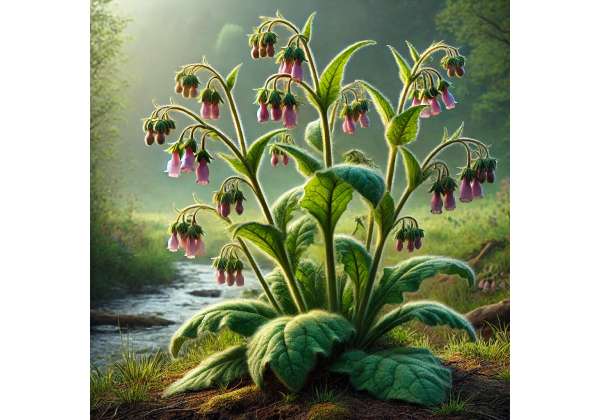
Felon herb, better known today as comfrey, is a traditional European medicinal plant whose roots and leaves have long been used for bruises, sprains,...
Fang Feng, benefits for colds, allergies, pain relief, and Side Effects

Fang Feng, the dried root of Saposhnikovia divaricata, is a long-used East Asian medicinal herb best known for its role in traditional formulas for...