
False Unicorn Fertility Support, Menstrual Uses, and Safety
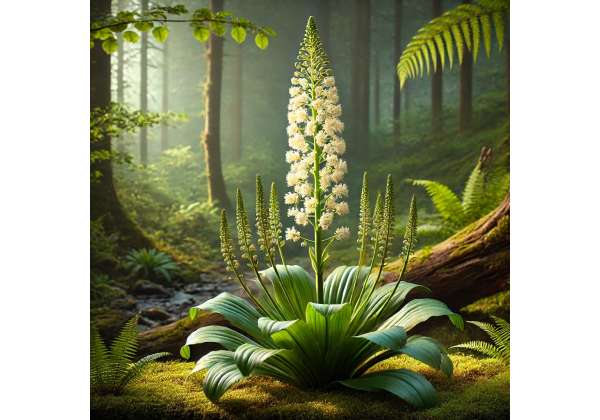
False unicorn, the common name for Chamaelirium luteum, is a woodland herb native to eastern North America and best known for its long history...
False Heather (Cuphea hyssopifolia) Medicinal Properties, Uses, and Safety Review
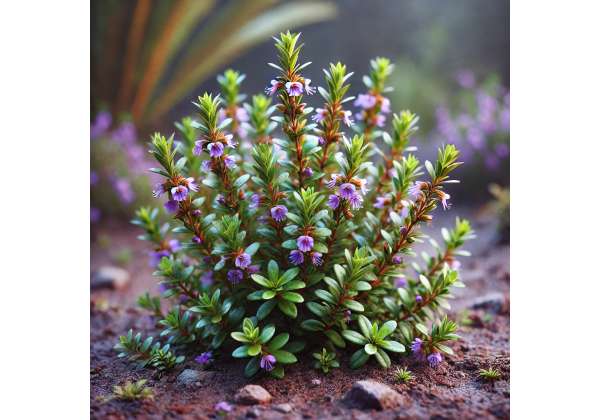
False heather, botanically known as Cuphea hyssopifolia, is a small flowering shrub best known as an ornamental plant, especially in warm gardens and containers....
False Gromwell (Lithospermum officinale) Health Benefits, Medicinal Properties, Safety, Dosage, and Research
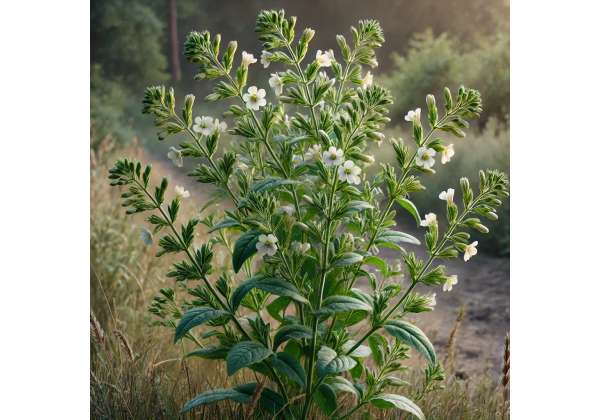
False gromwell, botanically known as Lithospermum officinale, is a traditional Boraginaceae herb with a long but very uneven medicinal record. It has been used...
False Cardamom (Alpinia mutica) Uses, Key Ingredients, Research, Dosage, and Safety
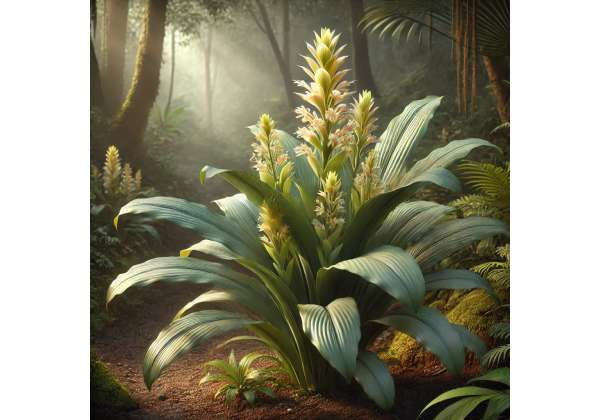
False cardamom, Alpinia mutica, is an aromatic member of the ginger family that is valued more in regional traditional practice and botanical circles than...
False Ashoka Medicinal Uses, Key Ingredients, Benefits, and Safety Guide

False Ashoka, botanically known as Monoon longifolium and often listed in older research as Polyalthia longifolia, is an evergreen tree best known as an...
False Aloe (Manfreda virginica) Benefits for Digestion, Traditional Uses, and Risks
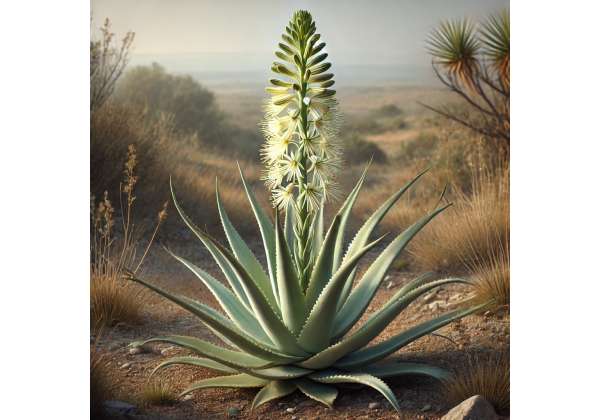
False aloe, usually identified botanically as Manfreda virginica, is a North American perennial that looks somewhat like aloe but belongs to the agave group...
False Acacia Medicinal Properties, Flower Uses, and Safety
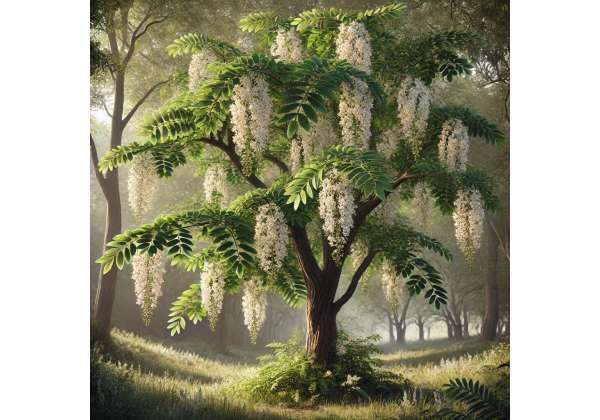
False acacia, better known botanically as Robinia pseudoacacia and commonly called black locust, is a fragrant flowering tree with a complicated herbal reputation. Its...
Fairy Wand Uses for Hormonal Balance, Fertility, and Dosage
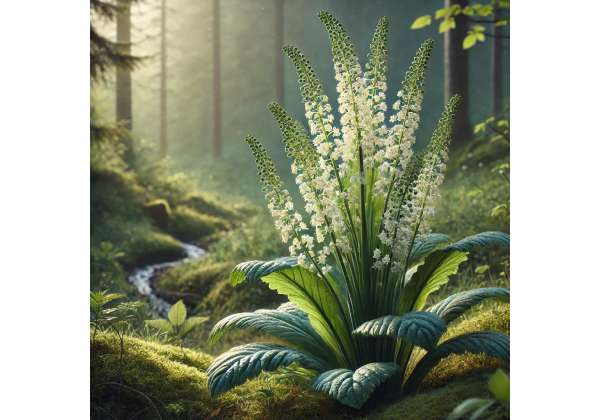
Fairy wand, better known in herbal medicine as false unicorn root, is a North American woodland plant whose root has long been used in...
Eyebright (Euphrasia officinalis): Eye Benefits, Herbal Uses, Key Compounds, and Side Effects
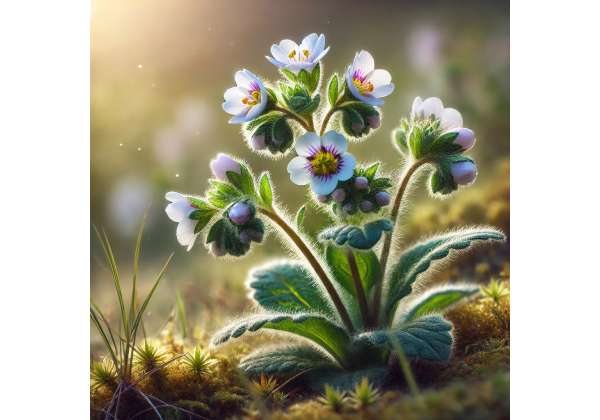
Eyebright, Euphrasia officinalis, is a small flowering herb long associated with eye comfort, watery irritation, seasonal congestion, and excess mucus. For centuries, European herbal...
Evolvulus Uses for Memory, Stress Support, Dosage, and Side Effects
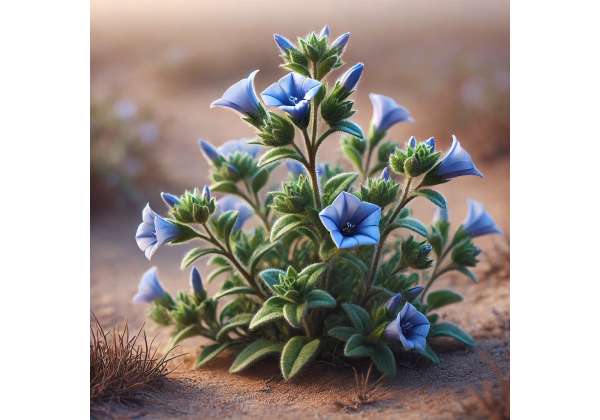
Evolvulus alsinoides is a small creeping herb from the morning glory family that has earned a much larger place in traditional medicine than its...
Evodia Benefits, Uses, Digestive Support, and Safety Guide
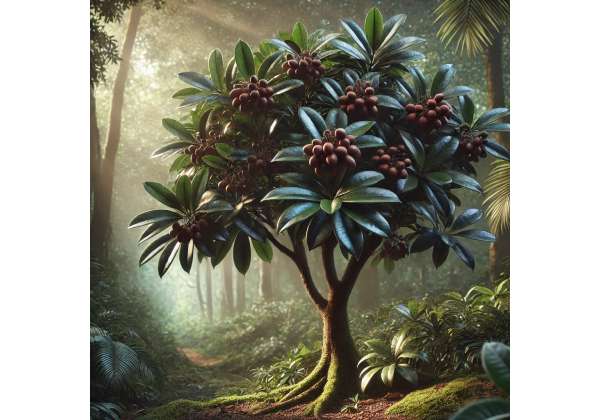
Evodia, best known in traditional East Asian medicine as Wu Zhu Yu, is the dried nearly ripe fruit of Evodia rutaecarpa, a plant now...
Everlasting Flower Topical Benefits, Medicinal Uses, and Dosage Guide
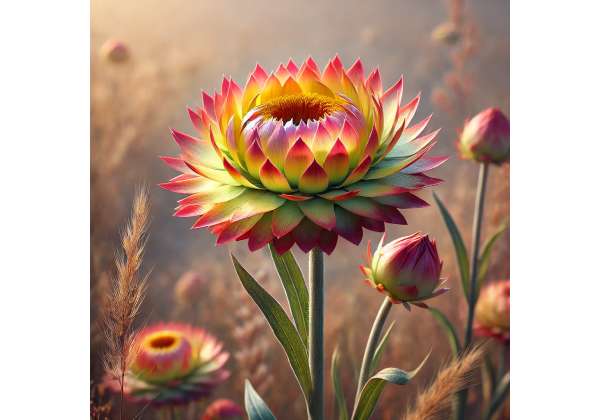
Everlasting flower, Xerochrysum bracteatum, is best known for its papery, long-lasting blooms, but its appeal is not only ornamental. This Australian species, once widely...
Everlast (Helichrysum arenarium) Key Ingredients, Traditional Uses, and Risks
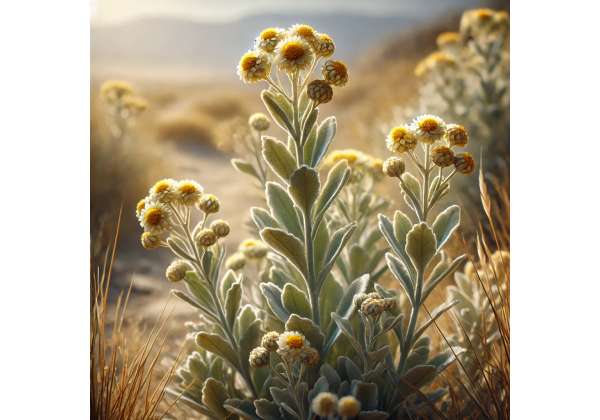
Everlast, better known botanically as Helichrysum arenarium and often called sandy everlasting, is a bright yellow flowering herb with a long history in European...
Evergreen Huckleberry Active Ingredients, Health Benefits, and Uses
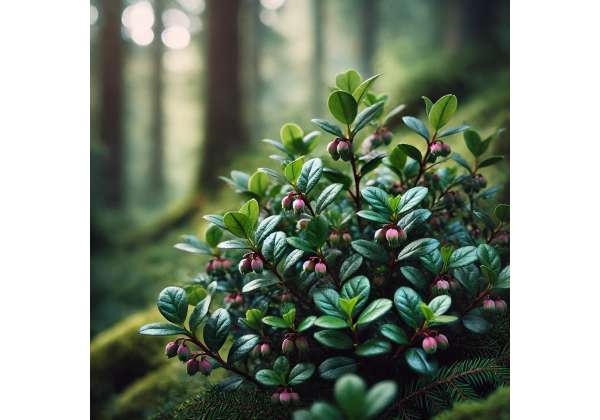
Evergreen huckleberry, Vaccinium ovatum, is a glossy-leaved coastal shrub native to the Pacific Northwest and northern California, prized for its small dark berries, year-round...
Evening Primrose for Skin, PMS, Menopause, and Safe Daily Use
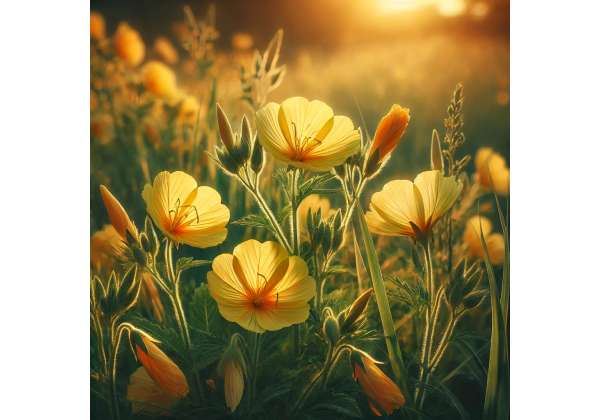
Evening primrose is a yellow-flowering plant whose medicinal reputation comes mostly from its seeds, not its petals. The seed oil—commonly sold as evening primrose...
Eutrochium for Urinary Health, Traditional Uses, and Safe Dosage Guidelines
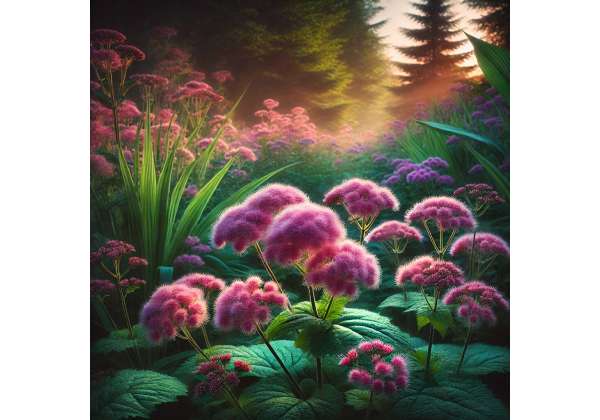
Eutrochium purpureum, better known in herbal medicine as gravel root or sweet Joe-Pye weed, is a tall North American plant with a long history...
Euryale (Euryale ferox) Qian Shi Benefits, Preparation, Dosage, and Safety
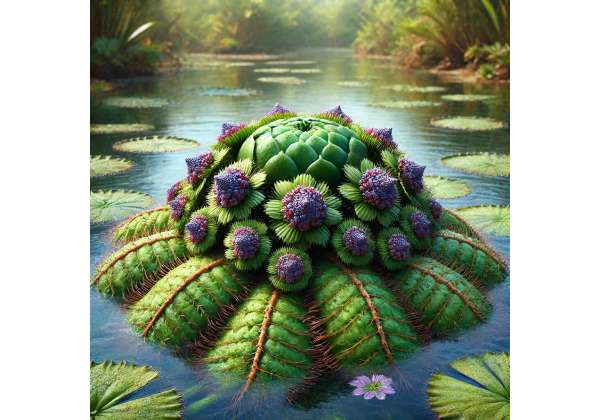
Euryale ferox is an aquatic seed crop best known as makhana, fox nut, gorgon nut, or qian shi. Although many people know it as...
European Wild Ginger Uses, Preparation, Dosage, and Who Should Avoid It
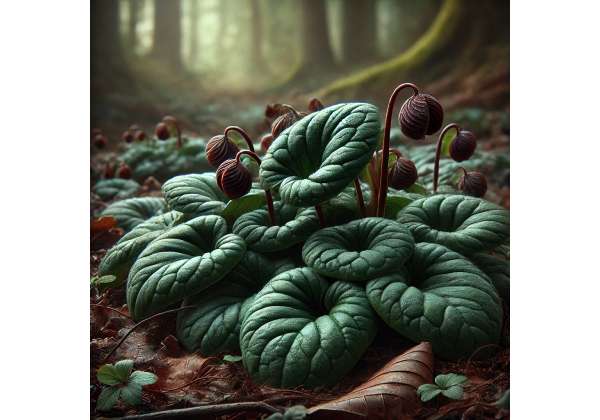
European wild ginger, Asarum europaeum, is a low evergreen woodland herb with glossy kidney-shaped leaves and a long, complicated medicinal history. Despite its common...
European Pennyroyal (Mentha pulegium) Traditional Uses, Benefits, and Side Effects
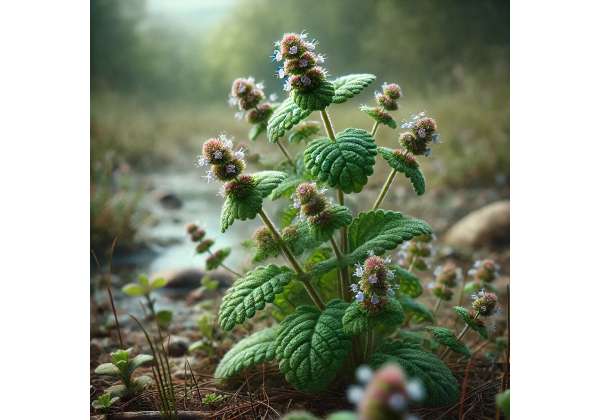
European pennyroyal, or Mentha pulegium, is a strongly aromatic mint-family herb with a long and uneasy history. For centuries it was used in teas,...
European Mistletoe Medicinal Properties, Key Compounds, Uses, and Interactions
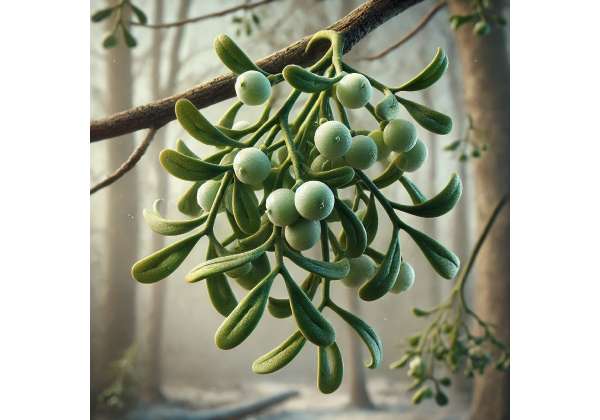
European mistletoe, or Viscum album, is an evergreen semiparasitic plant with a long history in traditional medicine and a more specialized modern role in...