
Elderflower Medicinal Properties, Key Ingredients, and Cold Relief Uses
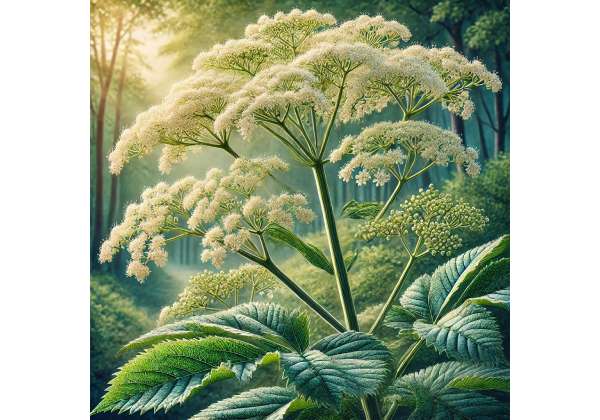
Elderflower, the fragrant cream-white blossom of Sambucus canadensis, has a long place in North American and European herbal practice. It is gentle in character,...
Elderberry Health Benefits, Immune Support, Uses, Dosage, and Safety Guide
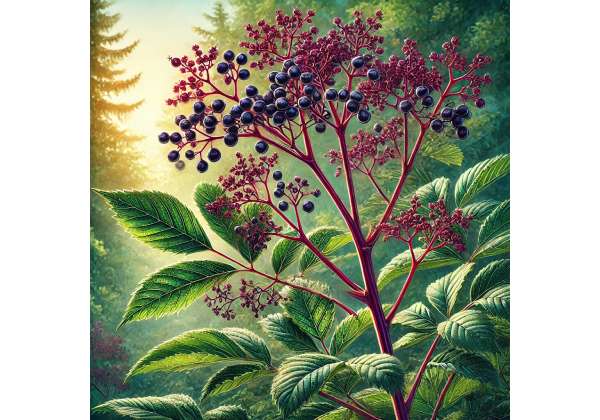
Elderberry (Sambucus nigra) is a dark purple berry that has been used in traditional European herbal medicine for centuries, particularly for immune support and...
Edelweiss for Skin, Anti-Aging Support, Dosage, and Side Effects
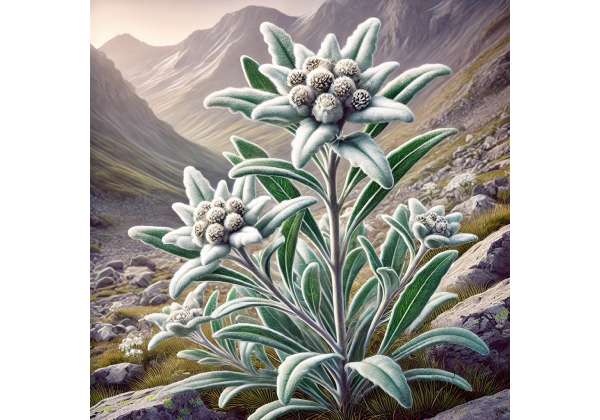
Edelweiss is one of those rare herbs that carries both cultural romance and real scientific interest. Best known as the small, white alpine flower...
Eclipta (Eclipta prostrata) hair growth, liver support, and safety guide
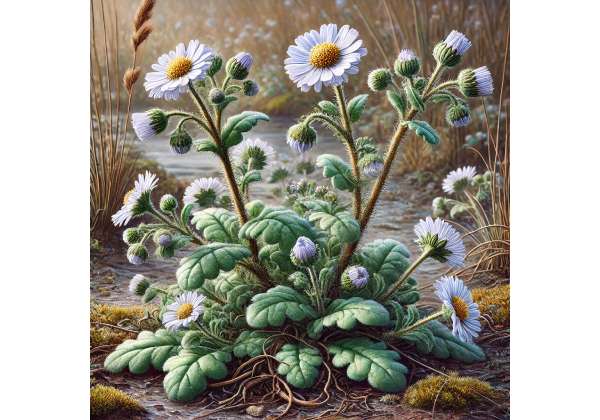
Eclipta, botanically known as Eclipta prostrata and often called bhringraj or false daisy, is a small herb with an outsized reputation in traditional medicine....
Ecklonia Cava Antioxidant Benefits, Circulation Support, and Safe Dosage

Ecklonia cava is a brown seaweed native to the coastal waters of Japan and Korea. Long valued in traditional East Asian diets, it has...
Echinacea (Echinacea spp.) for Immune Support, Colds, Dosage, Safety, and Side Effects

Echinacea is one of the best-known herbal remedies for colds, sore throats, and seasonal immune support, but it is also one of the most...
Ecballium for Sinus Relief, Traditional Uses, and Risks
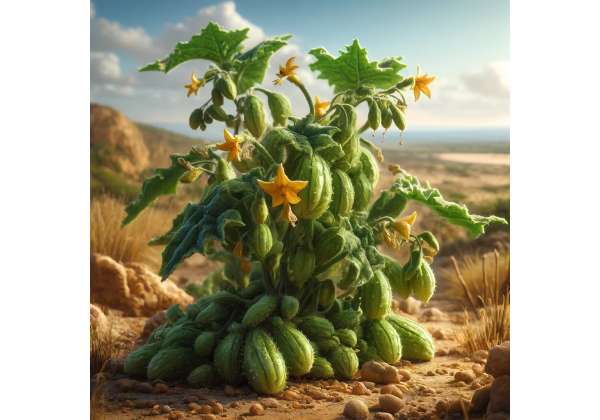
Ecballium, better known as Ecballium elaterium or squirting cucumber, is a striking Mediterranean plant with an unusually forceful medicinal history. Unlike gentler herbs used...
Ebony Tree for Astringent Support, Oral Care, and Safe Use

Ebony tree, Diospyros ebenum, is best known for its dense black heartwood, yet traditional medical systems have also valued parts of the plant for...
Eastern White Pine Remedies for Cough, Skin Support, Dosage and Safety

Eastern White Pine is a tall North American conifer with a long history of practical and medicinal use. Long before it appeared in modern...
Eastern Teaberry Medicinal Properties, Uses, and Safety Guide
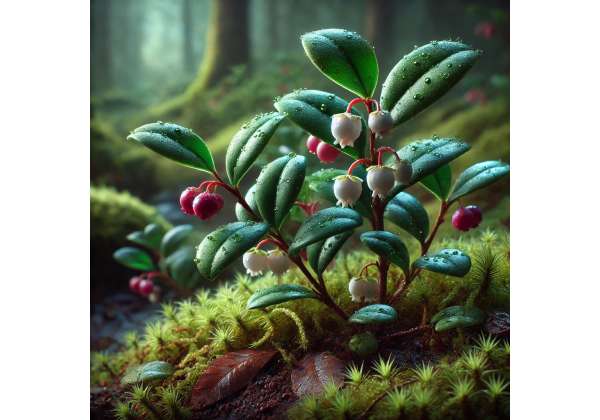
Eastern teaberry, Gaultheria procumbens, is a low-growing evergreen shrub native to North America and better known to many people as American wintergreen or checkerberry....
Eastern Skunk Cabbage Key Ingredients, Respiratory Uses, Safety, and Research

Eastern skunk cabbage is one of the strangest medicinal plants in North American herbal history. It pushes up through cold wet soil in late...
Eastern Red Cedar Uses, Key Ingredients, Medicinal Properties, and Precautions
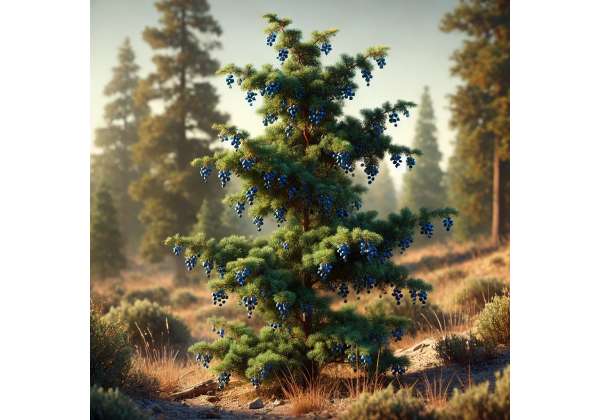
Eastern Red Cedar, botanically known as Juniperus virginiana, is not a true cedar at all but an aromatic juniper native to eastern North America....
Eastern Prickly Pear Health Benefits, Medicinal Properties, and Side Effects

Eastern prickly pear is a low-growing, cold-hardy cactus with a tougher reputation than its health profile first suggests. Known botanically as Opuntia humifusa, it...
Eastern Hemlock Medicinal Properties, Herbal Uses, Safety, and Research

Eastern hemlock is a graceful evergreen tree native to eastern North America, but it is also a lesser-known traditional remedy with a long folk...
Eastern Cottonwood Health Benefits, Pain Relief Support, and Safe Dosage

Eastern cottonwood is a fast-growing North American tree best known for its sticky spring buds, aromatic resin, and long history in traditional medicine. While...
East Indian Screw Tree for Digestion, Blood Sugar Support, Dosage, and Safety

East Indian Screw Tree, also called Helicteres isora, is a twisted-fruit medicinal shrub used in South Asian traditional medicine, especially for bowel complaints, abdominal...
East Indian Lemongrass Tea Benefits, Essential Oil Uses, and Safety

East Indian lemongrass, botanically known as Cymbopogon flexuosus, is a fragrant tropical grass valued for its bright lemon scent, citral-rich essential oil, and long...
East Indian Globe Thistle Health Benefits, Medicinal Uses, Side Effects, and Dosage Guide
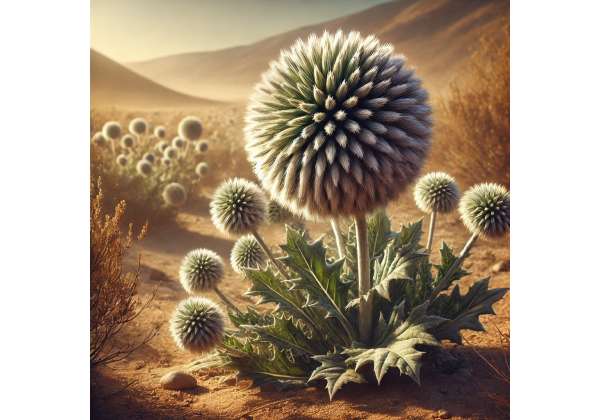
East Indian Globe Thistle, better known botanically as Echinops echinatus, is a thorny member of the daisy family with a long history in Ayurveda...
East African Greenheart Medicinal Uses, Antimicrobial Benefits, Dosage, and Safety

East African Greenheart, better known by its botanical name Warburgia ugandensis, is a strongly aromatic medicinal tree native to East and Central Africa. It...
Dwarf Red Shartoot benefits, antioxidants, blood sugar support, uses, dosage, and safety
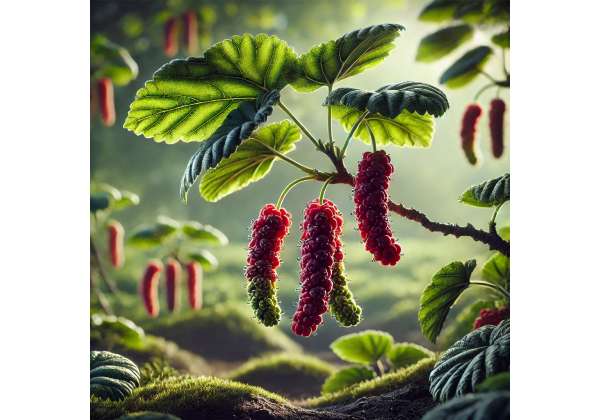
Dwarf Red Shartoot is a long-fruited mulberry variety from the species Morus macroura, valued both as a nutrient-dense fruit and as a traditional botanical...