
Chronic Adjustment Disorder Treatment Options, Coping Support, and Recovery

Persistent distress after a major life change can be harder to recognize than people expect. It may not look like a dramatic mental health...
Childhood-Onset Schizophrenia Treatment: Medication, Family Support, School Care, and Recovery

When schizophrenia begins in childhood, treatment has to do more than reduce hallucinations or delusions. It has to protect development. School, language, friendships, family...
Cerebral Palsy with Behavioral and Emotional Disorders Treatment, Therapy, and Daily Support

Behavioral and emotional problems in cerebral palsy are often harder to recognize than the motor symptoms people see first. Irritability may be driven by...
Catatonic Schizophrenia Treatment Plan: Medication, ECT, Therapy, and Support

Catatonic schizophrenia is an older term that many people still search for when they are trying to understand a frightening mix of psychosis and...
Catatonia Management and Treatment Options: Lorazepam, ECT, Support, and Recovery

Catatonia is a serious but treatable condition that affects movement, speech, behavior, and responsiveness. Some people become mute, frozen, rigid, or unable to start...
Cataplexy Treatment and Recovery: Medication, Support, Therapy, and Long-Term Management

Cataplexy can be one of the most disruptive parts of narcolepsy because it affects more than the body. People often start planning around laughter,...
Capgras Syndrome Treatment Options: Medication, Therapy, Caregiver Support, and Recovery
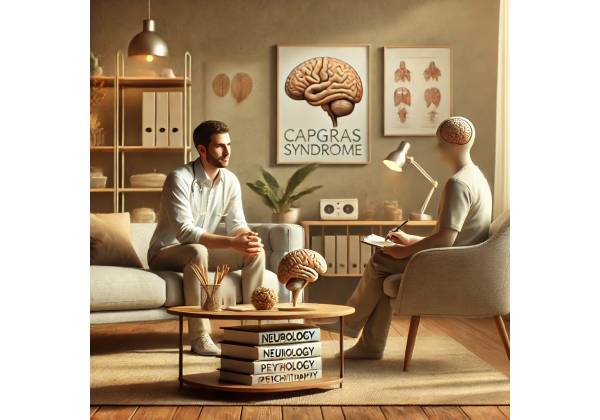
Capgras syndrome can be frightening for everyone involved. The person affected may become convinced that a spouse, parent, child, or caregiver has been replaced...
Cannabis-Induced Psychotic Disorder Therapy, Support, and Relapse Prevention

Cannabis-induced psychotic disorder can be frightening because it often begins fast, feels out of character, and can blur the line between intoxication, withdrawal, and...
Caffeine-Induced Anxiety Disorder Management, Treatment, and Recovery

Caffeine can sharpen attention and temporarily reduce fatigue, but in some people it crosses the line from “helpful stimulant” to a trigger for racing...
By proxy syndrome Care and Treatment: Therapy, Medication, Victim Support, and Recovery

By proxy syndrome is an older term that is now more often discussed as factitious disorder imposed on another or, in child-protection settings, medical...
Bulimia Nervosa Recovery: Treatment, Support, and Relapse Prevention

Bulimia nervosa is a serious but treatable eating disorder marked by repeated binge-eating episodes and compensatory behaviors such as vomiting, laxative or diuretic misuse,...
Brief Psychotic Disorder Management: Emergency Care, Treatment, and Recovery

Brief psychotic disorder raises a different set of questions than many other mental health conditions because it can appear suddenly, feel severe, and then...
Brief Dissociative Disorder Treatment and Management Guide

When people use the phrase “brief dissociative disorder,” they are often referring to a short-lived dissociative episode rather than a single widely used modern...
Borderline Personality Disorder Help and Treatment: DBT, Medication, and Recovery

Borderline personality disorder can be painful, confusing, and exhausting, but it is also treatable. The most effective care usually combines a clear diagnosis, a...
Body Integrity Identity Disorder Recovery and Treatment: Therapy, Medication, and Long-Term Care

Body integrity identity disorder, often abbreviated BIID, describes a persistent feeling that a healthy limb or body part does not belong as part of...
Body Dysmorphic Disorder Treatment: CBT, Medication, Support, and Recovery

Body dysmorphic disorder, or BDD, is more than insecurity about appearance. It can take over attention, time, relationships, work, school, and daily life. Many...