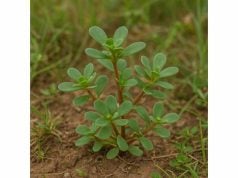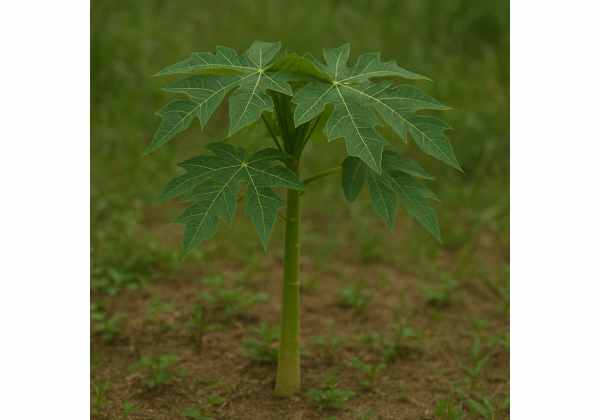
Papaya is a tropical fruit, but it is also much more than a sweet breakfast food. Carica papaya contains vitamin C, carotenoids, fiber, and proteolytic enzymes such as papain and chymopapain, which help explain why the fruit, leaves, seeds, and latex have all attracted attention in nutrition research and traditional medicine. Ripe papaya is best understood as a nutrient-dense food with digestive and antioxidant value, while papaya leaf extract has been studied more narrowly for platelet support in dengue-related thrombocytopenia. At the same time, those different parts of the plant do not behave the same way, and that distinction matters. The fruit is usually the gentlest form, while the latex, seeds, and concentrated extracts carry more uncertainty and more risk.
That is why papaya deserves a balanced guide rather than a glowing one. Its strongest benefits are nutritional, digestive, and supportive. Its more medicinal uses are promising in some settings, especially papaya leaf extract, but they are not universal, and they are not a license for self-treatment. This article explains what papaya contains, what benefits are reasonably supported, how the fruit and extracts are used, what dosage ranges make sense in real life, and who should be especially careful.
Quick Overview
- Ripe papaya supports vitamin C intake, hydration, and gentle digestive regularity.
- Papaya provides carotenoids and other antioxidants that may support eye, skin, and immune health.
- A practical food serving is about 100 to 200 g of ripe papaya at a time.
- Avoid unripe papaya latex in pregnancy and use concentrated papaya leaf or seed products only with professional guidance.
Table of Contents
- What Is Papaya and Which Parts Are Used
- Papaya Key Ingredients and Medicinal Properties
- Papaya Health Benefits and What the Evidence Shows
- How It Is Used in Food and Herbal Practice
- Dosage, Serving Sizes, and Best Ways to Use It
- Common Mistakes and Practical Tips
- Safety, Side Effects, Interactions, and Who Should Avoid It
What Is Papaya and Which Parts Are Used
Papaya is a large, fast-growing tropical plant in the Caricaceae family. Botanically, it is often described as a giant herb rather than a woody tree. The familiar orange or yellow flesh is only one part of its story. Traditional and modern uses involve the ripe fruit, green fruit, leaves, seeds, and the milky latex found especially in unripe papaya. Each part has a distinct chemical profile, so it makes little sense to talk about papaya as though every preparation works the same way. That is one of the biggest reasons people become confused about papaya’s health uses. A person eating ripe fruit at breakfast is not doing the same thing as a person taking papaya leaf tablets or using papain-rich latex preparations.
The ripe fruit is the most established part for everyday health use. It is low in calories, high in water, and valued for vitamin C, carotenoids, and modest fiber. It is also easier to tolerate than the unripe fruit. Green or semi-ripe papaya contains far more latex, and that is where much of the plant’s enzyme activity comes from. That latex is useful industrially and medically in controlled settings, but it is also where important safety concerns begin. Seeds and leaves are more likely to appear in traditional preparations, extracts, or supplements than in routine dietary use, and their evidence base is thinner and more uneven than that of the fruit itself.
In practical terms, papaya can be understood through four broad categories:
- Ripe fruit: mainly nutritional, digestive, and culinary
- Leaf extract: researched most often for platelet-related questions, especially in dengue
- Seeds: chemically active, but not well established for routine self-care
- Latex and papain-rich extracts: potent, useful in specialized applications, but more likely to irritate or trigger allergy
That distinction helps keep the rest of the article honest. When headlines say papaya may help inflammation, infection, platelet counts, or wound care, they are often referring to a specific part of the plant, not the fruit in general. Readers who keep that separation in mind are much less likely to overestimate what a bowl of ripe papaya can do, or underestimate the risks of a concentrated extract.
Papaya Key Ingredients and Medicinal Properties
Papaya’s health value starts with its chemistry. The fruit is especially notable for vitamin C, carotenoids, and water-rich fiber, while other parts of the plant contribute different compounds. Reviews of Carica papaya describe the pulp as a source of vitamins A, C, and E, folate, potassium, and food fiber. The seeds contribute phenolic compounds, carotenoids, and fatty acids, while the leaves contain polyphenols, flavonoids, saponins, and related phytochemicals. This wide chemical spread helps explain why papaya appears in nutrition articles, herbal monographs, enzyme products, and experimental pharmacology papers all at once.
Among the best-known papaya constituents are papain and chymopapain, proteolytic enzymes concentrated mainly in the latex of unripe fruit. These enzymes break down proteins, which is why papaya has long been used as a meat tenderizer and why papain has shown up in digestive enzyme formulas and older wound-care products. If you are interested in the enzyme side of papaya rather than the fruit itself, a useful related read is papain for digestion and inflammation. In day-to-day nutrition, however, the fruit’s antioxidant profile is at least as important as its enzymes. Vitamin C supports collagen formation and immune function, and readers looking for the broader context may also find vitamin C dosage and food-based benefits relevant here.
Papaya’s medicinal properties are often summarized as antioxidant, digestive, anti-inflammatory, antimicrobial, wound-related, and hematologic. That summary is directionally fair, but the evidence is not equally strong for every category. Antioxidant and nutritional benefits from ripe fruit are the least controversial because they follow directly from the food’s composition. Digestive support is also plausible, especially when papaya or papain is used with protein-containing meals. Claims around blood sugar, lipids, antimicrobial effects, inflammation control, and immune modulation are more mixed. They are supported mostly by preclinical work, observational data, or studies on extracts rather than by large, high-quality human trials.
A simple way to think about papaya’s ingredients is this: the fruit offers nutritional support, the enzymes offer functional activity, and the extracts offer pharmacologic promise with more uncertainty. That makes papaya unusually versatile, but it also means readers should match the claim to the part of the plant. Ripe fruit is easiest to justify as a regular health food. Concentrated leaf, seed, or latex products demand more caution and a better reason for use.
Papaya Health Benefits and What the Evidence Shows
Papaya’s most dependable health benefits come from its role as a whole food. Ripe fruit can help increase intake of vitamin C, carotenoids, water, and fiber in a form that is easy to eat and usually easy to digest. Those qualities make it a sensible choice for people who want a light fruit that supports hydration, antioxidant intake, and bowel regularity without adding much caloric load. The strongest evidence here is not based on papaya as a miracle remedy. It is based on papaya as a nutrient-dense fruit that fits well into a diet built around produce, fiber, and minimally processed foods.
The second major benefit area is digestion. Papaya is commonly described as soothing to the stomach, and that reputation has two foundations. First, ripe papaya is soft, water-rich, and modestly fibrous. Second, papaya is associated with proteolytic enzymes, especially papain, which help break down proteins. This does not mean papaya cures dyspepsia or bloating in everyone, but it does explain why many people find it easier to tolerate than heavier desserts or richer snacks. People looking to increase fiber more aggressively, though, will usually need something more targeted than papaya alone, such as soluble fiber support with psyllium. Papaya is helpful, but it is not a high-fiber supplement in disguise.
The most discussed medicinal use in the literature is papaya leaf extract for thrombocytopenia, especially in dengue. A systematic review and meta-analysis found that papaya extract may improve platelet counts and may shorten hospital stay, but the clinical value remains uncertain because the evidence quality is limited and harder endpoints were not well established. That is an important nuance. Papaya leaf extract is not useless, but it is also not a proven stand-alone treatment. It belongs in medically supervised settings, not in casual self-prescribing for unexplained low platelets.
Papaya may also support eye, skin, and immune health through its carotenoids and vitamin C. That is a reasonable nutrition-based claim, especially from the ripe fruit. If you want the carotenoid angle in more detail, beta-carotene and eye-health support provides a helpful parallel. What is less certain is whether papaya extracts meaningfully treat chronic inflammatory, metabolic, or infectious diseases in humans. Reviews suggest promise, but current evidence still favors cautious language. Papaya is a very good food and a potentially useful medicinal plant, but it is not a substitute for standard care.
How It Is Used in Food and Herbal Practice
In ordinary food use, papaya is most often eaten ripe and fresh. It appears in breakfast bowls, smoothies, fruit salads, and soft desserts, and it pairs especially well with lime, yogurt, and other fresh fruits. Green papaya is used differently. It is firmer, less sweet, and better suited to savory dishes such as salads, relishes, and cooked preparations. These culinary uses matter because they shape how papaya is tolerated. Ripe papaya is usually gentler and more accessible for people using it mainly for nutrition or mild digestive support, while green papaya is more culinary and more chemically active because of its higher latex content.
In herbal and traditional practice, papaya has been used more broadly. Leaves have been prepared as juices, teas, or extracts; seeds have been used in small traditional doses; and latex has been used in highly specific ways because of its enzyme activity. Modern commercial products usually narrow those uses into standardized formats. The fruit appears as powder or puree in food supplements, papaya leaf appears in tablets or syrups marketed for platelet support, and papain appears in digestive enzyme blends, topical exfoliating products, and some specialized formulations. The shift from folk use to product use is important, because it turns a plant into a preparation with higher concentration, narrower purpose, and potentially more risk.
The best practical uses of papaya today are still the simplest ones:
- As ripe fruit: to improve fruit intake and add antioxidant-rich variety
- As part of gentle digestive meals: especially when heavy or greasy foods are being reduced
- As a leaf extract in narrow clinical contexts: only when the indication is clear and oversight is appropriate
- As papain-containing products: when there is a specific reason for enzyme use and a product with clear directions
That last point matters. Papaya is not one thing. A fresh fruit, a proprietary leaf extract, a papain capsule, and a latex-based topical formula should not be treated as interchangeable. Readers who want a practical dietary pattern rather than a supplement-centered approach may find it useful to think of papaya the way they think about other healthy fat-and-produce combinations, such as using fruit alongside foods like avocado for nutrient-dense meals that also improve palatability and, in some cases, help absorption of fat-soluble compounds.
The main lesson is that papaya is at its best when the use matches the form. Ripe fruit fits daily life. Leaf extract fits a narrower medical question. Seeds and latex belong in a more cautious category. That hierarchy helps prevent the common mistake of taking an interesting laboratory plant and assuming every part is equally helpful in the kitchen.
Dosage, Serving Sizes, and Best Ways to Use It
For ripe papaya fruit, the most useful dosage is really a serving size. A practical amount for most adults is about 100 to 200 g of ripe papaya at a time, which is roughly a small bowl or a generous cup of cut fruit. That range is enough to contribute vitamin C, carotenoids, fluid, and some fiber without turning papaya into the center of the entire diet. Some people tolerate more, especially when it replaces sweets or refined snacks, but starting with a moderate serving is sensible because very large fruit portions can still cause bloating in people with sensitive digestion.
Timing depends on the goal. If papaya is being used mainly as food, it works well with breakfast, as a snack, or after a heavier meal when a lighter dessert would be easier to digest. If you are eating papaya for its carotenoids, pairing it with a meal that contains a little fat may improve absorption. That does not require anything elaborate. Yogurt, nuts, seeds, or a mixed meal are enough. The point is not to hack papaya but to use it in a way that fits normal digestion and normal eating patterns.
Papaya leaf extract is different. It should not be dosed casually by copying product labels online, because the research has focused on short-term, condition-specific use rather than long-term general wellness. In dengue-related thrombocytopenia, published studies and reviews describe short courses over several days, but the evidence is still too inconsistent to justify blanket self-treatment advice. That means there is no responsible universal leaf-extract dose for home use in otherwise healthy people. A specific product may list milligrams, but milligrams alone do not solve the bigger questions of indication, standardization, and medical supervision.
Seeds and latex deserve even more caution. Papaya seed powders, extracts, and home remedies are popular online, yet they are far less standardized than the fruit and often promoted for uses that outpace the evidence. Latex-rich preparations are more active and more irritating. For most readers, the best dosage advice is simple: use ripe fruit as food, be restrained with experimental forms, and do not assume that more papaya equals more benefit. With papaya, better use usually comes from choosing the right form, not the biggest amount.
Common Mistakes and Practical Tips
One common mistake is mixing up ripe papaya with unripe papaya. They are related, but not interchangeable from a safety perspective. Ripe papaya is mainly a food. Unripe or semi-ripe papaya contains much more latex, and that changes how the body may respond to it. Another common error is assuming that because papaya leaf extract has been studied in dengue, it must be broadly useful for any low platelet count. That leap is not supported. Low platelets have many causes, and some are urgent or dangerous. A fruit or herb should never delay proper evaluation.
A second mistake is expecting papaya to solve digestive symptoms that have other causes. Papaya may support easier digestion, but it does not replace evaluation for chronic reflux, ulcers, celiac disease, inflammatory bowel disease, gallbladder disease, or persistent unexplained weight loss. The fruit is best viewed as supportive. It can make a healthy eating pattern easier to maintain, but it should not become a way to ignore red-flag symptoms. The same applies to seed and enzyme products. A concentrated supplement is not automatically a stronger version of a healthy food. Sometimes it is simply a less predictable version.
Useful practical tips include:
- Choose fully ripe fruit when the goal is everyday nutrition and easier tolerance.
- Start with a moderate portion rather than eating a very large amount at once.
- Keep fruit use and extract use mentally separate.
- Be cautious with internet claims about seeds, detoxes, parasites, or dramatic platelet effects.
- Stop and reassess if papaya seems to trigger itching, mouth symptoms, rash, or stomach irritation.
The final mistake is forgetting context. Papaya works best as part of a broader pattern that includes adequate protein, fiber, hydration, and variety. It adds value, but it does not carry the whole diet on its own. Readers who do well with papaya usually use it consistently and sensibly, not as a short-lived superfood fix.
Safety, Side Effects, Interactions, and Who Should Avoid It
For most people, ripe papaya fruit is safe as a food. The bigger safety questions arise with allergy, unripe fruit, latex exposure, and concentrated preparations. Papaya is part of the latex-fruit syndrome pattern, which means people with natural latex allergy may react to papaya because of cross-reactive proteins. Reactions may stay local, such as itching or oral symptoms, but systemic allergy and anaphylaxis are possible in susceptible people. That is why papaya should not be treated as harmless just because it is fruit. In an allergic person, fruit can still behave like an allergen.
Pregnancy requires extra care. The older but still frequently cited experimental safety literature suggests that normal intake of ripe papaya is unlikely to pose the same concern as unripe or semi-ripe papaya, whereas latex-rich unripe papaya showed uterotonic effects in the animal model. That is the practical reason many conservative recommendations tell pregnant people to avoid unripe papaya and papaya latex while being less worried about ripe fruit used as food. Because the uncertainty centers on latex and concentration, caution is more appropriate than aggressive use.
Breastfeeding is another gray area. LactMed notes that papaya fruit is generally recognized as safe as a food, but there are no solid clinical data establishing papaya fruit or leaves as reliable galactagogues. That makes ordinary food use one thing and supplement-style use another. The fruit in a normal diet is a very different exposure from a leaf extract marketed for milk production or hormonal support. When the evidence is limited, food is the safer lane.
The people who should be most cautious include:
- Anyone with latex allergy or fruit cross-reactivity
- Pregnant people considering unripe papaya, latex, or concentrated extracts
- Breastfeeding people considering leaf products for milk supply
- Children using papaya supplements without professional guidance
- People with unexplained low platelets, bleeding, or serious illness
- Anyone who develops itching, wheezing, swelling, or gastrointestinal distress after use
The practical safety message is straightforward. Ripe papaya fruit is usually a safe, useful food. Unripe papaya, seeds, latex, and concentrated leaf extracts belong in a more careful category. The more papaya resembles a supplement rather than a fruit, the more important it becomes to ask whether the benefit is clear enough to justify the uncertainty.
References
- Carica papaya in health and disease: a review of its bioactive compounds for treating various disease conditions, including anti-inflammatory and anti-arthritic activities – PubMed 2025 (Review)
- Carica papaya extract in dengue: a systematic review and meta-analysis – PubMed 2019 (Systematic Review)
- Revisiting Latex-Fruit Syndrome after 30 Years of Research: A Comprehensive Literature Review and Description of Two Cases – PubMed 2024 (Literature Review)
- Papaya – Drugs and Lactation Database (LactMed®) – NCBI Bookshelf 2025 (Database Review)
- Papaya (Carica papaya) consumption is unsafe in pregnancy: fact or fable? Scientific evaluation of a common belief in some parts of Asia using a rat model – PubMed 2002 (Seminal Safety Study)
Disclaimer
This article is for educational purposes only and does not replace personalized medical advice, diagnosis, or treatment. Papaya is generally safe as a food when ripe, but concentrated papaya leaf, seed, and latex preparations can have different effects and risks. Seek medical advice before using papaya extracts for platelet problems, during pregnancy or breastfeeding, or if you have a latex allergy, recurrent digestive symptoms, or unexplained bruising or bleeding.
Please share this article on Facebook, X, or your preferred platform if you think a careful, evidence-aware guide to papaya could help someone else.