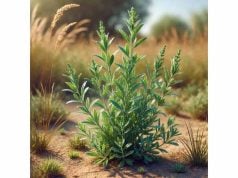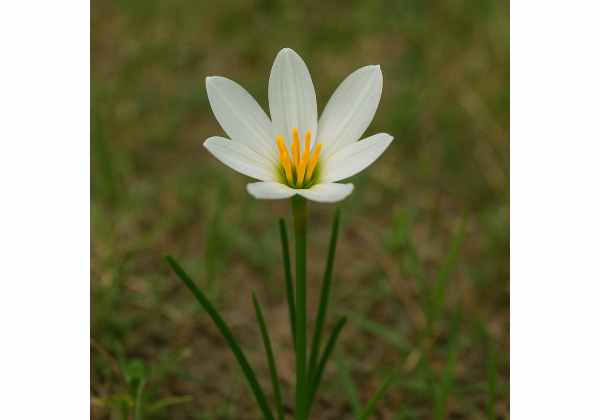
Rain Lily, usually identified as Zephyranthes candida, is a small bulb-forming plant best known for its white flowers and sudden blooming after rain. Beyond its ornamental appeal, it also has a place in traditional medicine and modern phytochemical research. Scientists are interested in it mainly because it contains Amaryllidaceae alkaloids, a distinctive group of compounds associated with anti-inflammatory, antimicrobial, acetylcholinesterase-inhibiting, and cytotoxic effects in laboratory studies. Traditional use has focused more on leaf decoctions than on bulbs, especially in folk remedies for diabetes-related symptoms.
That said, Rain Lily is not a mainstream clinical herb, and it should not be viewed the same way as well-studied medicinal plants with established human dosing. Most of the evidence comes from cell studies, animal work, and compound-isolation research rather than from human trials. This makes the plant interesting, but also easy to overestimate. A good guide needs to cover both sides: the promising chemistry and the practical limits. The sections below explain what Rain Lily contains, what its research-backed medicinal properties appear to be, how it has been used, what dosage information actually exists, and where the main safety concerns begin.
Essential Insights
- Rain Lily is mainly studied for anti-inflammatory activity and acetylcholinesterase-inhibiting alkaloids, but the evidence is still preclinical.
- Traditional use has centered on leaf-based preparations for diabetes-related symptoms rather than standardized modern supplements.
- Experimental oral extract doses in animals commonly range from 100 to 400 mg/kg, which should not be treated as a safe human self-dose.
- Pregnant or breastfeeding people, children, and anyone using diabetes or cholinergic medicines should avoid unsupervised use.
Table of Contents
- What rain lily is and how it has been used
- Key ingredients behind Rain Lily medicinal properties
- Rain Lily for inflammation, infection, and tissue support
- What the research says about metabolic, brain, and anticancer effects
- Practical uses and preparation methods
- Dosage, timing, and duration
- Safety, side effects, interactions, and who should avoid it
What rain lily is and how it has been used
Rain Lily is a bulbous perennial in the Amaryllidaceae family, the same broader family known for several alkaloid-rich ornamental and medicinal plants. Zephyranthes candida is native to parts of South America, especially southeastern and southern Brazil through northeastern Argentina, but it is now widely cultivated well beyond that range. In gardens it is valued for its upright, crocus-like white flowers and narrow leaves. In herbal discussion, however, its importance comes from traditional usage patterns and from the chemistry found in the leaves, bulbs, and whole plant.
In folk medicine, Rain Lily has not been used as broadly as herbs like chamomile, peppermint, or ginger. Its historical use is narrower and more regional. Traditional records describe leaf decoctions and extracts being used for diabetes-related symptoms, while research on the wider Zephyranthes genus also notes folk use for inflammation, infections, tumors, convulsions, and other conditions. That does not mean all of those uses are proven for Z. candida itself. It means the plant entered medicinal interest because people repeatedly used it in ways that suggested bioactive effects worth studying.
A key point for readers is that the medicinal discussion around Rain Lily usually involves one of three contexts:
- traditional leaf-based preparations
- laboratory extracts made with solvents such as methanol
- isolated alkaloids tested as pure compounds
Those are very different things. A lab extract may concentrate chemicals in ways that do not resemble tea or home remedies. An isolated alkaloid may act strongly in a petri dish while the whole plant remains too variable or too irritating for safe daily use. This is why Rain Lily can look impressive in phytochemistry papers yet still have no established role in routine self-care.
Another practical distinction matters: the leaves and the bulbs are not interchangeable. Traditional reports more often mention the leaves, whereas bulbs in Amaryllidaceae plants often contain higher concentrations of potent alkaloids and may carry a greater risk of toxicity if misused. For that reason alone, Rain Lily should never be approached like a casual edible herb.
The best way to understand Rain Lily is as a research-interest medicinal plant with traditional roots, not as a proven over-the-counter therapeutic. It deserves careful attention, but not casual confidence.
Key ingredients behind Rain Lily medicinal properties
The most important medicinal compounds in Rain Lily are Amaryllidaceae alkaloids. These nitrogen-containing plant chemicals are the main reason the plant has attracted pharmacological interest. In Zephyranthes candida, researchers have identified a broad mix of alkaloid frameworks, including lycorine-type, crinine-type, homolycorine-type, tazettine-type, belladine-type, and related structures. Several named compounds reported from the plant or closely tied to its chemistry include lycorine, haemanthamine, haemanthidine, nerinine, tazettine, trisphaeridine, and a set of newer compounds described as zephyranines.
Why do these compounds matter? Because alkaloids often have strong biological activity even at low concentrations. In Rain Lily research, they are mainly studied for four properties:
- acetylcholinesterase inhibition
Some compounds slow the enzyme that breaks down acetylcholine. That makes them interesting for brain-related research, especially where memory and signaling are involved. - anti-inflammatory action
Certain isolates reduce inflammatory signaling in laboratory models, including effects on nitric oxide production in stimulated immune cells. - cytotoxic effects
Some Rain Lily alkaloids have shown the ability to inhibit cancer cell lines in preclinical testing. - antiviral and antimicrobial potential
Whole-plant extracts and isolated constituents from the Amaryllidaceae family have shown activity against selected microbes and viruses in early-stage experiments.
Rain Lily also appears to contain flavonoids and other secondary metabolites, though the alkaloids dominate the discussion. Flavonoids may contribute antioxidant effects, but they are not the star compounds here. When papers mention “medicinal properties,” the deeper explanation is usually alkaloid chemistry.
This is also where safety enters the picture. The same compounds that give Rain Lily research value may also cause nausea, vomiting, abdominal irritation, or broader toxic effects when the plant is taken inappropriately. In other words, potency cuts both ways. A plant rich in active alkaloids is not automatically a better home remedy. It is often a plant that requires more caution.
One useful way to think about Rain Lily is to separate “interesting mechanism” from “ready-to-use herb.” Its ingredients clearly justify scientific study. They do not yet justify routine unsupervised use by the general public. That difference helps prevent two common mistakes: dismissing the plant as meaningless because it is ornamental, or trusting it too quickly because its chemistry sounds sophisticated.
Rain Lily for inflammation, infection, and tissue support
The most plausible near-term medicinal value of Rain Lily lies in its anti-inflammatory profile. Several compounds isolated from Zephyranthes candida have shown meaningful activity in laboratory assays that measure inflammatory signaling, especially in immune-cell models stimulated to produce nitric oxide and other mediators. Family-level reviews of Amaryllidaceae plants also support the idea that alkaloids such as lycorine, haemanthamine, and related structures can affect inflammation pathways in ways that justify deeper drug-discovery research.
That sounds promising, but it is important to translate it carefully. “Anti-inflammatory” in a lab does not mean Rain Lily tea has proven benefits for arthritis, sore muscles, asthma, or skin flare-ups in humans. It means the plant contains chemicals worth studying because they appear to alter inflammatory pathways under controlled conditions.
Rain Lily has also been explored for antimicrobial and antiviral potential. A whole-plant study found poliovirus-inhibiting constituents in Z. candida, and other early work has suggested antibacterial effects from leaf extracts. These findings matter scientifically because they show the plant is not chemically inert. Still, they do not establish the plant as an at-home treatment for colds, wound infections, or gastrointestinal illness.
For practical readers, the tissue-support question usually comes down to skin and local irritation. Folk medicine sometimes uses plants in this family externally, but Rain Lily is not a first-line topical herb. The anti-inflammatory potential is interesting, yet the plant’s alkaloid content makes it a poor candidate for casual homemade skin products, especially on broken or inflamed skin. For low-risk soothing of minor skin irritation, aloe vera is usually the better starting point because it has a more familiar safety profile and much clearer practical use.
It is also worth comparing Rain Lily to more established anti-inflammatory herbs. If someone wants a culinary herb with a longer track record for everyday use, ginger is far better supported and easier to dose safely. Rain Lily belongs more in the category of “specialized phytochemical source” than in the category of “daily wellness herb.”
So where does that leave the benefits question? Fairly stated, Rain Lily may offer:
- early anti-inflammatory promise
- early antimicrobial and antiviral promise
- possible future relevance in drug-development research
What it does not yet offer is strong human evidence for common self-care use. That distinction keeps the science interesting without letting the marketing get ahead of the facts.
What the research says about metabolic, brain, and anticancer effects
Rain Lily is often described online as a plant for diabetes, memory, and even cancer support. Those claims come from real lines of research, but each one needs context.
The diabetes angle comes from traditional use and from animal work. In one rat study, methanolic leaf extract of Zephyranthes candida was given orally at 100, 200, and 400 mg/kg over 21 days, with reductions in blood glucose and improvements in lipid markers compared with untreated diabetic controls. That is enough to justify further study. It is not enough to conclude that human use is effective, predictable, or safe. Animal doses do not translate directly to a kitchen-prepared tea or a homemade extract.
The brain-health angle comes from acetylcholinesterase inhibition. Several alkaloids from Z. candida have shown moderate to strong inhibitory activity in preclinical models. That makes Rain Lily chemically relevant to memory and neuropharmacology research, because acetylcholine is a key neurotransmitter for attention, learning, and memory. But this remains a compound-level story, not a validated herbal brain tonic. Compared with bacopa, which has actual human cognitive studies behind it, Rain Lily is much earlier-stage and far less practical for self-use.
The anticancer angle is the easiest to exaggerate. Some isolated Rain Lily alkaloids have shown cytotoxicity against cancer cell lines, and this has made the plant sound dramatic in secondary articles. Yet cytotoxicity in a cell line is only a first screening step. Many substances that kill cancer cells in vitro never become safe or useful therapies in humans. In fact, potent cytotoxicity can be a warning sign as much as a benefit, because it raises concern about harm to normal tissues.
A balanced summary looks like this:
- metabolic support: interesting animal evidence, not clinically established
- cognitive relevance: mechanistically interesting because of AChE inhibition, but not proven as a human nootropic
- anticancer promise: preclinical only, with no basis for self-treatment
This is why Rain Lily should never replace prescribed diabetes care, memory evaluation, or cancer treatment. The research is real, but it is still exploratory. It points toward future pharmaceutical development more than current household herbal use.
Practical uses and preparation methods
When people look up Rain Lily uses, they usually want a simple answer: tea, tincture, capsule, or topical paste? The honest answer is that traditional use exists, but modern practical use is limited by safety and lack of standardization.
Traditionally, the leaf is the plant part most often mentioned in folk preparations for diabetes-related symptoms. Decoctions appear more often than raw use. That matters because boiling can change extraction and may reduce some irritant effects, though it does not guarantee safety. Bulbs should be treated with far more caution. In alkaloid-rich ornamental plants, the bulb is often the part most likely to cause trouble if people experiment casually.
From a practical standpoint, Rain Lily today fits into four possible use categories:
- practitioner-supervised traditional use
This is the only context in which internal use makes reasonable sense, because plant identification, preparation style, and patient-specific risk all matter. - research extract use
Many reported benefits come from methanolic or fractionated extracts that are not home preparations and should not be copied casually. - cautious external experimentation on intact skin
This is sometimes discussed in traditional medicine, but it is still not low-risk enough to recommend broadly. - ornamental cultivation only
For many households, this is the most sensible use.
What should readers avoid?
- raw bulb chewing
- concentrated homemade alcohol extracts without training
- combining Rain Lily with multiple other herbs in an attempt to “improve potency”
- using it on open wounds, infected skin, or large irritated areas
- treating the plant as edible because it looks delicate or familiar
If someone still chooses to work with the plant under guidance, dried leaves are the more defensible traditional starting material than bulbs. Even then, short duration, low concentration, and careful observation matter more than aggressive dosing. Rain Lily is not the kind of herb where “more” is likely to work better.
For people seeking simple household herbal goals, there are usually safer substitutes. Skin comfort, mild inflammation, digestive support, and daily wellness can often be addressed with herbs that have clearer monographs and a wider margin of safety. Rain Lily is best reserved for informed, limited, and deliberate use rather than casual experimentation.
Dosage, timing, and duration
Dosage is the most difficult part of any Rain Lily guide because there is no clinically established human oral dose for Zephyranthes candida. No standard monograph, no widely accepted supplement format, and no human trial program currently provides the kind of dosing guidance people expect from familiar medicinal herbs.
What does exist is a patchwork of traditional use and experimental dosing:
- folk use often refers to leaf decoctions, not standardized capsules
- animal research has used oral extract doses such as 100 to 400 mg/kg
- acute testing in one study examined much higher experimental doses, which is not the same as proving human safety
That means any precise-looking consumer dose would be misleading. Still, readers deserve practical guidance, so the safest usable summary is this:
- there is no validated self-care oral dose for the general public
- experimental oral ranges of 100 to 400 mg/kg belong to animal research, not to home herbal practice
- home use should never be based on direct body-weight conversion from rat studies
- repeated use is harder to justify than short, carefully monitored use because cumulative exposure to alkaloids is not well characterized
If a trained practitioner recommends Rain Lily within a traditional framework, sensible boundaries would include:
- use leaf-based rather than bulb-based material unless there is a specific expert reason otherwise
- start with the weakest effective preparation
- use for the shortest reasonable period
- stop immediately if nausea, vomiting, abdominal cramping, dizziness, or unusual sedation develops
Timing with meals may matter if gastrointestinal upset is a concern. Because alkaloid-rich plants often irritate the stomach, taking any internal preparation on an empty stomach is more likely to cause trouble. Duration also matters. Rain Lily is not a “daily tonic” herb with long-established routine use. It is better thought of as a short-term, purpose-specific herb under supervision, if it is used internally at all.
So the most responsible dosage advice is not a bold number. It is a rule: avoid self-dosing. When a plant has interesting pharmacology but weak clinical standardization, restraint is better guidance than false precision.
Safety, side effects, interactions, and who should avoid it
Safety is the section many Rain Lily articles underplay, but it is the section that matters most in real life. Zephyranthes candida belongs to an alkaloid-rich plant family, and that alone should prompt caution. The same chemistry that gives the plant medicinal interest can also produce unwanted effects.
The most plausible short-term side effects are gastrointestinal:
- nausea
- vomiting
- abdominal pain or cramping
- diarrhea
- loss of appetite
With more concentrated exposure, broader toxic effects are theoretically possible, especially if bulbs or strong extracts are used. Because some constituents show acetylcholinesterase-related activity, extra caution is reasonable for people who are sensitive to cholinergic effects such as sweating, salivation, GI urgency, or slowed heart rate. Human interaction data are limited, but several medication categories deserve caution.
Use extra care or avoid entirely if you take:
- diabetes medicines, because traditional and animal data suggest blood-glucose-lowering potential
- cholinesterase inhibitors used for cognitive disorders
- drugs with strong gastrointestinal side effects
- multiple sedating or neurologically active herbs and medications at the same time
Who should avoid Rain Lily unless a qualified clinician specifically advises otherwise?
- pregnant people
- breastfeeding people
- children and adolescents
- people with significant liver or kidney disease
- people with unstable diabetes
- anyone with a history of plant-poisoning sensitivity or unexplained reactions to bulb plants
Rain Lily should also be kept away from pets and from anyone who might mistake ornamental bulbs for edible plant material. The decorative appearance of the plant makes accidental exposure more plausible than many people expect.
A final practical warning: do not use Rain Lily as a substitute for standard care in diabetes, inflammatory disease, memory complaints, seizures, or cancer. The plant is pharmacologically interesting, but it is not clinically settled. The safest view is that Rain Lily is a promising preclinical herb with real toxicology concerns, not a routine home remedy.
References
- Unveiling Amaryllidaceae alkaloids: from biosynthesis to antiviral potential – a review 2024 (Review). ([PubMed][1])
- Anti-inflammatory Principles of the Plant Family Amaryllidaceae 2024 (Review). ([PubMed][2])
- Structurally diverse alkaloids with nine frameworks from Zephyranthes candida and their acetylcholinesterase inhibitory and anti-inflammatory activities 2023 (Preclinical Study). ([PubMed][3])
- Pharmacological and toxicological effects of Amaryllidaceae 2023 (Review). ([PubMed][4])
- Antidiabetic Activity of Methanolic Leaf Extract and Different Fractions of Zephyranthes Candida in Streptozotocin-Induced Diabetic Rats 2015 (Animal Study). ([Iranian J Pharmacol Ther][5])
Disclaimer
This article is for educational purposes only and is not medical advice, diagnosis, or treatment. Rain Lily may contain potent bioactive alkaloids, and its reported benefits are based mainly on traditional use, laboratory studies, and animal research rather than well-established human clinical trials. Do not use Zephyranthes candida to replace prescribed treatment for diabetes, inflammatory conditions, neurologic symptoms, or cancer. Speak with a qualified healthcare professional before using any alkaloid-rich herb, especially if you are pregnant, breastfeeding, have a chronic medical condition, or take prescription medicines.
If you found this article useful, please share it on Facebook, X, or your preferred platform so more readers can make informed, safer decisions about herbal use.