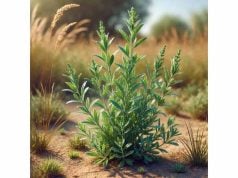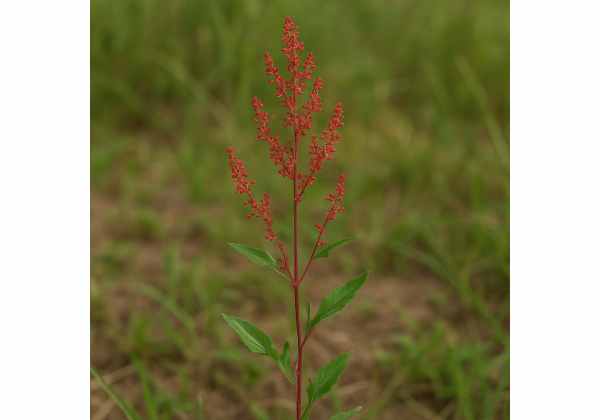
Red sorrel, Rumex acetosella, is a tart, low-growing herb best known to many people as sheep sorrel or field sorrel. It often appears in poor, sandy, or acidic soils, where its arrow-shaped leaves and reddish flower clusters make it easy to spot once you know what you are seeing. Although it is often treated as a weed, red sorrel has a long history as both a wild edible and a folk medicinal plant. Its sour taste points to one of its most important traits: it contains organic acids, especially oxalic acid, along with polyphenols and other compounds that help explain both its appeal and its limitations.
In practical use, red sorrel is best understood as a food-first herb with modest medicinal promise. It may contribute antioxidant compounds, support digestive interest through its sour and bitter profile, and offer some antimicrobial, enzyme-inhibiting, and anti-inflammatory potential in preclinical research. At the same time, it is not a harmless “more is better” herb. Heavy intake can create problems, especially for people prone to kidney stones or oxalate sensitivity. Used lightly, though, it can be both interesting and useful.
Quick Facts
- Red sorrel may provide antioxidant and polyphenol support through compounds such as luteolin derivatives, polydatin, and other phenolics.
- Traditional use and early research suggest mild digestive, antimicrobial, and enzyme-inhibiting potential.
- A cautious culinary or tea range is about 1 to 2 cups of weak infusion daily, or small handfuls of fresh leaves used as a flavoring green.
- People with kidney stones, gout, hyperacidity, or a need for low-oxalate diets should avoid medicinal or heavy food use.
Table of Contents
- What Red Sorrel Is and What It Contains
- Potential Health Benefits and What the Evidence Actually Shows
- Key Ingredients and Medicinal Properties
- Traditional and Modern Uses of Red Sorrel
- How to Use Red Sorrel in Foods and Preparations
- Dosage, Timing, and Practical Intake
- Safety, Side Effects, and Who Should Avoid It
What Red Sorrel Is and What It Contains
Red sorrel is a perennial herb in the Polygonaceae family, the same broad family that includes docks, buckwheat, and several other tart or astringent plants. It is native to Europe and parts of Asia but now grows widely across North America and many other temperate regions. Depending on where you are, it may be called sheep sorrel, field sorrel, sour weed, or just sorrel. That last name can be confusing, because Rumex acetosella is not the same as common sorrel, broad-leaved sorrel, or French sorrel used in many kitchens. The plants overlap in taste and family identity, but they are not interchangeable in habit, strength, or tradition.
The leaves are narrow, often arrow-shaped, and strongly sour. That sourness is one of the plant’s defining features and comes mainly from oxalic acid and related acidic compounds. Oxalic acid is a key part of the red sorrel story because it explains both the refreshing, lemony taste and the main safety concern. In small culinary amounts, that tartness is what makes the plant appealing. In larger amounts, especially when used often and raw, the same chemistry can become a problem for certain people.
Beyond oxalates, red sorrel contains a range of secondary compounds that help explain why researchers are interested in it. Species-specific studies and broader Rumex reviews point to phenolic compounds, flavonoids, anthraquinone-related constituents, and other phytochemicals that may contribute to antioxidant and enzyme-related activity. More recent work on Rumex acetosella extracts has identified compounds such as luteolin-7-O-glucoside, polydatin, and shikimic acid among major measurable constituents in methanolic extracts. These are not minor details. They help explain why the plant shows up in antioxidant, antimicrobial, antidiabetic, and platelet-function research, even though it remains a niche herb in everyday practice.
The plant also has a strong ecological identity. It thrives in dry, acidic, nutrient-poor soils and often spreads aggressively through roots and seed. That is one reason it has remained visible in both folk medicine and foraging traditions. It is easy to find, easy to gather, and easy to taste-test. Plants that are both accessible and distinctive often develop food and medicinal lives at the same time.
A good way to think about red sorrel is as a tangy wild green with a real phytochemical profile, not just a weed. It belongs in the same general conversation as other spring edible weeds with herbal value, but it needs a more careful safety lens because its sour chemistry matters.
Potential Health Benefits and What the Evidence Actually Shows
Red sorrel’s potential health benefits are easiest to understand when they are divided into three categories: traditional food-based value, preclinical medicinal promise, and exaggerated modern claims that go beyond the evidence. The first two are useful. The third is where people often get into trouble.
The most defensible benefit is antioxidant support. Red sorrel extracts have shown notable antioxidant activity in recent laboratory work, and that is consistent with the broader Rumex literature. Phenolic compounds, flavonoids, and related phytochemicals appear to drive much of this effect. In practical terms, this means the plant likely contributes useful redox-active compounds when used as a food or mild herb. It does not mean a few leaves will transform inflammatory disease, but it does support the idea that red sorrel is more than just a sour garnish.
A second interesting area is enzyme inhibition and metabolic relevance. Species-specific studies have reported alpha-glucosidase inhibitory activity and related antidiabetic potential in Rumex acetosella extracts. There is also research showing antioxidant properties alongside this enzyme activity. These findings are promising because they suggest red sorrel contains compounds that may influence how the body handles carbohydrates and oxidative stress. Still, this is not the same as showing that everyday use of sheep sorrel tea or fresh leaves improves diabetes outcomes in people. The leap from extract research to home use is large, and it needs to be respected.
A third area of interest is antimicrobial and cytotoxic activity. The 2024 chemical composition study found some antimicrobial effect, though weaker than standard antibiotics, and other studies have examined cytotoxic or enzyme-related actions of Rumex extracts. This supports the idea that red sorrel has genuine pharmacological activity, but it also tells us that the activity is mixed and dose-dependent. Weak in vitro antimicrobial action should not be described as clinical infection treatment.
There is also a platelet angle that deserves careful wording. A 2022 study reported antiplatelet effects from Rumex acetosella extract through signaling-pathway modulation. That is scientifically interesting because it adds cardiovascular relevance to the plant’s profile. At the same time, it creates a caution: if a plant may affect platelet behavior in preclinical systems, it should not be casually combined with blood-thinning drugs or used heavily before surgery.
So what can be said responsibly? Red sorrel may offer antioxidant support, modest metabolic interest, and low-level antimicrobial or anti-inflammatory potential in laboratory settings. What cannot be said responsibly is that it is a proven cancer herb, a blood-sugar treatment, or a dependable antimicrobial medicine. It is more accurate to treat red sorrel as a tangy wild food with promising but still limited medicinal evidence. Readers looking for better-established green-herb support often find a clearer evidence base in other bitter or sour edible herbs with more defined modern use.
Key Ingredients and Medicinal Properties
If someone asks what the key ingredients of red sorrel are, the most useful answer is not a single compound but a pattern. Rumex acetosella appears to work, when it works at all, through a combination of acids, polyphenols, flavonoids, and other secondary metabolites rather than through one dominant marker compound. That is common in wild edible herbs, and it is part of why they can be both nutritionally useful and chemically unpredictable.
The best-known component is oxalic acid. This is the compound most directly linked to the plant’s sour, lemon-like taste. Oxalic acid helps define red sorrel as a culinary plant, but it is also the reason heavy use is a bad idea for some people. It can reduce mineral bioavailability, especially calcium, and may contribute to stone risk in susceptible individuals. So while oxalic acid is not usually described as a “benefit,” it is absolutely one of the herb’s key ingredients because it shapes both flavor and safety.
The second important category is phenolic compounds. Species-specific work has highlighted luteolin-7-O-glucoside, polydatin, and shikimic acid in extracts, while broader Rumex literature describes anthraquinones, flavonoids, tannins, and related phenolics across the genus. These compounds help explain several medicinal properties often associated with red sorrel:
- antioxidant activity
- mild antimicrobial potential
- enzyme inhibition relevant to carbohydrate metabolism
- possible anti-inflammatory signaling effects
- low-level astringency
Some traditional writers also placed sheep sorrel in categories such as diuretic, febrifuge, refrigerant, or blood-purifying herb. Modern readers should translate those terms carefully. “Refrigerant” usually pointed to a cooling or thirst-relieving quality. “Blood purifier” was older herbal language, not a specific clinical mechanism. Red sorrel’s tartness, acidity, and astringency likely helped generate those traditional impressions.
Anthraquinone-related compounds are another reason for caution. Not every Rumex species emphasizes them equally, and R. acetosella is not primarily used as a laxative herb the way some docks are, but the genus does include compounds that can create stronger pharmacologic effects than casual users expect. This is another reason red sorrel should not be treated as a harmless daily tonic simply because it is edible.
Its medicinal profile, then, is best described as modestly astringent, antioxidant-rich, sour digestive, and potentially enzyme-active. It is not a classic sedative, not a strong aromatic, and not a standard anti-inflammatory herb in the way some kitchen herbs are. Readers who want a more familiar polyphenol-rich herb with broader mainstream use may find a better match in greener culinary herbs valued for polyphenols and metabolic support, while red sorrel remains more niche and more safety-limited.
Traditional and Modern Uses of Red Sorrel
Red sorrel has one of those plant histories where food and medicine overlap almost completely. People did not traditionally separate it into a “culinary herb” on one side and a “medicinal herb” on the other. They used what was available, what tasted useful, and what seemed to help. That makes sheep sorrel a good example of the food-medicine continuum in herbal tradition.
Historically, the leaves were eaten raw or cooked in small amounts and used in soups, sauces, salads, and souring mixtures. Because the plant appears early and grows in difficult soils, it likely served as a practical spring green in many places. It was also used in teas and simple herbal preparations. Folk uses recorded for Rumex acetosella and closely related sorrels include scurvy prevention, fever support, digestive complaints, urinary irritation, and topical or external applications. In some traditions, the roots were used for darker, more specific medicinal purposes, but leaf use remained the more approachable and food-like form.
One thing worth stating plainly is that red sorrel’s traditional use does not make it automatically safe in unlimited amounts. This is especially true because sour herbs often feel refreshing and easy to overuse. Folk practice usually involved moderation, seasonal use, or blending with other plants rather than heavy daily intake.
Modern uses fall into four main categories.
The first is foraging and culinary use. People still use the tender leaves to brighten salads, soups, omelets, herb butters, and green sauces. In this lane, red sorrel acts more like a flavoring herb than a bulk vegetable.
The second is mild herbal tea use. Some people steep the dried or fresh herb as a sour, tangy infusion. This remains the most realistic medicinal-style use for home readers.
The third is extract-based research. Scientists now study R. acetosella for antioxidant, antidiabetic, antimicrobial, cytotoxic, and antiplatelet effects. These uses mostly belong to research laboratories, not kitchen tables.
The fourth is commercial and folklore wellness use, where sheep sorrel is sometimes folded into broad “detox” or “blood cleanse” narratives. This is the least reliable lane. It takes a real plant with modest promise and turns it into something more dramatic than the evidence supports.
A practical way to approach red sorrel today is as a tangy, limited-use wild green with real herbal history. It is not a miracle tonic. It is not a harmless weed. It is a plant that makes the most sense when used lightly, intentionally, and with respect for its chemistry. In that way, it resembles other folk herbs that shine most in simple, traditional forms rather than in exaggerated supplement marketing.
How to Use Red Sorrel in Foods and Preparations
The best way to use red sorrel is usually the simplest one: treat it as a strongly flavored herb rather than a leafy green that should be eaten in large bowls. The plant’s tartness is its main culinary strength. A little can brighten a dish quickly, much like lemon juice, vinegar, or another sour herb. That makes it useful, but it also naturally encourages moderation.
Fresh leaves can be used in several practical ways:
- chopped into mixed salads in small amounts
- blended into green sauces or pestos with milder leaves
- stirred into soups or stews at the end of cooking
- folded into eggs, potato dishes, grain bowls, or butter spreads
- mixed with yogurt or soft cheese for a tangy herb finish
Because oxalic acid is part of the flavor, raw leaves tend to taste sharper than cooked ones. Cooking softens the sourness a little, but it does not make the plant a free-use vegetable. The safest culinary approach is to use it like a seasoning herb rather than as the main bulk of the meal.
Tea is the second common route. A mild infusion made from the aerial parts is the most realistic home-herbal preparation. This kind of tea is usually chosen for light traditional use rather than for strong therapeutic goals. It works best when kept weak, short-term, and modest in volume. Very strong infusions are not especially pleasant and are harder to justify given the plant’s oxalate content.
There are also older external uses, including compresses or washes, but these are less common today. If someone is interested in astringent or skin-oriented herb use, red sorrel is not the first plant most herbalists would choose. It makes more sense as a food or internal folk herb than as a go-to topical remedy.
When gathering the plant yourself, these practical rules matter:
- Be certain of identification.
- Harvest from clean, unsprayed ground.
- Choose tender young leaves over older fibrous growth.
- Use modest amounts the first time.
- Avoid relying on it as a major daily green.
Another simple but overlooked point is cookware. Sour, oxalate-rich plants have historically been treated more carefully around reactive cookware. Modern stainless steel makes this less of a practical issue, but it still reinforces the main lesson: red sorrel is a concentrated flavor plant, not an all-purpose leafy staple.
If the goal is a gentle herbal tea routine for digestion or comfort, many people will get a more predictable result from clearer daily-use digestive herbs. Red sorrel’s strength is flavor and modest traditional use, not smooth everyday tolerability.
Dosage, Timing, and Practical Intake
Red sorrel does not have a standardized clinical dose, and that single fact should shape every dosage decision. No major herbal monograph defines a validated modern daily range for Rumex acetosella as a treatment herb. That means the best practical dosing advice is conservative, food-based, and closer to traditional use than to concentrated supplement logic.
For fresh culinary use, a reasonable pattern is:
- small handfuls of fresh leaves used as part of a mixed dish
- usually not more than a garnish-sized or flavoring amount at a time
- used intermittently rather than as a daily bulk green
For weak tea or infusion use, a cautious practical range is:
- 1 to 2 cups daily
- 240 to 480 mL total per day
- prepared as a mild infusion, not a highly concentrated decoction
This is not a therapeutic dose in the clinical sense. It is a cautious traditional-style range that respects the plant’s chemistry. Stronger is not automatically better, and in the case of a sour, oxalate-containing herb, stronger may simply mean harsher taste and less sensible intake.
Timing depends on the goal. For culinary use, timing is mostly about meal pairing. The leaves fit best with fatty, bland, or neutral foods because their sourness cuts through heaviness. For tea use, taking it after meals or earlier in the day tends to make the most practical sense. Very sour herbs on an empty stomach may bother some people, especially those with reflux, gastritis, or general acidity.
Duration should also stay modest. A few days or a couple of weeks of light use is much easier to justify than ongoing daily medicinal use for months. If someone feels they need long-term, high-frequency red sorrel use, the question should not be “how much more should I take?” but “why am I relying on this herb so heavily?”
The research literature on extracts complicates dosage even further. Studies looking at antioxidant, antidiabetic, cytotoxic, or antiplatelet effects are working with extracts, fractions, or measured concentrations, not simple household herb use. Those results do not translate neatly into teaspoons and cups. This is why the safest guidance stays with mild food and tea use rather than modern extract enthusiasm.
A useful summary looks like this:
- no standardized medicinal dose exists
- fresh food use should stay modest
- tea use should remain weak and limited
- concentrated extracts should not be improvised
For readers who want a stronger herbal dose structure for daily digestive support, herbs with clearer modern serving ranges are usually a better fit. Red sorrel is most convincing when used as a bright, small, traditional herb, not as a daily high-dose supplement.
Safety, Side Effects, and Who Should Avoid It
Safety is where red sorrel stops being a charming wild green and becomes a plant that demands judgment. It is not among the most dangerous herbs, but it is also not a free-use plant. The reason is mainly oxalic acid. Like other sorrels, Rumex acetosella can contribute a meaningful oxalate load, and that matters for certain people much more than for others.
The people who most need caution include:
- anyone with a history of calcium oxalate kidney stones
- people with gout, hyperuricemia, or severe hyperacidity
- those following medically prescribed low-oxalate diets
- people with inflammatory stomach conditions or frequent reflux
- anyone planning to use the herb heavily or in concentrated extract form
For these groups, even a food plant can become a problem when the quantity, frequency, or preparation is not sensible. This is especially true when the leaves are eaten raw in large amounts or used day after day without variety.
Likely side effects include:
- stomach irritation or sour discomfort
- worsened reflux or hyperacidity
- reduced mineral availability if used excessively
- increased stone risk in susceptible individuals
- possible interaction concerns if concentrated extracts are used with blood-thinning medicines
That last point deserves careful wording. A 2022 study found antiplatelet effects from Rumex acetosella extract in laboratory systems. This is not proof that normal culinary use thins the blood, but it is enough to justify caution around heavy supplemental use, anticoagulants, antiplatelet drugs, and pre-surgical routines.
Pregnancy and breastfeeding are another area where restraint is appropriate. There is not enough clear modern evidence to recommend medicinal use. Small food amounts are one thing; strong herbal use is another. The same logic applies to children. A few leaves in food are different from deliberate dosing.
Plant identity and harvesting site also matter. Red sorrel often grows in disturbed or acidic ground, including roadsides, industrial margins, pasture edges, and similar habitats. These are not always ideal harvesting sites. Clean sourcing matters at least as much as species identification.
The safest overall message is simple: red sorrel is best used lightly, occasionally, and primarily as a tart food herb. It becomes less defensible the more concentrated, frequent, or therapeutic the use becomes. For people who want an herb for ongoing digestive comfort, mineral support, or gentle tea use, there are often easier and safer choices. Red sorrel is useful, but its usefulness depends on moderation.
References
- Determination of chemical composition and antioxidant, cytotoxic, antimicrobial, and enzyme inhibition activities of Rumex acetosella L. plant extract 2024
- The genus Rumex (Polygonaceae): an ethnobotanical, phytochemical and pharmacological review 2022 (Review)
- Rumex acetosella Inhibits Platelet Function via Impaired MAPK and Phosphoinositide 3-Kinase Signaling 2022
- Inhibitory potential on key enzymes relevant to type II diabetes mellitus and antioxidant properties of the various extracts and phytochemical constituents from Rumex acetosella L 2020
- Rumex Species: Phytochemistry, Pharmacology and Nutritional Potential for Food and Health Applications 2025 (Review)
Disclaimer
This article is for educational purposes only and does not replace medical advice, diagnosis, or treatment. Red sorrel is a traditional edible herb with promising laboratory findings, but modern human research is limited and its oxalate content makes moderation important. It should not be used as a substitute for treatment of diabetes, infection, cardiovascular disease, inflammatory disorders, or cancer. Speak with a qualified healthcare professional before using red sorrel medicinally, especially if you are pregnant, breastfeeding, have kidney stones, follow a low-oxalate diet, or take prescription medicines.
If you found this article helpful, please share it on Facebook, X, or your preferred platform.