
Tag: Antimicrobial
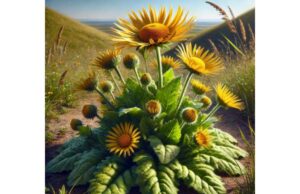
Inula for Cough, Digestion, and Safe Herbal Use
Inula, better known in Western herbal practice as elecampane, is a tall, aromatic perennial whose thick root has been used for centuries in traditional...
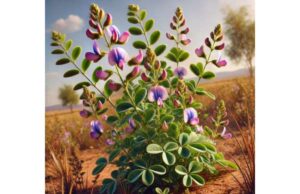
Indigo (Indigofera tinctoria) Benefits, Uses, Dosage, Safety, and Medicinal Properties
Indigo, from Indigofera tinctoria, is best known as the historic plant behind natural blue dye, but its medicinal story is older and more layered...
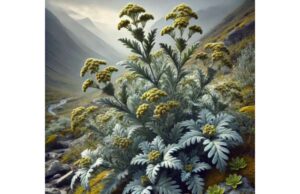
Indian Wormwood Benefits, Uses, Dosage, and Safety for Digestive and Herbal...
Indian wormwood, or Artemisia indica, is a fragrant bitter herb from the vast Artemisia family, a group known for strong aromas, volatile oils, and...

Indian Screw Tree Benefits for Gut Health, Inflammation, Dosage, and Safety
Indian Screw Tree, better known by its botanical name Helicteres isora, is a traditional medicinal plant valued across parts of India and Southeast Asia....
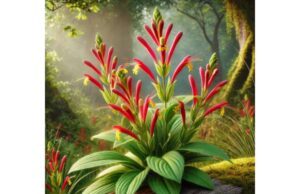
Indian Pink Herbal Medicine Benefits, Uses and Toxicity Information
Indian Pink (Spigelia marilandica) is a striking flowering plant native to the southeastern United States, known both for its ornamental beauty and its historical...
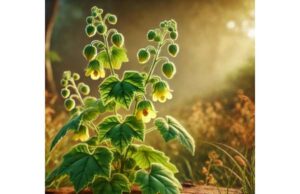
Indian Mallow for Inflammation, Wound Support, Traditional Uses, and Safety
Indian mallow, Abutilon indicum, is a soft, shrubby member of the mallow family that has been used for centuries in Ayurveda, Siddha, and regional...

Indian Elm Medicinal Properties, Skin Benefits, Uses and Dosage Guide
Indian Elm (Holoptelea integrifolia) is a medicinal tree widely used in traditional Ayurvedic and folk medicine across South Asia. Known locally by names such...

Indian Elecampane for Cough, Chest Pain, Digestion, and Safe Use
Indian elecampane, Inula racemosa, is a fragrant Himalayan root herb best known in Ayurveda as pushkarmool. For generations it has been valued for breathlessness,...
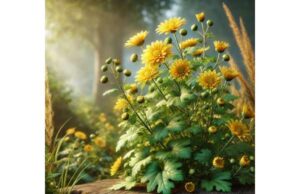
Indian Chrysanthemum (Chrysanthemum indicum) Key Ingredients, Health Effects, Uses, and Risks
Indian chrysanthemum, botanically known as Chrysanthemum indicum, is a fragrant flowering herb in the daisy family with a long history in East Asian traditional...
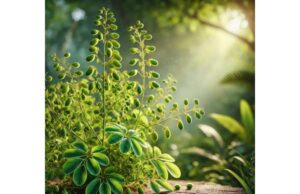
Indian Cassia Benefits for Inflammation, Eye Support, and Digestion
Indian cassia, botanically known as Cassia absus and often called chaksu in traditional practice, is a small medicinal herb whose seeds have long been...

Indian Borage Herbal Uses, Key Compounds, Dosage, and Safety Tips
Indian Borage (Plectranthus amboinicus), often called Cuban oregano, Mexican mint, or country borage, is a fragrant medicinal herb widely used in traditional medicine across...
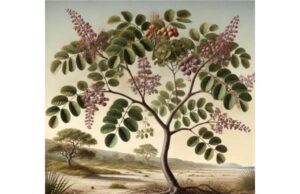
Indian Beech for Skin Health, Wound Care, Inflammation, and Practical Safety
Indian beech, Millettia pinnata, is a coastal and tropical legume tree better known in older herbal and botanical texts as Pongamia pinnata or karanja....

Incense Root Galbanum Benefits, Respiratory Uses, Skin Support, and Safety Tips
Incense Root, commonly associated with the galbanum-producing plant Ferula galbaniflua, sits at the crossroads of herbal medicine, sacred incense, and perfumery. It is not...

Incense Cedar Essential Oil Benefits, Traditional Uses, and Safe Application
Incense cedar, Calocedrus decurrens, is an aromatic conifer native to western North America and best known for its durable, pleasantly scented wood. It is...
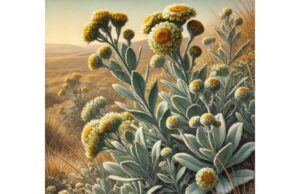
Imphepho (Helichrysum odoratissimum) Skin Benefits, Traditional Uses, Dosage, and Safety
Imphepho, usually identified in this context as Helichrysum odoratissimum, is an aromatic South African herb with deep traditional roots and a growing modern profile...
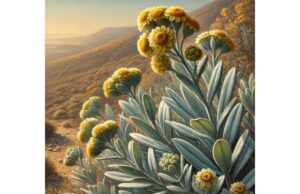
Immortelle Benefits, Uses, Dosage, and Safety for Skin, Bruising, and Inflammation
Immortelle, also called everlasting or curry plant, is the Mediterranean herb Helichrysum italicum, a fragrant yellow-flowered shrub prized in skincare, aromatherapy, and traditional herbal...

Imbricate Phacelia Key Ingredients, Medicinal Uses, Safety, and Research Summary
Imbricate Phacelia is a native western North American wildflower better known to botanists, native-plant gardeners, and pollinator enthusiasts than to herbal practitioners. That difference...

Illustrious Sage Medicinal Uses, Research, Safety, and How It Is Used
Illustrious sage, better known in many gardens as scarlet sage or red salvia, is a striking flowering member of the mint family with a...
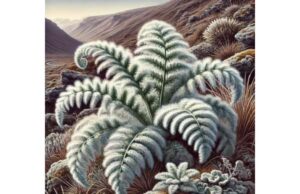
Ice Fern (Cheilanthes lanosa) Benefits for Wellness, Key Ingredients, Research, and...
Ice Fern, listed botanically as Cheilanthes lanosa and more widely updated to Myriopteris lanosa, is a small, drought-tolerant lip fern native to rocky parts...
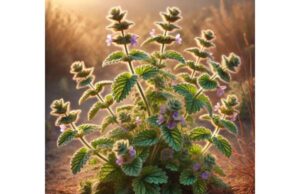
Hyptis Benefits, Uses, Dosage, and Safety for Digestive and Skin Support
Hyptis suaveolens is an aromatic herb in the mint family that grows widely across tropical and subtropical regions, where it is known by names...
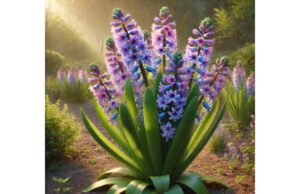
Hyacinth flower and bulb benefits, applications, and safety
Hyacinth (Hyacinthus orientalis) is a flowering plant admired for its vibrant, fragrant blooms and long history of ornamental cultivation. Beyond its visual appeal, hyacinth...
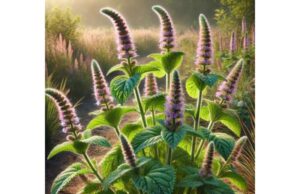
Huo Xiang (Agastache rugosa) health benefits, medicinal properties, and side effects
Huo Xiang, here referring specifically to Agastache rugosa, is an aromatic East Asian herb best known for easing nausea, bloating, poor appetite, loose stools,...
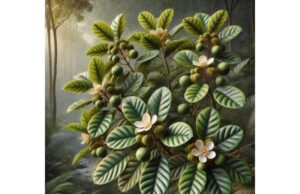
Huito for skin, digestion, inflammation, and safe use
Huito, also known in different regions as jagua or genipap, is a tropical fruit tree with a long life in food, folk medicine, and...

Huang Zhu key ingredients, uses, dosage, and warnings
Coptis deltoidea is a bitter, yellow-rhizomed medicinal plant in the buttercup family and one of the accepted botanical sources of Coptidis Rhizoma, the classic...