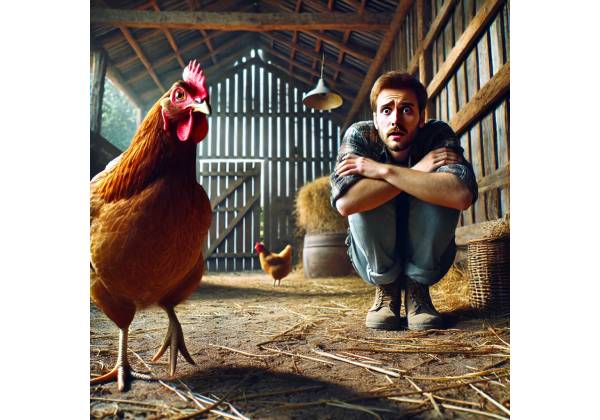
Alektorophobia is an intense fear of chickens. For some people, the fear is triggered by a live hen or rooster. For others, the reaction begins earlier, with feathers, clucking, farmyards, pictures, or even the thought of being near poultry. This is more than simple dislike or discomfort. It is a fear response that can cause sweating, shaking, panic, and urgent avoidance, even when the actual danger is low.
Clinically, alektorophobia is best understood as a specific animal phobia. In some cases, it overlaps with a broader fear of birds, but many people are distressed mainly by chickens and closely related poultry. Because rare named phobias are not usually tracked on their own, exact prevalence is hard to pin down. Still, the impact can be very real: changed routines, missed visits, family tension, and embarrassment in places that others find ordinary. The encouraging part is that this condition is treatable, and improvement is often substantial.
Table of Contents
- What Alektorophobia Really Is
- Symptoms and Fear Response
- Causes and Risk Factors
- Diagnosis and Clinical Evaluation
- Daily Life and Complications
- Treatment Options and Therapy
- Coping and Self-Management Tools
- When to Seek Help and Outlook
What Alektorophobia Really Is
Alektorophobia is a persistent, excessive fear of chickens, hens, roosters, or settings strongly associated with them. In practical terms, it usually sits within the broader category of specific phobia, animal type. That means the problem is not only the presence of the animal itself, but also the immediate fear response, the urge to avoid, and the way the fear begins to shape daily decisions.
A person with alektorophobia may react to:
- Live chickens in a yard, coop, market, or petting zoo
- Roosters that crow, flap, or move unpredictably
- Feathers, feed areas, or enclosed poultry spaces
- Pictures, videos, children’s books, or farm-themed events
- Anticipation of being near chickens during travel or family visits
The fear often feels irrational even to the person experiencing it. They may know that a chicken is unlikely to cause serious harm, yet their body reacts as if danger is immediate. That gap between what the mind knows and what the body does is one of the clearest signs of a phobia.
It also helps to distinguish alektorophobia from related experiences. Not everyone who avoids chickens has a phobia. Some people dislike the smell of farms, find poultry dirty, or feel uneasy around aggressive birds without having a clinical disorder. A phobia is different because it produces disproportionate fear, marked distress, or significant avoidance. The person may plan around the fear, leave situations abruptly, or endure them with intense suffering.
Alektorophobia can be narrow or broad. One person may fear only live chickens at close range. Another may react to sounds, feathers, farm visits, or the possibility of accidental contact. Some cases also overlap with disgust, especially if the person worries about dirt, pecking, flapping, or sudden movement. Even so, fear is usually the main engine behind the avoidance.
An important clinical point is that rare phobias are often not studied as separate diagnoses in large populations. Instead, they are assessed and treated using what is known about specific phobias more generally. That is useful rather than limiting. It means alektorophobia can be approached with tested methods, especially structured exposure-based therapy, instead of being treated as an unusual mystery.
Symptoms and Fear Response
The symptoms of alektorophobia can appear suddenly and feel overwhelming. In some people, symptoms begin only when a chicken is physically present. In others, the reaction starts much earlier, such as when they hear a rooster crow, see a farm sign on the road, or realize that a family outing may involve animals.
The emotional response usually includes intense fear, dread, or a feeling that something bad is about to happen. Some people describe a sharp burst of alarm. Others feel a rising wave of anxiety that builds as they get closer to the feared setting. Either pattern can be exhausting, especially when the fear repeats across many situations.
Common physical symptoms include:
- Rapid heartbeat or pounding chest
- Sweating or shaky hands
- Tightness in the throat or chest
- Nausea or stomach discomfort
- Dizziness or feeling unsteady
- Trembling in the legs
- Shortness of breath
- Dry mouth
Cognitive symptoms are often just as important as physical ones. These may include thoughts such as:
- “It is going to attack me.”
- “I will lose control if it comes closer.”
- “I cannot handle this.”
- “I need to get out right now.”
- “Everyone will notice I am panicking.”
Behavioral symptoms usually show how much the fear is driving the person’s life. A person may:
- Refuse visits to farms, rural relatives, or outdoor markets
- Cross the road to avoid a yard with chickens
- Freeze, run away, or cling to another person
- Avoid television scenes, school trips, or children’s events involving poultry
- Ask for repeated reassurance before entering a place
In children, the picture may look different. Instead of explaining the fear clearly, a child may cry, hide, scream, cling to a parent, or refuse to move. Adults sometimes misread this as stubbornness when it is actually fear.
A more severe episode can turn into a panic attack. Panic attacks can include intense physical symptoms, a fear of fainting, or the sense that escape is urgently needed. Even when the episode is brief, it can leave a strong memory. That memory then fuels anticipatory anxiety before the next exposure.
One of the most telling features of alektorophobia is pattern. The same type of stimulus triggers fear again and again, and the person begins to organize life around avoiding that distress. Once that cycle is in place, the fear is no longer an isolated reaction. It becomes a condition that deserves proper attention and treatment.
Causes and Risk Factors
Alektorophobia usually develops through a combination of experience, temperament, and learning. It is rarely the result of one single cause. Instead, several factors often come together and make the fear more likely to take hold.
A direct frightening experience is one of the clearest pathways. A child may have been chased by a rooster, pecked while feeding birds, startled by flapping wings, or trapped in a noisy coop. Even if the event caused only minor physical harm, the emotional impact may have been strong. The brain stores the encounter as dangerous, and later exposures activate the same alarm system.
Fear can also be learned indirectly. A person may grow up watching a parent react strongly to chickens, hearing repeated warnings about aggressive birds, or seeing frightening scenes involving poultry. The brain learns the message before the person has enough calm experience to balance it.
Several risk factors can make this learning process stronger:
- A family history of anxiety disorders or specific phobias
- A naturally cautious or behaviorally inhibited temperament
- High sensitivity to bodily sensations such as dizziness or racing heart
- Strong discomfort with unpredictability or sudden movement
- Higher sensitivity to disgust, contamination, or dirt-related cues
- Previous panic attacks in animal-related settings
- Ongoing stress, which lowers the threshold for anxiety reactions
The nature of chickens themselves may also matter. Unlike some feared animals that stay still or move in ways people can predict, chickens can dart, flap, peck, vocalize, and crowd unexpectedly. For a person who already feels vulnerable, that unpredictability can intensify the sense of threat.
Avoidance is one of the biggest factors in keeping the fear alive. If someone escapes the situation and immediately feels relief, the brain learns a powerful lesson: “Avoidance kept me safe.” That relief is real, but it comes at a cost. It prevents the person from learning that the situation, while uncomfortable, can be tolerated.
It is also worth noting that some people experience a blend of fear and disgust. They may fear injury, but they may also react strongly to feathers, droppings, smell, or perceived dirt. In these cases, the phobia can feel especially compelling because it is being fueled by more than one emotional system.
None of this means the person is weak or irrational. It means the brain has built an overprotective response. That is why treatment focuses on relearning. The goal is not to debate the fear out of existence, but to help the nervous system stop treating every chicken-related cue as an emergency.
Diagnosis and Clinical Evaluation
Alektorophobia is diagnosed clinically, which means the most important tools are careful history-taking and a thoughtful interview. There is no blood test or brain scan that confirms it. Instead, a clinician looks at the pattern of fear, the intensity of symptoms, the degree of avoidance, and the way the problem affects daily life.
A good evaluation usually explores several questions:
- What exactly triggers the fear?
- How quickly does the anxiety begin?
- Does the person avoid the situation or endure it with severe distress?
- How long has the pattern been present?
- Is the fear interfering with school, work, relationships, travel, or family life?
For a diagnosis of specific phobia, clinicians generally look for a marked fear tied to a specific object or situation, a response that is out of proportion to actual danger, persistence over time, and meaningful distress or impairment. Many people with alektorophobia understand that their fear is excessive, but insight alone does not stop the symptoms.
The evaluation also needs to sort alektorophobia from other problems that can look similar. These may include:
- A broader fear of birds rather than chickens specifically
- Trauma-related symptoms after an animal attack
- Panic disorder, where panic episodes occur unexpectedly in many settings
- Obsessive fears focused mainly on contamination
- General dislike or disgust without strong anxiety
- Developmental or sensory issues that make animal settings overwhelming
A clinician may also ask about safety behaviors. These are the rituals or protective habits people use to cope, such as standing far behind others, refusing to look up, leaving early, or needing constant reassurance. These behaviors matter because they often reduce distress in the short term while preserving the phobia in the long term.
In children, parents may need to provide part of the history. It is useful to know whether the child is avoiding school trips, birthday parties at farms, nature centers, or relatives who keep poultry. Adults, meanwhile, may minimize the problem by calling it “just a silly fear,” even when it is causing major disruption.
A clear diagnosis can be deeply relieving. It reframes the experience from something embarrassing and personal into something recognizable and treatable. That shift matters. Once the problem is named accurately, treatment can become more focused, practical, and effective.
Daily Life and Complications
Alektorophobia can seem narrowly focused, but its ripple effects are often much wider than people expect. Chickens are not present everywhere, yet they appear often enough in rural life, travel, education, leisure, and family routines that the fear can quietly shape major choices.
Common effects on daily life include:
- Avoiding farms, petting zoos, fairs, and agricultural events
- Refusing visits to relatives who keep chickens
- Skipping school trips or children’s birthday activities
- Feeling anxious in outdoor markets or rural vacation settings
- Changing walking routes or driving routes to avoid known poultry areas
- Worrying in advance about holidays, village festivals, or countryside weddings
The impact can be especially strong when the person feels ashamed of the fear. Many adults know that others may see chickens as harmless or even amusing. That mismatch can create silence and concealment. Instead of asking for help, the person may invent excuses, withdraw, or let others assume they are simply difficult.
Complications usually grow through repetition. First, there is anticipatory anxiety. The person starts worrying long before any actual contact occurs. Next comes the event itself, which may bring intense distress or panic. Then comes relief through avoidance or escape. That relief teaches the brain to keep using the same pattern.
Over time, several problems can develop:
- Expanding avoidance into more settings than the original fear required
- Reduced confidence and a growing sense of helplessness
- Family conflict when plans are repeatedly changed
- Embarrassment and social withdrawal
- Increased risk of low mood from living inside narrow routines
- Reliance on alcohol or sedatives before feared events
For children, the complications can be subtle but important. A child who avoids farm environments may miss learning experiences, peer activities, or family outings. If adults respond only with teasing or pressure, the child may feel both frightened and misunderstood.
Safety behaviors can also become part of the burden. A person may insist on specific seats, scan constantly for exits, demand reassurance, or hold tightly to a trusted companion. These habits are understandable, but they reinforce the message that the situation is too dangerous to face directly.
The central complication of alektorophobia is not usually physical harm from chickens. It is the shrinking of freedom. When a person starts building life around avoiding a feared animal, the phobia becomes more than a preference or quirk. It becomes a barrier to flexibility, confidence, and ordinary participation.
Treatment Options and Therapy
The main evidence-based treatment for alektorophobia is exposure-based cognitive behavioral therapy. In plain terms, this means helping the person face the feared stimulus in a structured, gradual, and purposeful way, rather than only talking about the fear or trying to avoid it forever.
Treatment usually begins with education. The person learns how phobias work, why avoidance strengthens them, and how anxiety naturally rises and falls. That early step is important because many people believe the goal is to eliminate fear before entering the situation. In fact, treatment works by helping people stay present long enough for new learning to happen.
A therapist will often build a fear ladder, moving from easier tasks to harder ones. For alektorophobia, a graded sequence might include:
- Saying or reading words related to chickens
- Looking at cartoon images
- Viewing still photographs
- Listening to clucking or crowing sounds
- Watching short videos
- Standing at a distance from a coop or fenced area
- Remaining near live chickens for longer periods
- Moving closer in a controlled, supported setting
The exact sequence should match the person’s triggers. Someone who fears sudden movement may need to focus on real-life proximity. Someone whose fear is driven by sound may need earlier work on audio cues. A good treatment plan is specific, not generic.
Cognitive work can help alongside exposure. This may involve identifying catastrophic thoughts such as “It will attack me,” “I will lose control,” or “I cannot tolerate the panic,” then testing those beliefs against real experience. The purpose is not forced optimism. It is more accurate appraisal.
Other treatment points are worth knowing:
- Exposure is collaborative. It should be planned, paced, and agreed on, not forced.
- Repeated practice matters. One successful exposure helps, but consistent repetition changes the fear response more deeply.
- Dropout can happen. Exposure is effective, but many people avoid it because it sounds intimidating. Good preparation improves follow-through.
- Technology may help. For some specific phobias, video-based or virtual exposure can be useful, especially early in treatment.
- Medication is not usually first-line for isolated specific phobia. It may be considered in selected cases, especially when symptoms are severe or other anxiety conditions are also present, but it is generally not the core treatment.
In rare animal phobias like alektorophobia, people sometimes assume therapy must be unusual too. It usually is not. The same principles used for more common fears can work very well. The treatment is tailored to the trigger, but the recovery process is familiar: face the feared cue gradually, reduce avoidance, test catastrophic predictions, and build tolerance until the fear loses its grip.
Coping and Self-Management Tools
Self-management does not replace therapy when alektorophobia is severe, but it can make treatment more effective and help prevent the fear from expanding. The most useful coping strategies are the ones that increase steadiness without feeding avoidance.
A good starting point is precision. Instead of saying, “I am afraid of chickens,” try to narrow the fear. Is the worst part the pecking, the noise, the flapping, the smell, the unpredictability, or the memory of a past event? The more specific the trigger, the better the plan.
Helpful self-management steps include:
- Keep a brief trigger log.
- Rate fear from 0 to 10 before, during, and after exposures.
- Practice exposures at a manageable level rather than waiting for the perfect moment.
- Stay in the situation long enough for anxiety to settle at least somewhat.
- Repeat exposures often enough that the learning holds.
Practical coping tools can include:
- Slow breathing with relaxed, longer exhalations
- Softening tight shoulders, jaw, and hands
- Grounding attention in the present rather than in imagined disaster
- Using calm, realistic statements such as “This is fear, not emergency”
- Preparing for planned exposures instead of arriving rushed and exhausted
- Limiting excess caffeine before an exposure task
It is also important to identify habits that feel helpful but actually keep the fear strong. These often include:
- Escaping at the first spike of anxiety
- Demanding constant reassurance
- Avoiding all visual contact with the feared animal
- Using alcohol as a routine coping method
- Relying only on “safe people” to get through the situation
Family and friends can help, but the kind of help matters. Support works best when it encourages progress without taking over. A useful companion might say, “You are anxious, but you are safe, and you can stay a little longer.” Less helpful responses include teasing, forcing, or instantly rescuing the person whenever distress appears.
For children, coping plans often work best when they are concrete and predictable. A parent can help create a small step-by-step ladder, celebrate effort rather than perfect calm, and avoid turning the feared animal into a dramatic subject at home.
The most important self-management principle is simple: the goal is not to feel completely ready before trying. It is to practice enough, in a careful way, that readiness gradually grows from experience.
When to Seek Help and Outlook
It is time to seek professional help when alektorophobia is doing more than causing brief discomfort. Many people delay treatment because they can avoid chickens most of the time. That can work for a while, but it often leads to a more restricted life and a stronger fear response when avoidance is no longer possible.
You should consider help if the fear:
- Causes panic attacks or near-panic reactions
- Interferes with work, travel, family visits, or parenting
- Leads to repeated avoidance of ordinary activities
- Expands from live chickens to pictures, sounds, farms, or nearby outdoor spaces
- Creates shame, conflict, or social withdrawal
- Triggers unhealthy coping, such as alcohol or sedative misuse
Professional evaluation is also useful when the fear seems mixed with trauma, severe disgust, broader bird fear, or other anxiety problems. When several issues overlap, treatment can still be effective, but it may need a more tailored plan.
Urgent mental health support is needed if anxiety is accompanied by:
- Thoughts of self-harm or suicide
- Dangerous substance use
- Inability to function in daily life
- Severe panic that repeatedly leads to risky behavior
The outlook for alektorophobia is generally good when the condition is recognized and treated. Specific phobias often respond well to targeted therapy, especially exposure-based approaches. Improvement does not always mean loving the feared animal or wanting close contact. A more realistic goal is that the person can function without panic, avoidance, or major disruption.
Progress is often seen in stages. First, anticipatory dread becomes less intense. Next, the person can remain in mildly triggering situations longer. Then previously impossible settings become manageable. Confidence usually grows from these small repeated wins, not from one dramatic breakthrough.
Relapse can happen, especially after long periods of avoidance or during times of high stress. That does not mean treatment has failed. It usually means the skills need refreshing. Many people regain momentum with a brief return to exposure practice rather than a full restart.
A practical definition of recovery is this: the fear stops making the decisions. Once that shift happens, the person’s world becomes larger, calmer, and easier to navigate.
References
- Specific Phobia – StatPearls – NCBI Bookshelf 2024
- The German Guidelines for the treatment of anxiety disorders: first revision – PMC 2022 (Guideline)
- Psychosocial interventions for anxiety disorders in adults: evidence mapping and guideline appraisal – PubMed 2025 (Systematic Review)
- Virtual Reality Exposure Treatment in Phobias: a Systematic Review – PubMed 2021 (Systematic Review)
Disclaimer
This article is for general educational purposes only and is not a diagnosis or a substitute for medical or mental health care. A severe fear response can have more than one cause, and symptoms such as panic, dizziness, chest discomfort, or intense avoidance should be evaluated in context. If fear is persistent, worsening, or interfering with daily life, seek help from a qualified healthcare professional or licensed mental health clinician. Seek urgent support right away if anxiety is linked to self-harm thoughts, unsafe substance use, fainting, chest pain, or breathing difficulty.
If this article was helpful, please consider sharing it on Facebook, X, or another platform you prefer.