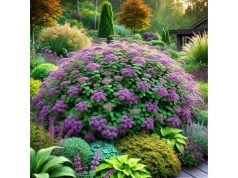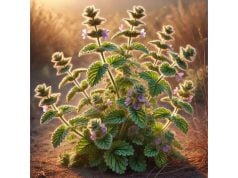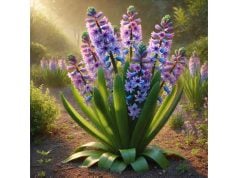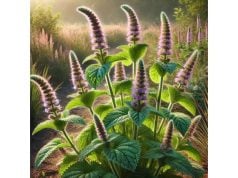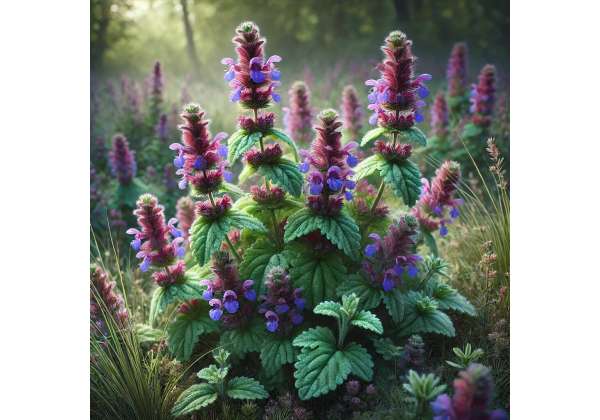
Heal-All, scientifically known as Prunella vulgaris, is a small flowering herb found across Europe, Asia, and North America. Despite its modest appearance, it has a long history in traditional herbal medicine, where it earned the nickname “self-heal” or “all-heal.” Herbalists historically used the plant for wound care, inflammation, throat irritation, and digestive complaints. Today, it is gaining renewed interest because of its rich array of bioactive compounds—especially rosmarinic acid, flavonoids, and triterpenoids—that show antioxidant, antiviral, and anti-inflammatory potential in modern research.
The herb’s purple flower spikes and leafy stems are the most commonly used parts. They are typically prepared as teas, extracts, or tinctures, and occasionally incorporated into topical remedies. While traditional medicine praised Heal-All as a general tonic, contemporary herbal practice tends to focus on its immune support, skin health applications, and mild metabolic benefits.
However, like many botanical medicines, Heal-All works best when used thoughtfully. Understanding its compounds, realistic benefits, safe dosage, and potential interactions helps ensure that this historic herb is used effectively and responsibly in modern wellness routines.
Key Insights
- Heal-All may support immune balance and help calm mild inflammation due to compounds like rosmarinic acid and flavonoids.
- Traditional use and emerging research suggest potential benefits for skin healing and minor infections.
- Typical herbal preparations range from about 1–3 g dried herb per day or equivalent extracts.
- Avoid medicinal use during pregnancy, breastfeeding, or when taking immune-suppressing medications without professional guidance.
Table of Contents
- What is Heal-All
- Key compounds and active ingredients
- Health benefits and traditional uses
- How to use Heal-All
- Recommended dosage and timing
- Safety, side effects, and interactions
- Scientific research and evidence
What is Heal-All
Heal-All (Prunella vulgaris) is a perennial herb belonging to the mint family (Lamiaceae). It grows low to the ground, forming dense patches of green leaves topped with short spikes of purple flowers. The plant thrives in meadows, lawns, woodland edges, and disturbed soils, which explains why it is sometimes mistaken for a common weed. Yet behind its humble appearance lies a long medicinal legacy.
Historically, healers across Europe and Asia valued the herb for wound healing, throat infections, and inflammatory conditions. The English name “Heal-All” reflects a traditional belief that the plant could address a wide range of ailments. In traditional Chinese medicine it is known as Xia Ku Cao and has been used for centuries to support eye health, liver balance, and immune function.
The aerial parts of the plant—stems, leaves, and flowers—are harvested when the plant is in bloom. After drying, they are used in teas, tinctures, and powdered herbal preparations. Fresh material may also be incorporated into topical poultices or herbal salves.
Although Heal-All is most often associated with immune and skin support, it is also considered a mild digestive and metabolic herb. Herbalists sometimes combine it with other botanicals to create broader formulations targeting inflammation, skin health, or metabolic balance. For example, combinations with herbs like echinacea are sometimes used in traditional immune-support formulas.
Modern interest in Heal-All has grown because laboratory studies have identified compounds that may influence inflammatory pathways, viral replication, and antioxidant defenses. While these findings do not prove clinical effectiveness, they help explain why the plant attracted such a strong reputation in historical medicine.
Understanding the herb’s identity, traditional context, and botanical characteristics provides an important foundation before exploring its active compounds and potential health applications.
Key compounds and active ingredients
The therapeutic reputation of Heal-All largely stems from its rich profile of polyphenols, flavonoids, and triterpenoid compounds. These molecules contribute to the herb’s antioxidant capacity and are thought to influence several biological pathways related to inflammation, immunity, and tissue repair.
One of the most studied constituents is rosmarinic acid, a polyphenol found in several plants within the mint family. Rosmarinic acid has demonstrated antioxidant and anti-inflammatory properties in many experimental models. It may help reduce oxidative stress and modulate inflammatory signaling molecules. This mechanism partly explains the herb’s historical use for inflammatory conditions and skin irritation.
Another group of compounds found in Heal-All includes flavonoids, such as rutin and quercetin derivatives. Flavonoids are known for supporting vascular health and protecting cells from oxidative damage. In herbal medicine, plants rich in flavonoids are often associated with circulatory support and tissue repair.
Heal-All also contains triterpenoids, including ursolic acid and oleanolic acid. These compounds have attracted attention in pharmacological studies because they appear to influence inflammatory enzymes and immune responses. Ursolic acid, for example, is widely studied for its potential antimicrobial and anti-inflammatory activity.
Additional components in the plant include:
- Tannins
- Polysaccharides
- Phenolic acids
- Essential oil constituents in small amounts
Each of these contributes to the herb’s overall effect rather than acting alone. Herbalists often emphasize that whole plants behave as chemical systems rather than single-compound supplements. The synergy among these molecules may help explain why Heal-All has remained relevant in traditional medicine.
The combination of polyphenols and triterpenoids also links Heal-All with other antioxidant-rich herbs such as rosemary, which share similar phytochemical categories even though they belong to different plant species.
However, identifying bioactive compounds does not automatically translate to clinical effectiveness. Many compounds demonstrate promising effects in laboratory experiments but require further study in human populations. Nevertheless, Heal-All’s phytochemical diversity gives researchers strong reasons to continue exploring its medicinal potential.
Health benefits and traditional uses
Heal-All has been used in traditional medicine for hundreds of years, and many of its historical applications align with emerging scientific observations. While modern research is still developing, several potential health benefits appear repeatedly in both herbal tradition and experimental studies.
Immune and antimicrobial support
Heal-All has long been used for infections of the throat, mouth, and respiratory tract. Laboratory studies suggest that certain compounds in the herb may inhibit microbial growth and support immune activity. These properties help explain why the plant was historically used in gargles and teas for sore throats and mild infections.
Anti-inflammatory effects
Inflammation plays a role in many health conditions, from skin irritation to joint discomfort. The polyphenols and triterpenoids in Heal-All may help modulate inflammatory pathways. While this does not mean the herb replaces medical treatment, it may contribute to a broader anti-inflammatory lifestyle approach.
Skin healing and wound care
Traditional herbalists frequently applied Heal-All externally to cuts, burns, and minor wounds. Its mild astringent and antimicrobial properties may help protect damaged tissue and support natural healing processes. For this reason, the herb sometimes appears in topical formulas alongside herbs like calendula, which are also known for skin-supportive properties.
Digestive support
Some traditional systems describe Heal-All as mildly bitter and tonifying to digestion. Bitter herbs can stimulate digestive secretions and improve appetite in certain individuals. While Heal-All is not as strongly bitter as classic digestive herbs, it may still contribute mild digestive benefits.
Metabolic and cardiovascular potential
Preliminary research suggests that compounds within the plant may influence blood lipid levels and glucose metabolism. These findings are still early and require more clinical validation, but they illustrate the growing scientific interest in the herb.
Overall, the most realistic takeaway is that Heal-All may provide gentle support for immune balance, inflammation, and skin health rather than acting as a powerful single-purpose remedy. Its versatility makes it attractive in traditional herbal formulas, but responsible use requires understanding both its strengths and limitations.
How to use Heal-All
Heal-All can be prepared in several different forms, each suited to specific wellness goals. Choosing the right preparation depends on whether the herb is being used internally for general health support or externally for skin applications.
Herbal tea
The most traditional preparation is a simple infusion made from dried aerial parts of the plant. To prepare a tea:
- Add 1–2 teaspoons of dried Heal-All herb to a cup of hot water.
- Cover and steep for 10–15 minutes.
- Strain and drink up to two or three times per day if desired.
Tea preparations are commonly used for immune support, mild digestive discomfort, or general wellness.
Tinctures and extracts
Alcohol-based tinctures concentrate the herb’s active compounds and allow for more precise dosing. Extracts may be standardized to specific phytochemicals such as rosmarinic acid. These forms are often preferred when using Heal-All for longer-term supplementation.
Capsules and powdered herb
Capsules provide a convenient option for those who dislike the taste of herbal teas. Powdered forms can also be mixed into smoothies or herbal formulas. When purchasing powdered herbs, choosing products from reputable suppliers is important to ensure quality and purity.
Topical preparations
Heal-All has a long tradition of topical use for minor skin concerns. Fresh leaves may be crushed into a poultice, while dried herb can be incorporated into salves or infused oils. These preparations may be applied to small wounds, insect bites, or skin irritation.
Combination formulas
Herbalists frequently combine Heal-All with other plants to broaden its therapeutic range. For example, immune-support formulas sometimes include herbs such as elderberry or echinacea.
Regardless of the preparation method, moderation is key. Herbal remedies tend to work best as part of a consistent routine rather than a single large dose.
Recommended dosage and timing
Determining the correct dosage of Heal-All depends on the form of the herb being used. Because herbal preparations vary widely in strength and concentration, dosage recommendations are typically expressed as ranges rather than exact values.
Dried herb
For teas or powdered preparations, typical daily intake ranges from 1 to 3 grams of dried herb, divided into one to three servings throughout the day. This amount generally corresponds to two or three cups of herbal infusion.
Tinctures
Standard tincture dosing often falls between 2–4 mL, taken up to three times per day depending on concentration. Tinctures may be diluted in water or taken directly.
Standardized extracts
When using capsules or standardized extracts, the typical range is 300–500 mg per day, though the exact amount depends on the product’s concentration and formulation.
Timing considerations
The timing of Heal-All intake is usually flexible. Some people prefer taking it after meals to support digestion, while others use it between meals for general wellness. For immune support during seasonal illness, herbalists sometimes recommend short-term daily use for several days to a few weeks.
Duration of use
Herbal supplements are often used in cycles rather than continuously. A common approach is to use Heal-All for two to six weeks, followed by a break. This strategy allows the body to reset and reduces the risk of overuse.
It is also important to monitor how the body responds. If digestive discomfort, nausea, or unusual symptoms appear, reducing the dose or discontinuing the herb may be appropriate.
Ultimately, individualized dosing is ideal. Factors such as body weight, metabolic health, and concurrent medications all influence how herbal compounds behave in the body.
Safety, side effects, and interactions
Heal-All is generally considered a mild herb with a favorable safety profile when used in moderate amounts. However, like any botanical supplement, it may cause side effects in certain individuals or interact with medications.
Possible side effects
Most side effects reported with Heal-All are mild and uncommon. They may include:
- Digestive upset
- Mild nausea
- Allergic reactions in sensitive individuals
These symptoms usually occur when large amounts are consumed or when someone is sensitive to plants in the mint family.
Medication interactions
Although research on interactions is limited, caution is advisable in several situations.
- Immune-suppressing medications: Because Heal-All may influence immune activity, individuals taking immunosuppressants should consult a healthcare professional before use.
- Blood-pressure or metabolic medications: Some compounds in the herb may affect metabolic pathways, so people taking related medications should monitor their response carefully.
- Herbal combinations: Using multiple immune-modulating herbs simultaneously may amplify effects.
Special populations
Certain groups should avoid medicinal use of Heal-All unless guided by a healthcare professional.
- Pregnant individuals
- Breastfeeding individuals
- People with autoimmune conditions
- Individuals taking complex medication regimens
Quality and sourcing
Another important safety factor is product quality. Herbal supplements may vary widely in purity and potency. Choosing products from reputable suppliers that follow quality testing standards helps reduce the risk of contamination.
When used responsibly and in moderate amounts, Heal-All appears to have a good safety profile. Nevertheless, understanding potential interactions and respecting recommended doses ensures that the herb is used safely.
Scientific research and evidence
Scientific research on Prunella vulgaris has expanded considerably in recent years. Much of the work focuses on the herb’s antioxidant, anti-inflammatory, and antiviral properties, which are attributed to its diverse polyphenol and triterpenoid content.
Antioxidant and anti-inflammatory research
Laboratory studies consistently demonstrate strong antioxidant activity in extracts of Heal-All. These findings suggest that the plant may help reduce oxidative stress and support cellular protection. Inflammation-related pathways are also affected by compounds such as rosmarinic acid and ursolic acid.
Antiviral potential
One of the most interesting areas of investigation involves the herb’s antiviral properties. Researchers have explored its activity against viruses in cell-based experiments, including herpes simplex and other viral pathogens. While these findings are promising, they remain primarily laboratory-based and should not be interpreted as clinical treatment evidence.
Metabolic and cardiovascular research
Some studies have examined the potential effects of Heal-All on lipid metabolism and glucose regulation. Preliminary data indicate possible improvements in certain metabolic markers, though larger human studies are still needed.
Cancer-related laboratory research
Researchers have also investigated the plant’s influence on cancer cell growth in laboratory settings. These studies focus on how polyphenols may affect cell signaling pathways. However, these experiments occur in controlled laboratory environments and do not translate directly into clinical treatment recommendations.
Evidence limitations
Despite encouraging laboratory data, clinical research involving humans remains limited. Many studies rely on cell cultures or animal models, which means results may not always reflect real-world outcomes.
Consequently, Heal-All should be viewed as a promising botanical with growing scientific interest rather than a fully validated medical treatment. Continued research may clarify its role in immune support, metabolic health, and inflammation management.
References
- Prunella vulgaris L.: A Review of Its Botany, Phytochemistry, Pharmacology, and Clinical Applications 2021 (Review)
- Pharmacological Activities and Therapeutic Potential of Prunella vulgaris: A Review 2022 (Systematic Review)
- Antiviral Activity of Prunella vulgaris Extracts Against Herpes Simplex Virus 2020 (Research Study)
- Bioactive Compounds and Health Benefits of Prunella vulgaris 2023 (Review)
Disclaimer
This article is intended for educational purposes only and does not constitute medical advice. Herbal remedies such as Heal-All may interact with medications or health conditions, and individual responses can vary. Always consult a qualified healthcare professional before beginning any new herbal supplement, particularly if you are pregnant, breastfeeding, taking prescription medications, or managing a chronic health condition.
If you found this article helpful, consider sharing it with friends or colleagues on Facebook, X, or your favorite social platform to help others learn about herbal medicine and natural health.