Lesser calamint is a fragrant Mediterranean herb in the mint family, valued for its warm mint-and-oregano aroma, tiny flowers, and long history as both a kitchen herb and a folk remedy. You may also see it sold or described under related botanical names such as Clinopodium nepeta or Satureja calamintha, which explains why the literature can feel scattered. Traditionally, the leaves and flowering tops have been used in teas, food, and simple home preparations aimed at easing digestion, freshening the breath, and supporting general comfort during colds or periods of stomach upset.
What makes lesser calamint especially interesting is its blend of volatile oils and polyphenols. These include pulegone, menthone-like compounds, flavonoids, and phenolic acids that may help explain its antioxidant, aromatic, and carminative character. At the same time, its chemistry is also the reason for caution: concentrated essential oil is not the same as a light culinary tea. This guide explains what the herb is, what it contains, where the evidence is promising, how people use it, what a reasonable food-and-tea range looks like, and who should avoid it.
Quick Overview
- Lesser calamint is mainly valued for digestive comfort and aromatic culinary use.
- Its best-supported modern strengths are antioxidant activity and traditional carminative use, not proven clinical treatment.
- A cautious tea range is about 1 to 2 g dried aerial parts per 240 mL water, 1 to 2 times daily.
- Avoid internal use of concentrated essential oil and avoid the herb entirely during pregnancy.
- People with liver disease, young children, and anyone taking potentially liver-stressing products should be especially cautious.
Table of Contents
- Lesser Calamint overview and traditional uses
- Key ingredients and medicinal properties
- Potential health benefits and what the evidence suggests
- How Lesser Calamint is used in tea, food, and herbal preparations
- Dosage, timing, and practical use guidelines
- Safety, side effects, and who should avoid it
- Choosing, storing, and growing quality Lesser Calamint
Lesser Calamint overview and traditional uses
Lesser calamint is a perennial herb from the Lamiaceae family, the same broad family that includes mint, oregano, thyme, lemon balm, and many other aromatic staples. It grows naturally across parts of southern Europe, the eastern Mediterranean, and neighboring regions, where it has long been gathered for both cooking and household medicine. In Italy, especially around Rome, it is often known as nepitella and used to season mushrooms, artichokes, beans, and meat dishes. That long culinary tradition matters, because it suggests the herb has usually been consumed in modest, food-like amounts rather than as a high-dose modern supplement.
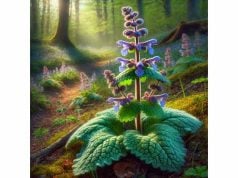
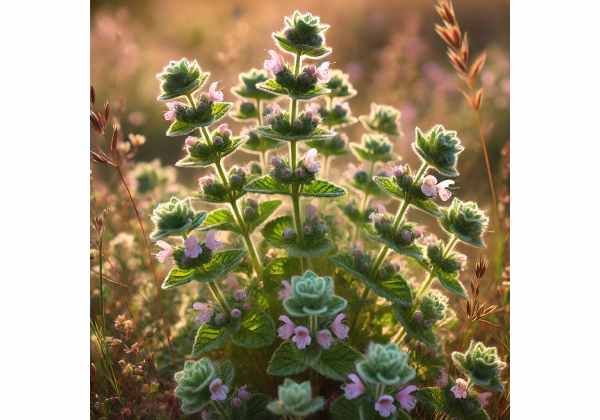
Botanically, the plant is easy to recognize once you know the mint-family pattern: square stems, opposite leaves, and small tubular flowers that attract bees. The scent is what most people remember first. It is minty, but softer and earthier than peppermint, with a savory edge that can remind some people of thyme or oregano. That makes it more than a “medicinal herb.” It is a useful kitchen plant with genuine sensory appeal.
Traditional use has centered on four main roles. First, it has been taken as a warming digestive herb after heavy meals. Second, it has been used as a carminative, meaning it may help reduce gas, abdominal tightness, and that overly full feeling after eating. Third, it has been used in aromatic teas during colds and minor respiratory discomfort. Fourth, it has appeared in poultices, rinses, and simple external remedies in local folk practice.
Like many mint-family herbs, lesser calamint occupies a middle ground between food and remedy. That is often where it works best. Rather than thinking of it as a cure-all, it is more realistic to see it as a gently functional herb that may support comfort, flavor, and routine wellness when used appropriately. The strongest historical reputation is for digestion, stomach unease, and aromatic household use.
One important point is that lesser calamint has a messy naming history. Depending on the source, you may find Calamintha nepeta, Clinopodium nepeta, or Satureja calamintha. These labels often refer to the same or closely related material, which can make research summaries confusing. For readers, the practical lesson is simple: check the full botanical name on any product and avoid assuming that every “calamint” product has identical chemistry.
That chemistry also varies by region, harvest stage, and plant part. So while the herb has a clear traditional identity, the exact strength of a tea, extract, or essential oil can differ a lot from one preparation to another. That is one reason cautious, low-dose use makes more sense than aggressive self-treatment.
Key ingredients and medicinal properties
Lesser calamint’s medicinal profile comes from two broad groups of compounds: volatile aromatics in the essential oil and non-volatile polyphenols in the water-soluble fraction. Together, these help explain why the herb smells vivid, tastes complex, and shows antioxidant, antimicrobial, and spasm-modulating potential in laboratory studies.
The best-known volatile constituent is pulegone. This monoterpene gives the plant much of its penetrating aroma and appears frequently in discussions of lesser calamint chemistry. Pulegone is biologically active, which helps explain interest in the plant’s traditional uses. But it is also the compound that drives much of the herb’s safety conversation, especially when essential oil or highly concentrated extracts are involved. In other words, one of the plant’s “active” features is also one of its main liabilities when overused.
Other volatile compounds may include menthone-related molecules, piperitenone or piperitone derivatives, limonene, eucalyptol, and other terpenes, depending on origin and chemotype. These compounds are often associated with the herb’s aromatic, antimicrobial, and sensory properties. Their proportions can change greatly based on where the plant was grown and when it was harvested, which is why two products labeled as lesser calamint may not behave exactly the same way.
The water-based side of the plant is different and, for many readers, more relevant. Infusions and decoctions can deliver phenolic acids and flavonoids such as caffeic acid, quercetin, and especially rosmarinic acid. These compounds are well known in many Lamiaceae herbs for antioxidant behavior and broader cellular-protective potential. Rosmarinic acid, in particular, is often associated with the calmer, food-like benefits of aromatic herbs and teas.
What these ingredients may do
The main medicinal properties usually discussed for lesser calamint include:
- Carminative activity, meaning it may help settle digestive discomfort linked to gas or sluggish digestion.
- Antispasmodic potential, which may explain its traditional use for cramping and stomach tightness.
- Antioxidant activity, especially in aqueous extracts that contain polyphenols.
- Mild antimicrobial action, mainly shown in laboratory tests rather than clinical use.
- Aromatic stimulant qualities, which may make it feel warming, clarifying, and appetite-friendly.
It is important not to oversimplify this. Whole herbs do not act like single chemicals. A cup of tea made from the aerial parts is not equivalent to essential oil, and it does not deliver the same exposure. That distinction matters because many people hear “active compound” and assume more concentration means more benefit. With lesser calamint, that is not a safe assumption.
Another useful way to think about the plant is that it has two personalities. The first is culinary and tea-based: flavorful, modest, and more forgiving. The second is concentrated and oil-based: powerful, variable, and much less suitable for casual internal use. The medicinal properties most people seek, such as digestive ease and aromatic comfort, usually belong to the first category.
So when evaluating products, ask what part of the plant chemistry you are really buying. A dried herb for tea emphasizes a different profile than an essential oil bottle. That difference is central to using lesser calamint wisely.
Potential health benefits and what the evidence suggests
The honest answer is that lesser calamint has promising traditional use and interesting laboratory research, but very limited direct human clinical evidence. That means it is reasonable to discuss possible benefits, yet not reasonable to present the herb as proven treatment for any condition. The most responsible interpretation is “supportive potential,” especially in food and tea form.
The first and most credible traditional benefit is digestive comfort. Lesser calamint has long been used after meals for bloating, gas, mild stomach spasm, and that heavy post-meal feeling. Its aromatic oils likely contribute to that reputation, and this is where it most closely resembles other familiar digestive herbs, including peppermint. The difference is that lesser calamint tends to be more savory and less sharply cooling.
A second likely benefit is antioxidant support. Recent aqueous-extract studies suggest the plant can scavenge free radicals and provide measurable antioxidant activity. That does not automatically translate into dramatic health outcomes in humans, but it does support the idea that the herb contains meaningful polyphenols. In practical terms, this strengthens the case for tea and culinary use rather than for concentrated oil.
A third area of interest is mild antimicrobial potential. Essential oils and phenolic extracts from lesser calamint have shown antibacterial and antifungal activity in lab settings. This helps explain why the herb has historically been used in aromatic household preparations and sometimes in topical traditions. Still, “antimicrobial in vitro” is not the same thing as “effective infection treatment in people.” It should never replace medical care for suspected bacterial or fungal illness.
A fourth possible benefit is circulatory or vasorelaxant activity. Preclinical work on aqueous extracts suggests that certain preparations may help relax blood vessels under experimental conditions. This is intriguing, but it is still early-stage evidence. It is best viewed as a research lead, not a reason to self-treat high blood pressure.
What readers should take from the evidence
The herb makes the most sense in these contexts:
- As an occasional digestive tea after meals
- As a flavorful culinary herb with added phytochemical value
- As a gentle aromatic herb in wellness routines
- As a traditional plant of interest, not a replacement for proven therapy
The herb makes less sense in these contexts:
- As a concentrated essential oil taken internally
- As a self-directed treatment for chronic digestive disease
- As a “natural antibiotic”
- As a daily long-term supplement without oversight
That distinction keeps expectations realistic. Lesser calamint may help some people feel more comfortable after eating and may add antioxidant-rich complexity to food and tea. Those are useful benefits. But the strongest evidence today still comes from traditional practice, chemistry, and preclinical work rather than robust human trials.
If you value herbs for modest, repeatable support rather than miracle claims, lesser calamint fits that model well. If you want clinically proven outcomes for a diagnosed condition, the evidence is not strong enough to put this herb in that category.
How Lesser Calamint is used in tea, food, and herbal preparations
Lesser calamint is unusually appealing because it bridges kitchen use and traditional herbal use so naturally. Many herbs taste medicinal first and culinary second. Lesser calamint often feels balanced: aromatic enough for tea, savory enough for cooking, and gentle enough in whole-herb form to fit daily life better than stronger essential-oil herbs.
In the kitchen, the fresh leaves pair well with legumes, mushrooms, grilled vegetables, egg dishes, tomato sauces, and roasted meats. The flavor sits somewhere between mint and oregano, with a resinous edge that becomes especially pleasant in warm dishes. It is best added near the end of cooking if you want the aroma to stay bright. A long simmer will soften its freshness and make it taste more earthy.
Tea is the most common home remedy format. The dried leaves and flowering tops are steeped in hot water to create a mildly warming infusion. People often use it after meals, on cool evenings, or when they want a gentler aromatic tea than peppermint. The taste can be softened with lemon peel, fennel seed, or a small amount of honey. For digestive use, many people prefer it plain so the herb remains the main note.
Some herbalists also combine lesser calamint with other digestive plants in small blends. For example, it can work alongside chamomile, fennel, lemon balm, or a little ginger. Blending can help reduce the need for any one herb to be used heavily. That is a useful approach here because lesser calamint benefits from moderation.
Topical use is more limited and should be approached carefully. Traditionally, poultices or aromatic washes were prepared from the herb, but modern home users should avoid improvising with concentrated essential oil. If you do use a commercial topical formula, it should be properly diluted, patch tested, and clearly labeled for external use.
Simple ways to use it
- After-meal tea: A light infusion when you feel full, gassy, or sluggish after eating.
- Cooking herb: Chopped fresh leaves over beans, mushrooms, soups, or roasted vegetables.
- Tea blend component: Paired with milder digestive herbs for taste and balance.
- Aromatic garden herb: Grown for culinary use and pollinator-friendly flowers.
What about tinctures or capsules? These are less traditional than tea and culinary use, and product quality can vary. If a supplement is concentrated and does not disclose standardization or essential-oil content clearly, that is a reason to be cautious. Lesser calamint is not one of those herbs where “stronger is automatically better.”
For most readers, the best preparation is the simplest one: dried aerial parts used in modest teas, or fresh leaves used in food. That preserves the herb’s traditional character and lowers the chance of overexposure to concentrated volatile compounds.
Dosage, timing, and practical use guidelines
The first rule with lesser calamint is that there is no well-established clinical dose for routine medical use. Most practical guidance comes from traditional whole-herb use, culinary experience, and the broader logic of aromatic tea herbs. That means dose should stay conservative, especially for beginners.
A sensible tea range is about 1 to 2 g of dried aerial parts per 240 mL cup of hot water, steeped for about 5 to 10 minutes. For many people, starting at the lower end is enough. If the tea feels pleasant and well tolerated, it can be used 1 to 2 times daily on an occasional basis. Some people may use a slightly stronger cup, but pushing the dose upward is not the best strategy with this plant.
Fresh herb is milder by weight because it contains more water. In cooking, 1 to 2 tablespoons of chopped fresh leaves in a shared dish is usually enough to deliver flavor without overwhelming the meal. When used fresh in tea, a small sprig or a light handful per pot is often plenty.
When to use it
The most natural times are:
- After meals, especially heavier meals
- In the evening, if you enjoy warming aromatic teas
- During brief digestive off-days, not as permanent daily therapy
- As a seasonal kitchen herb, especially in savory Mediterranean dishes
How long to use it
For casual home use, think in short stretches rather than indefinite daily intake. A few days to a couple of weeks of occasional tea use is a more prudent pattern than months of habitual use. If you feel you “need” an herb every day for persistent symptoms, that is usually a sign to step back and look at the underlying problem rather than simply increasing the herb.
Avoid home internal dosing with essential oil. That bears repeating. The oil is concentrated, chemically variable, and much more likely to create safety problems than the dried herb. Lesser calamint is one of those plants where the whole herb and the essential oil should be treated as very different products.
If you are blending herbs, keep lesser calamint as one part of a larger formula rather than the dominant ingredient. This often gives better flavor and a gentler effect. For example, you might combine a small amount with lemon balm, fennel, or chamomile rather than making every cup strong and one-dimensional.
Lastly, judge by response, not by theory. A good herbal routine feels comfortable, fits easily into meals or tea habits, and does not cause irritation, nausea, headache, or a sense that the herb is “too much.” With lesser calamint, subtlety is often the sign you are using it well.
Safety, side effects, and who should avoid it
Safety is the most important part of the lesser calamint conversation. The whole herb, used lightly in food or tea, is very different from the essential oil. Most of the caution centers on pulegone-rich concentrated preparations, not on ordinary culinary use. Still, because the plant can vary chemically, even the dried herb deserves respectful, moderate use.
Potential side effects from tea or modest food use may include stomach irritation, nausea, headache, or sensitivity in people who do not tolerate aromatic herbs well. Allergic reactions are possible, especially in people sensitive to other Lamiaceae plants. If a tea tastes excessively harsh or leaves you feeling unwell, that is a sign to stop rather than adjust upward.
The essential oil is a separate issue. Internal use of concentrated oil is not appropriate for casual self-care. Pulegone has been linked to liver toxicity concerns in the toxicology literature, which is why lesser calamint should not be treated like an ordinary flavoring oil. This is also why comparisons with higher-risk pulegone-rich herbs such as pennyroyal are relevant when discussing concentrated preparations.
Who should avoid lesser calamint
Avoid internal use, and in many cases avoid the herb entirely, if you are:
- Pregnant or trying to conceive
- Breastfeeding
- A young child
- Living with liver disease
- Using other potentially hepatotoxic herbs, supplements, alcohol heavily, or medications that strain the liver
- Planning to ingest essential oil
People with chronic digestive disease, reflux that worsens with mint-family herbs, or major medication burdens should also check with a qualified clinician before using it regularly. The interaction profile is not fully mapped, and the absence of strong evidence is not the same as proof of safety.
Topical use should also be cautious. Never apply undiluted essential oil to the skin. Patch test any prepared formula first. Avoid contact with eyes, mucous membranes, broken skin, and large skin areas. If redness or burning appears, wash it off and stop using it.
Another practical safety point is duration. Even when a herb is food-like, it is wiser to use lesser calamint intermittently than to treat it as a daily forever tonic. Rotate herbs, keep doses low, and remember that persistent symptoms deserve proper evaluation.
The safest summary is this: culinary and light tea use may be acceptable for many healthy adults, but concentrated internal use is not a DIY herb project. That single distinction prevents most of the common mistakes people make with aromatic plants.
Choosing, storing, and growing quality Lesser Calamint
Because lesser calamint can appear under different botanical names, choosing the right product starts with careful labeling. Look for the full Latin name, the plant part used, and whether the product is intended for culinary use, tea use, or external aromatic use. Vague labels such as “calamint oil” or “wild mint extract” without proper botanical details are worth avoiding.
For dried herb, quality signs are straightforward. The material should be green to gray-green rather than brown, aromatic rather than dusty, and visibly composed of leaves and flowering tops rather than mostly broken stem. The scent should be savory, minty, and clean. If the herb smells flat, sour, or musty, it is probably too old or poorly stored.
Fresh lesser calamint is excellent if you can find it. Use it promptly, or store it loosely wrapped in the refrigerator for a few days. Dried herb should be kept in an airtight jar away from heat, moisture, and direct light. In a well-sealed container, it often keeps useful aroma for about 6 to 12 months, though its best flavor is usually earlier.
If you grow herbs at home, lesser calamint is rewarding. It likes sun, decent drainage, and moderate watering once established. Like many mint relatives, it attracts pollinators and gives off fragrance when brushed or harvested. It is generally less invasive than common mint, though it still benefits from a defined growing space.
Harvest the aerial parts when the plant is healthy and aromatic, ideally close to flowering. That is often when both flavor and essential-oil content are strongest. Dry the stems in a shaded, airy place, then strip and store the leaves and tops when crisp. If you grow several aromatic herbs, lesser calamint can complement more familiar plants such as spearmint while offering a more savory profile.
One final quality point: source matters. Wildcrafted herbs may sound romantic, but cultivated material is often more consistent and easier to trace. With a chemistry-variable plant, consistency is a real advantage. If you are buying for tea, choose food-grade dried herb from a reputable supplier rather than an aromatherapy seller.
In everyday use, the best lesser calamint is not necessarily the strongest. It is the cleanest, most clearly identified, and easiest to use in small, repeatable amounts. That is what turns an interesting herb into a practical one.
References
- In vitro biological activities of Calamintha nepeta L. aqueous extracts 2024 (Preclinical Study) ([PubMed][1])
- Risk Assessment of Pulegone in Foods Based on Benchmark Dose–Response Modeling 2024 (Risk Assessment) ([PMC][2])
- Phytochemistry and Biological Activities of Essential Oils from Satureja calamintha Nepeta 2023 (Open Access Study) ([MDPI][3])
- Chemical Composition, Anti-Quorum Sensing, Enzyme Inhibitory, and Antioxidant Properties of Phenolic Extracts of Clinopodium nepeta L. Kuntze 2021 (Open Access Study) ([PMC][4])
- Calamintha nepeta (L.) Savi and its Main Essential Oil Constituent Pulegone: Biological Activities and Chemistry 2017 (Review) ([PMC][5])
Disclaimer
This article is for educational purposes only and is not medical advice, diagnosis, or treatment. Lesser calamint has limited human clinical research, and its essential oil chemistry can raise safety concerns, especially at concentrated doses. Do not use it to replace professional care for digestive, liver, respiratory, infectious, or pregnancy-related concerns. Pregnant or breastfeeding people, children, and anyone with liver disease or complex medication use should seek qualified medical guidance before using this herb.
If you found this article helpful, please share it on Facebook, X, or your preferred platform.