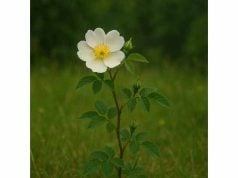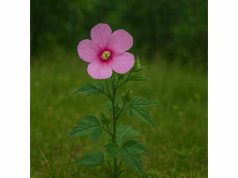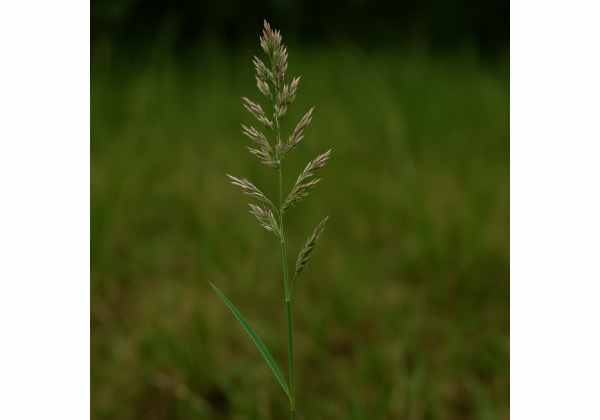
Meadow fescue, or Festuca pratensis, is a cool-season grass best known as a pasture and forage plant rather than a classic medicinal herb. That distinction matters. Unlike chamomile, nettle, or peppermint, meadow fescue does not have a strong modern reputation as a tea, tincture, or standardized herbal remedy. Most of what is known about it comes from agriculture, grass-pollen allergy research, and studies of plant chemistry rather than from clinical herbal medicine.
Still, the plant is not devoid of health relevance. Meadow fescue contains antioxidant-related plant compounds, participates in complex endophyte relationships that can affect alkaloid content, and produces pollen proteins that are medically important in allergic disease. In other words, it matters to health, but not in the straightforward way many herb articles assume. The real value of a careful article on meadow fescue is honesty: understanding where the plant may offer limited nutritional or phytochemical interest, where the evidence is too thin to support medicinal claims, and why safety concerns such as pollen allergy can be more important than any supposed therapeutic benefit.
Brief Summary
- Meadow fescue is mainly a forage grass, not a recognized mainstream medicinal herb for human self-care.
- The plant contains phenolic compounds and shows antioxidant activity in grass-focused studies, but direct human health benefits remain unproven.
- No evidence-based oral medicinal dose has been established for human use.
- Avoid self-medicating with meadow fescue if you have grass-pollen allergy, allergic asthma, or unexplained digestive or respiratory symptoms.
Table of Contents
- What Meadow Fescue Is and Why It Is Not a Standard Medicinal Herb
- Key Ingredients and What They May Mean for Health
- Meadow Fescue Benefits and the Limits of the Evidence
- How Meadow Fescue Is Actually Used
- Dosage, Preparation, and Why Standard Human Dosing Is Missing
- Meadow Fescue Safety, Allergy Concerns, and Who Should Avoid It
What Meadow Fescue Is and Why It Is Not a Standard Medicinal Herb
Meadow fescue is a perennial grass in the Poaceae family, native to parts of Eurasia and now widely grown in temperate regions as a forage crop. Farmers value it for its winter hardiness, solid regrowth, good digestibility for livestock, and ability to fit into mixed pasture systems. In agricultural terms, it is a highly useful species. In herbal terms, however, it sits in a very different category.
The most important fact for readers is that meadow fescue is not a well-established medicinal herb in modern Western phytotherapy. It is not a plant with a recognized tea tradition, a stable supplement market, or a strong history of standard internal dosing for human symptoms. That does not mean it is chemically inactive. It means the plant’s primary identity is agricultural rather than therapeutic. This is a crucial distinction, because many plant species contain interesting compounds without becoming practical medicines.
Why does that happen? Usually for one of three reasons. First, the plant may not have been used enough in traditional medicine to build a clear body of experience. Second, it may contain compounds that are biologically active but not especially suitable for routine human use. Third, it may be far more relevant in another area such as animal feed, crop breeding, or allergy science. Meadow fescue fits mostly into the third category.
A second source of confusion is that grasses are sometimes grouped together too loosely. Some grass-family plants do have meaningful human herbal roles. Oat straw, for example, has a recognizable tradition as a nourishing nervine and mineral-rich infusion. Meadow fescue does not occupy that same place. It belongs to the same broad family, but that does not make it an herbal equivalent of oat straw or another better-established grass-derived remedy.
There is also a difference between “health relevance” and “health benefit.” Meadow fescue matters to health in the sense that its pollen can trigger rhinitis and asthma in sensitized people, and its endophyte relationships may affect alkaloid content that matters in agricultural toxicology. Those are real health connections. But they are not the same as saying the plant offers reliable medicinal benefit when brewed, swallowed, or chewed.
This makes meadow fescue a good example of why herbal writing should not force every plant into the same template. A helpful article here is not one that invents dramatic therapeutic uses. It is one that explains the plant honestly: a valuable forage grass, a source of certain phytochemicals, an allergenically relevant pollen producer, and a species with limited evidence for direct human medicinal use. That may sound less exciting than a standard “top 10 benefits” approach, but it is far more useful to a reader who wants a dependable answer.
Key Ingredients and What They May Mean for Health
If meadow fescue is not a mainstream medicinal herb, why discuss its key ingredients at all? Because the chemistry helps explain both its limited potential and its clearer risks. The most interesting part of Festuca pratensis is not one famous miracle compound. It is the way several different categories of compounds matter in different contexts: plant antioxidants in the green tissues, pollen proteins in allergic disease, and endophyte-related alkaloids in grass ecology and animal health.
The first group is the plant’s phenolic and antioxidant-related compounds. Grass tissues can contain flavonoids, phenolic acids, pigments, and other stress-related compounds that help the plant handle environmental strain. In meadow fescue, agronomic studies show measurable antioxidant capacity in the aerial material. This does not automatically mean strong medicinal effects in humans. It means the plant is not chemically inert. Many plants with antioxidant activity are still poor choices as human remedies because concentration, bioavailability, and safety in actual use are unknown.
The second group is allergenic proteins in the pollen. For human health, these may be more important than any so-called healing compounds. Meadow fescue pollen contains named allergen molecules such as Fes p 1, Fes p 4, Fes p 5, and Fes p 13. These proteins matter because they can provoke allergic rhinitis, itchy eyes, wheezing, and seasonal asthma in sensitized individuals. In other words, the plant’s most clinically important “active compounds” may be the ones people are trying to avoid, not the ones they are trying to use.
The third group comes from symbiotic fungi rather than the grass alone. Meadow fescue can host Epichloë endophytes that influence the production of loline alkaloids and related metabolites. This is highly relevant in forage science because endophyte-associated chemistry can shape pest resistance and animal exposure. Meadow fescue is somewhat unusual here because the loline alkaloids associated with its common endophyte profile are not the same as the classic ergot alkaloids that drive the better-known tall-fescue toxicosis story. That does not make the species harmless in every setting, but it does mean the chemistry needs to be described carefully rather than lumped together under “fescue toxins.”
A practical summary of meadow fescue’s main health-relevant constituents looks like this:
- plant phenolics and antioxidant compounds in the green tissues
- pollen allergens that drive seasonal respiratory symptoms
- endophyte-associated alkaloids with mainly agricultural and veterinary significance
- structural fibers and minerals relevant more to forage value than to herbal therapy
This last point matters. A grass can be nutritionally valuable in pasture systems without becoming a useful human medicinal herb. That is a common misunderstanding in plant writing. “Contains antioxidants” is not the same as “is a meaningful antioxidant remedy.” If someone wants a human dietary plant with a clearer antioxidant and phytochemical tradition, a more direct choice is usually green tea or another plant actually studied for human use.
So the ingredient story in meadow fescue is real, but it points toward caution and context more than toward a new herbal supplement. The chemistry is interesting. The leap to medicinal usefulness is much less secure.
Meadow Fescue Benefits and the Limits of the Evidence
A balanced article on meadow fescue has to start with a plain statement: there is no strong clinical evidence that Festuca pratensis provides established medicinal benefits for routine human self-care. That is not a weakness in the article. It is the main insight the reader needs. Still, the plant may have a few areas of limited or indirect relevance that are worth understanding carefully.
The first possible benefit is biochemical rather than clinical. Meadow fescue shows antioxidant capacity in plant-focused studies, and that suggests the species contains compounds capable of reducing oxidative stress in laboratory assays. This is interesting, but it remains far from a validated human benefit. Many pasture grasses contain antioxidant-related molecules because plants need them for their own survival. Those same molecules do not automatically become useful therapies in people.
The second possible benefit is nutritional, and even that is mostly indirect. Meadow fescue is a high-quality forage grass with good digestibility and feeding value in livestock systems. In a food-chain sense, that matters. The quality of forage can affect the nutritional profile of milk and meat from animals raised on grass-based systems. But that is very different from saying meadow fescue itself is a medicinal grass for humans. It is better understood as an agriculturally valuable feed plant than as a direct herbal medicine.
A third possible area is ecological or environmental health rather than personal herbal use. Meadow fescue contributes to soil stabilization, pasture resilience, and mixed-sward quality. Health writing often ignores this broader frame, but it is worth naming. Some plants matter to human well-being mainly because they support food systems and landscapes, not because they belong in a supplement bottle.
What does not have good support is just as important:
- no clear human trials show meadow fescue improves digestion, sleep, immunity, or circulation
- no standardized extracts are established for therapeutic use
- no consistent traditional medicine record supports it as a core household herb
- no evidence-based case exists for self-medicating chronic symptoms with it
In fact, the most immediate human-health relevance may be adverse rather than beneficial. Meadow fescue pollen is a known allergen source, and in sensitized people it can contribute to hay fever, itchy eyes, and asthma symptoms. This does not make the plant “bad.” It simply means the strongest human evidence around the species is not about healing but about exposure and reactivity.
That reality changes how any “benefits” section should be read. The honest version is not a triumphant list. It is a spectrum:
- Plausible but limited: antioxidant-related plant chemistry.
- Indirectly meaningful: role in high-quality forage systems.
- Weak or unproven: direct human medicinal use.
- Strongly relevant caution: grass-pollen allergy and related sensitivity.
For a reader looking for a grassy green plant with an actual human wellness tradition, wheatgrass at least has a clearer food-and-supplement identity, even if its own claims are often overstated. Meadow fescue does not even reach that level of established human use.
So the fairest conclusion is this: meadow fescue may have modest phytochemical interest, but its direct health benefits for humans remain largely unproven. The more useful question is not “What can it cure?” but “Is there any good reason to use this grass medicinally when clearer alternatives already exist?” In most cases, the answer is no.
How Meadow Fescue Is Actually Used
To understand meadow fescue properly, it helps to shift from an herbal lens to a practical one. The plant is used widely, just not mainly as a medicine. Its real-world roles are agricultural, environmental, and allergenic. That makes it a useful species, but not in the way readers may expect from a medicinal herb article.
The primary use is forage. Meadow fescue is grown for grazing, hay, haylage, and mixed pasture systems because it offers good digestibility, strong winter survival, and reliable regrowth under temperate conditions. Farmers value it as a cool-season grass that performs well in humid climates and heavier soils. In many regions it is part of productive mixed swards rather than the single dominant crop. This is where the plant shines most clearly.
The second use is land management. Meadow fescue can contribute to turf, soil stabilization, and pasture renovation. Because it is hardy and well adapted to cooler climates, it is often selected for resilience rather than for showiness. This is not a medicinal use, but it is part of why the species remains important. Some plants matter because they stabilize the systems that feed us and protect landscapes from erosion.
The third way people encounter meadow fescue is through pollen exposure. For many individuals, especially in late spring and summer, this may be the plant’s most significant health-related role. Grass pollen is a major driver of seasonal allergy, and meadow fescue belongs to that clinically important group. A person with hay fever is much more likely to notice meadow fescue as an inhaled allergen than as a healing plant.
Human medicinal use is far less clear. There is no strong modern tradition of meadow fescue tea, capsule, tincture, or resin. In scattered plant databases and local records, grasses of this kind may show up with minor folk notes, but these do not add up to a coherent herbal practice. That matters. A plant may be edible, touchable, or culturally familiar without being a real medicinal herb.
This is also why meadow fescue should not be confused with plants that happen to share certain settings or broad family features. A meadow grass is not automatically a medicinal meadow plant. Someone looking for nutritive green support, for example, usually turns to alfalfa, nettle, or oat straw rather than to a pasture fescue. Those plants have a clearer bridge from field to human use.
In practice, then, meadow fescue is “used” in four main ways:
- as forage for livestock
- as a component of pasture and hay systems
- as a stabilizing and productive cool-season grass
- as an environmental pollen source that matters in allergy medicine
What it is not commonly used as is just as revealing:
- not a mainstream culinary herb
- not a standard tea herb
- not a widely accepted supplement
- not a common topical remedy
That may seem like a negative conclusion, but it is actually clarifying. Meadow fescue has a real role. It is just a role outside conventional herbal medicine. Once that is understood, the rest of the discussion becomes much more grounded. The best use of meadow fescue is usually in fields and pastures, not in home apothecaries.
Dosage, Preparation, and Why Standard Human Dosing Is Missing
The dosage section for meadow fescue is unusual because the most responsible answer is also the least marketable one: there is no established evidence-based medicinal oral dose for human use. That absence is not accidental. It reflects the fact that Festuca pratensis has not developed into a standard herbal medicine with recognized forms, validated preparations, or routine therapeutic use.
Most medicinal plants reach practical dosing guidance through one of three routes. They have a long stable tradition of use, they appear in official monographs, or they are studied in enough human trials to create workable ranges. Meadow fescue does not meet those benchmarks. There is no widely accepted tea strength, capsule amount, tincture ratio, or extract standard for human herbal practice. For a reader, that should be treated as a meaningful safety signal rather than as an invitation to improvise.
This lack of dosing standards also reflects form confusion. What would “meadow fescue preparation” even mean in human use? Dried leaves, powdered grass, juice, seed material, pollen extract, or endophyte-free forage tissue are not interchangeable. A plant can only develop coherent dosing when the material itself is clearly defined. Meadow fescue has not reached that stage in human herbal medicine.
In practice, this means several things.
First, there is no good case for self-prescribing meadow fescue as an internal herb. Without defined benefits and without a dosing tradition, the experiment offers little upside. Second, allergy-related dosing belongs to a completely different world. Allergen testing and immunotherapy use standardized medical extracts and specialist dosing frameworks, not home herbal methods. Those numbers are not applicable to self-care and should never be borrowed as if they were herbal dosage guidance.
Third, the plant’s agricultural and botanical relevance should not be mistaken for supplement readiness. A grass can have nutrients, phenolics, and agronomic value without making sense as a tea or capsule for people. That is one of the main lessons meadow fescue teaches. Not every bioactive plant deserves a human dose recommendation.
A practical “dosage mindset” for meadow fescue therefore looks like this:
- Do not assume a grass can be used medicinally just because it is green and chemically active.
- Do not infer a safe oral dose from forage studies, plant chemistry papers, or allergy literature.
- Do not copy dosing from unrelated grasses or from generalized grass powders.
- Treat the absence of a human dose as a reason for caution, not as a blank space to fill with guesswork.
This matters because niche plants often get pushed into wellness products before the basics are settled. A weak evidence base plus a missing dose is not a sign of hidden potential. It is usually a sign that the plant has not earned a place in human phytotherapy.
Readers who want a mineral-rich or grass-adjacent plant with actual household preparation guidance are better served by recognized options rather than by improvising with meadow fescue. A plant like nettle at least has a stable tradition, clearer forms, and more practical experience behind it.
So the dosage answer here is intentionally simple. There is no standardized medicinal dose to recommend. That is not an incomplete article. It is the clearest and safest conclusion the evidence allows.
Meadow Fescue Safety, Allergy Concerns, and Who Should Avoid It
The most important safety issue with meadow fescue is not overdose in the usual herbal sense. It is exposure and misinterpretation. The plant is easy to underestimate because it is common, grassy, and not usually sold as a potent remedy. But common plants can still matter medically, especially when pollen allergy is involved.
For many people, meadow fescue’s main clinical relevance is as an allergen source. Its pollen can contribute to seasonal allergic rhinitis, itchy or watery eyes, and asthma symptoms in sensitized individuals. Meadow fescue also cross-reacts with other grass pollens, which means someone may respond not only to this species alone but to related grasses across the season. In practical terms, that makes self-experimentation with fresh grass material a poor idea for anyone who already reacts to hay, cut grass, or spring and summer pollen.
There is also the issue of endophytes and alkaloids. Meadow fescue can host fungal partners that influence alkaloid profiles. While the meadow fescue endophyte relationship is not identical to the classic toxic tall-fescue story, this is still a reminder that grasses are biologically dynamic. The chemistry of a pasture grass can shift depending on host plant, fungal association, growing conditions, and plant part. That is another reason meadow fescue is poorly suited to casual internal use.
Potential safety concerns can be grouped like this:
- seasonal allergy symptoms from pollen exposure
- uncertain tolerance to home-prepared internal forms
- possible contamination from field-grown material, including molds, pesticides, or environmental residues
- confusion with other fescues or mixed grasses that may have different exposure risks
Who should avoid meadow fescue as a self-care herb?
- anyone with known grass-pollen allergy
- people with seasonal allergic asthma
- anyone seeking to self-treat chronic digestive or respiratory symptoms
- children, pregnant people, and breastfeeding people, because medicinal use is not established
- anyone with a history of strong plant allergies or unexplained reactions to grasses
There are also practical warning signs that should shift attention away from herbal curiosity and toward medical evaluation. These include wheezing, lip or throat swelling, worsening breathlessness after pollen exposure, persistent abdominal pain, chronic cough, or repeated sinus and allergy symptoms severe enough to affect sleep. Meadow fescue is not the answer in those situations.
One more safety issue is conceptual. When a plant has little recognized medicinal use, people sometimes assume that means it must be harmless. That is not how plant safety works. Unknown usefulness and unknown safety often travel together. A poorly studied herb is not automatically gentle. It may simply be undefined.
If a person is looking for plant support around seasonal discomfort, the better path is usually a well-characterized approach rather than improvising with an allergenic grass. Even traditional supports such as stinging nettle have a more meaningful human-use history than meadow fescue does.
The bottom line is clear. Meadow fescue is not a practical medicinal herb for most people, and its strongest direct health relevance is often allergic rather than therapeutic. That does not make it a bad plant. It makes it a plant whose safest role is outside self-directed herbal medicine.
References
- ForageGrassBase: molecular resource for the forage grass meadow fescue (Festuca pratensis Huds.) 2020
- Photosynthetic Activity and Antioxidant Capacity of Perennial Forage Grasses 2024
- Grass–Endophyte Interactions and Their Associated Alkaloids as a Potential Management Strategy for Plant Parasitic Nematodes 2024 (Review)
- Allergen of the month–meadow fescue 2014
- Isolation and partial characterization of Fes p 4 allergen 2000
Disclaimer
This article is for educational purposes only and does not replace medical advice, diagnosis, or treatment. Meadow fescue is not a well-established medicinal herb for human use, and no evidence-based oral therapeutic dose has been established. Its most important direct health relevance is often pollen allergy rather than herbal benefit. Seek professional care for persistent digestive symptoms, recurrent wheezing, allergic reactions, unexplained cough, or any symptom that is severe, worsening, or affecting breathing.
If you found this article useful, please share it on Facebook, X, or any other platform you prefer.