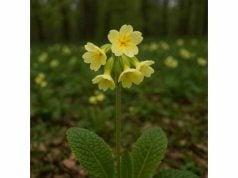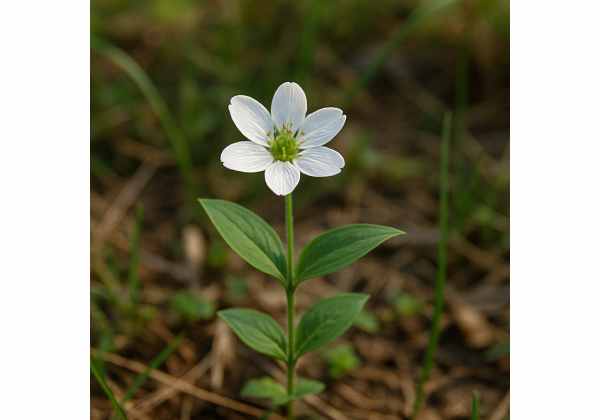
One-Blade, better known in Chinese herbal practice as Pseudostellaria heterophylla or Tai Zi Shen, is a gentle tonic root traditionally used to support energy, appetite, recovery, and moisture balance in the lungs and digestive system. It is often described as milder than true ginseng, which is one reason it has been used for children, older adults, and people recovering from illness who may not tolerate stronger stimulatory tonics well. Modern research has added another layer of interest by identifying polysaccharides, cyclic peptides, saponins, flavonoids, and other compounds that may help explain its immune, antioxidant, metabolic, and gut-supportive effects.
Still, One-Blade deserves a careful reading rather than hype. Much of the strongest evidence remains preclinical, which means many claims are promising but not yet firmly proven in large human trials. That makes this herb especially important to understand in context: what it has traditionally been used for, what its active compounds appear to do, how it is prepared, what dose ranges are commonly discussed, and where safety and uncertainty still matter.
Essential Insights
- One-Blade is traditionally used to support low energy, poor appetite, and recovery after illness.
- Its best-studied modern signals involve immune regulation, antioxidant activity, and support for gut balance.
- Traditional decoction use is commonly discussed in the 9 to 30 g/day crude-root range under practitioner guidance.
- Pregnant or breastfeeding people and anyone using diabetes, immune, or complex prescription medicines should avoid self-prescribing it.
Table of Contents
- What One-Blade is and why it is considered a gentle tonic
- Key ingredients and medicinal properties of Pseudostellaria heterophylla
- Potential health benefits and what the evidence actually supports
- How One-Blade is used in traditional and modern practice
- Dosage forms, timing, and how much One-Blade is typically used
- Common mistakes when choosing or using this herb
- Safety, side effects, interactions, and who should avoid it
What One-Blade is and why it is considered a gentle tonic
Pseudostellaria heterophylla is the dried tuberous root of a plant in the Caryophyllaceae family. In Chinese materia medica it is usually called Tai Zi Shen, a name often translated loosely as Prince Ginseng or child ginseng because of its reputation for being milder than the stronger Panax species. That comparison is useful, but it can also mislead. One-Blade is not a direct substitute for true ginseng in every situation. It occupies its own place: a soft, nourishing tonic often chosen when someone seems depleted, dry, or undernourished rather than sharply exhausted or in need of a stronger stimulating push.
Traditionally, the herb is associated with the spleen and lung systems. In plain language, that means it has been used where poor appetite, tiredness, loose stools, dry cough, thirst, or post-illness weakness appear together. Practitioners often reach for it when they want to build energy without creating excess heat, restlessness, or digestive heaviness. This is one reason it is often described as a good fit for convalescence, light chronic fatigue states, and dry respiratory patterns.
Its reputation as a “food-medicine” herb also matters. In some settings, One-Blade has been used not only as part of formal formulas but also in soups, broths, porridges, and gentle tonics. That dual role shapes how people think about it: not as a harsh intervention, but as a restorative herb that works gradually. Even so, “gentle” does not mean trivial. Herbs that seem mild can still act meaningfully over time, especially when taken consistently.
The modern literature generally supports that broad traditional profile, though with an important caveat. Researchers increasingly describe One-Blade as a plant with interesting immunomodulatory, antioxidant, gut-related, and metabolic properties, yet most of that work comes from lab and animal studies rather than large, well-controlled human trials. In other words, the herb has a believable traditional identity and an active research story, but not every traditional claim has been clinically confirmed.
A useful way to position One-Blade is to think of it as a restorative herb rather than a quick-fix stimulant. People looking for a milder tonic often compare it with American ginseng and other gentler energy-support herbs, but One-Blade is typically chosen when the pattern includes low appetite, dryness, and gradual depletion rather than stress-driven overexertion alone.
Key ingredients and medicinal properties of Pseudostellaria heterophylla
The chemistry of One-Blade helps explain why this modest-looking root continues to attract attention. Modern reviews describe a complex phytochemical profile that includes polysaccharides, cyclic peptides, saponins, flavonoids, alkaloids, nucleosides, amino acids, and trace nutrients. These compounds do not all act in the same way, and the herb’s overall effect likely comes from their combined action rather than from one single “magic” molecule.
Polysaccharides are often treated as the headline compounds. These long carbohydrate chains are widely studied in medicinal plants because they can influence immune signaling, gut ecology, oxidative stress, and inflammatory pathways. In One-Blade, polysaccharides are frequently discussed as a major driver of its immunomodulatory and gut-supportive potential. That does not mean they function like a vitamin or stimulant. Their effects appear to be broader and slower, possibly involving both direct immune interactions and indirect changes in the intestinal microbiome.
Cyclic peptides are another distinctive feature. Some of the best-known compounds from this plant belong to the heterophyllin family, including heterophyllin B. These molecules have attracted interest for anti-inflammatory, metabolic, and cell-signaling effects in experimental models. They also matter for quality control, because they help researchers distinguish genuine material from lower-quality substitutes.
Saponins add another important dimension. In many tonic herbs, saponins are linked with adaptogenic or restorative actions, although One-Blade is chemically different from Panax ginseng. Flavonoids contribute antioxidant potential, while amino acids and smaller metabolites may help shape the herb’s broader nutritional and physiological profile.
From a practical standpoint, the medicinal properties most often associated with One-Blade today include:
- Mild qi-tonifying or restorative support
- Immune regulation rather than simple immune stimulation
- Antioxidant and anti-inflammatory activity
- Support for gut integrity and microbial balance
- Possible metabolic and glucose-regulating effects
- Soothing support for dry cough or recovery-related weakness
That list sounds impressive, but the wording matters. “Associated with” is more accurate than “proven for.” Most of these properties come from mechanistic, cell, and animal research. Human evidence is still developing, so the best way to read the phytochemistry is as a strong rationale for careful use, not a license for exaggerated claims.
Readers familiar with traditional immune-support herbs often compare this root’s polysaccharide story with astragalus and related immune-support botanicals. The comparison is helpful, though One-Blade is usually considered milder, more moistening, and less overtly warming.
Potential health benefits and what the evidence actually supports
The likely benefits of One-Blade fall into a few major buckets: energy and recovery, immune regulation, digestive support, moisture support for the lungs, and possible metabolic benefits. The real question is not whether the herb has promise. It clearly does. The real question is how much confidence we should place in each benefit today.
The strongest traditional use case is mild fatigue with poor appetite and recovery weakness. This is not the same as using the herb as a high-powered performance enhancer. Traditionally it is aimed at people who feel run down, eat poorly, tire easily, or have lingering depletion after illness. That traditional pattern still makes sense clinically because it matches the herb’s mild, nourishing reputation.
Immune support is one of the best-studied modern areas. Polysaccharide fractions from One-Blade have shown the ability in preclinical studies to influence immune organs, cytokine patterns, T-cell balance, macrophage activity, and gut flora. That suggests the herb may help regulate immunity rather than simply “boost” it. The distinction matters. A smart immune herb should ideally help balance response, not push it upward in every circumstance.
Digestive support is another plausible benefit. Traditional descriptions of spleen support often translate into modern symptoms like weak appetite, loose stools, and poor resilience after stress or illness. Experimental work also suggests that One-Blade may influence gut microbial composition, inflammatory tone, and aspects of digestive function. This makes it especially interesting for people whose low energy is tied to poor digestion rather than to sleepless overstimulation.
Respiratory dryness is a more traditional and somewhat less studied area in modern human terms. The herb has long been used for dry cough, low-grade throat dryness, and depleted lung moisture, especially when these occur alongside fatigue. It is better understood as supportive rather than strongly expectorant or antiseptic. Someone seeking fast symptom relief from acute congestion may do better with a more direct herb, such as peppermint for clearer respiratory and digestive relief.
Metabolic benefits, including hypoglycemic potential, are also being studied. Some preclinical work suggests that One-Blade polysaccharides and peptides may affect insulin resistance, glucose handling, oxidative stress, and inflammation. These results are promising, but they do not justify replacing standard diabetes care or self-prescribing the herb without supervision.
The most responsible summary is this:
- Traditional support for fatigue, appetite, recovery, and dryness is strong.
- Preclinical evidence for immune, gut, antioxidant, and metabolic effects is substantial.
- Human evidence is still limited, so expectations should stay moderate.
- The herb makes the most sense as part of a broader restorative strategy, not as a miracle cure.
How One-Blade is used in traditional and modern practice
One-Blade is rarely used as a dramatic stand-alone herb in traditional settings. More often, it appears inside formulas designed around a pattern. That pattern may involve weak digestion, dry cough, low thirst tolerance, post-illness fatigue, or a constitutional tendency toward gentle deficiency rather than high-intensity disease. This is important because formula context often explains why the herb works well. It is not always meant to do everything by itself.
In traditional practice, the dried root is commonly decocted with other herbs. It may be paired with moistening herbs for lung dryness, digestive restoratives for weak appetite, or gentle tonics that help the body rebuild after depletion. It is also sometimes included in medicinal foods, especially when the goal is steady nourishment rather than sharp pharmacological action.
Modern use falls into a few forms:
- Crude dried root for decoction
- Granules used by trained herbal practitioners
- Powdered root in blended products
- Polysaccharide-rich or whole-root extracts
- Functional foods or tonic formulations
The practical appeal of One-Blade today is that it sits between food and medicine. It is more targeted than a normal food, yet usually gentler than stronger tonic herbs. That makes it attractive for people who want something supportive but not excessively stimulating. The downside is that this gentleness can tempt people to self-prescribe casually, which is not always wise.
Another modern issue is quality. Because research often focuses on polysaccharides and cyclic peptides, product quality matters a great deal. The right species, correct plant part, appropriate extraction method, and reliable sourcing all affect what ends up in the finished material. Two products labeled as Pseudostellaria heterophylla may not perform alike if one is poorly standardized or blended with fillers.
One-Blade also works best when matched to the right situation. It is usually not the first herb chosen for acute infection, severe inflammation, marked insomnia, or intense stress chemistry. It is more at home in recovery, rebuilding, dryness, and light chronic depletion. That is why it is so often seen alongside harmonizing herbs such as Chinese licorice in traditional formula building, where the goal is balance rather than force.
Used thoughtfully, One-Blade is less a symptom suppressor than a resilience herb. Its role is to help the system recover steadiness over time.
Dosage forms, timing, and how much One-Blade is typically used
Dosage is where many herbal articles become vague or overly confident. One-Blade deserves more precision than that. Traditional crude-root use is commonly discussed in the 9 to 30 g/day range when prepared as a decoction, usually as part of a formula rather than as a single herb taken in isolation. The lower end is more appropriate for lighter tonic use, while the upper end usually reflects practitioner-directed prescriptions and more depleted presentations.
That traditional range should not be transferred blindly to extracts. An extract may concentrate certain fractions, especially polysaccharides or peptides, which changes both potency and expectations. A capsule containing 500 mg of extract is not equivalent to 500 mg of crude root, and labels do not always make the extraction ratio clear. This is one reason clinical herbal guidance matters.
A practical way to think about form is:
- Decoction is the traditional whole-herb format.
- Granules are convenient but should come from a reputable source.
- Extracts offer concentration, but only if the manufacturer provides real quality detail.
- Food-style use may be gentler, but it is also less standardized.
Timing also matters. Because One-Blade is used mainly as a tonic, it is generally better suited to daytime use or use with meals than to bedtime dosing, unless a practitioner has a specific reason for a different schedule. People taking it for digestive weakness often do better when it is used consistently rather than sporadically. A tonic herb usually reveals itself over weeks, not hours.
Duration depends on the goal. For a short recovery window, it may be used for a few weeks. For more chronic depletion patterns, practitioners may use it longer, often adjusting the formula as symptoms improve. This is another reason not to think of One-Blade like a simple stimulant or cough medicine. It is usually part of a pattern-based plan.
Two cautions are worth remembering. First, stronger is not always better. A person with sluggish digestion may do worse with an overly concentrated tonic if the formula is poorly matched. Second, milder herbs can still be misused. People sometimes assume that because One-Blade is gentler than stronger qi tonics such as Asian ginseng, they can take it carelessly. That is not the right lesson. Gentler herbs still require the right form, dose, duration, and context.
Common mistakes when choosing or using this herb
One-Blade is easy to underestimate and just as easy to misunderstand. Because it is widely described as mild, restorative, and food-like, many users assume it can be chosen casually. In reality, the biggest mistakes with this herb come from poor matching rather than from dramatic overdose.
The first common mistake is using it for the wrong kind of fatigue. One-Blade is more suited to depletion with poor appetite, light weakness, dryness, or recovery needs than to wired, high-cortisol burnout. Someone who is overstimulated, anxious, inflamed, or sleeping badly may not get much from it unless the broader pattern is addressed.
The second mistake is confusing traditional use with proven modern indication. Readers often see phrases like immune support, glucose regulation, or anti-inflammatory action and assume those effects are confirmed in humans. Much of the evidence is still preclinical. That does not make the herb ineffective, but it should stop people from treating it like a replacement for medical care.
The third mistake is buying vague products. Labels that say only “Pseudostellaria extract” without plant part, extraction method, or quality markers give you very little to work with. Since polysaccharides and cyclic peptides are central to the research story, product identity matters.
The fourth mistake is taking a tonic herb only when symptoms flare. One-Blade is generally not a fast-acting rescue herb. It works better as part of a regular routine, usually paired with diet, rest, and sometimes other herbs that shape its direction.
The fifth mistake is copying formula doses without formula logic. A traditional prescription that includes One-Blade may also contain moistening, digestive, harmonizing, or directing herbs. Pulling one ingredient out of a formula and expecting the same result rarely works well. This is especially true when the original formula included other balancing plants, such as schisandra and other support herbs often used for recovery patterns.
The sixth mistake is ignoring who should not self-prescribe it. Mild herbs are still real interventions. People with chronic disease, pregnancy, breastfeeding, polypharmacy, or diabetes treatment plans should not improvise with long-term use just because a herb sounds gentle.
A good rule is simple: use One-Blade when the pattern fits, the product is credible, and the expectations are realistic. That alone prevents most of the practical errors people make.
Safety, side effects, interactions, and who should avoid it
One-Blade is often described as a relatively safe tonic herb, and its long traditional use supports that general impression. Even so, the modern safety picture is incomplete. Contemporary reviews repeatedly note that clinical safety data are still limited. That means the safest approach is not fear, but informed caution.
Most people who tolerate the herb appear more likely to experience mild digestive effects than dramatic side effects. These may include bloating, loose stools, stomach discomfort, or a sense that the herb feels too cloying or heavy if the digestive pattern is not a good match. Allergic reactions are possible with any plant material, though they do not appear to be a dominant concern here. Product contamination, adulteration, or poor sourcing may be a more realistic problem than intrinsic toxicity in many commercial settings.
Drug interaction data are not yet robust, but prudence is warranted. Because One-Blade is studied for immune, glucose, and inflammatory effects, theoretical caution is sensible with:
- Diabetes medications, in case blood sugar effects add up
- Immunomodulating or immunosuppressive drugs
- Multi-herb formulas used alongside prescription medicines
- Complex chronic-disease medication regimens
Who should avoid self-prescribing it or only use it with qualified guidance?
- Pregnant people
- Breastfeeding people
- Infants and young children unless a trained clinician is directing care
- People with diabetes who monitor glucose with medication
- People with autoimmune disease on prescription treatment
- Anyone with a serious ongoing cough, unexplained weight loss, or persistent digestive symptoms
- Anyone using multiple prescription medicines or preparing for surgery
Another safety issue is substitution. Since One-Blade may be marketed under translated names such as Prince Ginseng, some consumers assume it behaves exactly like Panax ginseng, which it does not. Others may buy products with unclear naming or mixed ingredients. Accurate labeling matters.
The bottom line is balanced. One-Blade has a long history of use and is widely considered gentle, but gentle is not the same as data-rich. Until stronger human safety evidence exists, it makes sense to use the herb conservatively, choose well-made products, and avoid treating it as a casual everyday supplement when medical complexity is present.
References
- Traditional uses, phytochemical constituents, pharmacological properties, and quality control of Pseudostellaria heterophylla (Miq.) Pax 2025 (Review). ([PubMed][1])
- Advances in Pseudostellaria heterophylla Research: Current Status and Future Directions 2025 (Review). ([PMC][2])
- Polysaccharides of Pseudostellaria heterophylla (Miq.) Pax ex Pax et Hoffm: Extraction, purification, structural characteristics, pharmacological activities, and structure-activity relationships: A review 2025 (Review). ([PubMed][3])
- The regulatory effects of Pseudostellaria heterophylla polysaccharide on immune function and gut flora in immunosuppressed mice 2022 (Preclinical Study). ([PMC][4])
- Polysaccharides from Pseudostellaria heterophylla modulate gut microbiota and alleviate syndrome of spleen deficiency in rats 2022 (Preclinical Study). ([PMC][5])
Disclaimer
This article is for educational purposes only and is not a substitute for medical advice, diagnosis, or treatment. One-Blade has a meaningful traditional record and encouraging laboratory and animal data, but human clinical evidence remains limited. Do not use it to self-treat persistent fatigue, chronic cough, unexplained weight loss, digestive disease, diabetes, or any serious condition without guidance from a qualified healthcare professional. Speak with a clinician before using this herb if you are pregnant, breastfeeding, taking prescription medicines, or managing a chronic health condition.
If this article helped you, please consider sharing it on Facebook, X, or your preferred platform so more readers can find clear, evidence-aware herbal information.