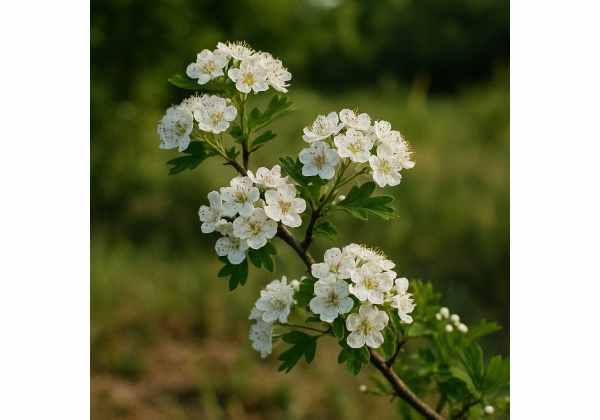
One-seed hawthorn, Crataegus monogyna, is a thorny hedgerow tree best known for its white spring blossoms, bright red autumn berries, and long history in European herbal medicine. Its common name comes from the single stone usually found inside each fruit. While the berries are edible and often made into syrups, jams, and liqueurs, the leaves and flowers are the parts most often used in modern herbal products.
What makes hawthorn especially interesting is its connection to heart and circulation support. Its extracts contain flavonoids, oligomeric procyanidins, and phenolic acids that appear to influence vascular tone, oxidative stress, and endothelial function. That said, the evidence is nuanced. Hawthorn is not a replacement for prescription treatment, and its strongest modern data relate to standardized extracts used as supportive care, not as a stand-alone remedy.
For most readers, the practical questions are simple: what part of the plant is used, what benefits are realistic, how should it be taken, and when is it not appropriate? Those are exactly the questions this guide addresses.
Core Points
- One-seed hawthorn may modestly support blood pressure, circulation, and exercise tolerance when used consistently.
- Standardized leaf-and-flower extracts have better human evidence than homemade berry preparations.
- A research-aligned adult amount is often 450 mg twice daily of a standardized extract.
- People using heart medicines, blood pressure drugs, or multiple circulation-active herbs should not self-start it casually.
Table of Contents
- What one-seed hawthorn is and which parts are used
- Key ingredients in Crataegus monogyna
- Potential cardiovascular benefits and what evidence shows
- Traditional uses and medicinal properties
- How to use one-seed hawthorn in real life
- Dosage, timing, and how long to try it
- Safety, interactions, and who should avoid it
What one-seed hawthorn is and which parts are used
One-seed hawthorn is a small tree or large shrub in the rose family. It grows widely across Europe, parts of western Asia, and many temperate regions where it has naturalized. In the landscape it is easy to recognize by its lobed leaves, dense thorny branches, clusters of white or pink-tinged flowers, and small red fruits that ripen in autumn. The fruits are technically pomes, much like tiny apples, which makes sense because hawthorn is a close botanical relative of apple and pear.
In herbal practice, however, the plant’s value depends heavily on which part is used. This matters more than many people realize. The berries are popular in foods and traditional household preparations, but the leaves with flowers have the strongest connection to standardized extracts used in clinical settings. When people read that “hawthorn supports the heart,” they are often unknowingly reading about a leaf-and-flower extract rather than a homemade berry jam or tea.
The main forms include:
- Leaf and flower teas or infusions
- Liquid tinctures
- Standardized dry extracts in capsules or tablets
- Berry syrups, jams, powders, and traditional tonics
These forms are not interchangeable. A standardized extract can deliver a predictable amount of active compounds, while a tea or berry preserve is gentler, less concentrated, and more variable. That does not make food forms unimportant. In fact, one-seed hawthorn fruit has a real place as a traditional functional food. It simply means the strength of the evidence changes with the preparation.
Another important nuance is species overlap. The hawthorn research literature often uses the broader term Crataegus or refers to standardized products made from leaf and flower material that may include Crataegus monogyna, Crataegus laevigata, or closely related species. For a reader focused on one-seed hawthorn specifically, the honest interpretation is that C. monogyna clearly belongs to the evidence base, but some clinical findings come from mixed hawthorn preparations rather than from this species alone.
That distinction keeps expectations realistic. One-seed hawthorn is a meaningful medicinal plant, but it works best when understood as a preparation-sensitive herb. The part used, the extraction method, and the dose all shape the result. That is why a good hawthorn guide begins with plant identity rather than jumping straight to benefit claims.
Key ingredients in Crataegus monogyna
The active profile of one-seed hawthorn is broad rather than dominated by a single “magic compound.” That is one reason hawthorn can be hard to summarize in a sentence. Its effects appear to come from several compound families working together, especially in leaf-and-flower extracts and in richly pigmented fruits.
The best-known groups are flavonoids and oligomeric procyanidins. These are the compounds most often discussed in relation to circulation, vascular tone, antioxidant activity, and capillary support. Within the flavonoid group, compounds such as vitexin, vitexin derivatives, hyperoside, rutin, quercetin, apigenin, and luteolin are commonly mentioned. They are relevant because flavonoids can influence nitric oxide signaling, oxidative stress, and inflammatory pathways that matter in cardiovascular health.
The second major group is procyanidins, also called proanthocyanidins. These are polymeric or oligomeric polyphenols linked to antioxidant effects and possible vascular benefits. They help explain why hawthorn is so often described as a plant for the heart and circulation. In standardized extracts, procyanidin content is one of the key markers of product quality. Readers familiar with grape seed polyphenols for heart and circulation support will notice a similar emphasis on proanthocyanidins, although hawthorn and grape seed are not identical in composition or use.
Hawthorn also contains phenolic acids such as chlorogenic, caffeic, gallic, and ferulic acids, along with triterpenes and organic acids. In the fruit, there may also be useful amounts of pectin, small amounts of vitamin C, carotenoids, and minerals, though the exact profile depends on ripeness, geography, and processing. The berry is therefore not just a carrier for one pharmacological effect; it is a complex food matrix with nutritional and phytochemical value.
A simple way to think about the chemistry is this:
- Flavonoids help explain antioxidant and vascular effects
- Procyanidins help explain capillary and circulatory support
- Phenolic acids add to antioxidant and anti-inflammatory activity
- Fruit compounds contribute food value, color, tartness, and preservative potential
This complexity is also why hawthorn products vary. A berry syrup may be rich in fruit acids and pigments but relatively weak in the extract markers associated with clinical studies. A leaf-and-flower extract may have stronger cardiovascular relevance but less of the traditional food character that berries provide.
So when you see the phrase “key ingredients,” the best answer is not a single molecule. It is a coordinated phytochemical pattern. That pattern is what gives one-seed hawthorn its reputation as both a medicinal plant and a functional food. It is also why choosing the right form matters as much as knowing the plant’s name.
Potential cardiovascular benefits and what evidence shows
This is the section most readers care about, and it is also the one that requires the most balance. Hawthorn has one of the more established cardiovascular traditions in Western herbal medicine, but “established” does not mean unlimited or dramatic. The strongest case for one-seed hawthorn is as an adjunctive herb for mild, stable situations, not as a substitute for modern cardiac care.
The most credible potential benefit is support for circulation and vascular function. Hawthorn compounds appear to influence endothelial behavior, mild vasodilation, oxidative stress, and possibly the efficiency of heart muscle contraction in some settings. In practical language, that can translate into modest benefits in blood pressure patterns, exercise tolerance, and symptom comfort rather than into a dramatic cure.
Modern evidence suggests several realistic possibilities:
- Modest blood pressure support in some adults with hypertension
- Improvement in selected symptom scores in mild chronic heart failure settings
- Better exercise tolerance or reduced perceived fatigue in some studies
- General vascular and antioxidant support over repeated use
The key word is modest. Larger or better-known trials of standardized extracts have not shown a decisive effect on every major hard endpoint. Some older heart failure research found improvements in symptoms and workload tolerance, while longer studies were more mixed on primary outcomes. That does not make hawthorn useless. It means hawthorn belongs in the category of supportive cardiovascular botanicals rather than disease-reversing therapies.
Blood pressure is one of the clearest modern areas of interest. Recent pooled evidence suggests hawthorn can lower blood pressure to a clinically meaningful degree in some hypertensive adults, though study size, extract type, and treatment duration vary. That matters because many herbs are talked about for blood pressure without much human synthesis behind them. Hawthorn appears to have a more serious evidence base than that. People comparing botanical cardiovascular options often also explore arjuna for heart support, but hawthorn is usually the more familiar Western herbal choice.
What about heart failure? Here the interpretation should be careful. Standardized hawthorn extracts have been studied as add-on therapy in chronic stable heart failure, especially in Europe. Some trials found better symptom relief or exercise capacity, but hawthorn is not a stand-alone heart failure treatment, and no one should read these data as permission to replace prescribed care.
The most honest summary is this: one-seed hawthorn seems most useful where the goal is gentle cardiovascular support over time. It may help some people feel steadier, especially when symptoms are mild and medical treatment is already in place. It is far less convincing as a self-treatment for chest pain, new palpitations, dizziness, fainting, or worsening breathlessness. In those situations, the right response is medical evaluation, not a stronger herbal dose.
Traditional uses and medicinal properties
One-seed hawthorn has a long folk history, especially across Europe, where it has been used both as a food plant and as a heart herb. Traditional preparations included flowering tops, leaves, fruits, wines, syrups, conserves, and tinctures. In village medicine it was often associated with the aging heart, “weak circulation,” nervous palpitations, and general calming support. That older language does not map perfectly onto modern diagnosis, but it does align with hawthorn’s continuing place in herbal practice.
Its traditional medicinal properties are usually described in overlapping ways:
- Cardiotonic or heart-supportive
- Mildly vasodilatory
- Calming in tension-linked palpitations
- Antioxidant and restorative
- Digestive in berry form, especially in preserved foods
This is an important place to separate folklore from realistic use. Traditional healers often used hawthorn gently and consistently, not as an emergency medicine. It was valued because it seemed suitable for longer use, especially in people who felt frail, tense, or cardiovascularly “underpowered.” That pattern still makes sense today. Hawthorn is not the herb people reach for to create a sudden pharmacological jolt. Its reputation comes from steadiness, not force.
Leaves and flowers have traditionally been linked more strongly to circulatory and nervous-heart complaints, while fruits were often used as foods, tonics, syrups, and preserves. The berries also had a reputation as nourishing rather than strictly medicinal. This food-medicine overlap helps explain why hawthorn still appeals to modern readers. It belongs to a category of plants that sit comfortably between nutrition and phytotherapy.
Another recurring traditional theme is palpitations linked to nervousness rather than to dangerous structural heart disease. That nuance matters. Hawthorn was not historically used as a substitute for treating severe cardiac pathology. It was more often chosen when the heart felt jumpy, stressed, or tired. Readers interested in this traditional overlap sometimes compare it with motherwort for occasional nervous palpitations, although the emotional tone and clinical use of the two herbs are different.
In modern language, the most defensible medicinal properties of one-seed hawthorn are antioxidant, circulatory, mildly calming, and cardiotonic in a supportive sense. It may also have broader anti-inflammatory and lipid-related relevance, but those areas remain secondary to its heart and vessel reputation.
That is why hawthorn remains respected. It has enough chemistry and enough human study to justify serious interest, but its traditional identity still matters. It is a classic example of a plant whose value lies in measured, repeated use, where food tradition, herbal practice, and modern cardiovascular curiosity all meet.
How to use one-seed hawthorn in real life
The best way to use one-seed hawthorn depends on your goal. If you want a gentle traditional approach, tea, tincture, or berry preparations may make sense. If your interest is closer to the clinical literature, a standardized leaf-and-flower extract is the more relevant choice.
For everyday use, hawthorn generally falls into four practical categories:
- Tea or infusion from leaves and flowers
- Tincture or liquid extract
- Standardized capsule or tablet
- Berry food forms such as syrup, jelly, powder, or preserve
Tea is best for people who want a milder, ritual-like preparation. It fits well when the goal is general circulatory support or a calmer evening routine. The downside is inconsistency. Plant quality, steeping time, and plant-part ratio can vary. Tinctures are more portable and somewhat easier to dose, but they still vary by manufacturer and extraction solvent.
Standardized extract is the most practical option for readers who want a research-aligned product. This is especially true for leaf-and-flower extracts used for cardiovascular support. If a label clearly states the extract type and standardization, you are more likely to get the kind of product that resembles what has actually been studied.
Berry forms deserve separate mention. Hawthorn berries can be made into syrups, jams, vinegars, or powders and can have real value as traditional foods. They offer polyphenols and a meaningful cultural food use, but they should not be assumed to equal a standardized medicinal extract. A spoon of berry preserve may be nourishing, but it is not the same as a defined dose of a clinical product.
A practical starting strategy looks like this:
- Decide whether your goal is traditional daily support or research-style supplementation.
- Choose one form only, rather than layering tea, tincture, and capsules at once.
- Use it consistently for long enough to judge effect.
- Track something measurable, such as home blood pressure, exercise comfort, or symptom frequency.
It is also wise not to stack hawthorn casually with several other circulation-active botanicals at the same time. Even generally gentle herbs can become harder to interpret when used together. That is especially true for people who already drink hibiscus for blood pressure support or use other vascular supplements.
In real life, hawthorn works best when it is matched to a clear reason for use. If your goal is vague, the herb often ends up being taken inconsistently and judged unfairly. If your goal is clear and stable, hawthorn is much easier to use intelligently.
Dosage, timing, and how long to try it
There is no single universal dose for one-seed hawthorn because dosing depends on the form used. Tea, tincture, berry powder, and standardized extract all behave differently. Still, the most useful consumer guidance comes from standardized extract practice, because that is where dosing is most predictable.
A practical adult approach for standardized products is often around 450 mg twice daily, or about 900 mg per day total, when the product resembles the kind used in clinical research. This is not a rule for every brand, but it is a useful anchor because 900 mg per day has been one of the better-known studied totals. Higher amounts, including 1800 mg per day, have been tested in heart failure settings, but that is not a casual self-care starting point.
A sensible framework is:
- Start with the lowest labeled adult dose if you are new to the herb
- Use a divided daily dose rather than taking everything at once
- Take it with food if you are prone to stomach upset
- Reassess after 6 to 8 weeks, not after 2 or 3 days
Why the longer window? Hawthorn is not an herb that usually announces itself immediately. Its value, when present, tends to emerge through repeated use. People looking for measurable changes often evaluate it over 6 to 12 weeks, especially if the goal is blood pressure support or steadier exercise tolerance.
Timing is flexible. Morning and evening dosing works well for many capsule users, especially when splitting a 900 mg daily total into two servings. Tea can be used earlier in the day or in the evening depending on the individual, especially if the goal includes mild calming support. Tinctures are often easiest to place with meals for consistency.
A few practical cautions matter:
- Do not keep increasing the dose because you want a faster effect
- Do not combine several hawthorn products unless you can calculate the true total
- Do not judge a product by milligrams alone if the extract quality is unclear
- Do not use symptoms such as chest pain or worsening palpitations as a signal to “take more”
For berry foods, dosing is less medicinal and more culinary. A spoonful of syrup or preserve is best thought of as a traditional food amount, not a standardized therapeutic dose. That distinction prevents disappointment and makes the herb easier to use responsibly.
So the best dosage advice is not “take as much as possible.” It is “match the dose to the preparation, start conservatively, and use a standardized product if your goal is cardiovascular support.” That is the safest and most evidence-aligned way to approach one-seed hawthorn.
Safety, interactions, and who should avoid it
One-seed hawthorn is generally considered well tolerated, especially when used in appropriate adult doses. Most reported adverse effects are mild, such as nausea, dizziness, headache, palpitations, or stomach discomfort. That good tolerability profile is one reason hawthorn remains popular. Still, “generally safe” is not the same as “appropriate for everyone.”
The biggest safety issue is context. Hawthorn is a cardiovascular herb. That means people with known heart disease, rhythm concerns, low blood pressure, or multiple cardiac medicines should think of it as clinically relevant, not as a casual wellness tea. Even when serious reactions are uncommon, the herb can still complicate a treatment plan if it is started without oversight.
Use extra caution or avoid self-directed use if you:
- Take prescription medicines for heart failure, angina, arrhythmia, or blood pressure
- Use nitrates, beta-blockers, or several circulation-active drugs together
- Have new chest pain, worsening shortness of breath, fainting, or unstable palpitations
- Are pregnant or breastfeeding
- Want to give it medicinally to a child without professional advice
- Tend to run low blood pressure or frequent dizziness
Interaction language around hawthorn is sometimes exaggerated online, so it helps to stay precise. The main concern is additive effect, not proven disaster. Hawthorn may reinforce blood pressure lowering, vascular relaxation, or symptom changes in people already taking cardiovascular medicines. That is why the safest approach is to involve a clinician when hawthorn enters an existing cardiac regimen. The same logic applies if someone is already using garlic and other circulation-active herbs that may influence vascular tone or antiplatelet balance.
Another important point is symptom interpretation. Because hawthorn is often used for palpitations or “heart support,” some people are tempted to self-treat symptoms that should really be assessed medically. That is the wrong use case. Hawthorn is most appropriate when symptoms are mild, stable, and already understood, not when they are new, severe, or escalating.
For most healthy adults using a quality product at conservative doses, safety is favorable. But the herb should still be respected. It occupies a middle ground: gentle enough for many people, yet specific enough that it should not be treated like a harmless flavoring. The right attitude is calm caution. Use it thoughtfully, not fearfully, and not casually in situations where cardiovascular instability is possible.
References
- Hawthorn (Crataegus monogyna Jacq.): A Review of Therapeutic Potential and Applications 2026 (Review). ([MDPI][1])
- Hawthorn (Crataegus spp.) Clinically Significantly Reduces Blood Pressure in Hypertension: A Meta-Analysis of Randomized Placebo-Controlled Clinical Trials 2025 (Meta-Analysis). ([MDPI][2])
- Analysis of Adverse Reactions Associated with the Use of Crataegus-Containing Herbal Products 2024 (Scoping Review). ([MDPI][3])
- Crataegus monogyna Jacq., Sorbus aria (L.) Crantz and Prunus spinosa L.: From Edible Fruits to Functional Ingredients: A Review 2025 (Review). ([MDPI][4])
- Efficacy and safety of crataegus extract WS 1442 in comparison with placebo in patients with chronic stable New York Heart Association class-III heart failure 2002 (RCT). ([PubMed][5])
Disclaimer
This article is for educational purposes only and is not a diagnosis or a substitute for medical care. One-seed hawthorn can affect circulation-related symptoms and may interact with prescription cardiovascular treatment plans, so it should not be used to self-manage chest pain, worsening palpitations, fainting, shortness of breath, or suspected heart disease. If you have a cardiac condition, take heart or blood pressure medicines, or are pregnant or breastfeeding, seek individualized advice before using hawthorn medicinally.
If this guide was useful, please share it on Facebook, X, or your preferred platform so more readers can find evidence-aware information on traditional herbs.